
Mental Health Treatment in Florida: Expert Care Programs

At We Level Up Tamarac, our mental health treatment in Florida programs help people feel better every day. Our team of doctors, nurses, and counselors works together to give care that is safe, kind, and easy to understand. Patients can join one-on-one therapy, group sessions, or family support programs. Our behavioral health center, Florida location, and rehab center, South Florida address, make it easy to get help nearby. Each person gets a care plan made just for them. Using our treatment center Florida map and Florida mental health facility location, patients and families can reach our center without worry. Our team helps people start feeling stronger and healthier.
Table of Contents
What Mental Health Treatment in Florida Provides?
Mental health treatment in Florida gives care to help people feel better when they are sad, worried, or stressed. At We Level Up Tamarac, our team of doctors, nurses, and counselors works together to help each person. They check your health, talk about your feelings, and make a plan just for you. Patients can join one-on-one therapy, group sessions, or family support. This care helps people learn ways to cope with problems and feel stronger every day.
The programs at our behavioral health center, Florida location, treat both mental health and addiction. Doctors and therapists work together to give the right care for each person. Patients can get help with depression, anxiety, trauma, or substance use. The rehab center’s South Florida address makes it easy for people to reach care. Using our Florida mental health facility location, patients and families can find us easily and start treatment without worry. According to the National Institute of Mental Health (NIMH), about 1 in 5 adults in the U.S. experiences a mental health condition each year, showing the need for professional treatment.
Our treatment center Florida map helps patients and families plan visits and find services quickly. The team teaches skills to manage stress, handle emotions, and avoid relapse. Patients also get support to build healthy routines and improve relationships. At We Level Up Tamarac, our programs focus on helping people feel safe, supported, and ready to live better lives. The care is simple, personal, and made to help each person grow and heal.
Signs You May Need Mental Health Treatment in Florida
- Feeling sad or upset most days
- Losing interest in fun activities or hobbies
- Trouble sleeping or eating properly
- Mood changes or getting angry quickly
- Avoiding friends and family often
- Feeling very worried or stressed all the time
- Using alcohol or drugs more than usual
These signs show when it might be time to get help from a professional mental health treatment program in Florida.
 8290 North University Drive, Tamarac, FL 33321
 (954) 420-6627
 24/7
24/7
We Level Up Tamarac: Trusted Mental Health Treatment in Florida
At We Level Up Tamarac, our mental health treatment in Florida programs help people feel better every day. Our team has doctors, nurses, and counselors who work together to give care that is safe, kind, and easy to understand. Patients get a plan made just for them. They can join one-on-one therapy, group sessions, or family support. Our behavioral health center Florida location, and rehab center, South Florida address, make it easy for people to reach care. Using the Florida mental health facility location and treatment center map, patients and families can find services quickly. The team helps people manage stress, handle feelings, and build healthy habits that last.
Our programs treat both mental health and addiction at the same time. The mental health treatment Florida staff checks progress and adjusts care when needed. Patients feel safe talking about their feelings and learning new skills. Family support is also included to help the recovery go faster. At We Level Up Tamarac, the goal is to help people feel stronger, happier, and more confident. The team guides patients every step of the way. Choosing our center means getting care from a group that listens, supports, and works together to help everyone grow and heal.
What to Expect from Mental Health Treatment in Florida?
When you start mental health treatment in Florida at We Level Up Tamarac, the first step is an assessment. Doctors, nurses, and counselors ask questions about your feelings, health, and daily life. They also check if you have problems with drugs or alcohol. The team uses this information to make a care plan just for you. The plan helps you get the right support from the very first visit.
Next, patients take part in therapy sessions. You may have one-on-one counseling with a therapist, group therapy with other patients, or family support sessions. These programs teach ways to cope with stress, manage emotions, and build healthy habits. The behavioral health center’s Florida location provides a safe and welcoming place for therapy. The rehab center’s South Florida address ensures you get help close to home.
Finally, patients learn skills to stay healthy after treatment. The team teaches relapse prevention, coping skills, and ways to manage daily routines. Family support is included to help recovery go faster. Using the Florida mental health facility location and treatment center map, patients and families can plan follow-up care easily. At We Level Up Tamarac, the goal is to help people feel safe, supported, and ready to live better lives. The team guides each person step by step to grow stronger and healthier.
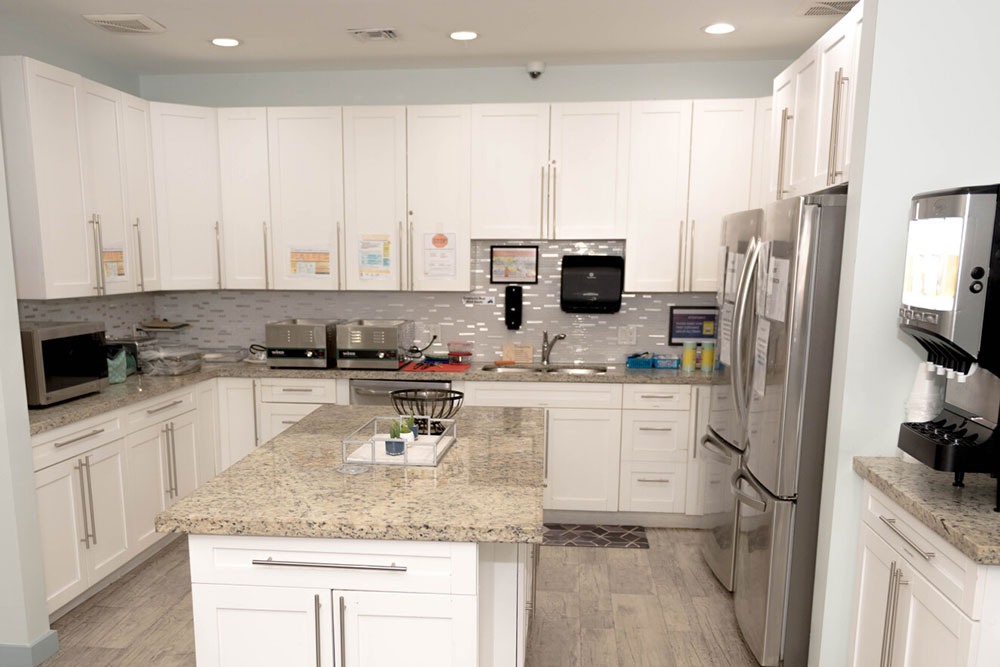
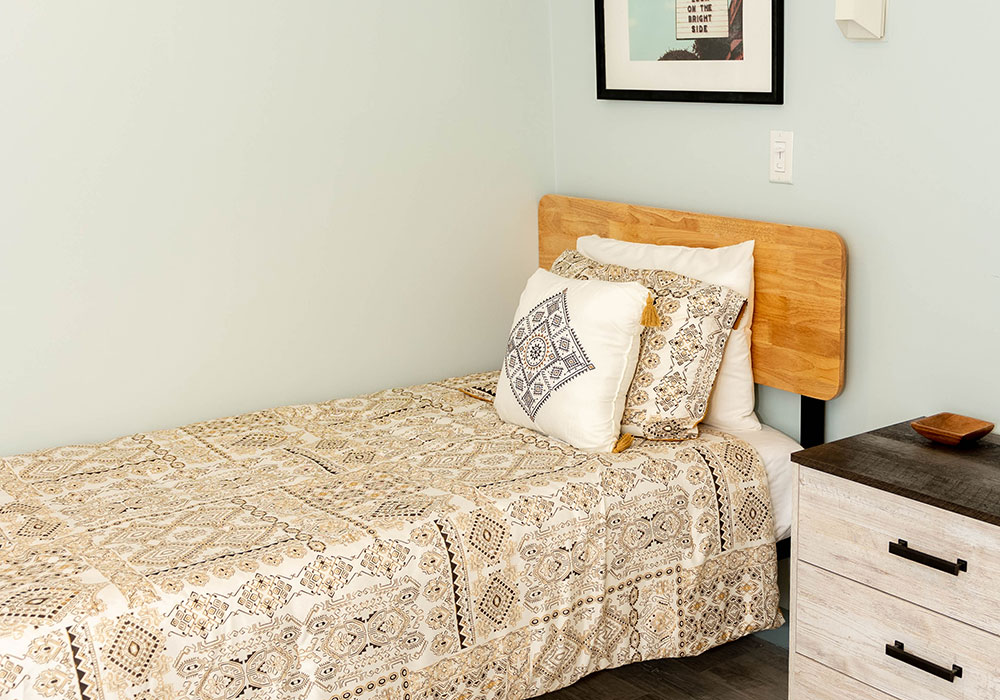
Benefits of Mental Health Treatment
- Care for mental health and addiction together
- Plans made just for each patient
- Help from licensed doctors, nurses, and therapists
- Support from our behavioral health leadership team
- Therapy and programs proven to work
- Skills to stay healthy after treatment
How to Get Started?
Ready to get started? Contact We Level Up Tamarac today for mental health treatment Florida. Our team answers questions, checks insurance, and sets up your first visit. Call (954) 420-6627, email verifyadmissions@welevelup.com, or visit 8290 N University Dr, Tamarac, FL 33321. The treatment center Florida map helps you reach care easily. Our team will guide you every step of the way.
We Level Up FL Mental Health Center Therapies & Activities
Self-Esteem Therapy
The facilitator completes a 6-week rotation of various exercises on “getting to know myself”; focuses on differences between perception and authentic self and dangers of living in a dichotomy; works on positive self-imagery and utilizes excerpts from The Four Agreements to assist in remaining positive and focused on self.
Emotional De-Escalation Therapy
The facilitator continues to build on mental health and wellness as it pertains to various emotional responses in early recovery; pause; respond vs. reacting; able to focus on the emotional and mental aspects of recovery, separate from physical symptomology; reviews the importance of avoiding catastrophic language, and when escalating, remaining focused on the current situation and how to de-escalate self.
Recovery Coach Group Therapy
Introduction to the first three steps of anonymous groups; a brief overview of SMART recovery and various tools necessary for sustained sobriety outside residential treatment services. Recovery Coaches can offer independent workbook assignments, which are reviewed individually each week, to connect each resident with the importance of an accountability partner in their journey for recovery. This allows individuals to feel supported and understand the basic idea of sponsorship as they begin their journey.
H & I Self-Help Peer Support
Self-help meetings are brought into the facility from our local recovery community to establish an external support system; a local 12-step group facilitates discussions and offers 12-step related messages and support to current clients unable to go offsite.
Psychodrama Part 1 and 2
Action group and spontaneous dramatization, often with role-playing activities and dramatic self-presentation to investigate and gain insight into our lives.; a creative way for an individual or group to explore and solve personal problems; various use of techniques including “empty chair,” writing exercises and acting out specific situations that have created grief, loss, and issues unable to resolve from past trauma that affects current life situations.
Orientation Group
Rotation for any new clients admitted previously in the week that allows for orientation to the program, review of handbook, basic infection control, and review of the grievance process, policies, procedures, and facility.
Art Therapy
Utilizing art and various forms of expression alongside talking therapy to uncover issues below the surface with many mediums, including painting, sculpting, acting, skills, and crafts.
Case Manager / Progress Groups
Several groups are offered throughout the week for a small Process group where each therapist meets with individuals on their caseload for a private meeting regarding progress, pitfalls, and planning for the future. Case managers also attend small groups, allowing for an intimate setting with individuals assigned to specific case managers.
12-Step Education
Offering education behind the organization of 12-step-oriented recoveries as the biggest ancillary supportive service; workbook assignments and journaling exercises are utilized to educate individuals receiving benefits on the importance of understanding the WHY behind the significance of 12-steps and the improvement in outcomes when used as an additional tool for recovery.
12-Step Integration
Offers an opportunity to apply the principles of the 12 steps into a format for living; challenges resistance to the 12-step model by focusing on the principles of “living well” as opposed to the self-help modality.
Dialectical Behavior Therapy
Dialectical Behavior Therapy (DBT) is a cognitive-behavioral therapy (CBT) developed by psychologist Marsha M. Linehan in the late 1980s. Originally designed to treat individuals with borderline personality disorder (BPD), DBT has since been adapted and used to address a range of mental health conditions, including mood disorders, self-harm behaviors, substance use disorders, and difficulties with emotion regulation.
DBT is characterized by integrating cognitive-behavioral techniques with concepts from dialectics, which refers to the idea that seemingly conflicting or opposing forces can be synthesized to create a more balanced and adaptive perspective. The therapy emphasizes the acceptance of oneself while also promoting change.
Biofeedback Therapy
Biofeedback therapy is a type of mind-body therapy that involves using electronic monitoring instruments to provide individuals with real-time information about physiological processes in their bodies. Biofeedback aims to help individuals gain awareness and voluntary control over specific bodily functions, ultimately promoting physical and mental well-being. It is often used as a complementary approach to managing various health conditions.
Biofeedback therapy is generally considered safe and non-invasive. It empowers individuals to actively participate in their well-being by learning self-regulation techniques that can positively impact physical and mental health. It is essential, however, for individuals to undergo biofeedback therapy under the guidance of trained professionals.
Motivational Interviewing
Motivational Interviewing (MI) is a client-centered counseling approach to help individuals explore and resolve ambivalence toward behavior change. Developed by psychologists William R. Miller and Stephen Rollnick in the early 1980s, MI is a directive yet collaborative method that aims to elicit and strengthen an individual’s motivation for positive change.
Motivational Interviewing is often used in the context of behavior change, such as addressing substance abuse, unhealthy eating habits, or sedentary lifestyle choices. It has been applied in various settings, including healthcare, addiction treatment, mental health counseling, and wellness programs.
MI recognizes that individuals may have mixed feelings about change, and it aims to resolve ambivalence by helping them explore their motivations and overcome resistance. The ultimate goal is to empower individuals to make informed decisions about positive behavior change, considering their unique values and goals.
Group Therapy
Split groups, where clients are asked to attend a group session based on the treatment plan identified, offer a safe opportunity to discuss situations that may be uncomfortable in a larger group setting.
Music Therapy
Utilizes music to channel inner turmoil and shift mood; facilitator presents song or allows an opportunity for clients to present songs with thoughts, feelings, and emotions evoked and distribute to the group.
Experiential Therapy
The facilitator uses various methods, including empty chairs and numerous venues, to allow feelings, attitudes, and beliefs considered subconscious or below the level of conscious experience, to merge into awareness.
Sound Therapy
The facilitator uses sound bowls, various percussions, and tones to elicit responses from inner emotions, works with volume, tone, and cadence in communicating, and how to use various sounds to stay focused and grounded.
Breathwork Therapy
The facilitator focuses on deep breathing, breathing from the belly, and CORE body functions and reviews the dangers of anxious breathing. It continues to work on the PAUSE response using the breath to de-stress and remain grounded.
Medical Education
Focuses on the importance of medication management and continuing medication regimen after discharge and as part of the after-care process: infection control, HIV/STD awareness, and handwashing hygiene/COVID precautions.
Yoga Therapy
Yoga instructor provides various physical stretches, chair exercises, and techniques according to mind/body wellness skill level.
Family Dynamics Therapy
The facilitator uses lessons on co-dependency, enabling and continued methods to identify family systems perspectives; Satir modeled overlay with role identification in the family unit and how to heal the family system. Family therapists and additional clinicians offer opportunities for family therapy on “face time”/zoom, as addiction and mental health concerns are family issues affecting the entire dynamic.
Life Skills Activities
Having fun in recovery and focusing on reintegrating into positive social situations. Review the importance of routine and structure and how to live a life in recovery.
Reiki
A specialist performs breath and bodywork to focus and move various energies.
CBT Integration
Using different CBT techniques, exploring automatic negative thoughts and catastrophic language and how to change negative thought processes for a more positive outcome and a better response to the situation.
EMDR Therapy
Eye Movement Desensitization and Reprocessing (EMDR) is a psychotherapy approach developed by Francine Shapiro in the late 1980s. It is primarily used to help individuals who have experienced trauma, such as those with post-traumatic stress disorder (PTSD). Still, it has also been applied to treat various other mental health conditions.
The core element of EMDR involves a structured eight-phase approach where the therapist helps the patient process distressing memories using bilateral stimulation, which can be in the form of side-to-side eye movements, taps, or sounds. During the therapy session, the individual is guided to recall distressing memories while simultaneously focusing on external stimuli, such as the therapist’s hand movements or a sound, which is believed to facilitate the processing of these memories.
Comprehensive Case Management Services
Your assigned case manager can answer your questions, help you understand and fill out forms, describe the process, and provide all the needed information for your circumstances. Moreover, case managers in mental health centers can help patients coordinate with other services, develop an individualized care plan, and provide advice and guidance on daily living tasks. The team helps mitigate the challenges faced during recovery and ensures that all individual needs are met.
Clients may be evaluated for case management services, including assistance and support for:
- Assistance with COBRA
- DUI
- Dietitian
- Discharge Planning
- FMLA – Family Medical Leave Act
- H&I meetings and presentations
- HIV awareness
- Letters of presence
- Marchman Act
- Other matters as needed
- Pending legal matters
- Relapse Prevention
- Short-term disability assistance with a case manager
- Wellness coach
FAQs About Mental Health Treatment in Florida
1. What is mental health treatment in Florida?
It is care from trained professionals for mental health or addiction. Programs include therapy, medicine, and support for daily life.
2. Who can use the behavioral health center Florida location?
Anyone with anxiety, depression, stress, trauma, or substance use can get help. Care is tailored to each person.
3. How do I know if I need a Florida mental health facility location?
Signs include sadness, irritability, sleep or appetite problems, or drug use. Early care gives better results.
4. What therapies does the rehab center in South Florida offer?
Individual counseling, group therapy, family sessions, and wellness programs help patients recover fully.
5. Can the treatment center Florida map help families find care?
Yes. It shows the facility location and directions to reach services quickly and safely.
6. How long does mental health treatment in Florida take?
Treatment varies by patient. Some stay a few weeks, others longer. Follow-up care is included.
7. Is family support important in care?
Yes. Family therapy helps patients recover faster and feel safer. Families learn how to support their loved ones.
8. How do I contact We Level Up Tamarac?
Call (954) 420-6627, email verifyadmissions@welevelup.com, or visit 8290 N University Dr, Tamarac, FL 33321.
What Our Clients Are Saying

Sarah Sheehan

There really is no place like this residential treatment facility. When I arrived to this place, I was so hopeless and tired. I found hope, myself, and some in this place. I’m actually excited for the future. I also work in mental health myself so it took a lot for me to admit that I needed help.

Bill Wingerter
This facility was an absolute blessing for me. I needed a huge reset of medication. They provided not only that, but some extremely helpful therapy. I also got to meet a lot of new people. I am eternally grateful for We Level Up!

Saige Elise Bowman
This place is amazing. I felt welcome from the moment I walked in the door. Adriana my case manager really helped me out from my treatment plan when I leave. Jonathan and Brittany the therapist are amazing. And the rec director Jessica always makes sure we all have activities that make us happy! Ten out of ten recommend.

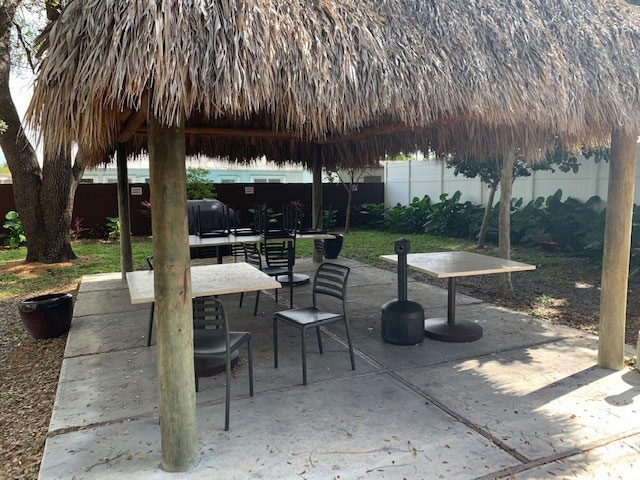
First-class Facility & Amenities
Proven recovery success experience, backed by a Team with a History of:
- 15+ Years of Unified Experience
- 100s of 5-Star Reviews
- 10K+ Recovery Successes
- Low Patient-to-Therapist-Ratio
- Onsite Medical Detox Center
- Comprehensive Dual-Diagnosis Treatment
- Complimentary Family & Alumni Programs
- Alumni Coaching, Recovery & Personal Development Events