
Relationship OCD: Signs, Symptoms and Treatment
This guide aims to explain the signs and causes of Relationship OCD to help individuals and couples understand the challenges they may face.
Editor Yamilla Francese
Clinically Reviewed by Lauren Barry, LMFT, MCAP, QS
Medically Reviewed by Ali Nikbakht, PsyD
Updated on June 11, 2026 — Editorial Policy | Research Policy
Relationship OCD is a difficult form of obsessive-compulsive disorder. It influences how people think and feel in their romantic lives. People affected often have doubts and fears. They also question their partner and the quality of their relationship.
These intrusive thoughts can cause compulsive behaviors. You might seek reassurance. You might compare your relationship to other people’s. You might check your feelings again and again. Over time, relationship anxiety OCD can affect daily life and cause strong stress and emotional pain. Without help, symptoms might get worse. This can harm long-term relationships.
At We Level Up FL, we provide caring, evidence-based support. Our goal is to help people find clarity, confidence, and emotional balance.
Ready to get started? Call (888) 861-4486 or email verifyadmissions@welevelup.comtoday. A better life is waiting for you.
What Is Relationship OCD?
Relationship OCD, also called relationship obsessive-compulsive disorder, is a type of OCD. It focuses on doubts and fears about romantic relationships. It can make people feel unsure about their feelings, commitment, or match with their partner. This can happen even when the relationship is healthy and strong.
These intrusive thoughts feel very real and hard to ignore. Over time, they can hurt trust and emotional safety in the relationship.
People with obsessive compulsive disorder (ROCD) often have intrusive thoughts about loving their partner. They may wonder if the relationship feels “right” or if their feelings are true. These thoughts can come fast and happen again and again. They are hard to stop and feel very real. This can cause stress, confusion, and strong doubt.
Even during happy moments, worry can still show up. A person may question their feelings even when things are going well. This can make it hard to enjoy time with their partner. Over time, this constant doubt can feel very tiring and upsetting.
The cycle of obsessions and compulsions is a key part of relationship OCD. Obsessions are the unwanted thoughts, and compulsions are the actions taken to feel better. People may try to reduce fear by doing certain behaviors. These behaviors may seem helpful at first.
They may seek reassurance from others or search for answers online. They may compare their relationship to others or think about past moments again and again. These actions may bring short relief, but it does not last. The worry often comes back quickly.
The National Institute of Mental Health says about 2.3% of adults in the United States will have OCD at some time. Relationship OCD is one type of this condition, but it can be just as serious. It can affect self-esteem, choices, and daily life. Knowing the signs is the first step to getting help.
Treatment for ROCD is very important because symptoms do not go away on their own. Cognitive behavioral therapy (CBT) helps with intrusive thoughts. It can make a big difference. These treatments teach people how to face fears without doing compulsions. With support, people can feel more sure and calm in their relationships.

Skip To:
Learn More:
Get Help. Get Better. Get Your Life Back.
Searching for Accredited Dual Diagnosis Mental Health Centers Near You?
Even if therapy failed previously, or are in the middle of a difficult crisis, we stand ready to support you. Our trusted behavioral health specialists will not give up on you. When you feel ready or just want someone to speak to about counseling alternatives to change your life call us. Even if we cannot assist you, we will lead you to wherever you can get support. There is no obligation. Call our hotline today.
FREE 24/7 Dual Diagnosis Mental Health Services HotlineOCD Fact Sheet
OCD Overview
Obsessions with excessive ideas trigger recurrent behaviors (compulsions). Unreasonable worries and obsessions (compulsive behaviors) are hallmarks of obsessive-compulsive disorder.
OCD frequently centers on ideas like a dread of germs or the requirement to organize objects in a certain way. Symptoms typically appear gradually and change over time. Both conversation therapy and medication are used as treatments.
OCD Symptoms
Behavioral: compulsive behavior, agitation, compulsive hoarding, hypervigilance, impulsivity, meaningless repetition of own words, repetitive movements, ritualistic behavior, social isolation, or persistent repetition of words or actions.
Mood: Anxiety, apprehension, guilt, or panic attack.
Whole body: fatigue or sweating.
Also standard are food aversion, nightmares, or rumination.
Types of OCD Disorders
- Contamination OCD.
- Checking OCD.
- Harm OCD.
- Hoarding OCD.
- Pure-O (Purely Obsessional) OCD.
- Symmetry and Ordering OCD.
- Sexual Orientation OCD.
- Relationship OCD.
- Religious OCD (Scrupulosity).
- Health Anxiety OCD.
Relationship OCD Statistics
By delving into these statistics, we aim to gain a deeper comprehension of the scope and impact of ROCD but also to foster empathy and awareness. Through this understanding, we can work collectively to break down stigmas, facilitate conversations, and ensure that individuals affected by ROCD receive the support and resources they deserve.
- OCD Prevalence: OCD is a common mental health disorder. It’s estimated that about 1-2% of the global population suffers from OCD at some point.
- Gender Distribution: OCD affects both genders equally.
- Age of Onset: OCD symptoms typically begin in childhood, adolescence, or early adulthood. However, the disorder can develop at any age.
- Impact on Relationships: OCD, including ROCD, can significantly impact romantic relationships. If not correctly managed, it might lead to increased stress, communication challenges, and emotional distance.
- Co-Occurrence: OCD often occurs alongside other mental health conditions, such as anxiety disorders and depression. These comorbid conditions can further complicate relationships.
2.5 million
OCD affects 2.5 million adults or 1.2% of the U.S. population.
Source: National Institute on Mental Health
25%
The average age of onset is 19, with 25% of cases occurring by age 14. One-third of affected adults first experienced symptoms in childhood.
Source: ADAA
3x
Women are 3x more likely to be affected than men.
Source: ADAA
Signs You May Need Relationship OCD Treatment
Knowing relationship OCD symptoms early can help you get the right help and avoid more stress.
- Always questioning your feelings for your partner, even when you know you care
- Having intrusive, upsetting thoughts about your relationship’s future
- Comparing your relationship to others and feeling stress or doubt
- Asking for reassurance often from friends, family, or online
- Avoiding commitment or closeness because of fear or worry
- Thinking too much about your partner’s flaws or small actions
- Doing mental rituals or checking thoughts to feel better for a short time


End the Emotional Pain. Get Your Life Back.
Feeling Depressed, Anxious or Struggling with Mental Health Illness? Get Safe Comfortable Mental Health Dual Diagnosis High-Quality Therapy From Counselors That Care. Begin Your Recovery Now.
Hotline (855) 940-6125Why Choose We Level Up FL for Relationship OCD Treatment?
We Level Up FL offers care made to treat relationship OCD and other mental health problems. Our team includes trained mental health professionals who understand obsessive compulsive disorder OCD and how to treat it.
We create care plans based on each person’s needs, symptoms, and relationship concerns. Our programs use cognitive behavioral therapy CBT and exposure and response prevention, which are proven treatments. These methods help reduce obsessive thoughts and compulsive behaviors over time.
Our center is a safe and supportive place where healing can begin. We focus on long-term recovery and give tools to manage symptoms every day. We help people build confidence and improve their romantic relationships.
Ready to get started? Call (888) 606-5120 or email verifyadmissions@welevelup.com today. A better life is waiting for you.
First-class Facilities & Amenities
World-class High-Quality Mental Health Services & Behavioral Health Substance Abuse Treatment
Rehab Centers TourRenowned Mental Health Centers. Serene Private Facilities. Inpatient Rehab Programs Vary.
Mental Health Helpline (855) 940-6125Proven recovery success experience, backed by a Team w/ History of:
15+
Years of Unified Experience
100s
5-Star Reviews Across Our Centers
10K
Recovery Successes
- Comprehensive Dual-Diagnosis Treatment
- Complimentary Family & Alumni Programs
- Coaching, Recovery & Development Events
- Comfortable Onsite Medical Detox Center
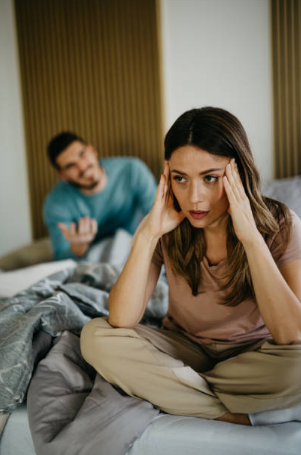
What to Expect During Relationship OCD Treatment
Treatment for relationship OCD starts with a full check of your symptoms, triggers, and mental health history. This helps create a plan that fits your needs and goals.
During treatment, people take part in behavior therapy like cognitive behavioral therapy CBT. This helps change negative thinking patterns. Exposure and response prevention teaches you to face fears without doing compulsions.
Over time, you learn ways to manage stress and control emotions better. You also learn skills to handle intrusive thoughts. Relapse prevention helps you keep progress after treatment ends.
World-class, Accredited, 5-Star Reviewed, Effective Mental Health Dual Diagnosis Programs. Complete Integrated Inpatient Rehab with Free Post Discharge Therapy Planning.
CALL (855) 940-6125End the Emotional Pain Rollercoaster. Gain Stability & Happiness Through Recovery Treatment. Start Mental Health Counseling Today. Get Free No-obligation Guidance by Behaviroal Health Specialists Who Understand Mental Health Recovery.
Benefits of Relationship OCD Treatment
Getting help for relationship OCD can improve how you think, feel, and act in romantic relationships. Treatment helps reduce intrusive doubts and lowers the need for compulsive behaviors.
Here are some of the benefits you need to know:
- Better daily life and long-term mental health
- Better control of obsessive thoughts and compulsive behaviors
- More emotional stability in romantic relationships
- Stronger confidence in choices and personal values
- Improved communication and connection with partners
- Less anxiety and overall distress
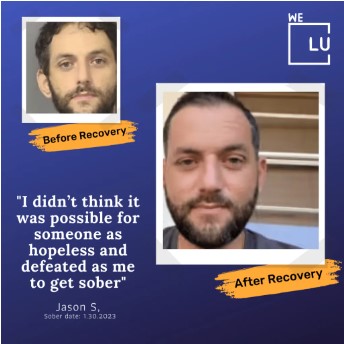
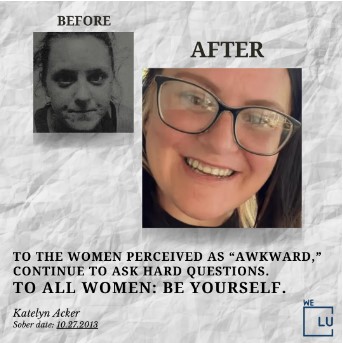
Experience Transformative Recovery at the We Level Up Treatment Center.
See our authentic success stories. Get inspired. Get the help you deserve.
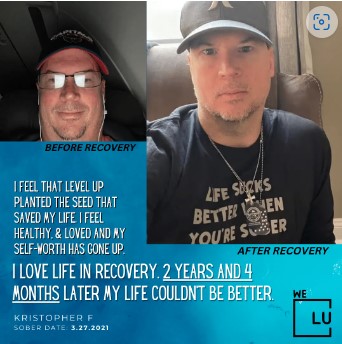
Start a New Life
Begin with a free call to a behavioral health treatment advisor. Learn more about our dual-diagnosis programs. The We Level Up treatment center network delivers recovery programs that vary by each treatment facility. Call to learn more.
- Personalized Care
- Caring Accountable Staff
- Comfortable Amenities
- Licensed & Accredited
- Renowned w/ 5-Star Reviews
We’ll Call You
FAQs About Relationship OCD
-
What is relationship OCD and how does it differ from normal relationship doubts?
Relationship OCD is a form of obsessive compulsive disorder that causes strong and repeated doubts about romantic relationships. These thoughts are hard to stop and can feel very upsetting. People may use compulsive behaviors like reassurance seeking to feel better for a short time.
Normal doubts come and go, but relationship OCD symptoms stay longer and affect daily life. Treatment for relationship OCD can help stop this cycle and bring relief.
-
What are the most common relationship obsessive compulsive disorder signs?
Signs of relationship OCD include doubting everything, fearing wrong choices, and comparing partners. People may focus too much on their partner’s flaws or small problems. They may also avoid closeness or ask for reassurance again and again.
These signs can cause stress and make daily life harder. Early treatment options can help reduce symptoms and improve well-being.
-
What does ROCD meaning symptoms include in daily life?
ROCD meaning symptoms include intrusive thoughts, worry about decisions, and compulsive actions to reduce fear. People may overthink small moments or question their feelings often. This can take up a lot of time and energy each day.
It can also affect work, school, and relationships. Without help, symptoms may get worse over time. Therapy can help reduce these patterns and improve daily life.
-
How is relationship anxiety OCD treated effectively?
Cognitive behavioral therapy (CBT) treats relationship anxiety OCD. Exposure and response prevention also treats it. These treatments help people face their fears. They do this without needing to act on compulsions.
Over time, this helps lower anxiety and build confidence. Some people may also need medication to help manage symptoms. Professional care gives the best chance. It leads to lasting improvement.
-
Can relationship OCD affect healthy romantic relationships?
Yes, relationship OCD can affect even healthy romantic relationships. It can cause doubt, fear, and emotional distance between partners. Constant reassurance seeking can make communication harder. This may lead to stress for both people in the relationship.
With treatment for ROCD, people can learn to manage symptoms and feel more secure. They can build strong and healthy relationships again.
-
What are the best ROCD treatment options available today?
The best ROCD treatment options include cognitive behavioral therapy CBT and exposure and response prevention. These treatments focus on both thoughts and behaviors. They make each treatment plan to fit the person’s needs.
Mental health professionals guide each step of the process. With care and practice, many people see strong improvement over time.
-
Is relationship OCD a lifelong condition?
Relationship OCD lasts a long time, but treatment can manage it well. People can learn to handle obsessive thoughts without doing compulsions.
With support, they can live full and happy lives. Many people see big improvements with the right care. Ongoing support can help prevent symptoms from coming back.
-
When should someone seek treatment for relationship OCD?
Get help for relationship OCD if your thoughts or actions disrupt your daily life. They can hurt your relationships, too. If you question your feelings often or seek reassurance all the time, it may be time to get help. These patterns can grow stronger without care.
Early treatment can make recovery easier and faster. Mental health professionals can guide you toward the right support.
How to Get Started with Relationship OCD Treatment
Taking the first step toward recovery from relationship OCD begins with asking for help. At We Level Up FL, we keep the process simple, safe, and supportive for every person who reaches out.
You can call (888) 606-5120 to speak with an admissions specialist who will guide you through your options. They will answer your questions in a clear and caring way. We also help check your insurance so you can better understand costs and feel less stressed.
You can schedule a private assessment to build a plan for your needs. This plan is made just for you. With the right support, you can move toward clarity, confidence, and emotional balance.
Ready to get started? Call (888) 606-5120 or email verifyadmissions@welevelup.com today. A better life is waiting for you.
Watch and Learn About What Is OCD and Take a look at the 4 Most Common Types of OCD
Search A Guide to Relationship OCD Relationship OCD Symptoms Drug & Alcohol Rehab / Detox & Mental Health Topics & Resources
Sources
[1] We Level Up FL – How to Get Rid of Intrusive Thoughts – https://welevelupfl.com/behavioral-health/how-to-get-rid-of-intrusive-thoughts/
[2] National Center for Biotechnology Information (NCBI) – Obsessive-Compulsive Disorder Research Article – https://pmc.ncbi.nlm.nih.gov/articles/PMC12437837/
[3] National Institute of Mental Health (NIMH) – Obsessive-Compulsive Disorder Statistics – https://www.nimh.nih.gov/health/statistics/obsessive-compulsive-disorder-ocd
[4] NCBI Bookshelf – Obsessive-Compulsive Disorder Overview – https://www.ncbi.nlm.nih.gov/books/NBK279297/