
Depression Room Ideas for Healing and Hope
Messy rooms can do more than look chaotic—they might affect our mood and mental health. Let’s explore how a cluttered space can contribute to feelings of depression and delve into the connection between our surroundings and our emotional well-being. Continue to read more about the depression room meaning.
Editor Yamilla Francese
Clinically Reviewed by Lauren Barry, LMFT, MCAP, QS
Medically Reviewed by Ali Nikbakht, PsyD
Updated on June 11, 2026 — Editorial Policy | Research Policy
A depression room is more than a bedroom. It can reflect how someone feels inside. When a person struggles with depression, their space may feel dark, messy, or overwhelming. At the same time, a room can also become a place of comfort and healing.
If you or someone you love is dealing with depression, the environment around you matters. A safe space for depression can support recovery. In this guide, we will explain what a depression room means, share depression room ideas, and show how to create a depression recovery environment that supports mental health.
Ready to get started? Call (888) 861-4486 or email verifyadmissions@welevelup.comtoday. A better life is waiting for you.
What Is a Depression Room?
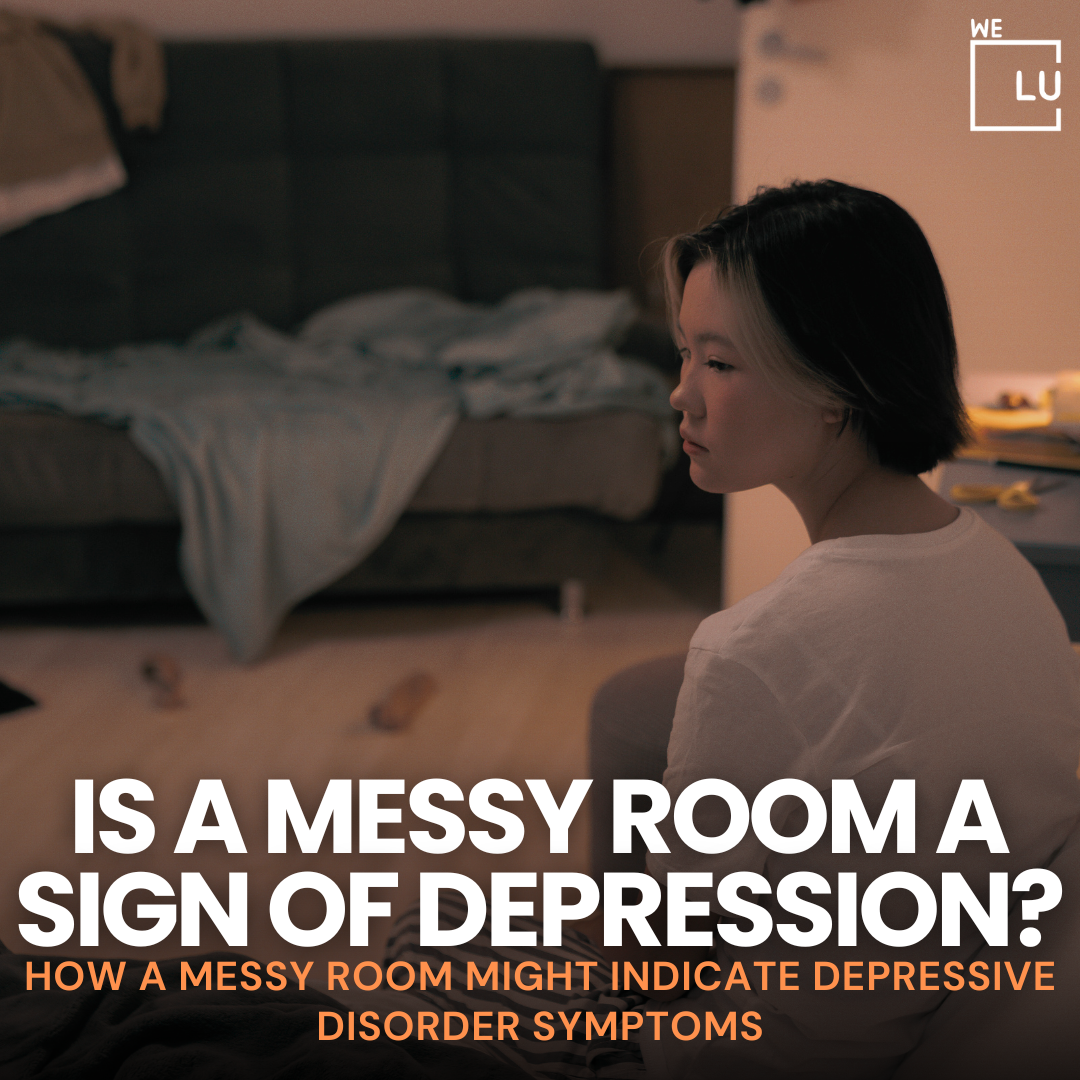
A depression room often describes a bedroom or personal space that reflects emotional struggle. It may look cluttered, dark, or neglected. When someone feels low, cleaning and organizing can feel very hard. The room may slowly change as energy drops.
Depression affects motivation, focus and daily habits. Simple tasks like making the bed or putting clothes away may feel overwhelming. This does not mean someone is lazy. It means they are struggling. The state of a mental health bedroom often shows how heavy things feel inside.
At the same time, the term depression room can also mean creating a safe space for depression recovery. A room can be changed into a calm and comforting place that supports healing. Small changes can help improve mood and reduce stress.
How Depression Affects Your Environment
Depression changes how people think and act. It can lower energy and make everyday chores feel too big to handle. When this happens, the room may become messy or dark. Over time, the space may feel even more stressful.
Clutter can increase anxiety and sadness. When the room feels out of control, it can add to feelings of failure or shame. This cycle makes it harder to clean or improve the space. The depression recovery environment may feel stuck.
It is important to remember that this situation is common. Many people with depression experience changes in their living spaces. There is no reason to feel embarrassed. The goal is not perfection. The goal is small, steady progress.
Skip To:
Learn More:
- What Does Depression Feel Like? Symptoms and Early Signs
- Why Am I So Sad? Causes and Top 10 Coping Tips for Depression
- What is Mild Depression? Symptoms and Treatment
- What is Crippling Depression? Learning How To Deal With Crippling Depression
- Atypical Depression. What Is It? Symptoms and Treatment
- Learn How to Cope with Depression. 10 Ways to Cope with Depression.
- Manic Depression Vs Bipolar. Are They The Same?
- Situational Depression Vs Clinical Depression, Symptoms, Causes, and Treatment
- Signs Of Depression In Women, Symptoms and Treatment
- Effective Depression Treatment, Depressive Disorder Symptoms, Types, and Causes
Get depression counseling that works. Discover professional help from We Level Up Florida’s mental health therapists. Start getting support with a free call to our mental health hotline.
Get Help. Get Better. Get Your Life Back.
Searching for Accredited Dual Diagnosis Mental Health Centers Near You?
Even if therapy failed previously, or are in the middle of a difficult crisis, we stand ready to support you. Our trusted behavioral health specialists will not give up on you. When you feel ready or just want someone to speak to about counseling alternatives to change your life call us. Even if we cannot assist you, we will lead you to wherever you can get support. There is no obligation. Call our hotline today.
FREE 24/7 Dual Diagnosis Mental Health Services Hotline
Why a Safe Space for Depression Matters
Your room is where you rest, think, and recharge. When that space feels calm and safe, it can support your mental health. A safe space for depression does not need to look perfect. It only needs to feel supportive and peaceful.
Creating a positive mental health bedroom can lower stress levels. Soft lighting, clean sheets, and fresh air can improve comfort. These small changes may help you sleep better and feel slightly more in control.
When someone begins treatment or therapy, professionals often talk about daily routines and the environment. A supportive depression recovery environment can strengthen the work done in counseling. If you are seeking help, you can explore options through our Behavioral Health Programs.
Ready to get started? Call (888) 861-4486 or email verifyadmissions@welevelup.comtoday. A better life is waiting for you.
Depression Room Ideas for Healing
Start With Small, Simple Changes
When energy is low, large cleaning projects feel impossible. Begin with one small task. Make the bed or clear one table. Small wins build confidence and reduce overwhelm. You can set a timer for ten minutes and clean during that time. After the timer ends, you can stop. This simple step makes cleaning feel manageable instead of stressful.

End the Emotional Pain. Get Your Life Back.
Feeling Depressed, Anxious or Struggling with Mental Health Illness? Get Safe Comfortable Mental Health Dual Diagnosis High-Quality Therapy From Counselors That Care. Begin Your Recovery Now.
Hotline (855) 940-6125Add Comfort and Warmth
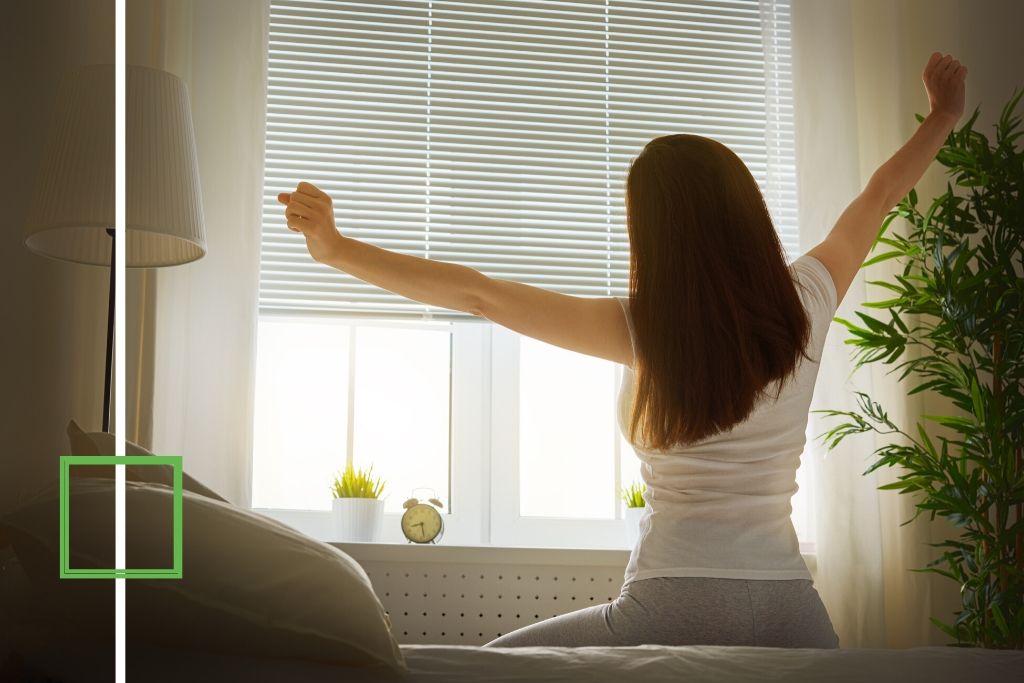
Comfort helps the nervous system relax. Add soft blankets, pillows or warm lighting. Natural light during the day can also improve mood. Open curtains if possible. Consider adding calming colors like soft blue, green or beige. Plants can bring life and freshness into the space. Even one small plant can make a difference.
Create a Calm Corner
Choose one area of your room as a peaceful corner. Place a chair, blanket, and maybe a journal there. Use this spot for quiet time, reading, or breathing exercises. This corner becomes your safe space for depression. It reminds you that you have one area designed for rest and calm. Over time, it may become a place of comfort.
Building a Depression Recovery Environment
A depression recovery environment supports daily habits. It helps you move forward step by step. The goal is not to create a perfect room. The goal is to create a space that feels manageable and kind.
Here are helpful ideas.
- Keep a simple daily checklist
- Place reminders in visible spots
- Keep trash bins nearby
- Use storage boxes to reduce clutter
- Keep water and healthy snacks accessible
These small tools support routine and stability. Routine can help reduce the chaos depression often brings.
If symptoms continue or feel severe, professional support may help. Our Depression Treatment resources explain therapy and care options in detail.
Supporting a Loved One With Depression Room
If you notice that a loved one’s room has changed, approach the situation gently. Avoid judgment or harsh comments. Instead of saying, Why is this such a mess? try saying, How have you been feeling lately? Offer to help clean together. Work side by side instead of taking control. This shows support without creating shame. Cleaning together can also feel less overwhelming.
Encourage professional help if needed. A messy mental health bedroom may signal deeper emotional pain. Therapy can address the root cause not just the surface signs.
First-class Facilities & Amenities
World-class High-Quality Mental Health Services & Behavioral Health Substance Abuse Treatment
Rehab Centers TourRenowned Mental Health Centers. Serene Private Facilities. Inpatient Rehab Programs Vary.
Mental Health Helpline (855) 940-6125Proven recovery success experience, backed by a Team w/ History of:
15+
Years of Unified Experience
100s
5-Star Reviews Across Our Centers
10K
Recovery Successes
- Comprehensive Dual-Diagnosis Treatment
- Complimentary Family & Alumni Programs
- Coaching, Recovery & Development Events
- Comfortable Onsite Medical Detox Center
When a Depression Room Signals a Bigger Issue
Sometimes a depression room shows more than low energy. If someone stops caring for themselves completely, isolates often or shows strong sadness, it may be time for extra support.
Watch for signs such as:
- Ongoing low mood
- Changes in sleep
- Loss of interest in activities
- Feelings of hopelessness
- Thoughts of self harm
These signs mean depression may need professional care. A safe space at home helps, but therapy and medical treatment provide deeper healing.
Balancing Rest and Motivation
Rest is important during depression. However staying in bed all day can sometimes increase sadness. A balanced depression recovery environment supports both rest and gentle movement. Try placing shoes near the bed as a reminder to step outside. Keep a journal nearby to track small goals. Even walking for five minutes can support mood.
The room should feel supportive not isolating. It should help you rest when needed and encourage light activity when possible.
Long Term Mental Health Bedroom Habits
Building healthy room habits takes time. Focus on small daily actions instead of big changes. Making the bed each morning can create structure. Opening a window can bring fresh energy into the space. You may also create a bedtime routine. Turn off bright screens one hour before sleep. Use soft lighting and calming music. These steps improve sleep quality, which supports emotional balance.
A stable mental health bedroom supports long-term recovery. It becomes a place of safety rather than stress.
Suppose you or someone you know is dealing with depression, which affects their daily functioning. In that case, We Level Up Florida Mental Health Treatment Center provides personalized care with a team of experienced professionals. Begin your journey towards better health by taking the first step towards healing. Get help. Call We Level Up FL now. Each call is free and confidential.
World-class, Accredited, 5-Star Reviewed, Effective Mental Health Dual Diagnosis Programs. Complete Integrated Inpatient Rehab with Free Post Discharge Therapy Planning.
CALL (855) 940-6125End the Emotional Pain Rollercoaster. Gain Stability & Happiness Through Recovery Treatment. Start Mental Health Counseling Today. Get Free No-obligation Guidance by Behaviroal Health Specialists Who Understand Mental Health Recovery.
Frequently Asked Questions
What is a depression room?
A depression room usually refers to a bedroom that reflects emotional struggle. It may look cluttered or dark due to low energy and motivation.
Can changing my room help with depression?
Improving your environment can support recovery. While it does not cure depression, it can lower stress and increase comfort.
What are simple depression room ideas?
Start small by making the bed, adding soft lighting or creating a calm corner for rest and reflection.
Is a messy room a sign of depression?
It can be but not always. When combined with other symptoms like low mood and isolation, it may signal deeper emotional distress.
How can I help a loved one with a depression room?
Offer gentle support without judgment. Clean together and encourage professional help if symptoms continue.
When should someone seek professional help?
If depression lasts more than two weeks or includes hopeless thoughts or self harm ideas, seek help from a trained professional.
Take a Step Forward
A depression room can reflect pain but it can also become a place of healing. Small changes in your environment can support emotional recovery and reduce stress. Remember that depression is not a personal failure. It is a health condition that deserves care and attention. If you or someone you love is struggling do not wait to seek help. Professional treatment can provide guidance, structure and real hope. Reach out today and take the first step toward a healthier, safer space and a brighter future.
Ready to get started? Call (888) 606-5120 or email verifyadmissions@welevelup.com today. A better life is waiting for you.
Therapist Tips to Cope and Combat Depressive Episodes
Experience Transformative Recovery at the We Level Up Treatment Center.
See our authentic success stories. Get inspired. Get the help you deserve.
Start a New Life
Begin with a free call to a behavioral health treatment advisor. Learn more about our dual-diagnosis programs. The We Level Up treatment center network delivers recovery programs that vary by each treatment facility. Call to learn more.
- Personalized Care
- Caring Accountable Staff
- Comfortable Amenities
- Licensed & Accredited
- Renowned w/ 5-Star Reviews
We’ll Call You
Search We Level Up FL Depression Room Meaning, Mental Health Topics, & Resources
Sources
- Sui TY, McDermott S, Harris B, Hsin H. The impact of physical environments on outpatient mental health recovery: A design-oriented qualitative study of patient perspectives. PLoS One. 2023 Apr 19;18(4):e0283962. Doi: 10.1371/journal.pone.0283962. PMID: 37075049; PMCID: PMC10115290.
- Depression Room and Depressive Disorder Signs – Bains N, Abdijadid S. Major Depressive Disorder. [Updated 2023 Apr 10]. In: StatPearls [Internet]. Treasure Island (FL): StatPearls Publishing; 2023 Jan-. Available from: https://www.ncbi.nlm.nih.gov/books/NBK559078/
- Chand SP, Arif H. Depression. [Updated 2023 Jul 17]. In: StatPearls [Internet]. Treasure Island (FL): StatPearls Publishing; 2023 Jan-. Available from: https://www.ncbi.nlm.nih.gov/books/NBK430847/
- Depression Room and Depressive Disorder Signs – Major Depression – National Institute of Mental Health (NIMH)
- Mental Health Conditions: Depression and Anxiety – Centers for Disease Control and Prevention (CDC)
- What is Depression? – Substance Abuse and Mental Health Services Administration (SAMHSA)
- Depression Medicines – Food and Drug Administration (FDA)
- Depression: MedlinePlus Medical Encyclopedia
- Major depressive disorder: Validated treatments and future challenges – National Institutes of Health (NIH)
- Depression Treatment For Veterans – Veterans Affairs (.gov)