

Crippling Depression: Signs, Causes and How to Find Hope
Crippling depression is a severe mental health condition that can drastically impact a person’s daily life, relationships, and overall well-being. Also known as major depressive disorder, it goes beyond the normal fluctuations of mood and can leave individuals feeling overwhelmed, hopeless, and unable to function.
Editor Yamilla Francese
Clinically Reviewed by Lauren Barry, LMFT, MCAP, QS
Medically Reviewed by Ali Nikbakht, PsyD
Updated on May 18, 2026 — Editorial Policy | Research Policy
Crippling depression can make everyday life feel heavy and hard. You may wake up tired, even after sleeping all night. Simple tasks like showering, cooking, or answering a message may feel impossible. If this sounds like you or someone you love, please know you are not alone.
Many people live with severe depressive disorder and feel ashamed to talk about it. They may smile in public but struggle in private. This guide will explain crippling depression symptoms, major depression effects, and ways to get help. Healing is possible with the right support and care.
Skip To:
What Is Crippling Depression?
Crippling depression is not a medical term, but many people use it to describe very intense depression. It often refers to severe depressive disorder that affects daily life. A person may feel stuck, hopeless, and unable to function normally.
Depression is more than sadness. It changes how you think, feel, and act. It can lower energy, reduce focus, and take away joy. Over time, the weight of depression can affect work, school, and relationships. The good news is that depression is treatable. With therapy, medication, and support, many people recover and rebuild their lives.

End the Emotional Pain. Get Your Life Back.
Feeling Depressed, Anxious or Struggling with Mental Health Illness? Get Safe Comfortable Mental Health Dual Diagnosis High-Quality Therapy From Counselors That Care. Begin Your Recovery Now.
Hotline (855) 940-6125Crippling Depression Symptoms
Crippling depression symptoms can affect the mind and body. They may last for weeks or months without relief. These symptoms often feel overwhelming and hard to explain.
Common symptoms include:
- Deep sadness that does not go away
- Loss of interest in favorite activities
- Extreme tiredness or low energy
- Trouble sleeping or sleeping too much
- Changes in appetite or weight
- Feelings of guilt or worthlessness
- Trouble thinking or making decisions
Some people also have thoughts of death or self-harm. If this happens, seek help right away. You deserve care and protection.
Learn more with the Depression Disorder PDF download below. Source: Samhsa.gov.
Debilitating Depression Signs in Daily Life
Struggles With Basic Tasks
Debilitating depression signs often show up in small daily activities. You may find it hard to get out of bed or brush your teeth. Cleaning your home or going to work may feel too hard. These tasks may seem simple to others, but depression drains your strength. You may feel frustrated with yourself, which increases shame. This cycle can make symptoms worse.
Pulling Away From Others
Many people with crippling depression isolate themselves. You may stop answering calls or cancel plans often. Social events may feel exhausting. Isolation can deepen sadness and loneliness. Friends and family may not understand why you withdraw. Open conversations and support can help reduce this distance.
Trouble at Work or School
Major depression effects can impact focus and memory. You may struggle to complete assignments or meet deadlines. Small mistakes may feel huge and upsetting. Over time performance may drop. This can lead to job stress or school problems. Getting help early can protect your future.
Get Help. Get Better. Get Your Life Back.
Searching for Accredited Dual Diagnosis Mental Health Centers Near You?
Even if therapy failed previously, or are in the middle of a difficult crisis, we stand ready to support you. Our trusted behavioral health specialists will not give up on you. When you feel ready or just want someone to speak to about counseling alternatives to change your life call us. Even if we cannot assist you, we will lead you to wherever you can get support. There is no obligation. Call our hotline today.
FREE 24/7 Dual Diagnosis Mental Health Services Hotline
What Causes Severe Depressive Disorder?
Severe depressive disorder can develop for many reasons. Some people have a family history of depression. Genetics may increase risk. Life stress also plays a role. Trauma, loss, abuse, or major life changes can trigger depression. Long periods of stress can change brain chemistry.
Substance use may also increase depression. Alcohol and drugs may numb pain at first, but they often make symptoms worse later. Treating both depression and substance use together leads to better results.
Treatment Options for Crippling Depression
Therapy
Talk therapy is one of the most effective treatments for severe depressive disorder. A therapist helps you explore thoughts and feelings in a safe space. You can learn skills to manage negative thinking. Cognitive behavioral therapy teaches you to challenge harmful thoughts. Other therapies focus on trauma or relationships. Over time therapy builds coping tools and confidence.
Medication
Some people benefit from antidepressant medication. These medicines help balance brain chemicals linked to mood. A doctor will review your health history before prescribing. Medication may take a few weeks to work fully. Many people combine medication with therapy for the best results. Your provider can adjust treatment if needed.
Holistic Support
Healthy habits support recovery. Regular sleep, balanced meals and gentle exercise improve mood. Even short walks can boost energy. Mindfulness and breathing exercises calm the mind. Support groups help reduce shame and isolation. Healing works best when the mind and body receive care.
First-class Facilities & Amenities
World-class High-Quality Mental Health Services & Behavioral Health Substance Abuse Treatment
Rehab Centers TourRenowned Mental Health Centers. Serene Private Facilities. Inpatient Rehab Programs Vary.
Mental Health Helpline (855) 940-6125Proven recovery success experience, backed by a Team w/ History of:
15+
Years of Unified Experience
100s
5-Star Reviews Across Our Centers
10K
Recovery Successes
- Comprehensive Dual-Diagnosis Treatment
- Complimentary Family & Alumni Programs
- Coaching, Recovery & Development Events
- Comfortable Onsite Medical Detox Center
Major Depression Effects on the Body and Mind
Crippling depression affects more than emotions. It can cause headaches, stomach problems, and body pain. Sleep problems are common and can worsen mood. Depression can also lower motivation and self-esteem. You may believe negative thoughts about yourself. These thoughts can feel very real and hard to challenge.
Long-term depression may increase the risk of other health problems. That is why early treatment is so important.
When to Seek Professional Help
If symptoms last more than two weeks and affect daily life, consider seeking help. You do not need to wait until things feel unbearable. Early care often leads to faster improvement. Seek urgent help if you have thoughts of harming yourself. Call emergency services or a crisis hotline in your area. Your life matters. A mental health professional can assess your symptoms and create a personal treatment plan. Care should feel supportive and respectful.
World-class, Accredited, 5-Star Reviewed, Effective Mental Health Dual Diagnosis Programs. Complete Integrated Inpatient Rehab with Free Post Discharge Therapy Planning.
CALL (855) 940-6125End the Emotional Pain Rollercoaster. Gain Stability & Happiness Through Recovery Treatment. Start Mental Health Counseling Today. Get Free No-obligation Guidance by Behaviroal Health Specialists Who Understand Mental Health Recovery.
Crippling Depression and Addiction
Some people use alcohol or drugs to cope with crippling depression. Substances may provide short relief but often worsen symptoms. This pattern can lead to addiction. Depression and addiction often occur together. This is called a co-occurring disorder. Treating both at the same time improves long-term recovery.
Integrated treatment programs address mental health and substance use together. This approach offers stronger and lasting results.
Supporting a Loved One With Severe Depression
If someone you love shows signs of debilitating depression, listen with patience. Avoid telling them to just be positive or try harder. Depression is not a choice. Encourage professional help in a gentle way. Offer to help schedule appointments or attend for support. Small actions can mean a lot. Take care of your own well-being, too. Supporting someone with depression can feel heavy. Healthy boundaries protect both of you.
Coping Skills to Use Alongside Treatment
While professional care is important, daily coping tools can help. These skills support healing but do not replace therapy.
Try these steps.
- Create a simple daily routine
- Set small, realistic goals
- Spend time outside in natural light
- Write down one positive thing each day
- Stay connected with supportive people
Progress may feel slow but small steps add up over time.
Watch the Clinical Depression Informative Video
Video Script
At We Level Up FL, our primary focus is delivering exceptional and tailored mental health services that meet the specific needs of each individual we serve. Our highly skilled professionals work closely with clients to design personalized therapy programs that address their challenges and goals.
Our practice is centered around empathy and support, empowering individuals to actively engage in their mental health journey. We firmly believe in everyone’s innate capacity for growth and resilience and are committed to equipping our clients with practical tools and strategies.
Find effective inpatient mental health rehab for Depression. Get professional help from We Level Up’s skilled therapists. Start receiving support with a free call to our Depression disorder hotline.
Creating a safe and nurturing environment is essential to our approach. We encourage exploration, self-discovery, and personal development, recognizing that each person’s mental health journey is unique. Our team actively listens to clients, seeking a profound understanding of their experiences and circumstances. With this empathetic understanding, we create customized therapy plans that target their specific challenges while considering their life context.
We strive to establish a therapeutic alliance where clients feel heard, respected, and supported throughout their journey. We value collaboration and acknowledge that clients are experts in their own lives. By working together, we can adopt a holistic approach to mental health care that fosters long-term well-being and empowers individuals to thrive.
Frequently Asked Questions
What is crippling depression?
Crippling depression describes a very severe depression that interferes with daily life. It often refers to severe depressive disorder.
What are common crippling depression symptoms?
Common symptoms include deep sadness, loss of interest, low energy, sleep changes, guilt, and trouble concentrating.
Is crippling depression the same as major depression?
Many people use the term to describe major or severe depression. A licensed professional can provide a clear diagnosis.
Can depression become disabling?
Yes. Debilitating depression signs may include the inability to work, attend school or complete daily tasks.
Does depression affect physical health?
Yes. Major depression effects can include body pain, sleep problems, appetite changes and low energy.
When should someone seek treatment?
Seek help if symptoms last more than two weeks, worsen over time or include thoughts of self-harm.
You Deserve Help and Hope
Crippling depression brings heavy sadness and tiredness that stops normal life, but healing is real and possible. Learning crippling depression symptoms, causes and tools gives hope. Therapy, support and gentle daily steps lift the weight slowly. You deserve joy, energy and strong days again. Many people just like you find their way back. If sadness feels too much for you or someone close, reach out today. Call our caring hotline for a free kind chat. We Level Up FL offers help to guide you toward light and strength. Take that brave first step now, brighter times are waiting.
Ready to get started? Call (888) 606-5120 or email verifyadmissions@welevelup.com today. A better life is waiting for you.
Experience Transformative Recovery at the We Level Up Treatment Center.
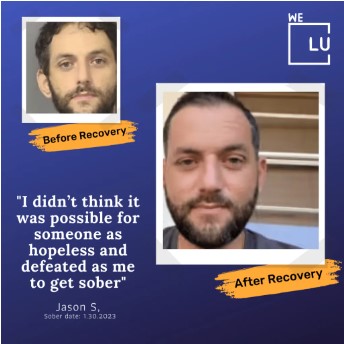
See our authentic success stories. Get inspired. Get the help you deserve.
Start a New Life
Begin with a free call to a behavioral health treatment advisor. Learn more about our dual-diagnosis programs. The We Level Up treatment center network delivers recovery programs that vary by each treatment facility. Call to learn more.
- Personalized Care
- Caring Accountable Staff
- Comfortable Amenities
- Licensed & Accredited
- Renowned w/ 5-Star Reviews