

Free Online Mental Health Assessment & Evaluation
IWe Level Up is offering Free 24/7 hotline & assessments help. With an mental health assessment you can take your first step to get better now! Call Today!
Editor Yamilla Francese
Clinically Reviewed by Lauren Barry, LMFT, MCAP, QS
Medically Reviewed by Ali Nikbakht, PsyD
Updated on June 10, 2026 — Editorial Policy | Research Policy
Mental Health Assessment: What to Expect and Why It Matters
Many people can tell when something isn’t right. You might be sad for weeks. You might worry all the time. You might not sleep well or feel like you want to be alone. You might not know what’s wrong yet. The answer to that question is a mental health assessment.
These steps look at your daily life, mood, thoughts, and behaviour. It gives clear information about what you are experiencing. It also guides the next steps for care. If you don’t know where to start, We Level Up FL can help. We offer a structured mental health evaluation. It can give you clarity and direction.
Ready to get started? Call (888) 861-4486 or email verifyadmissions@welevelup.comtoday. A better life is waiting for you.
Table of Contents
What Is a Mental Health Assessment?
A mental health assessment is a detailed evaluation of your emotional and psychological well-being. A licensed provider asks questions, reviews symptoms, and may use screening tools. The goal is to identify concerns such as anxiety, depression, trauma, bipolar disorder, or substance use issues.
This process is not a test of whether you are good at or bad at it. The professionals will better understand your needs after this talk. The source might get more information if someone says they have panic attacks, trouble sleeping, and racing thoughts. What kind of symptoms do you have, how often do they happen, and how do they affect your daily life?
Mental Health Assessment Online
Take our Online Mental Health Assessment Near Me

Welcome to the Mental Health Assessment online. Remember that this quiz is not a substitute for professional assessment or diagnosis. It serves as a basic self-assessment tool to help individuals reflect on their mental health and seek appropriate support if needed. If you're struggling with your mental health, please consider reaching out to a mental health professional for a comprehensive evaluation and guidance.
*By taking this free quiz, you may obtain your results online and in your email box. You’ll have the opportunity to opt-in to learn more about your symptoms, talk to a mental health consultant and join our newsletter. Rest assured your information is private and confidential. Results, consultations and assessment are provided without any cost to you and without any obligation. If you do not wish to provide your contact information, you may omit it during your quiz. Thank you for opting in and participating. To you best of health.
Mental Health Overview
Mental illness, often called mental health disorders, encompasses a broad spectrum of mental health conditions that impact a person’s mood, cognition, and behavior. These conditions include but are not limited to, depression, anxiety disorders, schizophrenia, eating disorders, and addictive behaviors.
It’s common for individuals to experience occasional mental health concerns. However, a mental health concern is categorized as a mental illness when persistent signs and symptoms create consistent stress and impair one’s ability to function effectively.
Mental illness can lead to profound distress and disrupt various aspects of daily life, such as academic or occupational performance and interpersonal relationships. In many instances, a combination of medication and psychotherapy (talk therapy) can effectively manage the symptoms associated with mental illness.
What Are Common Mental Health Assessment Tools?
Healthcare professionals and mental health practitioners use several common mental health assessment tools and questionnaires to evaluate and diagnose mental health conditions. These tools gather information about an individual’s emotional and psychological well-being. Here are some standard mental health assessment tools:
- Patient Health Questionnaire-9 (PHQ-9): This is a self-report questionnaire used to assess the severity of depression. It consists of nine questions about depressive symptoms over the past two weeks.
- Generalized Anxiety Disorder 7 (GAD-7): Similar to the PHQ-9, the GAD-7 is a self-report questionnaire that assesses the severity of generalized anxiety disorder. It includes seven questions about anxiety symptoms.
- Hamilton Rating Scale for Depression (HAM-D): This is a clinician-administered questionnaire used to assess the severity of depression. It involves a structured interview and observation of the patient’s behavior.
- Beck Depression Inventory (BDI): This self-report questionnaire assesses the intensity of depression symptoms and includes 21 multiple-choice questions.
- Hamilton Anxiety Rating Scale (HAM-A): Like the HAM-D, this is a clinician-administered scale used to assess the severity of anxiety symptoms. It includes 14 items.
- Mini International Neuropsychiatric Interview (MINI): The MINI is a structured diagnostic interview used to assess various psychiatric disorders, including mood disorders, anxiety disorders, and psychotic disorders.
- The Columbia-Suicide Severity Rating Scale (C-SSRS): This tool assesses suicidal ideation and behavior. It helps in evaluating the risk of suicide.
- The Yale-Brown Obsessive-Compulsive Scale (Y-BOCS): This is used to assess the severity of obsessive-compulsive disorder (OCD) symptoms.
- Structured Clinical Interview for DSM-5 (SCID): The SCID is a comprehensive diagnostic tool used to assess various mental disorders as outlined in the Diagnostic and Statistical Manual of Mental Disorders (DSM-5).
- Mini-Mental State Examination (MMSE): Although primarily used for assessing cognitive function, the MMSE can also provide insights into potential mental health issues, particularly in the elderly.
- Zung Self-Rating Anxiety Scale (SAS) and Zung Self-Rating Depression Scale (SDS): These self-report scales assess the severity of anxiety and depression symptoms, respectively.
These assessment tools help clinicians and mental health professionals gather valuable information about a person’s mental health, aiding in diagnosis and treatment planning. The choice of tool often depends on the specific mental health concerns and the healthcare provider’s preferences.
Once you have finished responding to the Mental Health Assessments near me, click “submit” and patiently await your results. Sharing your test results with a professional healthcare counselor to gain valuable insights. If you require assistance, don’t hesitate to call the We Level Up treatment center advocates for a free mental health assessment, evaluation, and consultation. Rest assured that there is no obligation attached to this consultation, and your call will remain confidential and free of charge. Your well-being is our priority, and we are here to offer guidance and resources during this time.
Get Help. Get Better. Get Your Life Back.
Searching for Accredited Dual Diagnosis Mental Health Centers Near You?
Even if therapy failed previously, or are in the middle of a difficult crisis, we stand ready to support you. Our trusted behavioral health specialists will not give up on you. When you feel ready or just want someone to speak to about counseling alternatives to change your life call us. Even if we cannot assist you, we will lead you to wherever you can get support. There is no obligation. Call our hotline today.
FREE 24/7 Dual Diagnosis Mental Health Services HotlineWhy Mental Health Screening Is Important
A mental health screening is often the first thing that people do to get help. It helps find early signs of trouble before things get worse.
Many people take too long to seek assistance. They may think that how they feel will go away. They do sometimes. Sometimes, the signs get worse over time.
Screening allows providers to:
- Identify warning signs
- Understand symptom patterns
- Recommend the right level of care.
Early evaluation often leads to better results.
What Happens During a Psychological Assessment?
A psychological assessment may include several parts. First, the provider asks about your current concerns. You may discuss sleep habits, appetite changes, mood shifts, or stress levels. Second, they review your history. This includes medical background, family mental health history, and past trauma.
Third, they may use structured forms or questionnaires. These are known as mental health assessment tools. These tools measure symptoms such as anxiety levels or depression severity. They give a clearer picture of your emotional state.
Learn More:
- Mental Health Disorders List. Types and Examples of Mental Health Disorders.
- How Can You Access Mental Health Services? Mental Health Services Near Me.
- Free Online Mental Health Tests, Screening Tools, Quizzes, & Self Assessments
- Mental Health Evaluation for Mental Illness Treatment
- How to Improve Mental Health? 8 Steps for Mental Wellbeing
- Is ADHD a Mental Illness? Understanding the Symptoms
- Prayer For Mental Health And Understanding Mental Illness
- Top 10 Mental Health Symbols, Meanings, & Raising Awareness
- Mental Health Tattoos
- Mental Health Poems that are Powerful and Healing
Mental Health Assessment For General Relief PDF
World-class, Accredited, 5-Star Reviewed, Effective Mental Health Dual Diagnosis Programs. Complete Integrated Inpatient Rehab with Free Post Discharge Therapy Planning.
CALL (855) 940-6125End the Emotional Pain Rollercoaster. Gain Stability & Happiness Through Recovery Treatment. Start Mental Health Counseling Today. Get Free No-obligation Guidance by Behaviroal Health Specialists Who Understand Mental Health Recovery.
Common Mental Health Assessment Tools
Providers use different mental health assessment tools based on your symptoms.
Some examples include:
A provider may also complete a diagnostic mental health test. This test helps determine whether symptoms meet criteria for specific conditions.
What Conditions An Assessment Identifies
A mental health assessment can help identify:
- Anxiety disorders
- Major depression
- Bipolar disorder
- Post-traumatic stress disorder.
- Substance use disorders
More than one disease can show up at the same time. This is known as dual diagnosis. For instance, someone might be depressed and drink to deal with it. A full review ensures that both issues are addressed simultaneously. For instance, someone who says they have mood swings might fill out a structured form to see if they might have bipolar illness. They help doctors make correct diagnoses and plan effective treatments.
What Conditions An Assessment Identifies
A mental health assessment can help identify:
- Anxiety disorders
- Major depression
- Bipolar disorder
- Post-traumatic stress disorder
- Substance use disorders
More than one disease can show up at the same time. This is known as dual diagnosis. For instance, someone might be depressed and drink to deal with it. A full review ensures that both issues are addressed simultaneously.
How Long Does the Assessment Take?
The time of an assessment varies from person to person. Some screenings take less than an hour. For more thorough evaluations, you may need more than one visit. It feels safe and polite for providers to move at a certain speed. You are welcome to share freely and ask questions. We’re not trying to rush. The goal is to be clear.
What Happens After the Assessment?
After an assessment, the provider explains the findings. They discuss possible diagnoses and treatment options.
You may receive recommendations such as:
- Individual therapy
- Medication management
- Group therapy
- Structured programs
If the symptoms are not too bad, therapy once a week may be adequate. If the symptoms are bad, you might need more attention.
Levels of Care
A diagnostic mental health test helps determine the right level of care.
Options may include:
- Inpatient Programs
- PHP
- Residential treatment
Residential care provides people with full-time support in a safe place. Intensive outpatient care gives you freedom while you go through organized therapy. Every plan is made just for you.

End the Emotional Pain. Get Your Life Back.
Feeling Depressed, Anxious or Struggling with Mental Health Illness? Get Safe Comfortable Mental Health Dual Diagnosis High-Quality Therapy From Counselors That Care. Begin Your Recovery Now.
Hotline (855) 940-6125Why Choose We Level Up FL
Choosing where to complete your mental health assessment matters. We Level Up FL offers psychiatric evaluations and full psychological assessments.
- We provide medication management and Cognitive Behavioral Therapy.
- We also offer trauma-informed therapy and medical detox.
- We provide residential treatment, PHP, and Inpatient Programs.
When it’s necessary, we treat drug abuse, trauma, depression, anxiety, and bipolar disorder all at the same time. Our team knows that drug and mental health issues often go hand in hand. We take your review seriously and handle it with care. Long-term security is more important to us than quick labels.
Ready to get started? Call (888) 606-5120 or email verifyadmissions@welevelup.com today. A better life is waiting for you.
Examples of How Assessment Leads to Change
Consider a woman who reports feeling tired, hopeless, and withdrawn. A screening reveals major depression. With therapy and medication, her energy improves.
Imagine a man who suffers from insomnia and racing thoughts. A standardized assessment identifies bipolar disorder. Mood swings can be controlled with the right care.
Consider someone who uses alcohol to calm anxiety. Assessment reveals both anxiety disorder and substance use disorder. Dual diagnosis care treats both together. Each example shows how clarity leads to effective care.
Red Flags That Signal You May Need Psychological Testing
You may benefit from a mental health screening if you notice:
- Mood changes lasting more than two weeks
- Trouble functioning at work or school
- Loss of interest in activities
- Increased substance use
- Thoughts of self-harm
Seeking help early is a sign of strength.
Frequently Asked Questions
What is a mental health assessment?
It is a skilled assessment of mental and emotional health that is used to find mental health problems.
What are mental health assessment tools?
They are structured questionnaires or rating scales used to measure symptoms such as anxiety or depression.
What is a psychological assessment?
There are interviews, a review of the person’s medical background, and screening forms that are used in this thorough evaluation to find out about mental health issues.
What is a mental health screening?
An early evaluation process is used to detect possible emotional or behavioral issues.
What is a diagnostic mental health test?
It is a structured evaluation used to determine whether symptoms meet criteria for specific mental health disorders.
How does We Level Up FL help?
We Level Up FL provides comprehensive mental health screening, psychiatric evaluations, therapy, medication management, residential treatment, and dual diagnosis programs tailored to each individual’s needs.
Take a Step Forward
If you have been wondering what is wrong but cannot find the words, a mental health assessment can bring answers. You do not have to keep guessing. You do not have to carry silent confusion.
We Level Up FL pays close attention when you talk. We check everything out. We make a plan that works for you. If you have anxiety, depression, PTSD, or an addiction, you can get organized care that starts with understanding.
Call We Level Up FL at (855) 940-6125 for a psychological evaluation. Let this be the moment you choose clarity over confusion, direction over doubt, and real healing over silent suffering.
Ready to get started? Call (888) 606-5120 or email verifyadmissions@welevelup.com today. A better life is waiting for you.
8 Steps & Tips for Maintaining Your Mental Wellbeing Informative Video
Experience Transformative Recovery at the We Level Up Treatment Center.
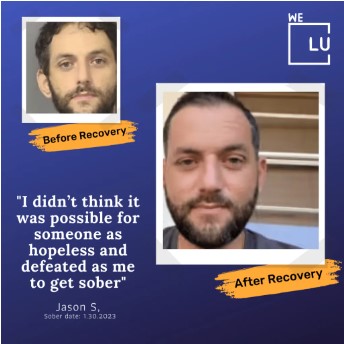
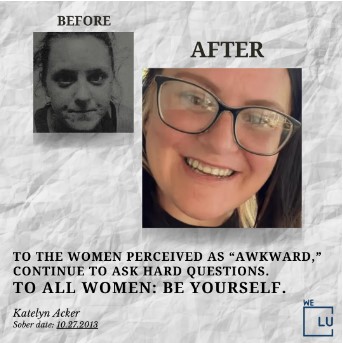
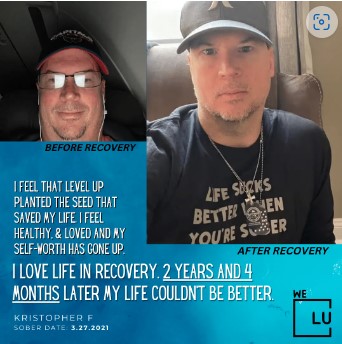
See our authentic success stories. Get inspired. Get the help you deserve.
Start a New Life
Begin with a free call to a behavioral health treatment advisor. Learn more about our dual-diagnosis programs. The We Level Up treatment center network delivers recovery programs that vary by each treatment facility. Call to learn more.
- Personalized Care
- Caring Accountable Staff
- Comfortable Amenities
- Licensed & Accredited
- Renowned w/ 5-Star Reviews
