

Anosognosia: Improving Awareness and Mental Health

Living with anosognosia can make daily life confusing and stressful. People may not notice changes in their thinking, memory, or feelings, which can make it hard to follow treatment or get help. Families and friends often feel worried or frustrated when loved ones refuse care. This lack of awareness can affect work, school, and home life, making small tasks feel harder. At We Level Up Tamarac, programs focus on helping people notice symptoms and take part in treatment. Therapy, mindfulness, and support help patients improve awareness, feel safer, and enjoy daily activities. Early care can restore mental health and make life easier for both patients and their families.
Table of Contents
Get Help. Get Better. Get Your Life Back.
Searching for Accredited Dual Diagnosis Mental Health Centers Near You?
Even if therapy failed previously, or are in the middle of a difficult crisis, we stand ready to support you. Our trusted behavioral health specialists will not give up on you. When you feel ready or just want someone to speak to about counseling alternatives to change your life call us. Even if we cannot assist you, we will lead you to wherever you can get support. There is no obligation. Call our hotline today.
FREE 24/7 Dual Diagnosis Mental Health Services HotlineWhat Is Anosognosia?
Anosognosia is when a person cannot see or recognize their own illness. It can happen after brain problems, injuries, or with mental health conditions. The National Institutes of Health (NIH) reports that about 30% of people who have a stroke may have anosognosia. This means they do not notice their difficulties, which can make care and recovery harder. Getting professional help is very important to keep patients safe and support recovery.
People with anosognosia may deny problems even when family or doctors notice them. They might not realize their memory, thinking, or mood is changing. They may act like everything is normal or refuse treatment. This lack of awareness can make daily life harder. Therapists and doctors use simple tests and questions to see how much a person understands about their condition. These evaluations help create a care plan that is easy to follow and meets each person’s needs.
Anosognosia affects both thinking and feelings. Changes in the brain, long-term stress, illness, or trauma can cause it. Early recognition of the condition allows doctors and therapists to plan therapy that works best for the patient. Through consistent care, therapy, and support, patients can slowly begin to notice their symptoms. Over time, they can follow treatment better, improve their mental health, and feel safer. Recognizing the condition early helps both patients and their families feel more confident and supported in daily life.
Anosognosia Facts Sheet
The management of this condition is complicated. Because of many causes, the management is with an interprofessional team that includes a neurologist, psychiatrist, mental health nurse, primary care physician, and psychotherapist.
Anosognosia differs from denial, a psychological defense mechanism that involves avoiding or rejecting information that provokes stress or pain. With denial, the patient may acknowledge a deficit, minimize its consequences, and avoid treatments to remedy the deficiencies. Anosognosia also differs from a more global derangement, such as encephalopathy, where there may be problems with wakefulness and attention. It differs from other deficits, such as visual, sensory, and cognitive, limiting patients’ ability to realize their deficits.
Anosognosia can impair rehabilitation and recovery because patients who lack awareness of a deficit may be less inclined to participate in rehabilitation therapy to tackle neurological dysfunction. Patients with this condition also may suffer more frequent falls due to their lack of awareness of their deficits. Health providers may need to take safety precautions that they see fit to avoid injury.

End the Emotional Pain. Get Your Life Back.
Feeling Depressed, Anxious or Struggling with Mental Health Illness? Get Safe Comfortable Mental Health Dual Diagnosis High-Quality Therapy From Counselors That Care. Begin Your Recovery Now.
Hotline (855) 940-6125Signs You May Need Anosognosia Treatment
- Forgetting instructions from doctors
- Denying health or mental problems
- Ignoring memory or thinking issues
- Not noticing mood or behavior changes
- Refusing therapy or medicines
- Acting unaware of limits or safety risks
- Minimizing symptoms others see
Why Choose We Level Up Tamarac for Anosognosia Treatment?
We Level Up Tamarac provides special care for people with anosognosia and other mental health challenges. Our team includes doctors, therapists, and trained staff who work together to help each patient. We carefully look at each person’s symptoms and make a plan just for them. This plan focuses on improving awareness, safety, and mental health. Patients learn to notice their condition and follow treatment more easily. Families also get support and guidance to understand what their loved one is experiencing. The goal is to help patients feel more confident, safe, and supported every day.
Our programs use therapy, mindfulness, and simple exercises to help the brain and thinking skills. Cognitive-behavioral therapy (CBT) helps patients recognize problems and change negative thinking. Mindfulness teaches patients how to focus on the present and understand their feelings. Staff track each patient’s progress and adjust the plan when needed. We also provide support for daily life skills and social connections. By choosing We Level Up Tamarac, patients get safe, private care that helps them regain awareness, follow treatment, and improve mental health. Our goal is to help people feel more aware, capable, and connected to their families and community.
First-class Facilities & Amenities
World-class High-Quality Mental Health Services & Behavioral Health Substance Abuse Treatment
Rehab Centers TourRenowned Mental Health Centers. Serene Private Facilities. Inpatient Rehab Programs Vary.
Mental Health Helpline (855) 940-6125Proven recovery success experience, backed by a Team w/ History of:
15+
Years of Unified Experience
100s
5-Star Reviews Across Our Centers
10K
Recovery Successes
- Comprehensive Dual-Diagnosis Treatment
- Complimentary Family & Alumni Programs
- Coaching, Recovery & Development Events
- Comfortable Onsite Medical Detox Center
What to Expect During Anosognosia Treatment?
Treatment for anosognosia begins with checking a patient’s awareness and thinking skills. Staff ask simple questions and use easy forms to see what the person notices about their health. This helps them understand how much the patient knows about their condition. Based on this, a care plan is made for each person. The plan is simple and easy to follow. Patients and their families are guided on how therapy will work and what support they will get at home and in daily life.
Therapy can include cognitive-behavioral therapy (CBT), mindfulness exercises, and group support sessions. CBT helps patients see problems and change negative thoughts. Mindfulness teaches patients to focus on the present and notice their feelings. Group sessions let patients share experiences and learn from others. During therapy, patients practice new skills to follow treatment and notice their symptoms. Staff watch progress closely and adjust the care plan when needed. This helps ensure patients get the support that works best for them.
Treatment also teaches patients how to prevent setbacks. They learn to notice early signs of ignoring problems or refusing care. Staff help patients practice skills and coping strategies every day. Support from family and therapists keeps improvements steady. The goal of treatment is for patients to regain awareness, stay safe, follow therapy, and improve their mental health. Over time, patients feel more confident, understand their condition better, and take part in daily activities with more independence and safety.
How to Get Started with Anosognosia Treatment?
Starting care at We Level Up Tamarac is simple and stress-free. Call (888) 861-4486 or email verifyadmissions@welevelup.com to schedule your first visit. Staff will help check insurance, complete forms, and answer any questions. They guide patients and families through every step. Early care helps patients notice their condition, follow treatment, and stay safe. Taking the first step can improve daily life, mental health, and family support. You can start therapy, learn new skills, and receive one-on-one guidance right away. Our team is ready to help patients feel aware, supported, and more confident in their recovery journey.Benefits of Anosognosia Treatment
- Stronger social and family connections
- Care for mental health and brain awareness
- Personalized recovery plans
- Safe and supportive environment
- Improved understanding and treatment adherence
- Better daily functioning and mood
World-class, Accredited, 5-Star Reviewed, Effective Mental Health Dual Diagnosis Programs. Complete Integrated Inpatient Rehab with Free Post Discharge Therapy Planning.
CALL (855) 940-6125End the Emotional Pain Rollercoaster. Gain Stability & Happiness Through Recovery Treatment. Start Mental Health Counseling Today. Get Free No-obligation Guidance by Behaviroal Health Specialists Who Understand Mental Health Recovery.
FAQs About Anosognosia
What is anosognosia?
Anosognosia is when a person does not see or understand their own illness. Early treatment helps patients notice problems and get better. Simple therapy and support can make daily life safer and easier.
What are the symptoms?
Symptoms include saying nothing is wrong, refusing help, ignoring advice, and not noticing memory or thinking problems. Families may see changes before the patient does.
Who can get anosognosia?
Anosognosia can happen to people who have certain brain or mental health conditions. It is common after a stroke, brain injury, or illnesses that affect the brain. A person with anosognosia may not realize they are sick or need help. They may act normally, but they often still need support from doctors, family, or caregivers to stay safe.
Can therapy help with anosognosia?
Yes. CBT, mindfulness, and exercises for the brain help patients notice problems and take part in care. Therapy also teaches skills for daily life.
How is anosognosia linked to the lack of insight disorder?
Anosognosia is a neurological insight condition. Patients have trouble seeing their health needs and may say they do not need help.
Is anosognosia permanent?
No. Early therapy helps patients notice their condition. With practice, they can follow treatment, regain skills, and improve thinking and safety.
How can family and friends help?
Loved ones can listen, be patient, and give small reminders. Simple support helps patients feel safer, try therapy, and notice symptoms.
How long does it take to feel better?
Recovery is different for everyone. Some feel better in weeks, others in months. Daily therapy, practice, and support help awareness grow slowly but steadily.
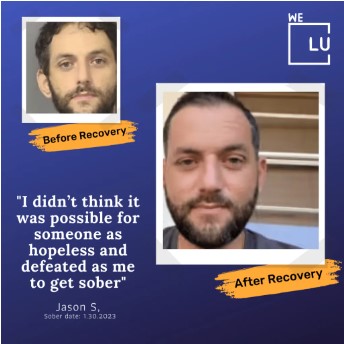
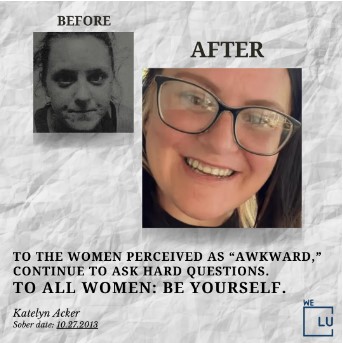
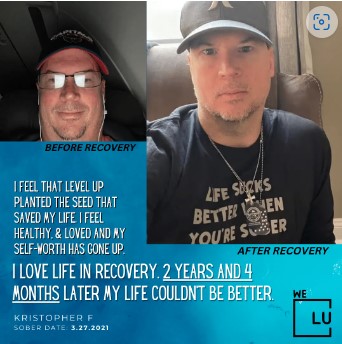
Experience Transformative Recovery at the We Level Up Treatment Center.
See our authentic success stories. Get inspired. Get the help you deserve.
Start a New Life
Begin with a free call to a behavioral health treatment advisor. Learn more about our dual-diagnosis programs. The We Level Up treatment center network delivers recovery programs that vary by each treatment facility. Call to learn more.
- Personalized Care
- Caring Accountable Staff
- Comfortable Amenities
- Licensed & Accredited
- Renowned w/ 5-Star Reviews