

Understanding what is paranoia is the first step toward finding peace in your daily life. This condition involves intense feelings that other people are out to get you or hurt you. You might feel very suspicious even when there is no proof of any real danger. Finding the right help is vital for a healthy and very happy life. When these scary thoughts take over your daily life, it is hard to find any peace. You might feel lost, scared, or alone, but you do not have to fight this. Professional help gives you a safe space to focus on getting better and much stronger. We Level Up Tamarac FL offers the expert care and support you need to recover. Reclaim your happiness today and let our team guide you to a life of wellness.
Ready to get started? Call (888) 861-4486 or email verifyadmissions@welevelup.comtoday. A better life is waiting for you.

Table of Contents
World-class, Accredited, 5-Star Reviewed, Effective Mental Health Dual Diagnosis Programs. Complete Integrated Inpatient Rehab with Free Post Discharge Therapy Planning.
CALL (855) 940-6125End the Emotional Pain Rollercoaster. Gain Stability & Happiness Through Recovery Treatment. Start Mental Health Counseling Today. Get Free No-obligation Guidance by Behaviroal Health Specialists Who Understand Mental Health Recovery.
What Are the Symptoms of Paranoia?
Paranoia is a mental state where you feel a constant sense of threat from others. It often impacts how you think and how you act around your friends and your family. You might feel that people are watching you or talking about you behind your back. This cycle can happen for a long time and cause many health problems for your body.
Professional help for what is paranoia is crucial for your long term health and safety. These issues are very tough to handle alone without the right medical tools and support. A residential behavioral health center has skilled staff who know how to treat these complex issues. Trying to heal without help can lead to major health risks that are dangerous for you.
The National Institute of Mental Health says many adults struggle with various types of delusional and paranoid thoughts. Many people need focused care to manage their conditions safely and build a healthy new life. Knowing you are not alone can make it easier to reach out for the help you need. Effective treatment saves lives and helps families heal from the pain of these daily struggles.
Signs You May Need Paranoia Treatment
- Feeling that people are constantly watching you or following you in public.
- Having a hard time trusting your friends or your close family members.
- Believing that there are hidden meanings in what other people say to you.
- Feeling a sudden urge to hide or stay away from other people.
- Avoiding talking about your fears due to major fear and deep shame.
- Dealing with regular feelings of being targeted by groups or the government.
- Having a hard time feeling safe in your own home or neighborhood.
Paranoia Disorder Fact Sheet
What is Paranoia? It may be challenging to trust others if you have a disease called Paranoid Personality Disorder. It may lead to unfounded assumptions about other people, such as “They don’t like me,” “They’re making fun of me,” or even “They’re planning against me.” Sometimes, no amount of proof will persuade you to the contrary. The result may be genuine clinical paranoia. Even though you might not believe all of the irrational thoughts that cross your mind, you do.
What Paranoia Means?
What is Paranoia disorder? Paranoia’s meaning can be boiled down to when one feels threatened, even though no evidence supports it. You may believe someone is watching you or trying to harm you. Many people eventually experience it. Even if you know that your worries are unfounded, they can be upsetting if they occur too frequently.
What Causes Paranoia?
What’s Paranoia mean, and what causes Paranoia? More severe clinical paranoia exists. When there is no evidence, you may have an uncommon mental health condition in which you think people are intentionally trying to harm or being unfair to you. You don’t believe you are being paranoid since you are convinced it is true. According to the proverb, it’s not paranoia if someone is trying to harm you.
Symptoms of Paranoia
- Constant stress or anxiety related to beliefs they have about others
- Mistrust of others
- Feeling disbelieved or misunderstood
- Feeling victimized or persecuted when there isn’t a threat
- Isolation
Signs of Paranoia
Signs of Paranoia can vary depending on the underlying cause and individual experiences. However, common signs and symptoms of paranoia may include:
- Unjustified mistrust and suspicion: Feeling constantly suspicious of other people’s intentions, believing others are out to harm or deceive them, or misinterpreting innocent actions as malicious.
- Hypervigilance: Being excessively watchful, constantly scanning the environment for potential threats or signs of danger.
- Social withdrawal: Avoiding social interactions or isolating oneself due to fear or mistrust of others.
- Difficulty forming and maintaining relationships: Finding it challenging to build trust with others, leading to limited or strained relationships.
- Sensitivity to criticism: Perceiving innocent comments or feedback as personal attacks or insults.
- Reluctance to disclose personal information: Fearful of sharing personal information or thoughts due to concerns that others may use it against them.
- Excessive secrecy: Engaging in secretive behaviors, being overly cautious about sharing personal belongings, or going to great lengths to protect one’s privacy and belongings.
- Misinterpretation of neutral actions: Frequently misinterpreting neutral behaviors as intentional attempts to harm or deceive.
- Difficulty letting go of grudges: Holding onto perceived slights or wrongdoings for an extended period and struggling to forgive or forget.
- Perception of being watched or followed: Believing that one is being monitored or followed by others, even without evidence.
These signs alone do not necessarily indicate clinical paranoia. A proper diagnosis can only be made through a comprehensive evaluation by a qualified mental health professional. If you or someone you know is experiencing symptoms of Paranoia, it is advisable to seek professional help for accurate assessment and guidance.
Top 10 Synonyms of Paranoia
Here are some synonyms of paranoia:
- Suspicion
- Mistrust
- Distrust
- Delusion
- Misbelief
- Phobia
- Fearfulness
- Hypervigilance
- Overdoubt
- Persecutory beliefs
The above synonyms of Paranoia may have slightly nuanced differences in their meanings, but they generally capture the sense of extreme, unfounded suspicion or fearfulness that characterizes paranoia.
Paranoia Treatments
Medication and psychotherapy are possible forms of treatment, depending on the origin and severity of the symptoms.
- Support group: A place where those pursuing the same disease or objective, such as weight loss or depression, can receive counseling and exchange experiences.
- Cognitive behavioral therapy: A conversation treatment that aims to change the negative attitudes, actions, and feelings connected to psychiatric discomfort.
- Counseling psychology: A subfield of psychology that handles issues with the self that are related to work, school, family, and social life.
- Anger management: To reduce destructive emotional outbursts, practice mindfulness, coping skills, and trigger avoidance.
- Psychoeducation: Mental health education that also helps individuals feel supported, validated, and empowered
- Family therapy: psychological counseling that improves family communication and conflict resolution.
Good Questions for Paranoia
When interacting with someone experiencing paranoia, it’s important to approach with empathy and understanding. Here are some good questions to ask:
- Can you help me understand how you’re feeling right now?
- What specific thoughts or beliefs are causing you the most distress?
- Are there any triggers or specific situations that make your paranoia worse?
- How long have you been experiencing these thoughts and feelings?
- Have you noticed any patterns or common themes in your paranoid thoughts?
- Are there any coping strategies or techniques that have helped you in the past when feeling paranoid?
- How can I best support you when you’re feeling paranoid?
- Are any activities, distractions, or relaxation techniques temporarily relieving your paranoia?
- Have you spoken to a healthcare professional or therapist about your experiences? If not, would you be open to it?
- Is there anything I can do to help create a sense of safety or reassurance for you?
Allow the person to express themselves openly and without judgment. Active listening and validating their experiences can be crucial in providing support. Encourage them to seek professional help and be patient and understanding.
Paranoia Statistics
What is Paranoia disorder? When you feel threatened, even though no evidence supports it, you may believe someone is watching you or trying to harm you. Many people eventually experience it. Even if you know that your worries are unfounded, they can be upsetting if they occur too frequently.
4.4%
From 2.3 to 4.4% of the general US population is estimated to have a paranoid personality disorder.
Source: National Institute on Mental Health
4%
According to estimates, 2.3 and 4% of adult Americans in the United States are thought to have a paranoid personality disorder.
Source: National Institute on Mental Health
17.0%
Prevalence in psychiatric clinics ranges from 2 – 10% and 10 – 30% in psychiatric inpatient hospitals.
Source: National Institute of Mental Health


End the Emotional Pain. Get Your Life Back.
Feeling Depressed, Anxious or Struggling with Mental Health Illness? Get Safe Comfortable Mental Health Dual Diagnosis High-Quality Therapy From Counselors That Care. Begin Your Recovery Now.
Hotline (855) 940-6125The Importance of Professional Care
Getting professional help is vital because these thoughts can hurt your mind in many deep ways. Constant fear can damage your heart and your brain if the habit lasts too long. You might also miss out on the peace you need to stay strong and feel good. Experts at a treatment center can stop this cycle and keep your body safe and healthy.
We provide a safe space where you can focus on the root of the problem. Our team looks at why you feel fear and helps you find new ways. You get to work with doctors who understand the science behind your mental health issues. This level of care ensures that every part of your health is being watched closely.
Living with these fears can make you feel very lonely and cut off from friends. Professional care brings you back into a community of people who want to see you succeed. You will learn that you are not the only one facing these tough daily battles. We give you the strength to face your fears and build a better future today.
First-class Facilities & Amenities
World-class High-Quality Mental Health Services & Behavioral Health Substance Abuse Treatment
Rehab Centers TourRenowned Mental Health Centers. Serene Private Facilities. Inpatient Rehab Programs Vary.
Mental Health Helpline (855) 940-6125Proven recovery success experience, backed by a Team w/ History of:
15+
Years of Unified Experience
100s
5-Star Reviews Across Our Centers
10K
Recovery Successes
- Comprehensive Dual-Diagnosis Treatment
- Complimentary Family & Alumni Programs
- Coaching, Recovery & Development Events
- Comfortable Onsite Medical Detox Center

World-class, Accredited, 5-Star Reviewed, Effective Mental Health Dual Diagnosis Programs. Complete Integrated Inpatient Rehab with Free Post Discharge Therapy Planning.
CALL (855) 940-6125End the Emotional Pain Rollercoaster. Gain Stability & Happiness Through Recovery Treatment. Start Mental Health Counseling Today. Get Free No-obligation Guidance by Behaviroal Health Specialists Who Understand Mental Health Recovery.
Why Choose We Level Up Tamarac FL?
We Level Up Tamarac FL offers top-tier care made to fit your very specific needs. Our center has a calm and safe vibe to help you focus only on getting better. We have a team of kind experts who treat you with respect during your stay. You can trust our skilled staff to guide you through every part of your healing journey.
Our facility acts as a residential behavioral health center that treats the whole person, not symptoms. We use proven therapies to help you understand what is paranoia and how to manage it. Our team works with you to build a plan that fits your life and goals. This personal touch ensures you get the exact care needed to heal and grow well.
Choosing us means you get 24/7 care from people who truly care about your success. We help you plan for life at home and keep you connected to supportive friends. Our team wants you to succeed and gives you the resources to handle real life. We are here to help you build a life full of hope and free from pain.
Ready to get started? Call (888) 606-5120 or email verifyadmissions@welevelup.com today. A better life is waiting for you.
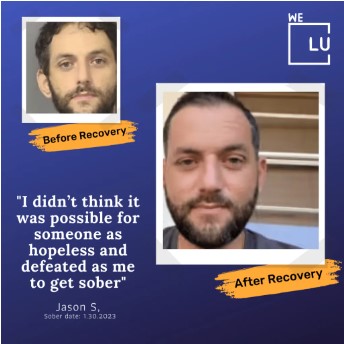
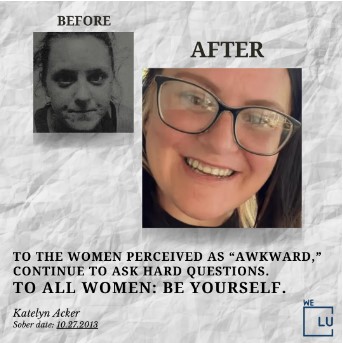
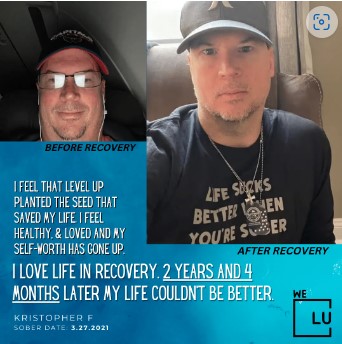
Experience Transformative Recovery at the We Level Up Treatment Center.
See our authentic success stories. Get inspired. Get the help you deserve.
Start a New Life
Begin with a free call to a behavioral health treatment advisor. Learn more about our dual-diagnosis programs. The We Level Up treatment center network delivers recovery programs that vary by each treatment facility. Call to learn more.
- Personalized Care
- Caring Accountable Staff
- Comfortable Amenities
- Licensed & Accredited
- Renowned w/ 5-Star Reviews
We’ll Call You
What to Expect During Paranoia Treatment
The path starts with a full check-up to see exactly what you need for your recovery. Doctors look at your health history to make a safe and effective mental care plan. This detailed look allows us to create a program that fits your specific emotional needs. You will feel safe knowing we have a plan just for you as you start.
Next, you engage in therapy sessions to learn about your condition and how to heal fast. You will talk in groups and one-on-one sessions to build new skills for your life. Therapists use methods like behavioral therapy to change the habits that make you feel bad. These talks help you feel good and give you confidence to face the world again.
We also teach you how to stay well after you leave our care and return home. You will learn to handle stress and triggers without falling back into old, harmful habits. We connect you with support groups near your home for help when you need it. We make sure you leave our center ready to live a healthy life of joy.
Benefits of Paranoia Treatment
- A safe place to heal away from the stress of daily life.
- Constant care from doctors and nurses day and night for your safety.
- Therapy to help you understand your mind and your thought habits better.
- Support from others who are going through the same hard life things.
- Learning tools to handle stress and emotions in very healthy, new ways.
Long-Term Recovery and Aftercare
Recovery does not end when you leave our center; it is a lifelong path of growth. We help you build a solid aftercare plan to keep you on the right track. This plan includes seeing a therapist and joining support groups in your local community area. Staying connected to help is the best way to ensure you stay healthy and strong.
Our team teaches you how to spot the signs of a relapse before it happens. You will have a list of tools to use when you feel stressed or sad. Knowing what to do in hard times gives you the power to stay in control. We want you to feel confident as you step back into your normal daily life.
We also offer mental health programs where you can stay in touch with our caring staff members. These programs let you share your success and get help if you ever feel stuck. You are always part of our family, and we are here for you forever. Long-term health is possible when you have a strong team standing right behind you.
Contact We Level Up Tamarac FL Today
Starting treatment for your thoughts is a brave choice that can save your life and future. You can call our team right now to talk about how we can help. We will check your insurance fast to tell you about the costs and help. Our team is here all day and night to answer questions and guide you.
FAQs About What Is Paranoia
What is the main goal of treatment for this condition?
The main goal is to stop the cycle of fear and suspicious thoughts about others. We want to help you learn how to feel safe and calm in your body. Treatment also focuses on the feelings and thoughts that lead to this harmful emotional pain. We aim to give you a healthy relationship with your mind and your own thoughts.
How do you treat paranoia in a residential setting?
We use talk therapy to teach you how to check your thoughts against real facts. Our staff provides a safe space to talk about your fears without feeling any shame. We also use group sessions to build a sense of community and shared healing goals. This whole-person approach helps you heal both your mind and your body together very well.
Is paranoia the same thing as being a little bit shy?
No, it is different because it involves a deep sense of danger from other people. Being shy is common, but paranoia affects how you see reality and your own safety. People with this condition often feel they are in danger even when they are safe. Expert care from a medical team is needed to fix these deep brain health patterns.
Can adults get help for paranoid thoughts at your facility?
We primarily focus on helping adults who are struggling with various mental and emotional issues. Our programs are tailored to the needs of grown-ups facing complex life and health challenges. If you are an adult seeking help, we have the right tools for you now. We can help you process your thoughts so you can find true peace.
How long does it take to see progress in treatment?
Many people start to see changes within the first few weeks of professional care today. The time it takes depends on how long you have had the paranoid signs. We work at your pace to ensure you feel safe and ready for change. Consistency and support are the keys to making progress that lasts for your whole life.
Do I need a doctor’s referral to start your program?
You do not need a referral from another doctor to call us for help today. You can reach out to our admissions team directly to start the process right now. We will conduct our own assessment to see if our program fits your needs. Our goal is to make starting treatment as easy and fast as possible for you.
Will I have a private room during my stay here?
Room setups can vary, so please ask our team about the current available options now. We strive to provide a comfortable and peaceful environment for every person we treat today. Your comfort is important to us because it helps you focus on your recovery. We will do our best to accommodate your needs and make you feel home.
What happens if I feel scared again after I leave?
If you have a setback, you should reach out to your support team immediately today. We provide you with an aftercare plan specifically for these types of tough moments. A relapse does not mean you failed; it means you need a little help. We are always here to guide you back to health and your recovery goals.
Ready to Get Started?
You do not have to fight the battle of your mind alone for one more day. We Level Up Tamarac FL is here to give you the expert treatment you need. Our team is ready to guide you to a life of health and peace. We offer a safe and supportive place where you can focus on getting better. We have the tools and the people to help you change your life now.
Mental health issues can make you feel like you have no hope, but that is false. You have the power to change your story with the right help and plan. We help people just like you break free from pain and find joy again. Do not let fear keep you from making the call that saves your life. You deserve to be healthy and free from the burden of this struggle.
Ready to get started? Call (888) 606-5120 or email verifyadmissions@welevelup.com today. A better life is waiting for you.