

Depression during pregnancy is more common than many people think. You may feel sad, tired, or worried most days. You might wonder why you do not feel happy about being pregnant. These thoughts can make you feel guilty or ashamed. Please know this is not your fault.
Antenatal depression, also called prenatal depression, is a real health condition. It is one of several pregnancy mental health issues that can affect women before birth. With the right support, depression treatment, and care, you can feel better. Getting help protects both you and your baby.
What Is Depression During Pregnancy?
Depression during pregnancy is a mood disorder that happens while you are expecting a baby. It causes deep sadness, low energy, and a loss of interest in daily life. These feelings last longer than a few days. They do not go away with rest or positive thinking.
Many people believe depression only happens after the baby is born. However, prenatal depression can start during any trimester. Hormone changes, stress, and life pressure all play a role.
Antenatal depression is not a weakness. It is not caused by being ungrateful. It is a medical condition that needs care and understanding.
Common Depression During Pregnancy Symptoms
Depression during pregnancy symptoms can be emotional and physical. Some signs may look like normal pregnancy changes, which can make them hard to spot.
Common symptoms include:
- Feeling sad or empty most days
- Crying often
- Trouble sleeping or sleeping too much
- Loss of appetite or overeating
- Low energy
- Feeling hopeless
- Trouble focusing
- Feeling guilty or worthless
- Thoughts of self-harm
If these symptoms last more than two weeks, speak to We Level Up FL. Early care can make a big difference.
Why Pregnancy Mental Health Issues Happen
Pregnancy mental health issues happen for many reasons. Hormone levels rise and fall quickly during pregnancy. These changes can affect mood and energy.
Stress also plays a major role. You may worry about money, work, housing, or relationships. If the pregnancy was unplanned, emotions can feel mixed and confusing.
Other risk factors include:
- Past depression or anxiety
- Trauma history
- Lack of family support
- Relationship conflict
- Substance use
Understanding these causes helps remove blame. Depression during pregnancy is not something you choose.
Skip To:
Get Help. Get Better. Get Your Life Back.
Searching for Accredited Dual Diagnosis Mental Health Centers Near You?
Even if therapy failed previously, or are in the middle of a difficult crisis, we stand ready to support you. Our trusted behavioral health specialists will not give up on you. When you feel ready or just want someone to speak to about counseling alternatives to change your life call us. Even if we cannot assist you, we will lead you to wherever you can get support. There is no obligation. Call our hotline today.
FREE 24/7 Dual Diagnosis Mental Health Services HotlineHow Prenatal Depression Affects Daily Life
Prenatal depression can make simple tasks feel hard. Getting dressed, cooking meals, or attending appointments may feel overwhelming. You may want to stay in bed most of the day. Some women feel disconnected from their pregnancy. You may struggle to feel excited or bonded with your baby. This can increase guilt and shame.
Depression during pregnancy symptoms can also affect relationships. You may withdraw from loved ones or feel easily irritated. These changes are part of the condition, not your personality.
Depression Fact Sheet
How Depression During Pregnancy Can Affect Your Baby
When a mother has untreated antenatal depression, stress levels in the body can stay high. Long-term stress may affect sleep, appetite, and overall health. Research shows that untreated depression during pregnancy may increase the risk of early birth or low birth weight. It may also affect bonding after birth.
The good news is that treatment lowers these risks. Taking care of your mental health is one of the best ways to protect your baby.
Learn More About Depression During Pregnancy PDF
When to Ask for Help
If depression during pregnancy symptoms last more than two weeks, it is time to talk to someone. You do not need to wait until things feel unbearable. Seek urgent help if you have thoughts of harming yourself. Call your doctor, visit an emergency room, or reach out to a crisis line right away.
You can also explore programs like residential mental health treatment if symptoms feel severe. Professional care provides structure and safety.
Treatment for Antenatal Depression
There are safe and effective treatments for antenatal depression. Your care team will choose options that protect both you and your baby.
Talk Therapy
Talk therapy is often the first step. A therapist helps you explore your feelings in a safe space. You learn ways to manage stress and negative thoughts. Cognitive Behavioral Therapy is common for depression during pregnancy. It helps you change unhelpful thought patterns and build healthy coping skills.
Medication Options
In some cases, medication may be needed. Doctors carefully review options to find medicines considered safe during pregnancy. Never stop or start medication without medical advice. Your doctor will explain the risks and benefits clearly.
Support Groups
Support groups connect you with other pregnant women facing similar struggles. Sharing stories reduces isolation and builds strength.

End the Emotional Pain. Get Your Life Back.
Feeling Depressed, Anxious or Struggling with Mental Health Illness? Get Safe Comfortable Mental Health Dual Diagnosis High-Quality Therapy From Counselors That Care. Begin Your Recovery Now.
Hotline (855) 940-6125
Healthy Habits That Support Recovery
Small daily habits can improve pregnancy mental health issues. These habits work best alongside therapy or medical care.
Helpful steps include:
- Going to bed at the same time each night
- Eating balanced meals
- Taking short walks
- Practicing deep breathing
- Limiting stress when possible
- Talking openly with trusted friends
Even small changes can improve mood over time. You deserve support and rest during pregnancy.
Depression During Pregnancy and Substance Use
Some women use alcohol or drugs to cope with sadness. This can harm both mother and baby. If substance use is involved, special care is needed.
Programs like dual diagnosis treatment treat both depression and substance use together. This approach improves safety and long-term health.
If you are struggling with both, reaching out early gives you and your baby the best chance for a healthy future.
First-class Facilities & Amenities
World-class High-Quality Mental Health Services & Behavioral Health Substance Abuse Treatment
Rehab Centers TourRenowned Mental Health Centers. Serene Private Facilities. Inpatient Rehab Programs Vary.
Mental Health Helpline (855) 940-6125Proven recovery success experience, backed by a Team w/ History of:
15+
Years of Unified Experience
100s
5-Star Reviews Across Our Centers
10K
Recovery Successes
- Comprehensive Dual-Diagnosis Treatment
- Complimentary Family & Alumni Programs
- Coaching, Recovery & Development Events
- Comfortable Onsite Medical Detox Center
How Partners and Family Can Help
If your loved one is facing depression during pregnancy, your support matters. Listen without judgment. Avoid telling them they should feel happy. Offer help with meals, chores, or appointments. Encourage them to speak with a doctor or therapist. Let them know they are not alone.
Simple acts of kindness reduce stress and improve recovery. Your support can make a powerful difference.
Planning for Emotional Health After Birth
Women who have prenatal depression may have a higher risk of postpartum depression. Planning ahead helps reduce this risk.
Talk to your provider about follow-up care after birth. Build a support plan before delivery. Arrange help with childcare, meals, or household tasks.
Taking these steps shows strength and wisdom. Caring for your mental health is part of caring for your baby.

World-class, Accredited, 5-Star Reviewed, Effective Mental Health Dual Diagnosis Programs. Complete Integrated Inpatient Rehab with Free Post Discharge Therapy Planning.
CALL (855) 940-6125End the Emotional Pain Rollercoaster. Gain Stability & Happiness Through Recovery Treatment. Start Mental Health Counseling Today. Get Free No-obligation Guidance by Behaviroal Health Specialists Who Understand Mental Health Recovery.
FAQs
-
Is depression during pregnancy common?
Yes. Many women experience antenatal depression. It is one of the most common pregnancy mental health issues.
-
What are common depression during pregnancy symptoms?
Common symptoms include sadness, low energy, sleep changes, guilt and loss of interest in activities.
-
Can prenatal depression harm my baby?
Untreated depression may increase certain risks, but treatment greatly reduces those risks.
-
Is therapy safe during pregnancy?
Yes. Talk therapy is safe and highly recommended for prenatal depression.
-
Can I take antidepressants while pregnant?
Some medications are considered safe. A doctor will review options carefully with you.
-
When should I seek emergency help?
Seek urgent help if you have thoughts of harming yourself or feel unable to care for yourself.
Tips for Maintaining Your Mental Well-being
Video Script
At We Level Up FL, we provide personalized mental health services tailored to each individual’s unique needs. Our team of skilled professionals collaborates closely with clients to create therapy programs that target their specific challenges and goals. With empathy and support, we empower individuals to actively participate in their mental health journey by equipping them with the necessary tools and strategies. We foster a safe, nurturing environment that encourages exploration, self-discovery, and personal growth. By actively listening to our clients, we develop customized therapy plans that address their unique challenges while considering their circumstances.
Experience Transformative Recovery at the We Level Up Treatment Center.
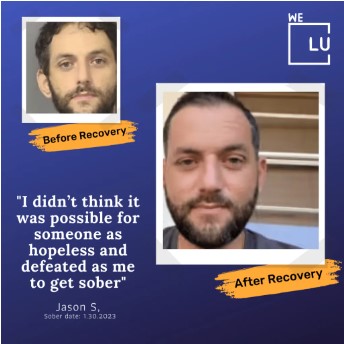
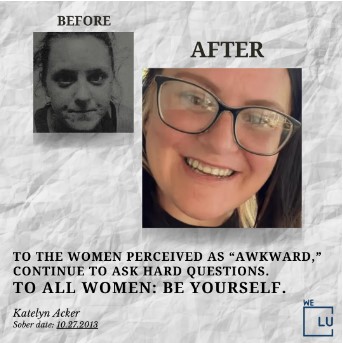
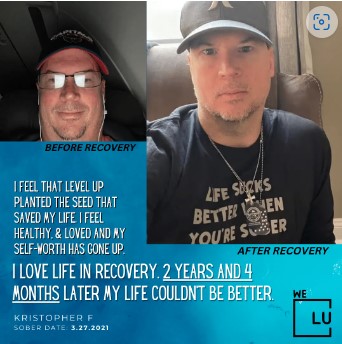
See our authentic success stories. Get inspired. Get the help you deserve.
Start a New Life
Begin with a free call to a behavioral health treatment advisor. Learn more about our dual-diagnosis programs. The We Level Up treatment center network delivers recovery programs that vary by each treatment facility. Call to learn more.
- Personalized Care
- Caring Accountable Staff
- Comfortable Amenities
- Licensed & Accredited
- Renowned w/ 5-Star Reviews
We’ll Call You
Search We Level Up FL Depression During Pregnancy Resources
You Are Not Alone and Help Is Available
Depression during pregnancy can feel heavy and confusing, but you do not have to face it alone. Antenatal depression is treatable, and many women recover with the right support. Therapy, medical care, and healthy habits can improve mood and protect your baby’s health. Reaching out for help shows strength, not weakness. If you are experiencing depression during pregnancy symptoms, contact We Level Up FL today. Support, hope, and healing are possible for you and your growing family.
Ready to get started? Call (888) 606-5120 or email verifyadmissions@welevelup.com today. A better life is waiting for you.