

Sometimes your body reacts before your mind can catch up. A sudden eye twitch. A shoulder jerk. A repeated throat sound you didn’t plan. These are often called anxiety tics, and they can feel confusing or even scary at first.
Anxiety doesn’t live in your thoughts. It shows up in the body, too. For many adults, stress and worry can trigger small, repeated movements or sounds that are hard to control. The good news? These symptoms are common, manageable, and treatable with the right support.
At We Level Up Florida, we help people understand what’s happening in their bodies and find real ways to calm it down. Let’s break this down step by step.
Ready to get started? Call (888) 861-4486 or email verifyadmissions@welevelup.comtoday. A better life is waiting for you.
Table of Contents
What are Anxiety Tics?
Anxiety tics are sudden, repeated movements or sounds that happen when your body is under stress. They are not done on purpose. They often show up during high anxiety, tension, or emotional overload.
Common examples include:
- Eye blinking or facial twitching
- Shoulder shrugging
- Jaw clenching
- Throat clearing or sniffing
These are often called anxiety twitching symptoms or stress-induced tics in adults.
Here’s the key difference: Tics caused by anxiety are usually tied to stress levels. When stress goes up, the tics get worse. When stress goes down, they often fade.
This is different from neurological tic disorders, which are more constant and not always linked to stress.
Anxiety affects over 40 million adults in the U.S., according to the National Institute of Mental Health. Many of them experience physical symptoms like muscle tension or twitching, yet don’t realize anxiety is the cause.
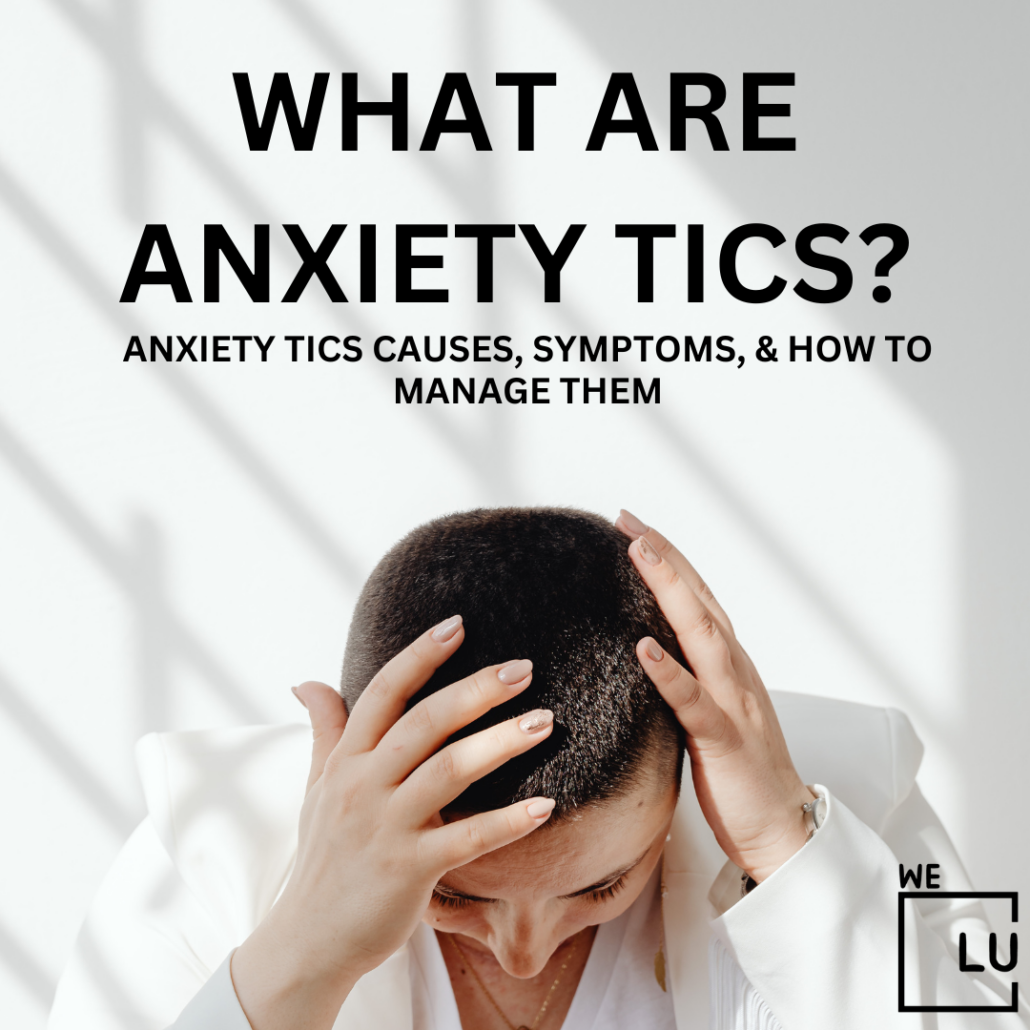
Signs You May Be Experiencing Anxiety Tics
Anxiety tics can be subtle or obvious. Some people notice them right away. Others only catch them after someone points them out.
Here are common signs:
- Repeated blinking, twitching, or muscle jerks
- Small sounds like throat clearing or sniffing
- Tics get worse during stress or strong emotions
- You feel the urge before the tic happens
- You can stop it briefly, but it builds tension
- Tics show up more when tired or overwhelmed
- You also feel anxious, restless, or on edge
These symptoms often come and go. They may disappear for days or weeks, then return during stressful times.
Why Choose We Level Up Florida for Anxiety Tics Treatment?
Not all treatment centers focus on both the mental and physical sides of anxiety. That’s where We Level Up Florida stands out.
Our team understands that nervous tic anxiety disorder isn’t just “in your head.” It’s a real mind-body response that needs the right care.
Here’s what makes our program different:
- Licensed mental health professionals with experience in anxiety disorders
- Personalized care plans based on your symptoms and triggers
- Evidence-based therapies like CBT (Cognitive Behavioral Therapy)
- Dual-diagnosis support if anxiety comes with depression or other issues
- Calm, structured environment designed to reduce stress
- Whole-person care; we address sleep, nutrition, and daily habits
You’re not handed a one-size plan. Everything is tailored so your body and mind can settle down together.
Ready to get started? Call (888) 606-5120 or email verifyadmissions@welevelup.com today. A better life is waiting for you.
What to Expect During Anxiety Tics Treatment
Starting treatment doesn’t mean jumping into something overwhelming. It’s a step-by-step process designed to help you feel more in control.
1. Comprehensive Assessment
First, we get the full picture.
- When did the tics start?
- What makes them worse or better?
- Are there other anxiety symptoms?
This helps separate anxiety tics from other conditions.
2. Personalized Treatment Plan
Next, we build a plan based on your needs.
Some people need stress reduction. Others need deeper therapy for anxiety patterns. Your plan reflects that.
3. Therapy and Skill Building
This is where real change happens.
- Cognitive Behavioral Therapy (CBT): helps you manage anxious thoughts
- Habit Reversal Training (HRT): teaches you how to interrupt tics
- Relaxation techniques: breathing, grounding, and body awareness
- Stress management tools: so your nervous system isn’t always “on”
4. Ongoing Support and Prevention
The goal isn’t just to stop tics, but also to keep them from coming back strong.
You’ll learn:
- How to spot early triggers
- How to calm your body quickly
- How to handle stress before it builds
Benefits of Treating Anxiety Tics
When anxiety tics are treated properly, the changes can feel huge even if the symptoms were small.
Here’s what improves:
- Fewer and less intense tics
- Better control over your body
- Lower stress and anxiety levels
- Improved focus at work or school
- More comfort in social settings
- Better sleep and relaxation
It’s not about stopping a twitch. It’s about feeling steady again.
FAQs About Anxiety Tics
How are anxiety tics different from Tourette syndrome?
Anxiety tics are triggered by stress and tend to come and go. They often improve when anxiety is managed. Tourette syndrome is a neurological condition that usually starts in childhood and includes both motor and vocal tics that last over a year. Tourette’s is not caused by stress, though stress can make it worse. Anxiety tics are more situational, while Tourette’s is more consistent over time.
Can anxiety tics go away on their own?
Yes, sometimes they can. If stress levels drop, anxiety tics may fade or stop completely. For example, after a stressful event ends, the body may calm down, and the tics disappear. However, if anxiety stays high or becomes chronic, the tics may stick around or return often. That’s when treatment helps. Learning how to manage stress gives your body fewer reasons to react this way.
Are anxiety twitching symptoms dangerous?
No, anxiety twitching symptoms are not dangerous. They may feel uncomfortable or embarrassed, but they don’t harm your body. They are simply signs that your nervous system is overstimulated. Think of them like a pressure release. Still, if they happen often or interfere with daily life, it’s worth getting checked. Treatment can reduce how often they happen and how strongly they feel.
What triggers stress-induced tics in adults?
Work pressure or deadlines, lack of sleep, high caffeine intake, emotional stress or conflict, and big life changes. Stress-induced tics in adults often build slowly. You might not notice the stress at first, but your body does. Over time, tension builds and shows up as tics. Identifying triggers is a big part of treatment.
How are anxiety tics diagnosed?
There’s no single test for anxiety tics. Diagnosis is based on symptoms, history, and patterns. A mental health professional will ask about:
– When the tics started
– How often do they happen
– What triggers them
– Any other anxiety symptoms
They may also rule out neurological conditions. The goal is to understand whether the tics are linked to anxiety or something else.
What is the most effective treatment for anxiety tics?
The best results usually come from a mix of approaches. Tics from anxiety treatment often include Cognitive Behavioral Therapy (CBT), Habit Reversal Training (HRT), stress reduction techniques, and lifestyle changes.
In some cases, medication may be used if anxiety is severe. The key is treating the anxiety—not just the tic. When the root cause improves, the tics often follow.
Can lifestyle changes reduce nervous tic anxiety disorder symptoms?
Yes, lifestyle plays a big role. Small daily habits can calm your nervous system and reduce nervous tics and anxiety disorder symptoms.
Helpful changes include:
– Getting enough sleep each night
– Reducing caffeine and stimulants
– Regular exercise
– Practicing breathing or mindfulness
– Keeping a steady daily routine
These changes won’t replace therapy, but they make treatment more effective.
How to Get Started with Anxiety Tics Treatment
You don’t have to keep guessing why your body reacts this way. Clear answers and real solutions are available.
At We Level Up Florida, the process is simple:
- Call for a quick, private consultation
- Check your insurance (we can help with that)
- Schedule an assessment that fits your time
From there, you get a plan that actually makes sense for your life.
Call now: (954) 420-6627
If your body feels stuck in stress mode, it’s not something you “live with.” With the right support, things can settle and stay that way.
Ready to get started? Call (888) 606-5120 or email verifyadmissions@welevelup.com today. A better life is waiting for you.
Powerful Anxiety Coping Tips Advice from a Therapist
Experience Transformative Recovery at the We Level Up Treatment Center.
See our authentic success stories. Get inspired. Get the help you deserve.
Start a New Life
Begin with a free call to a behavioral health treatment advisor. Learn more about our dual-diagnosis programs. The We Level Up treatment center network delivers recovery programs that vary by each treatment facility. Call to learn more.
- Personalized Care
- Caring Accountable Staff
- Comfortable Amenities
- Licensed & Accredited
- Renowned w/ 5-Star Reviews