

Living with trauma can change how you think, feel, and act. Some people go through long periods of abuse, neglect, or fear. When trauma happens again and again over time, it can lead to something called complex trauma disorder, also known as complex PTSD. This condition can affect your mood, your relationships, and how safe you feel in the world.
If you are reading this for yourself or someone you love, please know this first. You are not broken. Your mind learned ways to survive hard things. In this guide, we will explain complex PTSD symptoms. We will walk through the signs, causes, and treatment options so you can understand what may be happening and what help looks like.
What Is Complex PTSD?
Complex PTSD is a mental health condition that can happen after long-term or repeated trauma. Trauma may include ongoing abuse, childhood neglect, domestic violence, human trafficking, or living in a war zone. Unlike one single traumatic event, complex trauma happens over months or years.
Doctors first identified complex PTSD to describe people who survived long-lasting harm, often when escape was not possible. A child who grows up in an unsafe home may develop these symptoms. An adult trapped in an abusive relationship may also experience them.
Complex PTSD symptoms include many signs of regular PTSD, but they also include deeper problems with emotions, self-worth, and relationships. That is why it is sometimes called chronic trauma symptoms.
Complex PTSD Symptoms List
People with complex PTSD may experience many symptoms at once. These signs can affect thoughts, feelings, behavior, and even physical health. Not everyone has the same experience, but there are common patterns.
Emotional C-PTSD Signs
Many people with complex trauma disorder struggle with strong emotions. You may feel intense sadness, anger, or shame that feels hard to control. Small problems may feel very big because your body stays on high alert.
You may also feel numb at times. Some people say they feel empty or disconnected from their emotions. This emotional swing between too much feeling and no feeling at all is common in complex PTSD symptoms.
Changes in Self-Worth
Long term trauma can change how you see yourself. You may blame yourself for things that were not your fault. Many survivors believe they are weak, damaged, or unlovable.
This negative self image is one of the most painful chronic trauma symptoms. It can affect your confidence at work, school, and in relationships. Healing often includes learning to rebuild self-trust and self-respect.
Skip To:
Relationship Difficulties
Complex PTSD can make it hard to trust others. If people hurt you in the past, your brain may expect danger even when you are safe now. You may push people away or feel afraid of being close.
Some people become very attached and fear abandonment. Others avoid closeness to protect themselves. These patterns are not personality flaws. They are survival skills that once kept you safe.
World-class, Accredited, 5-Star Reviewed, Effective Mental Health Dual Diagnosis Programs. Complete Integrated Inpatient Rehab with Free Post Discharge Therapy Planning.
CALL (855) 940-6125End the Emotional Pain Rollercoaster. Gain Stability & Happiness Through Recovery Treatment. Start Mental Health Counseling Today. Get Free No-obligation Guidance by Behaviroal Health Specialists Who Understand Mental Health Recovery.
Flashbacks and Triggers
Like PTSD, complex PTSD symptoms may include flashbacks and intrusive memories. You may relive painful events in your mind without warning. Loud noises, certain smells, or conflict may trigger strong reactions.
Triggers can make your heart race or your body shake. You may feel like the trauma is happening again even when it is not. Therapy can help you learn how to manage these reactions safely.
Causes of Complex Traumatic Stress Disorder
Complex trauma disorder usually develops after repeated harm. The key factor is long term exposure to stress and fear. This type of trauma often begins in childhood, but adults can also develop it.
Common causes include:
- Childhood abuse or neglect
- Ongoing domestic violence
- Emotional manipulation or control
- Human trafficking
- War or imprisonment
When trauma lasts for a long time, the brain stays in survival mode. Stress hormones remain high, and the nervous system becomes sensitive. Over time, this creates chronic trauma symptoms that do not go away without support.

End the Emotional Pain. Get Your Life Back.
Feeling Depressed, Anxious or Struggling with Mental Health Illness? Get Safe Comfortable Mental Health Dual Diagnosis High-Quality Therapy From Counselors That Care. Begin Your Recovery Now.
Hotline (855) 940-6125How Complex PTSD Is Different From PTSD
Both PTSD and complex PTSD involve trauma, but there are differences. PTSD often develops after one event, such as an accident or assault. Complex PTSD develops after repeated trauma over time.
People with PTSD may have flashbacks and fear responses. People with complex PTSD have those symptoms too, but they also struggle with self-image, emotional control, and relationships. These added layers make treatment slightly different.
Understanding this difference helps doctors choose the right care plan. It also helps people feel seen and understood.
How Doctors Diagnose Complex PTSD
A mental health professional will talk with you about your history and symptoms. They may ask about childhood experiences, past relationships, and current struggles. This process can feel hard, but it helps build a clear picture. There is no blood test for complex PTSD symptoms. Diagnosis comes from careful conversation and assessment. Doctors look for patterns that match complex trauma disorder.
If you are also struggling with substance use, anxiety, or depression, your provider may suggest a full evaluation. Many people with complex PTSD also deal with addiction as a way to cope with pain. You can learn more about treatment options through our internal guide on trauma therapy and dual diagnosis treatment.
Get Help. Get Better. Get Your Life Back.
Searching for Accredited Dual Diagnosis Mental Health Centers Near You?
Even if therapy failed previously, or are in the middle of a difficult crisis, we stand ready to support you. Our trusted behavioral health specialists will not give up on you. When you feel ready or just want someone to speak to about counseling alternatives to change your life call us. Even if we cannot assist you, we will lead you to wherever you can get support. There is no obligation. Call our hotline today.
FREE 24/7 Dual Diagnosis Mental Health Services HotlineTreatment for Complex PTSD Symptoms
The good news is that healing is possible. Many people with complex PTSD improve with the right support. Treatment focuses on safety, emotional regulation, and building healthy connections.
Trauma Focused Therapy
Therapy is the main treatment for complex trauma disorder. Trauma focused therapy helps you process painful memories in a safe way. You learn coping tools to manage triggers and calm your nervous system.
Cognitive behavioral therapy helps change negative thoughts about yourself. Other therapies focus on body awareness and emotional regulation. Over time, these tools reduce chronic trauma symptoms.
Medication Support
Some people benefit from medication to manage anxiety, depression or sleep problems. Medication does not erase trauma, but it can reduce symptoms enough to make therapy easier. A doctor will review your health history before prescribing anything. Medication works best when combined with therapy and healthy habits.
Holistic and Supportive Care
Healing also includes building a strong support system. Group therapy at We Level Up FL can reduce isolation. Mindfulness practices help calm the body. Exercise and steady sleep improve emotional balance. If addiction is part of the picture, integrated treatment is important. Treating trauma and substance use together leads to better results.
Living With Complex PTSD
Living with complex PTSD symptoms can feel exhausting. You may wonder why simple things feel so hard. Please remember that your reactions are developed to protect you from danger.
Healing takes time. Progress may feel slow at first, but small steps matter. Learning grounding skills, building trust and setting boundaries are powerful parts of recovery.
You deserve safety, peace, and healthy relationships. With the right care, many people see great improvement in mood, confidence and daily functioning.

First-class Facilities & Amenities
World-class High-Quality Mental Health Services & Behavioral Health Substance Abuse Treatment
Rehab Centers TourRenowned Mental Health Centers. Serene Private Facilities. Inpatient Rehab Programs Vary.
Mental Health Helpline (855) 940-6125Proven recovery success experience, backed by a Team w/ History of:
15+
Years of Unified Experience
100s
5-Star Reviews Across Our Centers
10K
Recovery Successes
- Comprehensive Dual-Diagnosis Treatment
- Complimentary Family & Alumni Programs
- Coaching, Recovery & Development Events
- Comfortable Onsite Medical Detox Center
Top 4 Symptoms Complex PTSD FAQs
-
What are the main complex PTSD symptoms?
Common complex PTSD symptoms include emotional swings, shame, relationship problems, flashbacks, and low self-worth. People may also feel numb or easily triggered.
-
How is complex PTSD different from PTSD?
PTSD often follows one event. Complex PTSD develops after long-term trauma and includes deeper issues with emotions and relationships.
-
Can complex trauma disorder be cured?
There is no quick cure, but many people improve greatly with therapy and support. Symptoms can become much more manageable over time.
-
What causes chronic trauma symptoms?
Chronic trauma symptoms develop after repeated exposure to fear or abuse. Long-term stress changes how the brain responds to danger.
-
Can complex PTSD lead to addiction?
Yes. Some people use alcohol or drugs to cope with emotional pain. Integrated treatment can address both trauma and substance use safely.
-
When should I seek help?
If symptoms affect work, school, or relationships, or if you feel overwhelmed often, it is time to speak with a mental health professional.
Powerful Coping Skills for Anxiety. Top Mental Health Tips and Anxiety Tips Advice from a Therapist Video.
Complex PTSD is a unique and separate condition that can develop in response to prolonged and repeated traumatic experiences, such as childhood abuse, neglect, or interpersonal trauma.
While anxiety can be a prominent symptom of C-PTSD, the disorder encompasses a broader range of symptoms that extend beyond anxiety, including emotional dysregulation, difficulty forming relationships, and disturbances in self-identity.
If you or a loved one is struggling with complex PTSD symptoms, anxiety, or other mental health disorder(s), call for a FREE consultation 24/7 at (561) 678-0917
Get FREE mental health treatment insurance check – https://welevelup.com/rehab-insurance/
Ready to Get Started?
Complex PTSD symptoms can feel confusing and overwhelming, but they are treatable. Complex trauma disorder develops after long-term harm, yet healing is possible with the right care. Therapy, medication support, and strong connections can reduce chronic trauma symptoms and help you rebuild your sense of safety. If you or someone you love is struggling, reach out today. Speaking with a trained professional is a brave first step toward recovery. You deserve support, understanding and a future that feels steady and safe.
Ready to get started? Call (888) 606-5120 or email verifyadmissions@welevelup.com today. A better life is waiting for you.
Experience Transformative Recovery at the We Level Up Treatment Center.
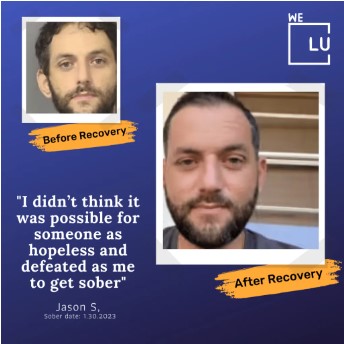
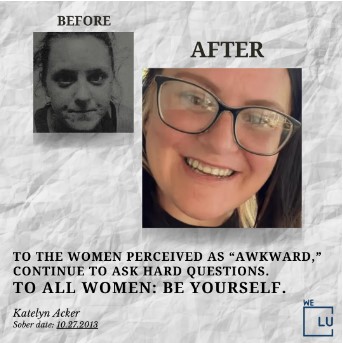
See our authentic success stories. Get inspired. Get the help you deserve.
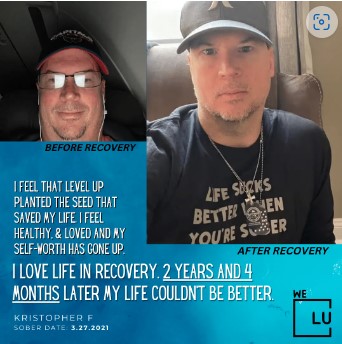
Start a New Life
Begin with a free call to a behavioral health treatment advisor. Learn more about our dual-diagnosis programs. The We Level Up treatment center network delivers recovery programs that vary by each treatment facility. Call to learn more.
- Personalized Care
- Caring Accountable Staff
- Comfortable Amenities
- Licensed & Accredited
- Renowned w/ 5-Star Reviews
