

Impulse Control Disorder
Impulse control disorder is a condition where a person finds it hard to stop certain actions, even when they know it may cause harm. These actions can happen fast, without much thought, and can lead to problems at home, school, or work. A person may feel a strong urge to act and may feel relief after doing it, but later they may feel regret or guilt. This cycle can repeat and become hard to control. Many people do not understand why this happens, and this can make the problem worse over time. The good news is that help is available. At We Level Up Tamarac FL, we understand how hard this can feel, and we are here to help you learn how to slow down, stay in control, and build better habits.
Ready to get started? Call (888) 861-4486 or email verifyadmissions@welevelup.comtoday. A better life is waiting for you.
Table of Contents
What Is Impulse Control Disorder?
Impulse control disorder means a person has trouble stopping urges or actions. These urges can feel very strong and hard to resist. The person may act without thinking about the outcome. This can include actions like anger outbursts, stealing, or risky behavior. These actions may bring short relief but can lead to problems later. This condition is linked to impulsive behavior
and can affect both children and adults.
Why Choose We Level Up for Support?
At We Level Up, we help people learn how to manage impulse control disorder in a safe and simple way. We know that this condition affects both thoughts and actions, so we focus on both. Our team includes trained staff who create a plan based on your needs. We offer a calm and safe place where you can learn new skills and feel supported. Our goal is to help you gain control, reduce harmful actions, and feel better each day.
Ready to get started? Call (888) 606-5120 or email verifyadmissions@welevelup.com today. A better life is waiting for you.
What to Expect During Treatment
Treatment begins with a full check of your behavior, habits, and triggers. Our team will ask simple questions to understand when and why these urges happen. This helps us create a clear plan for your care. Therapy is a key part of treatment, and it teaches you how to pause, think, and choose better actions. You may also learn ways to handle stress and strong emotions. In some cases, medication may be used. Ongoing support helps you stay on track and build better habits over time.
Impulse Control Disorder Symptoms
Impulse control disorder symptoms can affect both the mind and behavior. A person may act without thinking or feel unable to stop an urge. They may feel tension before acting and relief after. Common signs include anger outbursts, risky actions, or trouble following rules. These symptoms can lead to problems in daily life, but they can improve with the right care.
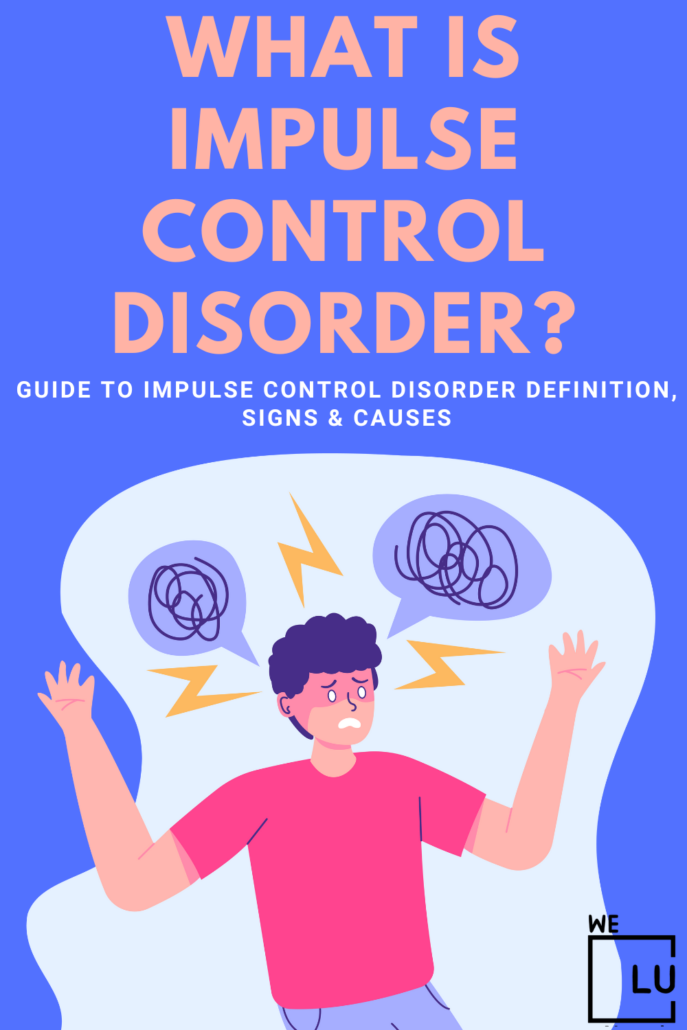
Types of Impulse Control Disorders
There are different types of impulse control disorders, and each one has its own pattern of behavior. Some common types include oppositional defiant disorder, conduct disorder, and intermittent explosive disorder. Other types may include behaviors like stealing or setting fires. While each type is different, they all involve trouble controlling urges or actions.
Impulse Disorder Causes Treatment
There are many reasons why impulse control disorder can happen. It may be linked to brain function, stress, or past experiences. Family history and mental health issues can also play a role. Understanding impulse disorder causes treatment helps guide the right care. Treatment often includes therapy, behavior training, and support. In some cases, medication may also help manage symptoms.
Get impulse control disorder counseling that works. Discover professional help from We Level Up Florida’s mental health therapists. Start getting support with a free call to our mental health hotline.
Get Help. Get Better. Get Your Life Back.
Searching for Accredited Dual Diagnosis Mental Health Centers Near You?
Even if therapy failed previously, or are in the middle of a difficult crisis, we stand ready to support you. Our trusted behavioral health specialists will not give up on you. When you feel ready or just want someone to speak to about counseling alternatives to change your life call us. Even if we cannot assist you, we will lead you to wherever you can get support. There is no obligation. Call our hotline today.
FREE 24/7 Dual Diagnosis Mental Health Services HotlineImpulsive Behavior Mental Health
Impulsive behavior mental health is linked to how a person thinks and reacts. Strong emotions, stress, or poor coping skills can lead to quick actions without thought. This can affect relationships, work, and daily life. Learning how to manage these feelings is an important part of recovery.
Impulse Control Therapy
Impulse control therapy helps people learn how to pause before acting. It teaches skills like deep breathing, problem-solving, and thinking ahead. Therapy also helps people understand their triggers and build better habits. Over time, this can reduce impulsive actions and improve control.
Daily Tips to Manage Impulse Control
Small daily steps can help improve control over time. Take a pause before acting and count to ten. Practice deep breathing to calm the body. Avoid triggers when possible. Keep a routine and stay active. Talk to someone you trust when you feel strong urges. These steps can help build better habits and reduce harmful actions.
Impulse Control Disorder Therapies
Impulse Control Disorder Therapies
Several therapeutic approaches can be effective in managing impulse control disorders:
- Cognitive-Behavioral Therapy (CBT): This focuses on identifying and changing negative thought patterns and behaviors, helping individuals develop healthier coping mechanisms.
- Dialectical Behavior Therapy (DBT): Combines cognitive-behavioral techniques with mindfulness strategies, emphasizing acceptance and change to address impulsive behaviors.
- Behavioral Therapy: Targets specific behaviors, utilizing reinforcement and consequences to modify and replace impulsive actions with more adaptive alternatives.
- Psychodynamic Therapy: Explores unconscious patterns and unresolved conflicts contributing to impulsivity, aiming for insight and emotional regulation.
- Mindfulness-Based Interventions: Mindfulness meditation can improve self-awareness and impulse control.
- Group Therapy: Participating in group sessions with individuals facing similar challenges can provide support, encouragement, and shared coping strategies.
- Family Therapy: Involving family members helps address relational dynamics that may contribute to or exacerbate impulse control issues.
Therapeutic interventions are often tailored to the individual, considering the specific nature and severity of their impulse control disorder.
Impulse Control Disorder Medications
Impulse Control Disorder Medications
While therapy is a primary approach for managing impulse control disorders, certain medications may be prescribed to address underlying issues contributing to impulsive behavior. Common medications include:
- Mood Stabilizers: Such as lithium or anticonvulsant medications, which can help regulate mood and reduce impulsivity.
- Antidepressants: Especially selective serotonin reuptake inhibitors (SSRIs) or tricyclic antidepressants, which may be used if there’s a co-occurring mood disorder.
- Antipsychotics: In cases where impulsive behavior is associated with psychotic symptoms, antipsychotic medications may be considered.
- ADHD Medications: Stimulant medications like methylphenidate or amphetamines may be prescribed if there’s comorbid attention-deficit/hyperactivity disorder (ADHD).
A qualified healthcare professional must assess the individual’s situation and determine the most appropriate medication, if any. Prescription is often considered in conjunction with therapeutic interventions for comprehensive treatment.
Impulse Control Disorder Rehabilitation
Impulse Control Disorder Rehabilitation
Impulse control disorder rehabilitation is a comprehensive process aimed at helping individuals regain control over their impulsive behaviors. The program often involves a combination of therapeutic interventions, counseling, and skill-building exercises. Therapies are employed to address the underlying patterns of impulsive actions and replace them with healthier alternatives. These therapies often focus on enhancing self-awareness, identifying triggers, and developing coping strategies.
In addition to therapeutic interventions, impulse control disorder rehabilitation may incorporate medication management, especially when co-occurring conditions like mood disorders or ADHD are present. The rehabilitation process also emphasizes the importance of support networks involving family members and friends to provide encouragement, understanding, and assistance in implementing coping strategies in daily life.
We Level Up FL offers a comprehensive treatment approach to deal with impulse control disorder. Call our helpline for more information. Each call is free and confidential.
How It Affects Daily Life
Impulse control disorder can affect many parts of life, including school, work, and relationships. It can lead to conflict, stress, and regret. Over time, it can lower confidence and make daily tasks harder. With support and care, these effects can improve, and people can feel more in control.
Diagnosis of Impulse Control Disorder
A mental health professional can diagnose impulse control disorder by looking at behavior and patterns. They may ask about actions, triggers, and past experiences. There is no single test, so diagnosis is based on signs and history. Once diagnosed, a treatment plan can be created to help manage symptoms.
Long-Term Outlook and Recovery
Recovery from impulse control disorder is possible with the right care. Many people learn how to manage urges and make better choices over time. Progress may be slow, but small steps can lead to big change. With support, people can build better habits and live a more balanced life.
FAQs About Impulse Control Disorder
What is impulse control disorder?
It is a condition where a person has trouble stopping actions or urges, even when they know it may cause harm.
What are impulse control disorder symptoms?
Symptoms include acting without thinking, strong urges, anger outbursts, and risky behavior.
What causes impulse control disorder?
It can be caused by brain function, stress, past trauma, or other mental health issues.
Can impulse control disorder be treated?
Yes, it can be treated with therapy, behavior training, and sometimes medication.
What is impulse control therapy?
It is a type of therapy that helps people learn how to pause, think, and make better choices.
Ready to Get Started
Impulse control disorder can feel hard to manage, but you do not have to deal with it alone, and help is available. At We Level Up Tamarac FL, we offer care that helps you build control, reduce harmful actions, and feel better each day.
Our team is here to support you, and with the right tools, you can take back control of your actions and build a healthier life, so reach out to us today and start your journey to recovery.
Ready to get started? Call (888) 606-5120 or email verifyadmissions@welevelup.com today. A better life is waiting for you.
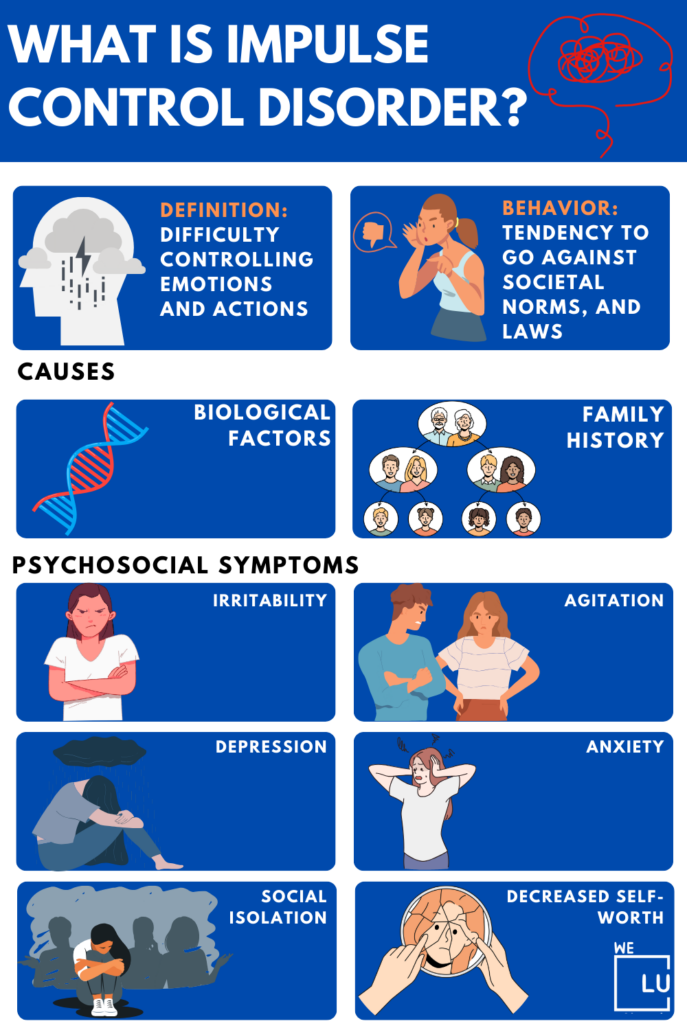
We Level Up FL Impulse Control Disorder Treatment Quick Tips
✅ Notice what situations or emotions lead to impulsive actions. Recognizing these triggers enables you to address them and find healthier coping methods.
✅ Build daily routines for stability, reducing the chance of spontaneous impulses. Having a predictable schedule is a vital tool for managing impulses.
✅ Talk to friends, family, or a mental health pro when you need understanding and help. A support system can guide and encourage you during impulsive moments.
Do you have questions about impulse control disorder or treatment in general? Call We Level Up FL helpline 24/7.

End the Emotional Pain. Get Your Life Back.
Feeling Depressed, Anxious or Struggling with Mental Health Illness? Get Safe Comfortable Mental Health Dual Diagnosis High-Quality Therapy From Counselors That Care. Begin Your Recovery Now.
Hotline (855) 940-6125