
Recognizing the OCD signs and symptoms early can make a huge difference in your long-term mental health. Obsessive-Compulsive Disorder is a condition that creates a cycle of unwanted thoughts and repetitive, daily actions. These feelings can take over your schedule and make it very hard to finish simple tasks. You might feel like your mind is stuck on a loop that you cannot stop. Many people suffer in silence because they feel embarrassed or worried about what others might think. However, understanding these signs is the first step toward getting the right professional help you need. We Level Up Tamarac FL is here to support you through every part of this journey. Our team offers a kind and safe place where you can find peace and healing. You do not have to let these symptoms control your life or your future.

What Are OCD Signs and Symptoms?
OCD signs and symptoms involve having thoughts that bother you and doing things to make them go away. Obsessions are the scary or gross thoughts that keep popping into your head without any warning at all. Compulsions are the actions you feel forced to take to stop the bad feelings of deep anxiety. This cycle can last for hours and make you feel very tired and drained of energy.
Learning the OCD symptoms list helps you see that these behaviors are part of a real medical condition. You might find yourself checking the stove or the front door many times before you feel safe. Other people might feel a need to count items or wash their hands until they are sore. These actions provide a little relief, but the scary thoughts always seem to come back again soon.
The National Institute of Mental Health states that about 1.2 percent of adults deal with OCD every year. Research shows that many people wait a long time before they reach out for a professional health check. Knowing that millions of others face the same struggle can help you feel much less alone today. Accurate knowledge is a powerful tool that helps you take the lead in your own recovery.
Signs You May Need Professional Support
- Having a deep fear of germs or getting sick from touching common public items.
- Feeling a strong need for things to be in a perfect and exact order.
- Thinking about hurting yourself or others even though you really do not want to.
- Spending a lot of time cleaning your home or your body every single day.
- Needing to repeat certain words or phrases in your head to feel very safe.
- Asking for constant reassurance from your friends or your family about your daily fears.
- Avoiding places or people that might trigger your unwanted and intrusive mental thoughts.
Get Help. Get Better. Get Your Life Back.
Searching for Accredited Dual Diagnosis Mental Health Centers Near You?
Even if therapy failed previously, or are in the middle of a difficult crisis, we stand ready to support you. Our trusted behavioral health specialists will not give up on you. When you feel ready or just want someone to speak to about counseling alternatives to change your life call us. Even if we cannot assist you, we will lead you to wherever you can get support. There is no obligation. Call our hotline today.
FREE 24/7 Dual Diagnosis Mental Health Services Hotline
The Importance of Professional Care
Getting professional care is vital because OCD symptoms rarely go away on their own without expert help. A trained therapist can help you understand why your brain feels the need to perform these rituals. They use proven methods like ERP therapy OCD to help you face your fears very slowly. This specialized care teaches you how to stay calm without doing the things that trap you.
We provide a supportive space where you can focus on the root cause of your daily struggles. Our team looks at your obsessions and compulsions to create a plan that fits your life. This level of care ensures that you are always safe while you learn these new skills. You get to work with people who truly understand how hard this battle can be.
Living with these symptoms can make you feel very disconnected from the world around you right now. Professional care brings you back into a life where you feel more in control and happy. You will learn that your symptoms are manageable when you have the right tools and team. We give you the strength to move past your rituals and live a better life.
OCD Fact Sheet
OCD Overview
Obsessions with excessive ideas trigger recurrent behaviors (compulsions). Unreasonable worries and obsessions (also known as compulsive behaviors) are hallmarks of obsessive-compulsive disorder.
OCD frequently centers on ideas like a dread of germs or the requirement to organize objects in a certain way. Symptoms typically appear gradually and change over time. Both conversation therapy and medication are used as treatments.
OCD Symptoms
Behavioral: compulsive behavior, agitation, compulsive hoarding, hypervigilance, impulsivity, meaningless repetition of own words, repetitive movements, ritualistic behavior, social isolation, or persistent repetition of words or actions.
Mood: anxiety, apprehension, guilt, or panic attack.
Whole body: fatigue or sweating.
Also common: food aversion, nightmares, or rumination
OCD Treatments
- Support group: A place where those pursuing the same disease or objective, such as weight loss or depression, can receive counseling and exchange experiences.
- Cognitive behavioral therapy: A conversation treatment that aimed to change the negative attitudes, actions, and feelings connected to psychiatric discomfort.
- Counseling psychology: A subfield of psychology that handles issues with the self that are connected to work, school, family, and social life.
- Anger management: To reduce destructive emotional outbursts, practice mindfulness, coping skills, and trigger avoidance.
- Psychoeducation: Mental health education that also helps individuals feel supported, validated, and empowered
- Family therapy: psychological counseling that improves family communication and conflict resolution.
2.5 million
OCD affects 2.5 million adults or 1.2% of the U.S. population.
Source: National Institute on Mental Health
25%
The average age of onset is 19, with 25% of cases occurring by age 14. One-third of affected adults first experienced symptoms in childhood.
Source: ADAA
3x
Women are 3x more likely to be affected than men.
Source: ADAA
Why Choose We Level Up Tamarac FL?
We Level Up Tamarac FL offers top care for people who are struggling with various OCD signs. Our center has a quiet and peaceful vibe to help you focus only on getting much better. We have a team of expert doctors who treat you with kindness during your entire stay here. You can trust our skilled staff to guide you through every part of your healing path.
Our facility acts as a residential center that treats your mind and your body as one unit. We use methods like obsessive compulsive disorder treatment to help you understand your symptoms and how to manage them. Our team works with you to build a plan that fits your personal needs and goals. This touch ensures you get the exact care needed to reclaim your own mental health.
Choosing us means you get 24/7 support from people who care about your long-term success and joy. We help you plan for life at home and keep you connected to a helpful community. Our team wants you to succeed and gives you the resources to handle real-life stress well. We are here to help you build a life full of hope and wellness.
Ready to get started? Call (888) 606-5120 or email verifyadmissions@welevelup.com today. A better life is waiting for you.
End the Emotional Pain. Get Your Life Back.
Feeling Depressed, Anxious or Struggling with Mental Health Illness? Get Safe Comfortable Mental Health Dual Diagnosis High-Quality Therapy From Counselors That Care. Begin Your Recovery Now.
Hotline (855) 940-6125What to Expect During Treatment
The path starts with a full health check to see how your symptoms affect your daily life. Doctors look at your history to make a safe and effective plan for your recovery journey. This detailed look allows us to create a program that fits your specific emotional health needs. You will feel safe knowing we have a plan just for you as you begin.
Next, you will engage in therapy sessions to learn about your mind and how it works daily. You will talk in groups and one-on-one sessions to build new skills for your healthy life. Therapists help you face your triggers in a way that feels safe and very much supported. These talks help you feel good and give you the confidence to face the world.
We also teach you how to stay well after you leave our care and return home. You will learn to handle stress and fears without falling back into your old compulsive habits. We connect you with support groups near your home for help whenever you might need it. We make sure you leave our center ready to live a life of true peace.

Benefits of Professional Support
- A safe place to heal away from the triggers and stress of daily life.
- Constant care from doctors who understand how to treat various mental health issues properly.
- Learning new tools to manage your thoughts without needing to perform long rituals.
- Support from a community of people who know exactly what you are going through.
- Improved sleep and focus as your mind becomes calmer and much more at rest.
First-class Facilities & Amenities
World-class High-Quality Mental Health Services & Behavioral Health Substance Abuse Treatment
Rehab Centers TourRenowned Mental Health Centers. Serene Private Facilities. Inpatient Rehab Programs Vary.
Mental Health Helpline (855) 940-6125Proven recovery success experience, backed by a Team w/ History of:
15+
Years of Unified Experience
100s
5-Star Reviews Across Our Centers
10K
Recovery Successes
- Comprehensive Dual-Diagnosis Treatment
- Complimentary Family & Alumni Programs
- Coaching, Recovery & Development Events
- Comfortable Onsite Medical Detox Center


Welcome to the OCD Symptoms Test or "Do I Have OCD Quiz"! If you've been questioning whether your behaviors and thoughts could be indicative of Obsessive-Compulsive Disorder (OCD), this quiz is designed to offer you some insights. However, it's crucial to understand that this test should not be considered a substitute for professional medical advice or diagnosis.
While this OCD quiz aims to assess common symptoms associated with the disorder, it is important to consult with a qualified healthcare professional for an accurate diagnosis. Remember, this quiz is for informational purposes only and should not be relied upon as a definitive evaluation. Its purpose is to provide preliminary guidance and encourage further discussions with a healthcare provider. Let's begin the quiz and explore whether the symptoms you're experiencing align with those commonly associated with OCD.
*By taking this free quiz, you may obtain your results online and in your email box. You'll have the opportunity to opt-in to learn more about your symptoms, talk to a mental health consultant and join our newsletter. Rest assured your information is private and confidential. Results, consultations and assessment are provided without any cost to you and without any obligation. If you do not wish to provide your contact information, you may omit it during your quiz. Thank you for opting in and participating. To you best of health.
Long-Term Recovery and Aftercare
Recovery is a lifelong path of growth that continues long after you leave our treatment center. We help you build a solid aftercare plan to keep you on the right track daily. This plan includes seeing a local therapist and joining support groups in your own home town. Staying connected to help is the best way to ensure you stay healthy and very strong.
Our team teaches you how to spot the signs of your symptoms returning before they get bad. You will have a list of skills to use when you feel stressed or very sad. Knowing what to do in hard times gives you the power to stay in total control. We want you to feel confident as you step back into your normal daily routine.
We also offer alumni programs where you can stay in touch with our caring and expert staff. These programs let you share your success and get help if you ever feel a struggle. You are always part of our family, and we are here for you for a lifetime. Long-term health is possible when you have a strong team standing right behind you now.
First-class Facilities & Amenities
World-class High-Quality Mental Health Services & Behavioral Health Substance Abuse Treatment
Rehab Centers TourRenowned Mental Health Centers. Serene Private Facilities. Inpatient Rehab Programs Vary.
Mental Health Helpline (855) 940-6125Proven recovery success experience, backed by a Team w/ History of:
15+
Years of Unified Experience
100s
5-Star Reviews Across Our Centers
10K
Recovery Successes
- Comprehensive Dual-Diagnosis Treatment
- Complimentary Family & Alumni Programs
- Coaching, Recovery & Development Events
- Comfortable Onsite Medical Detox Center
Contact We Level Up Tamarac FL Today
Starting your journey to manage OCD is a brave choice that can save your life and future. You can call our team right now to talk about how we can help you heal. We will check your insurance fast to tell you about the costs and your local options. Our team is here all day and night to answer questions and guide you well.
FAQs About OCD Signs and Symptoms
What is the difference between a normal habit and a symptom of OCD?
A normal habit is something you choose to do, but an OCD symptom feels very forced. Symptoms of this disorder take up a lot of time and cause you a great deal of stress. You might feel like you have to do the action to prevent something bad from happening soon. If a habit stops you from living your life, it may be a sign of OCD.
Can children show the same signs and symptoms as adults with this disorder?
Yes, children can have many of the same fears and rituals as adults who struggle with OCD. They might worry about germs or feel a need to line up their toys very neatly. Children often need a different type of support to help them understand and manage their big feelings. We focus on helping adults, but we can provide resources for families with young children.
Are these symptoms something that I will have to deal with forever?
While there is no cure, you can learn how to manage your symptoms so they do not hurt. Many people live very happy lives once they learn the right skills in a professional setting. Treatment helps you lower the volume of the thoughts so you can focus on your joy. With the right help, you can take back control of your time and your mind.
What should I do if my symptoms make it hard to leave my house?
If you feel stuck at home, it is a sign that you need professional help right away. Our team can talk to you over the phone to help you start the intake process. We provide a safe place where you can stay and focus only on getting much better. Taking that first step is the hardest part, but we are here to help you.
Do the symptoms of OCD always involve cleaning or checking things?
No, the symptoms can involve many different things like counting, repeating words, or needing things to be even. Some people have thoughts about religion or harm that make them feel very upset and scared. Every person experiences this disorder in a way that is unique to their own mind and life. We treat all types of symptoms with the same level of care and expert respect.
Can stress make my symptoms worse than they usually are?
Yes, high levels of stress can make your obsessions feel more intense and your compulsions harder to stop. Learning how to manage stress is a big part of the work we do in treatment. We teach you how to stay calm so that your symptoms do not take over your day. Having a plan for stress helps you stay strong in your long-term recovery.
Will my family understand what I am going through during my stay?
We help educate families so they can provide the best support for you while you heal here. Understanding the science behind the disorder helps them see that you are not choosing these difficult behaviors. Family support can be a very powerful part of your journey toward a much better life. We encourage open talk to help everyone heal together as a strong and loving unit.
How do I know if I have the right diagnosis for my symptoms?
Our medical team performs a full check to ensure you have the right diagnosis for your care. We look at your history and your current symptoms to build a plan that works for you. Getting the right label for your struggle helps us choose the best tools for your recovery. You can trust our experts to provide a clear and helpful look at your health.
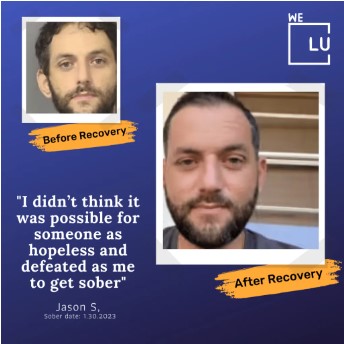
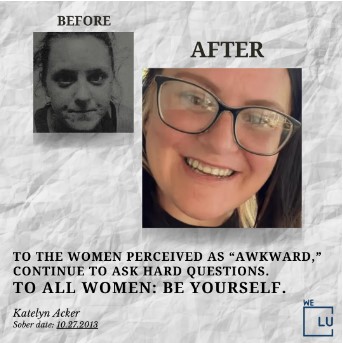
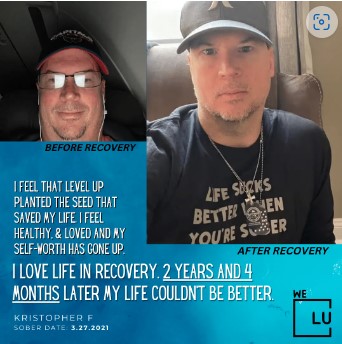
Experience Transformative Recovery at the We Level Up Treatment Center.
See our authentic success stories. Get inspired. Get the help you deserve.
Start a New Life
Begin with a free call to a behavioral health treatment advisor. Learn more about our dual-diagnosis programs. The We Level Up treatment center network delivers recovery programs that vary by each treatment facility. Call to learn more.
- Personalized Care
- Caring Accountable Staff
- Comfortable Amenities
- Licensed & Accredited
- Renowned w/ 5-Star Reviews
We’ll Call You
Ready to Get Started?
You do not have to fight the battle of OCD signs and symptoms alone for another day. We Level Up Tamarac FL is here to give you the expert care and support you need. Our team is ready to guide you to a life of health and lasting peace. We offer a safe and supportive place where you can focus on getting much better. We have the tools and the people to help you change your life now.
Mental health issues can make you feel like you have no hope, but that is not true. You have the power to change your story with the right help and a good plan. We help people just like you break free from pain and find their joy again. Do not let fear keep you from making the call that saves your life today. You deserve to be healthy and free from the burden of this difficult struggle.
Ready to get started? Call (888) 606-5120 or email verifyadmissions@welevelup.com today. A better life is waiting for you.
Search We Level Up FL OCD Resources
Sources
[1] NIMH – https://www.nimh.nih.gov/health/topics/obsessive-compulsive-disorder-ocd/index.shtml
[2] Obsessive-compulsive disorder. National Institute of Mental Health. https://www.nimh.nih.gov/health/topics/obsessive-compulsive-disorder-ocd/index.shtml. Accessed Sept. 3, 2019.
[3] Mental health medications. National Institute of Mental Health. https://www.nimh.nih.gov/health/topics/mental-health-medications/index.shtml#part_149856. Accessed Aug. 13, 2019.
[4] AskMayoExpert. Obsessive-compulsive disorder (OCD). Mayo Clinic; 2019.
[5] Depression basics. National Institute of Mental Health. https://www.nimh.nih.gov/health/publications/depression/index.shtml. Accessed Sept. 4, 2019.
[6] Obsessive-compulsive disorder (OCD). Merck Manual Professional Version. https://www.merckmanuals.com/professional/psychiatric-disorders/obsessive-compulsive-and-related-disorders/obsessive-compulsive-disorder-ocd. Accessed Sept. 3, 2019.
[7] Obsessive-compulsive disorder. National Alliance on Mental Illness. https://www.nami.org/Learn-More/Mental-Health-Conditions/Obsessive-compulsive-Disorder/Overview. Accessed Sept. 3, 2019.
[8] Suicidality in children and adolescents being treated with antidepressant medications. U.S. Food and Drug Administration. https://www.fda.gov/drugs/postmarket-drug-safety-information-patients-and-providers/suicidality-children-and-adolescents-being-treated-antidepressant-medications. Accessed Aug. 13, 2019.
[9] Obsessive-compulsive disorder. In: Diagnostic and Statistical Manual of Mental Disorders DSM-5. 5th ed. American Psychiatric Association; 2013. https://dsm.psychiatryonline.org. Accessed Sept. 3, 2019.
[10] Coping with Stress – Centers for Disease Control and Prevention