

Disruptive Mood Dysregulation Disorder | WLU FL
Kids can have strong emotions. Big feelings are part of growing up. But when anger happens often, feels extreme, and does not go away, it may be more than a phase. Disruptive mood dysregulation disorder is a childhood condition that makes it hard to control mood and behavior. If your child has constant irritability and repeated outbursts, We Level Up FL can help you understand disruptive mood dysregulation disorder and start a clear plan for care.
Many parents feel stuck when this happens. You may try rewards, consequences, and calm talks. Still, the meltdowns keep coming. You might wonder if you did something wrong. You did not. It is not a parenting failure. It is a mental health issue that needs the right support.
This guide explains disruptive mood dysregulation disorder symptoms, how a DMDD diagnosis works, what may cause this childhood mood disorder, and how treatment can help.
Table of Contents
What Is Disruptive Mood Dysregulation Disorder?
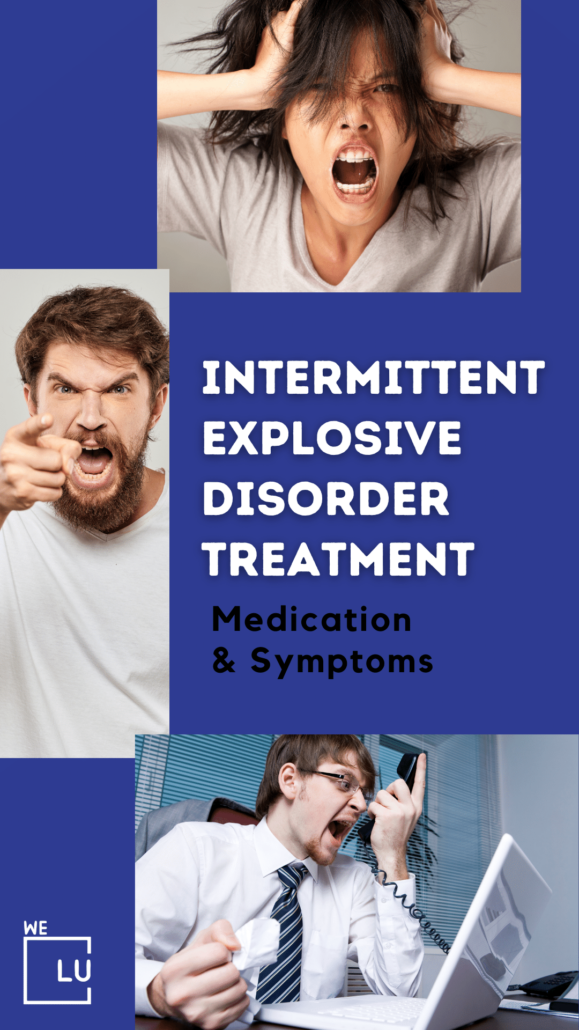
It is a childhood mood disorder. It causes severe irritability and repeated temper outbursts. The outbursts are bigger than what you would expect for a child’s age.
A child with DMDD may go from calm to furious in a flash. They may yell, scream, or throw things. Some children hit, kick, or push. Others shut down and refuse to talk. These reactions happen again and again.
Between outbursts, many children still feel on edge. They may seem angry most of the day. They may get upset easily. This ongoing anger is a key part of DMDD.
DMDD is sometimes called a severe irritability disorder. It is different from bipolar disorder. With DMDD, the main problem is constant irritability, not mood highs that come and go.

Learn More:
Who Can Have DMDD?
DMDD is diagnosed in children and teens. It is usually diagnosed between the ages of 6 and 18. Symptoms must begin before age 10. Both boys and girls can have this childhood mood disorder. It can affect school, home life, and friendships.
Without treatment, the child may struggle for years. Some children later develop depression or anxiety. Early support can reduce long-term stress for the child and the family.
Get Help. Get Better. Get Your Life Back.
Searching for Accredited Dual Diagnosis Mental Health Centers Near You?
Even if therapy failed previously, or are in the middle of a difficult crisis, we stand ready to support you. Our trusted behavioral health specialists will not give up on you. When you feel ready or just want someone to speak to about counseling alternatives to change your life call us. Even if we cannot assist you, we will lead you to wherever you can get support. There is no obligation. Call our hotline today.
FREE 24/7 Dual Diagnosis Mental Health Services HotlineDisruptive Mood Dysregulation Disorder Symptoms
Disruptive mood dysregulation disorder symptoms show up in two main ways. First, the child has severe outbursts. Second, the child has an irritable mood most days.
Here are common signs parents and teachers may notice:
- Outbursts occur frequently, usually 3 or more times a week.
- The anger feels too big for the situation.
- The child is irritable or angry most of the day.
- The behavior causes problems at school, at home, or with friends.
- The pattern lasts for at least 12 months.
For a DMDD diagnosis, outbursts must happen in more than one setting. For example, the child may struggle at home and at school. The child also cannot have long symptom-free periods. In many cases, the mood stays tense most days.


End the Emotional Pain. Get Your Life Back.
Feeling Depressed, Anxious or Struggling with Mental Health Illness? Get Safe Comfortable Mental Health Dual Diagnosis High-Quality Therapy From Counselors That Care. Begin Your Recovery Now.
Hotline (855) 940-6125How Is a DMDD Diagnosis Made?
A DMDD diagnosis starts with a full mental health evaluation. A trained provider looks at patterns, not one bad day. The clinician may talk with parents, the child, and teachers. They may ask about the frequency of outbursts, triggers, and recovery time. They also review school behavior and family stress.
It is also important to rule out other conditions. Some children have ADHD, anxiety, depression, autism, or trauma symptoms. These conditions can look similar from the outside. A good evaluation helps clarify what is really happening.
DMDD is diagnosed when irritability is chronic and long-lasting. It is not diagnosed when mood changes come in short episodes with clear “high” periods.
What Causes This Childhood Mood Disorder?
There is no single cause of disruptive mood dysregulation disorder. Most children have more than one factor involved. Brain differences can affect how a child handles frustration. Some children react strongly to stress. Their nervous system may move into “fight or flight” quickly. This makes calm thinking harder in the moment.
Family history may also play a role. Mood and personality disorders can run in families. That does not mean a parent caused the problem. It means the child may have a higher risk. Life stress matters too. Bullying, family conflict, major change, or trauma can worsen symptoms. Some children become more reactive after long periods of stress.
It often helps to think of DMDD as a problem with emotion control. The child is not choosing to be difficult. They are struggling to regulate their feelings.
First-class Facilities & Amenities
World-class High-Quality Mental Health Services & Behavioral Health Substance Abuse Treatment
Rehab Centers TourRenowned Mental Health Centers. Serene Private Facilities. Inpatient Rehab Programs Vary.
Mental Health Helpline (855) 940-6125Proven recovery success experience, backed by a Team w/ History of:
15+
Years of Unified Experience
100s
5-Star Reviews Across Our Centers
10K
Recovery Successes
- Comprehensive Dual-Diagnosis Treatment
- Complimentary Family & Alumni Programs
- Coaching, Recovery & Development Events
- Comfortable Onsite Medical Detox Center
How DMDD Impacts Daily Life

DMDD can change how a child feels about themselves. Many children feel ashamed after an outburst. They may say, “I hate myself,” or “I can’t help it.” Over time, they may lose confidence.
School can also become hard. A child may often get in trouble. They may miss learning time. They may feel labeled as “bad” or “out of control.”
Friendships can suffer too. Other kids may avoid the child if they fear sudden anger. The child may feel lonely, which can increase irritability.
At home, everyone may feel tense. Parents may feel worn down. Siblings may feel scared or overlooked. This is why family support is part of treatment.
Treatment Options for Severe Irritability
Treatment for disruptive mood dysregulation disorder focuses on skill building. The goal is to reduce outbursts and improve daily mood.
At We Level Up FL, support may include the following services. These are common options used in mental health care:
- Individual therapy to build emotional skills
- Family therapy to improve communication and structure
- Psychiatric evaluation and medication management when appropriate
- Structured programs such as residential care, PHP, and IOP
- Dual diagnosis care if substance use becomes part of the picture later on
Coping skills are often taught in therapy. A child may learn to name their emotions early on, before they get really angry. For their age, they might learn how to calm down. As a parent, you should learn to react calmly, without getting angry.
Medication might be used sometimes. It depends on the signs and other health problems occurring at the same time. Providers keep a close eye on side effects and perks.
World-class, Accredited, 5-Star Reviewed, Effective Mental Health Dual Diagnosis Programs. Complete Integrated Inpatient Rehab with Free Post Discharge Therapy Planning.
CALL (855) 940-6125End the Emotional Pain Rollercoaster. Gain Stability & Happiness Through Recovery Treatment. Start Mental Health Counseling Today. Get Free No-obligation Guidance by Behaviroal Health Specialists Who Understand Mental Health Recovery.
What Parents Can Do at Home
Being strict won’t fix DMDD on its own. It’s very important to have help at home, though. The nervous system can feel less stressed by making small changes.
Helpful steps often include:
- Keeping routines consistent, especially sleep and meals
- Using clear and simple rules, with predictable consequences
- Practicing calm responses during conflict, even when it is hard
- Praising effort, not just results, to build confidence
These steps do not replace treatment. They work best when paired with therapy and professional guidance.
Why Choose We Level Up FL
Choosing the right help matters when you are dealing with disruptive mood dysregulation disorder. Families need support that is structured, skilled, and compassionate.
At We Level Up FL, licensed professionals complete careful evaluations. We review symptoms across settings and over time. We look closely at disruptive mood dysregulation disorder symptoms and confirm whether a DMDD diagnosis fits.
We also check for related concerns like anxiety, depression, trauma, or behavioral issues. That way, the treatment plan matches the whole child, not just one symptom.
Families receive a personalized plan. Some children need higher structure. Others do well with flexible care. Our programs can support different levels of need while keeping the child’s safety and growth at the center.
Ready to get started? Call (888) 606-5120 or email verifyadmissions@welevelup.com today. A better life is waiting for you.

Long-Term Outlook
Many kids get better after treatment. You can learn new skills. The peace can return to families. It’s common for steps to lead to progress. To begin, outbursts get less violent. After that, they happen less often. After a while, the child learns to recover more quickly after being stressed.
Having healthy habits helps this process along. It’s important to sleep. As are frequent exercise, well-balanced meals, and less time spent in front of a screen. These changes make it easier for the brain to control emotions. Planning for aftercare is also important. Therapy that goes on and support from family help keep growth safe.
When to Seek Help
Get professional help if your child’s anger is severe or persistent. Helping kids early on keeps them safer at school, at home, and in relationships.
It is time to seek help when:
- Your family feels like it is always walking on eggshells.
- Outbursts happen often and feel intense.
- Irritability lasts most days.
- School and friendships are affected.
- The pattern lasts longer than one year.
Experience Transformative Recovery at the We Level Up Treatment Center.
See our authentic success stories. Get inspired. Get the help you deserve.
Start a New Life
Begin with a free call to a behavioral health treatment advisor. Learn more about our dual-diagnosis programs. The We Level Up treatment center network delivers recovery programs that vary by each treatment facility. Call to learn more.
- Personalized Care
- Caring Accountable Staff
- Comfortable Amenities
- Licensed & Accredited
- Renowned w/ 5-Star Reviews
We’ll Call You
Frequently Asked Questions
What is disruptive mood dysregulation disorder?
It is a childhood mood disorder that causes severe irritability and frequent temper outbursts.
What are common disruptive mood dysregulation disorder symptoms?
Symptoms include repeated severe outbursts, daily irritability, and problems at home, school, or with peers.
How is a DMDD diagnosis made?
A licensed provider completes a full evaluation, reviews behavior across settings, and rules out other conditions.
Is DMDD the same as a severe irritability disorder?
Yes. DMDD is often described as a severe irritability disorder because anger and frustration are present most days.
How does We Level Up FL offer help?
We Level Up FL provides evaluations, therapy, family support, medication management when needed, and structured programs, including residential care, PHP, and IOP.
Can children improve with treatment?
Yes. Many children improve with therapy, routine, and strong family support.
Take a Step Forward
Watching your child struggle can feel heartbreaking. You may feel tired, worried, and unsure what to do next. Please remember this: disruptive mood dysregulation disorder is treatable, and your child can learn new ways to cope. When you get the right help, your home can feel calmer again, and your child can feel safer inside their own emotions.
Call We Level Up FL at (855) 940-6125. Let this be the moment you choose support over fear and answers over guessing. Your child deserves peace, confidence, and a brighter future.
Ready to get started? Call (888) 606-5120 or email verifyadmissions@welevelup.com today. A better life is waiting for you.