

Understanding ADHD and Bipolar Disorder
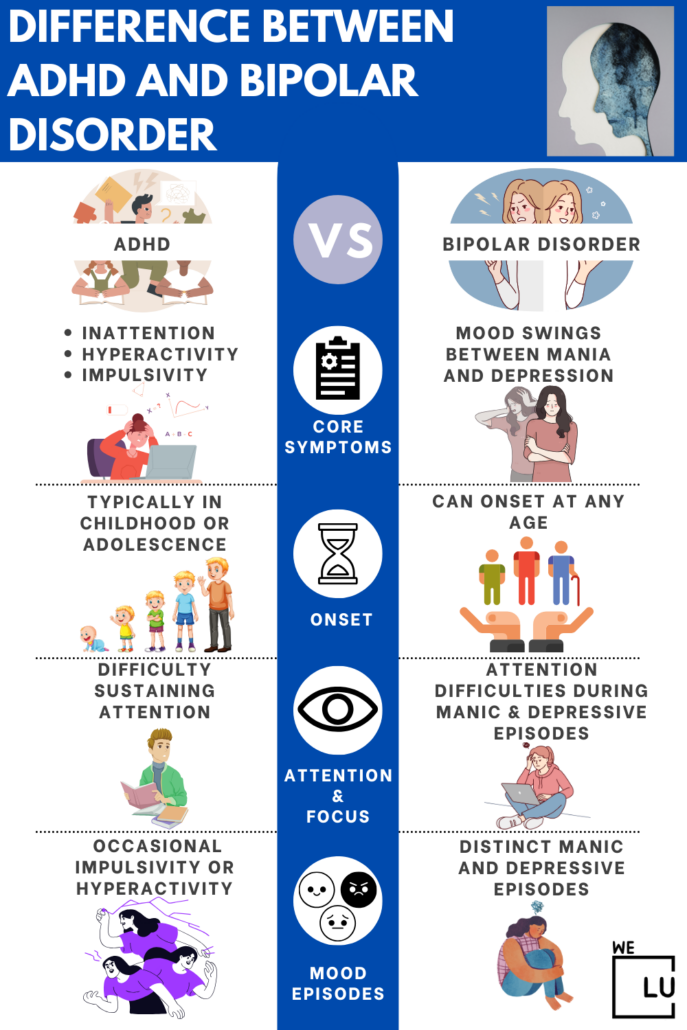
ADHD and bipolar disorder are two different brain conditions that can happen at the same time. ADHD makes it hard for people to pay attention, sit still, or finish tasks. Bipolar disorder makes moods go very high or very low for days or weeks. When someone has both, it can be confusing and stressful. They may feel restless, forget things, or have sudden mood changes that are hard to control. Kids, teens, and adults can have these conditions. Getting help from doctors and therapists is important. With the right support, people can learn ways to focus, control moods, and feel better every day.
Table of Contents
Get Help. Get Better. Get Your Life Back.
Searching for Accredited Dual Diagnosis Mental Health Centers Near You?
Even if therapy failed previously, or are in the middle of a difficult crisis, we stand ready to support you. Our trusted behavioral health specialists will not give up on you. When you feel ready or just want someone to speak to about counseling alternatives to change your life call us. Even if we cannot assist you, we will lead you to wherever you can get support. There is no obligation. Call our hotline today.
FREE 24/7 Dual Diagnosis Mental Health Services HotlineWhat Are ADHD and Bipolar Disorders?
ADHD and bipolar disorders are two health conditions that affect the brain and behavior. ADHD, or attention‑deficit/hyperactivity disorder, makes it hard to pay attention, sit still, and finish tasks. People with ADHD may feel restless, forget things often, or have trouble planning and organizing. These challenges can show up in school, at home, or at work. Many children and adults live with ADHD and learn ways to cope with their symptoms.
Bipolar disorder affects a person’s mood and energy. People with bipolar disorder may feel very energetic and happy for some time and very sad and tired at other times. These mood swings are stronger than normal up‑and‑down feelings. Bipolar disorder can make it hard to sleep well, think clearly, or get along with others. Doctors and therapists work together to help people with bipolar disorder manage their mood and daily life.
Sometimes, ADHD and bipolar disorder happen together in the same person. When both appear, doctors call it dual diagnosis ADHD bipolar or ADHD bipolar comorbidity. People with both may have trouble staying focused and also have big mood swings that change often. These combined symptoms can make daily life confusing and hard. The National Institute on Drug Abuse (NIDA) says many people with mental health conditions also have other disorders at the same time. This makes it important to get help from trained professionals so treatment can fit each person’s needs.
ADHD Bipolar Facts
Bipolar Disorder
- Mood Episodes: Characterized by distinct episodes of mania/hypomania and depression.
- Duration: Mood episodes can last for days, weeks, or months.
- Triggers: Episodes can occur without external triggers, and mood shifts are often unrelated to specific events.
- Self-Image: Individuals typically have a stable sense of self and identity.
- Impulsivity: Impulsive behaviors may occur during manic episodes.
- Treatment: Mood-stabilizing medications are often prescribed, along with psychotherapy.
Causes:
- Genetics: A family history of Bipolar Disorder can increase susceptibility.
- Neurobiological Factors: Imbalances in neurotransmitters like serotonin and dopamine may contribute.
- Environmental Triggers: Stressful life events can impact the onset and severity of the disorder.
Diagnosis and Treatment:
- Diagnosis requires a psychiatric evaluation, considering the frequency and intensity of mood episodes.
- Treatment typically involves mood stabilizers, antipsychotic medications, psychotherapy, and lifestyle adjustments.
Coexistence and Misdiagnosis:
- Individuals can have ADHD and bipolar disorder (comorbidity), making accurate diagnosis challenging.
- Misdiagnosis can occur due to overlapping symptoms, leading to inappropriate treatments and potential complications.
The Connection Between ADHD and Bipolar 2
Can ADHD be mistaken for bipolar? Yes. The connection between ADHD and bipolar II disorder lies in shared symptoms such as impulsivity, mood swings, and difficulties with attention and focus. Both conditions can coexist, making it challenging to differentiate them clinically.
Individuals with comorbid ADHD and bipolar II may experience heightened emotional dysregulation and may require a comprehensive treatment approach that addresses the distinct aspects of both disorders. Accurate diagnosis by a mental health professional is crucial for developing an effective and tailored treatment plan.
ADHD and bipolar 2 are two distinct mental health conditions that affect an individual’s mood, behavior, and overall well-being. Here’s an overview of each condition:
ADHD (Attention-Deficit/Hyperactivity Disorder): ADHD is a neurodevelopmental disorder that typically begins in childhood and can persist into adulthood. It is characterized by persistent inattention, hyperactivity, and impulsivity that interferes with daily functioning and development.
Bipolar 2 Disorder: Bipolar disorder 2 is a mood disorder characterized by recurrent episodes of depression and hypomania. Hypomania is a less severe form of mania marked by an elevated mood and increased energy, but it does not cause significant impairment in daily functioning.
Symptoms of Bipolar 2 Disorder:
- Depressive Episodes: Profound sadness, loss of interest in activities, changes in sleep and appetite, feelings of worthlessness, and thoughts of death or suicide.
- Hypomanic Episodes: Elevated mood, increased energy, impulsivity, decreased need for sleep, and engaging in pleasurable activities with potentially harmful consequences.
Download a copy of the ADHD fact sheet prepared by CDC.
Signs You May Have ADHD and Bipolar
- Trouble paying attention for long periods.
- Feeling restless or unable to sit still.
- Forgetting tasks, appointments, or daily routines.
- Mood changes that go very high or very low.
- Talking fast, jumping between ideas, or racing thoughts.
- Acting without thinking or taking big risks.
- Sleeping too much or too little for several days.
If someone shows several of these signs over time, they might need help. Many people think these issues go away, but they can get worse if not treated. Early care leads to better outcomes and a happier life.

End the Emotional Pain. Get Your Life Back.
Feeling Depressed, Anxious or Struggling with Mental Health Illness? Get Safe Comfortable Mental Health Dual Diagnosis High-Quality Therapy From Counselors That Care. Begin Your Recovery Now.
Hotline (855) 940-6125Why Choose We Level Up Tamarac FL for ADHD and Bipolar Treatment?
We Level Up Tamarac FL helps people with ADHD and bipolar disorder feel better. Our team knows how to care for both conditions at the same time. We have doctors, therapists, and counselors who work together to make a plan for each person. Every plan is made just for you. You get therapy, support, and tools to handle moods and focus better. Our staff is kind, patient, and experienced. They help you feel safe and supported during your recovery.
At We Level Up Tamarac FL, we also help families learn how to support their loved ones. We use many therapies to help with mood swings, focus, and daily life. You may do group therapy, one-on-one sessions, or skill-building activities. We teach ways to manage stress and prevent relapse. Our center is a place where you can grow, learn, and build confidence. Choosing We Level Up Tamarac FL, means getting care that treats both ADHD and bipolar disorder together. With our help, people can feel stronger, calmer, and more in control of their lives.
What to Expect During ADHD and Bipolar Treatment?
At We Level Up Tamarac FL, your care begins with a gentle assessment. Our team looks carefully at your symptoms and history to learn your needs. We ask questions about mood, attention, sleep, and daily routines. This helps us build a plan that fits you well.
After assessment, we start therapy that focuses on your goals. You may meet with a therapist to talk about thoughts and feelings. You may join groups with others who face the same challenges. You may learn skills to calm the mind and focus better.
We also provide support for families and life outside treatment. We practice healthy skills that help you at home, work, and school. We make plans to prevent relapse and create long‑term success. Our team stays in touch and updates your plan as you grow stronger.
As progress is made, we help you plan for life after treatment. You will leave with tools and support to keep thriving. We make sure you feel ready and confident to manage ADHD and bipolar symptoms on your own.
First-class Facilities & Amenities
World-class High-Quality Mental Health Services & Behavioral Health Substance Abuse Treatment
Rehab Centers TourRenowned Mental Health Centers. Serene Private Facilities. Inpatient Rehab Programs Vary.
Mental Health Helpline (855) 940-6125Proven recovery success experience, backed by a Team w/ History of:
15+
Years of Unified Experience
100s
5-Star Reviews Across Our Centers
10K
Recovery Successes
- Comprehensive Dual-Diagnosis Treatment
- Complimentary Family & Alumni Programs
- Coaching, Recovery & Development Events
- Comfortable Onsite Medical Detox Center
Benefits of ADHD and Bipolar Treatment
- Personalized plan for both attention and mood struggles.
- Trained staff who understand dual diagnosis needs.
- Safe, supportive place to learn coping skills.
- Family support and education included.
- Tools to help in daily life and long‑term success.
These benefits help people focus better and feel more stable. They also help reduce stress and improve relationships. Care at We Level Up Tamarac FL is made to fit each person’s unique life.
World-class, Accredited, 5-Star Reviewed, Effective Mental Health Dual Diagnosis Programs. Complete Integrated Inpatient Rehab with Free Post Discharge Therapy Planning.
CALL (855) 940-6125End the Emotional Pain Rollercoaster. Gain Stability & Happiness Through Recovery Treatment. Start Mental Health Counseling Today. Get Free No-obligation Guidance by Behaviroal Health Specialists Who Understand Mental Health Recovery.
How to Get Started with ADHD and Bipolar Treatment?
Getting help for ADHD and bipolar disorder is easy at We Level Up Tamarac FL. You can call us at (888) 861-4486 or email verifyadmissions@welevelup.com to speak with our friendly staff. We are located at 8290 N University Dr, Tamarac, FL 33321. Our team will answer your questions, check your insurance, and help you schedule your first visit. We make the process simple and supportive. Taking the first step is brave. With our help, you can start therapy, learn coping skills, and get the care you need to feel better every day.
FAQs About ADHD and Bipolar
1. What is ADHD and bipolar?
ADHD and bipolar means someone has both attention and mood issues. ADHD affects focus and activity levels. Bipolar affects mood and energy swings. When both happen, care must treat both conditions together.
2. How do I know if I have ADHD bipolar comorbidity?
You might notice trouble focusing and big mood swings. Talk to a doctor who can assess both conditions. They may ask about mood history and attention problems. A clear diagnosis helps match the best care.
3. What is the difference between ADHD and bipolar disorder?
ADHD mainly affects attention and activity. Bipolar disorder changes mood and energy levels strongly. ADHD makes focus hard. Bipolar causes mood highs and lows. Both can occur together, but they are different issues.
4. Can children have ADHD and bipolar disorder?
Yes. Children may show signs of both conditions. They may be very active and have mood swings. Early help matters for learning and growth. Parents should talk to a doctor if concerns arise.
5. What are bipolar and ADHD symptoms?
Bipolar and ADHD symptoms include fast mood changes and focus trouble. You may feel sad or very energetic often. You may struggle to stay on task. Sleep changes and risk‑taking may also happen.
6. Does treatment work for dual diagnosis ADHD bipolar?
Yes. Treatment can help people feel more stable and focused. A good plan treats both issues at once. Therapy, support, and skills help day‑to‑day life. Early care leads to better progress and happiness.
7. How long does treatment for ADHD and bipolar disorder take?
Treatment time varies for each person. Some may see improvements in weeks, while others may need months or longer. Therapy, medicine, and support all work together. Consistent care helps manage symptoms better. Progress depends on following the plan and using coping tools at home, school, or work.
8. Can lifestyle changes help with ADHD and bipolar disorder?
Yes, lifestyle changes support treatment. Healthy sleep, exercise, and balanced meals help mood and focus. Avoiding alcohol or drugs can prevent symptoms from worsening. Daily routines, stress management, and support from family or friends make a big difference. Combined with professional care, lifestyle changes help people feel calmer and more in control.
We Level Up FL Mental Health Center FREE ADHD Bipolar Helpline
Both ADHD and bipolar disorder are treatable conditions. Treatment often involves a combination of therapy, medication, and lifestyle adjustments tailored to the individual’s needs. With proper support and management, many people with ADHD and bipolar disorder lead fulfilling and productive lives.
Do you have questions about ADHD vs bipolar disorder in adults or treatment in general? Call our helpline 24/7.
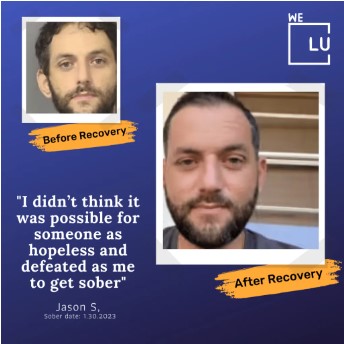
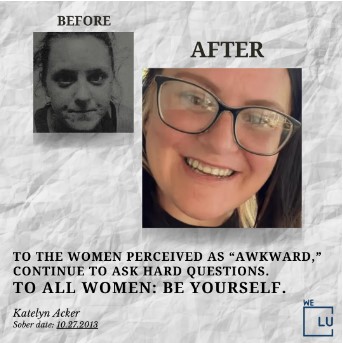
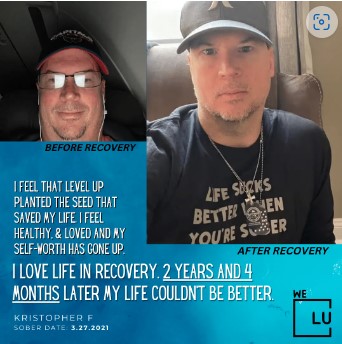
Experience Transformative Recovery at the We Level Up Treatment Center.
See our authentic success stories. Get inspired. Get the help you deserve.
Start a New Life
Begin with a free call to a behavioral health treatment advisor. Learn more about our dual-diagnosis programs. The We Level Up treatment center network delivers recovery programs that vary by each treatment facility. Call to learn more.
- Personalized Care
- Caring Accountable Staff
- Comfortable Amenities
- Licensed & Accredited
- Renowned w/ 5-Star Reviews