

Relationships can feel hard when emotions run high. You may want to speak up but fear takes over. You may stay quiet, then feel angry later. If this sounds familiar, DBT interpersonal effectiveness can help you learn better ways to communicate.
Dialectical Behavior Therapy, also called DBT, teaches practical skills for handling emotions and relationships. These tools are simple, clear, and easy to practice. If you or your loved one struggles with conflict, addiction, or mood swings, DBT interpersonal effectiveness skills can bring real change and hope.
Table of Contents
What Is DBT Interpersonal Effectiveness?
DBT interpersonal effectiveness is a set of skills that help you speak clearly, set limits, and keep your self-respect. These skills come from dialectical behavior therapy skills, which focus on balance. You learn how to accept yourself while also working toward change.
Many people with depression, anxiety, trauma, or substance use problems find relationships stressful. They may avoid conflict or react with strong emotions. DBT communication skills teach you how to ask for what you need without hurting others or yourself.
When you practice DBT relationship techniques, you learn how to say no, handle criticism, and build trust. These tools help you feel more confident in daily life. Over time, your relationships can feel safer and more stable.

Why Interpersonal Skills Matter in Recovery
Healthy relationships play a big role in mental health and addiction recovery. When conflict feels out of control, stress increases. High stress can lead to relapse, isolation, or deeper depression. DBT interpersonal effectiveness gives you tools to handle hard talks in a calm way. You learn how to solve problems instead of avoiding them. This lowers stress and supports long term recovery.
At We Level Up, we include DBT in many of our programs. You can learn more about our mental health treatment programs and dual diagnosis treatment. We help you build skills that support both emotional health and sobriety.
Get Help. Get Better. Get Your Life Back.
Searching for Accredited Dual Diagnosis Mental Health Centers Near You?
Even if therapy failed previously, or are in the middle of a difficult crisis, we stand ready to support you. Our trusted behavioral health specialists will not give up on you. When you feel ready or just want someone to speak to about counseling alternatives to change your life call us. Even if we cannot assist you, we will lead you to wherever you can get support. There is no obligation. Call our hotline today.
FREE 24/7 Dual Diagnosis Mental Health Services HotlineCore Goals of DBT Interpersonal Effectiveness
DBT interpersonal effectiveness focuses on three main goals. These goals guide how you act in relationships. When you understand them, you can choose your response with care.
First, you learn how to get your needs met. This means asking for help, support, or a change in a clear way. Second, you work to keep the relationship healthy. Third, you protect your self respect while speaking honestly.
Balancing these goals can feel tricky at first. You may focus too much on pleasing others or too much on winning the argument. DBT relationship techniques teach you how to find the middle path.

Key DBT Interpersonal Effectiveness Skills
DBT interpersonal effectiveness skills include simple tools with easy steps. These tools help guide hard conversations. You can practice them in therapy, at home, or at work.
DEAR MAN Skill
DEAR MAN is a step by step way to ask for what you need. Each letter stands for a clear action. This skill helps you stay focused and calm during important talks.
- Describe the situation
- Express how you feel
- Assert what you want
- Reinforce why it matters
- Stay Mindful
- Appear confident
- Negotiate if needed
When you follow these steps, you reduce confusion and mixed messages. DEAR MAN supports healthy DBT communication skills that build trust over time.
GIVE Skill
GIVE helps you keep the relationship strong during conflict. It reminds you to stay kind and respectful, even when you disagree.
- Be Gentle
- Act Interested
- Validate the other person
- Use an Easy manner
This skill lowers tension and helps both people feel heard. When others feel respected, they are more open to listening.
FAST Skill
FAST protects your self-respect. Many people in recovery struggle with guilt or shame. FAST reminds you to value yourself during hard talks.
- Be Fair
- No Apologies for existing
- Stick to your values
- Be Truthful
Using FAST helps you avoid people pleasing. It also helps you avoid harsh or aggressive behavior.
End the Emotional Pain. Get Your Life Back.
Feeling Depressed, Anxious or Struggling with Mental Health Illness? Get Safe Comfortable Mental Health Dual Diagnosis High-Quality Therapy From Counselors That Care. Begin Your Recovery Now.
Hotline (855) 940-6125How DBT Communication Skills Help With Addiction
Substance use often connects to relationship stress. When fights happen, some people turn to drugs or alcohol to cope. Learning DBT interpersonal effectiveness can break this pattern. Clear communication reduces anger and confusion. When you express your needs in a healthy way, you feel less trapped. This lowers the urge to escape through substances.
In treatment, therapists guide you through real-life practice. You role play tough talks and get feedback. These dialectical behavior therapy skills become stronger with steady use.
First-class Facilities & Amenities
World-class High-Quality Mental Health Services & Behavioral Health Substance Abuse Treatment
Rehab Centers TourRenowned Mental Health Centers. Serene Private Facilities. Inpatient Rehab Programs Vary.
Mental Health Helpline (855) 940-6125Proven recovery success experience, backed by a Team w/ History of:
15+
Years of Unified Experience
100s
5-Star Reviews Across Our Centers
10K
Recovery Successes
- Comprehensive Dual-Diagnosis Treatment
- Complimentary Family & Alumni Programs
- Coaching, Recovery & Development Events
- Comfortable Onsite Medical Detox Center
DBT Interpersonal Effectiveness in Family Healing
Addiction and mental health struggles affect the whole family. Loved ones may feel hurt, confused, or afraid. DBT relationship techniques help families rebuild trust step by step.
When each person learns DBT communication skills, arguments become calmer. People begin to listen instead of reacting. Over time, respect and understanding grow.
We encourage family involvement in treatment when possible. Our programs support both the individual and their loved ones. Healing works best when everyone learns healthier ways to connect.

World-class, Accredited, 5-Star Reviewed, Effective Mental Health Dual Diagnosis Programs. Complete Integrated Inpatient Rehab with Free Post Discharge Therapy Planning.
CALL (855) 940-6125End the Emotional Pain Rollercoaster. Gain Stability & Happiness Through Recovery Treatment. Start Mental Health Counseling Today. Get Free No-obligation Guidance by Behaviroal Health Specialists Who Understand Mental Health Recovery.
How to Practice DBT Interpersonal Effectiveness Daily
Learning DBT interpersonal effectiveness takes practice. Like any skill, it improves with repetition. You can start with small steps in daily life. Before a hard talk, write down what you want to say. Choose which skill fits best, such as DEAR MAN or GIVE. Take slow breaths and focus on your goal.
After the talk, reflect on what worked well. Notice areas to improve next time. Growth happens through steady effort, not perfection. You may also benefit from joining a DBT skills group. In group sessions, you practice with others who understand your struggles. Support from peers makes learning feel less lonely.
When to Seek Professional Help
If relationship conflict feels constant or intense, professional help can guide you. Strong emotions may make it hard to use skills on your own. A trained therapist can teach DBT interpersonal effectiveness in a clear and supportive way. Signs you may need support include frequent arguments, fear of abandonment, trouble saying no, or using substances to cope with stress. These patterns can improve with the right care.
At We Level Up, our licensed professionals teach dialectical behavior therapy skills in a structured setting. We help you build tools that support healthy relationships and long term recovery.
Benefits of DBT Interpersonal Effectiveness
DBT interpersonal effectiveness offers many practical benefits. These skills can change how you see yourself and others.
You may notice.
- Better communication with family
- Fewer explosive arguments
- More confidence when setting boundaries
- Stronger self respect
- Lower stress in daily life
- Improved recovery outcomes
Small changes in communication can lead to big changes in life. When you feel heard and respected, your mood and motivation often improve.
Experience Transformative Recovery at the We Level Up Treatment Center.
See our authentic success stories. Get inspired. Get the help you deserve.
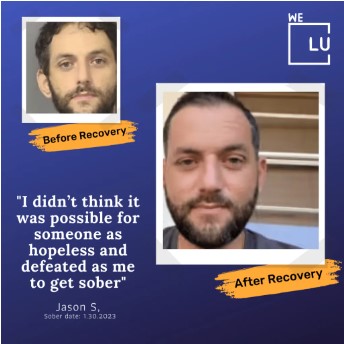
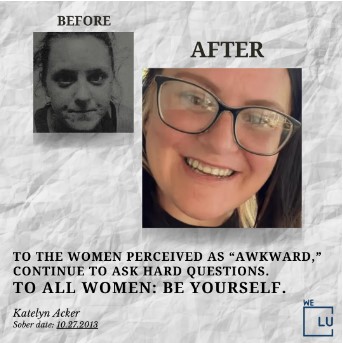
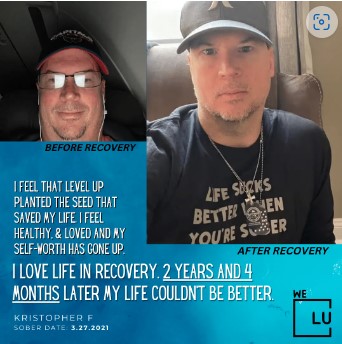
Start a New Life
Begin with a free call to a behavioral health treatment advisor. Learn more about our dual-diagnosis programs. The We Level Up treatment center network delivers recovery programs that vary by each treatment facility. Call to learn more.
- Personalized Care
- Caring Accountable Staff
- Comfortable Amenities
- Licensed & Accredited
- Renowned w/ 5-Star Reviews
We’ll Call You
FAQs
What is DBT interpersonal effectiveness?
DBT interpersonal effectiveness is a set of skills that help you communicate clearly, set boundaries, and protect your self respect. It is part of dialectical behavior therapy skills.
Who can benefit from DBT interpersonal effectiveness skills?
People with depression, anxiety, trauma, personality disorders, or addiction can benefit. Anyone who struggles with conflict or boundaries may find these skills helpful.
How long does it take to learn DBT communication skills?
Many programs teach DBT skills over several months. With steady practice, you can begin using the tools in daily life within weeks.
Can DBT help with family conflict?
Yes. DBT relationship techniques help reduce blame and improve listening. Families often see better communication after learning these skills.
Is DBT only for people with borderline personality disorder?
No. While DBT was first created for borderline personality disorder, many people use it today. It works well for mood disorders and substance use recovery.
Can I practice DBT interpersonal effectiveness on my own?
You can start with basic tools from books or online resources. However, working with a trained therapist gives you guidance and feedback that strengthens your skills.
Take a Step Forward
DBT interpersonal effectiveness gives you tools to talk clearly, stay kind and keep your values strong. Skills like DEAR MAN, GIVE and FAST make relationships feel safer and fairer. You learn to ask for needs, listen well and stand up without fights. Many find more trust, less loneliness and happier bonds. You deserve connections that lift you up. If talks feel hard or old patterns hurt, reach out today. Call our caring hotline for a free, gentle chat. We Level Up FL offers support to guide you toward better communication and stronger ties. Take that first brave step now – warmer relationships await.
Ready to get started? Call (888) 606-5120 or email verifyadmissions@welevelup.com today. A better life is waiting for you.