

Manic Depression vs Bipolar: Understanding the Difference
Mental health terms can feel confusing. You may hear someone say “manic depression.” Someone else may say “bipolar disorder.” You might wonder if they mean the same thing. You may also feel unsure which term is correct today.
The truth is simple. Manic depression vs bipolar is mostly a question about language. The name has changed over time, but the disease is still the same. If you or someone you care about has mood swings, We Level Up FL can help you with organized care and support. It helps people with bipolar disorder, manic depression, and other mood illnesses.
Table of Contents
What Is Bipolar Disorder?
Bipolar disorder is a mood disorder. It causes shifts in mood, energy, and activity levels. These changes go beyond normal ups and downs.
There are two main mood states:
- Mania or hypomania, which involves high energy, less need for sleep, and racing thoughts
- Depression, which includes sadness, low energy, and loss of interest
This mood disorder comparison helps people understand the full picture.
Is Manic Depression outdated term?
Yes. The term manic depression was used for many years. Today, doctors use the term bipolar disorder instead.
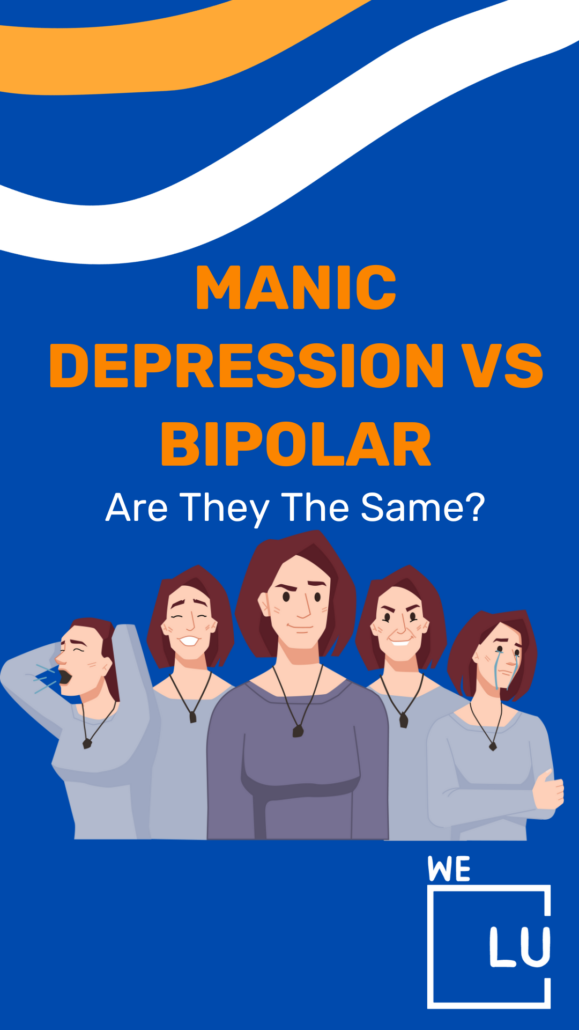
Most of the time, people who talk about manic depression and bipolar disorder are talking about the same disease. The older name gave a good picture of the main signs. Mania means having a lot of energy. Depressed people are in a very bad mood.
The term “bipolar disorder” is now used in medicine. With this change, doctors can better explain the different kinds of diseases.
Why Did the Name Change?
In older books and papers, the phrase “manic depression” is used a lot. In the past, doctors only looked at the two main types of mood. Between mania and sadness, they could clearly see changes.
Over time, studies have shown that moods can change. Strong mania exists in some people. Some people have hypomania, which is a weaker form. Some people are depressed for longer periods of time. The new term bipolar disorder helps describe this range. That is why bipolar terminology explained today focuses on types and patterns, not just two extremes.
Learn More:
- Is Depression Genetic or Environmental?
- Does Vitamin D Help With Depression? What You Need To Know
- 30 Songs About Depression To Help You Feel Less Alone
- Is Depression a Disability? Eligibility, Applying
- 20 Depression Memes That Will Make You Feel Less Alone
- Relationship Depression, Symptoms, Causes and What To Do
- Depression Art: The Link Between Depression And Creativity
- Dementia and Depression Connection, Top Signs & Symptoms
- Short-Term Disability Mental Health
Get Help. Get Better. Get Your Life Back.
Searching for Accredited Dual Diagnosis Mental Health Centers Near You?
Even if therapy failed previously, or are in the middle of a difficult crisis, we stand ready to support you. Our trusted behavioral health specialists will not give up on you. When you feel ready or just want someone to speak to about counseling alternatives to change your life call us. Even if we cannot assist you, we will lead you to wherever you can get support. There is no obligation. Call our hotline today.
FREE 24/7 Dual Diagnosis Mental Health Services HotlineTypes of Bipolar Disorder
Modern diagnosis divides bipolar disorder into types.
Bipolar I
At least one full manic episode is part of this type. Often, depression comes next. Mania could be so bad that you need to go to the hospital.
Bipolar II
Depression and hypomania are both in this group. Hypomania isn’t as bad as full-blown mania, but it still gets in the way of daily life.
Cyclothymic Disorder
Mood changes that don’t fully fit the standards for mania or major depression but still cause distress are a part of this type. Understanding these types is part of bipolar terminology explained clearly and simply.

End the Emotional Pain. Get Your Life Back.
Feeling Depressed, Anxious or Struggling with Mental Health Illness? Get Safe Comfortable Mental Health Dual Diagnosis High-Quality Therapy From Counselors That Care. Begin Your Recovery Now.
Hotline (855) 940-6125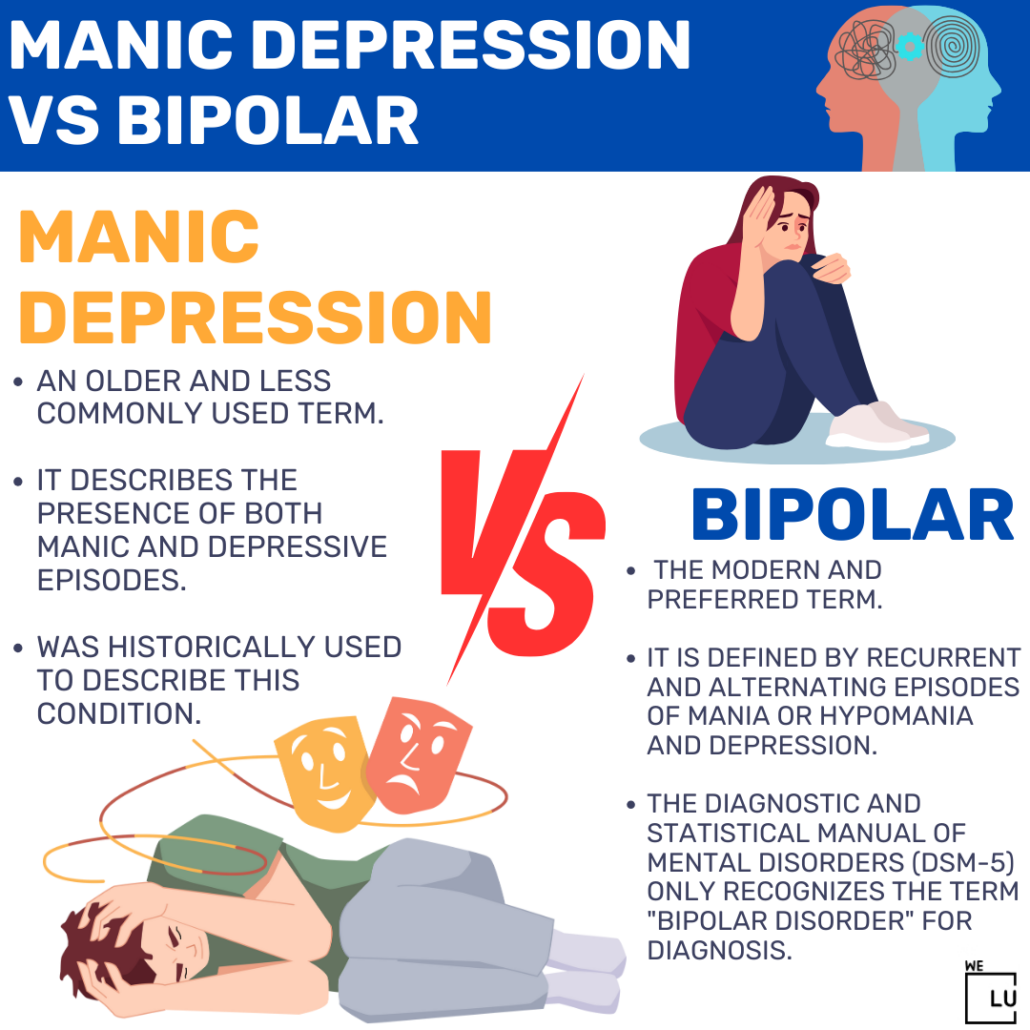
Symptoms of Mania
Mania is more than feeling happy. It is a strong shift in mood and behaviour.
Common signs include:
- Very high energy
- Little need for sleep
- Fast speech
- Risky decisions
- Racing thoughts
A person may feel strong or unstoppable during mania. It is possible to lose judgment. People may spend more, drive more, or do more dangerous things.
Symptoms of Depression
Depression in bipolar disorder can feel heavy and overwhelming.
Common signs include:
- Deep sadness
- Loss of interest
- Low energy
- Changes in sleep
- Feelings of guilt
Depressive episodes may last weeks or months. This is why treatment matters.
How Mood Swings Affect Daily Life
When people compare manic depression vs bipolar, they often focus only on mood changes. In reality, the impact goes deeper.
The work may not get done as well. Things may feel tense in relationships. Sleep stops being stable. During manic bouts, money problems may happen. If you don’t treat your mood swings, they can hurt your confidence and security over time.
Is Bipolar Disorder Genetic?
Family history is important. The risk goes up if a close family member has bipolar illness. But genes are only one thing that matters. Stress, stress, and the way your brain works are also important. The reason for this is not being weak. It’s a physical condition that needs the right care.
When Bipolar Disorder and Addiction Overlap
Some people who have mood dips drink or do drugs to deal with them. At first, drugs may seem to ease symptoms. They make mood swings worse over time.
It is called dual diagnosis when someone has both bipolar illness and drug use. You need to address both problems simultaneously. Putting one off often makes the other worse.
First-class Facilities & Amenities
World-class High-Quality Mental Health Services & Behavioral Health Substance Abuse Treatment
Rehab Centers TourRenowned Mental Health Centers. Serene Private Facilities. Inpatient Rehab Programs Vary.
Mental Health Helpline (855) 940-6125Proven recovery success experience, backed by a Team w/ History of:
15+
Years of Unified Experience
100s
5-Star Reviews Across Our Centers
10K
Recovery Successes
- Comprehensive Dual-Diagnosis Treatment
- Complimentary Family & Alumni Programs
- Coaching, Recovery & Development Events
- Comfortable Onsite Medical Detox Center
How Bipolar Disorder Is Diagnosed
A licensed mental health provider performs a full evaluation. They review mood history, sleep patterns, and family history. There is no simple blood test. Diagnosis is based on clinical assessment and symptom patterns. Clear evaluation supports an accurate manic depression vs bipolar disorder understanding.
Treatment Options
Treatment aims to stabilize mood and prevent relapse.
Medication
Antipsychotics, mood stabilizers, and sometimes antidepressants may be given. A psychiatric provider keeps an eye on success and side effects.
Therapy
Cognitive behavioral therapy helps people deal with their negative thoughts. Therapy teaches people how to deal with problems and spot early warning signs.
Structured Programs
Some people need more help than just going to therapy once a week. There are organized care programs several days a week through Partial Hospitalization Programs and Intensive Outpatient Programs. Residential care helps people with severe symptoms regularly. Every treatment plan is unique.
Why Choose We Level Up FL
We Level Up FL offers planned mental health and dual diagnosis care to people who are having trouble with mood swings and have questions about the difference between bipolar disorder and manic depression.
We have qualified professionals, and we offer psychiatric assessments, therapy, medical detox, residential treatment, Partial Hospitalization Programs, and Intensive Outpatient Programs. When it’s necessary, we treat bipolar disorder, depression, trauma, and drug use all at the same time. In line with current standards, we use clear bipolar terminology in a caring setting. We care about the whole person, long-term healing, and stability.
Ready to get started? Call (888) 606-5120 or email verifyadmissions@welevelup.com today. A better life is waiting for you.
Can Bipolar Disorder Be Managed?
Yes. Many people can live safe and happy lives with the right help. Extreme changes are lessened by medicine. Therapy helps people learn how to deal with problems. Mood balance is helped by healthy habits. Early care lowers the risk of return. Planning for the future makes things more stable.
Frequently Asked Questions
What is manic depression vs bipolar?
They both mean the same thing. Older people used the word “manic depression.” The current medical term is bipolar disorder.
Is manic depression vs bipolar disorder a real difference?
Not at all. It’s the same sickness. As doctors learned more, the name changed.
Why is manic depression considered an outdated term?
The phrase manic depression is an outdated term that appears in older medical texts. Doctors now use bipolar disorder to describe different mood patterns more clearly.
What is bipolar terminology explained in simple terms?
Knowing that there are different types of bipolar illness, not just mania and depression, is important.
What does mood disorder comparison mean?
It looks at how bipolar disorder is different from other mood illnesses, like major depression, to see how the symptoms and treatments are different.
How does We Level Up FL help?
We Level Up FL offers residential treatment, therapy, drug management, psychiatric care, and dual diagnosis programs that are specifically designed to help people with bipolar disorder and other conditions that are similar.
Take the First Step Toward Stability
Living with mood swings can feel exhausting. You may feel confused about manic depression vs bipolar, or unsure what your diagnosis means. What matters most is not the label, but the support you receive.
It’s important that you have stable moods, clear thoughts, and safe care. We Level Up FL offers organized care for mental health and dual diagnosis that is meant to help people find long-term balance. We know how bipolar disease can affect all parts of your life, and we’re here to help you every step of the way. Contact We Level Up FL today. Let this be the moment you choose clarity, stability, and a stronger future.
Ready to get started? Call (888) 606-5120 or email verifyadmissions@welevelup.com today. A better life is waiting for you.
World-class, Accredited, 5-Star Reviewed, Effective Mental Health Dual Diagnosis Programs. Complete Integrated Inpatient Rehab with Free Post Discharge Therapy Planning.
CALL (855) 940-6125End the Emotional Pain Rollercoaster. Gain Stability & Happiness Through Recovery Treatment. Start Mental Health Counseling Today. Get Free No-obligation Guidance by Behaviroal Health Specialists Who Understand Mental Health Recovery.
Tips for Maintaining Your Mental Well-being: Informative Video
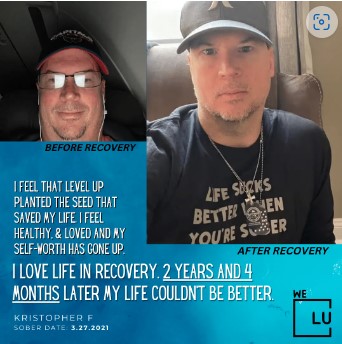
Experience Transformative Recovery at the We Level Up Treatment Center.
See our authentic success stories. Get inspired. Get the help you deserve.
Start a New Life
Begin with a free call to a behavioral health treatment advisor. Learn more about our dual-diagnosis programs. The We Level Up treatment center network delivers recovery programs that vary by each treatment facility. Call to learn more.
- Personalized Care
- Caring Accountable Staff
- Comfortable Amenities
- Licensed & Accredited
- Renowned w/ 5-Star Reviews