

Bipolar Schizophrenia: Signs, Help, and Healing
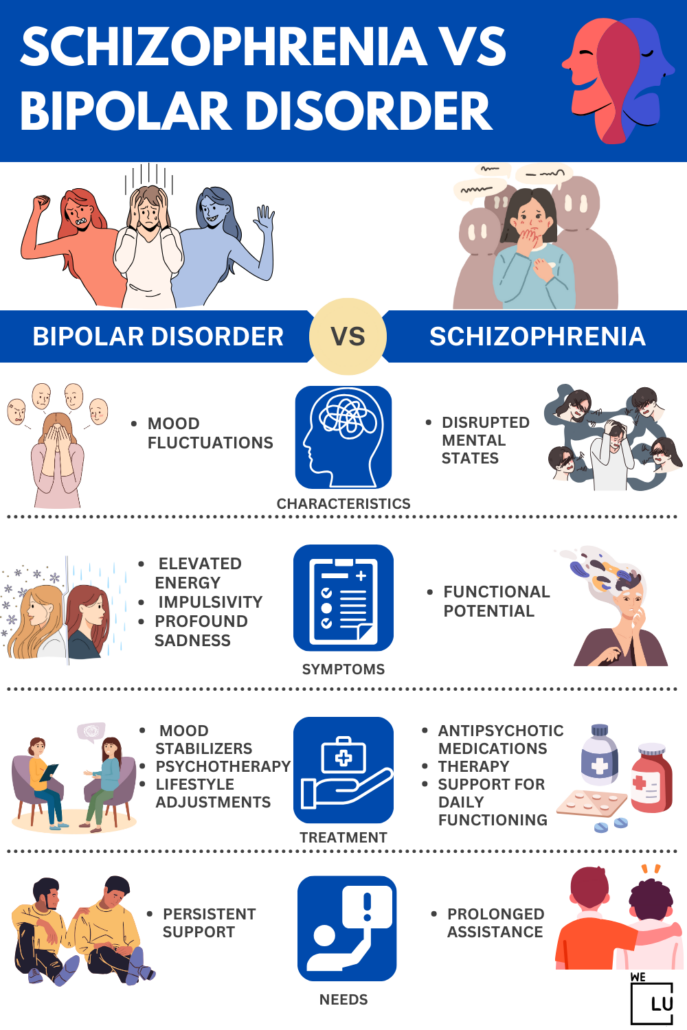
Living with bipolar schizophrenia can feel confusing and scary. People with this condition may have big mood swings, feel very happy or very sad, and sometimes see or hear things that are not real. These changes can make daily life hard, affecting school, work, or relationships. It can also make it hard to understand what is real and what is not. Getting help early can make life safer and calmer. At We Level Up Tamarac FL, people find support, therapy, and medicine that work together. Families also learn how to help their loved ones. Recovery is possible, and small steps can lead to better health and hope for the future.
Get Help. Get Better. Get Your Life Back.
Searching for Accredited Dual Diagnosis Mental Health Centers Near You?
Even if therapy failed previously, or are in the middle of a difficult crisis, we stand ready to support you. Our trusted behavioral health specialists will not give up on you. When you feel ready or just want someone to speak to about counseling alternatives to change your life call us. Even if we cannot assist you, we will lead you to wherever you can get support. There is no obligation. Call our hotline today.
FREE 24/7 Dual Diagnosis Mental Health Services HotlineTable of Contents
What Is Bipolar Schizophrenia?
Bipolar schizophrenia is a mental illness that mixes two conditions. It has symptoms of bipolar disorder and schizophrenia. People with bipolar disorder have very high moods, called mania, and very low moods, called depression. Schizophrenia can make a person see, hear, or believe things that are not real. When someone has bipolar schizophrenia, they can have big mood changes and psychotic symptoms at the same time. This can make it hard to think clearly, make decisions, or handle daily tasks. Many people feel confused, worried, or scared because their moods and thoughts can change suddenly. These symptoms can affect work, school, friendships, and family life.
The National Institute of Mental Health reports that about 1 in 25 adults in the U.S. may have a psychotic mood disorder like bipolar schizophrenia. This shows how common and serious it can be. Early treatment is very important. With help from doctors, therapists, and medicine, people can feel safer and more stable. Therapy can teach coping skills, and family support can make recovery easier. Programs like those at We Level Up Tamarac FL provide care for both mood and psychotic symptoms together. With the right help, people with bipolar schizophrenia can learn to manage their symptoms, stay healthy, and improve their quality of life.
Bipolar Disorder Vs Schizophrenia Facts
Bipolar Schizophrenia Overview
What’s the difference between bipolar and schizophrenia? Bipolar disorder and schizophrenia often puzzle patients and clinicians due to their complex nature and occasional symptoms overlap. Distinguishing between the two is crucial for accurate diagnosis and effective treatment.
Difference Between Schizophrenia and Bipolar
Bipolar disorder and schizophrenia are distinct mental health conditions characterized by unique features, symptoms, and treatment approaches. Here are the key differences between the two:
Nature of the Disorders
- Bipolar Disorder: Bipolar Disorder is characterized by extreme and alternating mood swings, known as mood episodes. These episodes include periods of mania (elevated, irritable mood with increased energy) and depression (profound sadness, low energy, and loss of interest). Individuals with Bipolar Disorder experience fluctuations between these mood states.
- Schizophrenia: Schizophrenia, on the other hand, is a thought disorder that affects how a person thinks, feels, and behaves. It involves a disruption in thought processes, leading to difficulties distinguishing between what is real and what is not. Hallucinations, delusions, disorganized thinking, and speech disturbances are common symptoms of schizophrenia.
A Course of the Illness:
- Bipolar Disorder: Bipolar Disorder is characterized by episodes of mania and depression, which typically recur over time. The frequency, duration, and intensity of these episodes can vary from person to person. Between episodes, individuals may have periods of relative stability.
- Schizophrenia: Schizophrenia tends to have a chronic and often lifelong course. The symptoms of schizophrenia are typically present most of the time, and there may be periods of exacerbation and remission. It usually begins in late adolescence or early adulthood.
Bipolar Schizophrenia Symptoms
- Bipolar Disorder: The core symptoms of bipolar disorder revolve around mood changes. During manic episodes, individuals may experience euphoria, increased energy, racing thoughts, and impulsive behavior. During depressive episodes, they may feel sad lethargic, experience sleep disturbances, and lose interest in activities they once enjoyed.
- Schizophrenia: The primary symptoms of Schizophrenia center around disturbances in thought processes. These may include auditory hallucinations (hearing voices), delusions (firmly held false beliefs), disorganized speech, and social withdrawal. Negative symptoms, such as reduced emotional expression and lack of motivation, may also be present.
Only qualified mental health professionals can accurately diagnose and differentiate between bipolar disorder and schizophrenia. If you or someone you know is experiencing symptoms indicative of these conditions, seeking professional evaluation and appropriate treatment is essential for effective management and support. Early intervention can lead to better outcomes and improved quality of life for individuals with these conditions.

Signs of Bipolar and Schizophrenia
As mentioned before, bipolar disorder and schizophrenia are distinct mental health conditions, and each has its own set of signs and symptoms. Here are the critical signs associated with each disorder:
Signs of Bipolar Disorder
Manic Episodes:
- Elevated or irritable mood: Individuals may feel excessively happy, euphoric, or irritable for an extended period.
- Increased energy and activity: People may become hyperactive, engage in multiple tasks simultaneously, and feel restless.
- Rapid speech: Speech may become fast-paced, with thoughts jumping from one topic to another.
- Impulsivity: People may engage in reckless behaviors like excessive spending, risky sexual encounters, or substance abuse.
- Decreased need for sleep: Individuals can function well with less sleep than usual.
Depressive Episodes:
- Persistent sadness: Individuals experience a prolonged period of deep sadness, hopelessness, or emptiness.
- Loss of interest: A lack of pleasure or interest in activities that were once enjoyable or engaging.
- Changes in appetite and weight: Significant changes in eating habits that may lead to weight gain or weight loss.
- Sleep disturbances: Insomnia or oversleeping can occur.
- Fatigue: Feeling tired or having low energy throughout the day.
- Feelings of worthlessness or guilt: People may experience intense feelings of guilt or worthlessness.
- Difficulty concentrating: Individuals may have trouble focusing or making decisions.
- Thoughts of death or suicide: Persistent thoughts or suicidal ideation require immediate attention and support.
Signs of Schizophrenia
Positive Symptoms:
- Hallucinations: Hearing, seeing, or feeling things that are not present (most commonly auditory hallucinations).
- Delusions: Strongly held false beliefs that are resistant to reason and evidence.
- Disorganized speech: Incoherent or tangential speech that may be difficult to follow.
- Illogical behavior: Displaying unpredictable or purposeless behavior and difficulty with daily activities.
Negative Symptoms:
- Reduced emotional expression: A limited range of emotions and reduced facial expressions.
- Social withdrawal: Isolating oneself from social interactions and relationships.
- Alogia: Reduced speech output or poverty of speech.
- Anhedonia: The inability to experience pleasure or interest in activities.
- Avolition: Loss of motivation to initiate and sustain purposeful activities.
Cognitive Symptoms:
- Impaired executive function: Difficulty with planning, problem-solving, and decision-making.
- Attention deficits: Trouble focusing and maintaining attention on tasks.
Early detection and appropriate treatment can significantly improve the management and quality of life for individuals with these conditions.

End the Emotional Pain. Get Your Life Back.
Feeling Depressed, Anxious or Struggling with Mental Health Illness? Get Safe Comfortable Mental Health Dual Diagnosis High-Quality Therapy From Counselors That Care. Begin Your Recovery Now.
Hotline (855) 940-6125Signs You May Need Bipolar Schizophrenia Treatment
You may need help if you notice these signs:
- Big mood swings from high to low
- Hearing or seeing things that are not real
- False beliefs about reality
- Confused or mixed-up thoughts
- Trouble keeping friends or a job
- Risky actions during high moods
- Feeling sad or hopeless most of the time
If you notice these signs in yourself or someone you love, getting help is important.
First-class Facilities & Amenities
World-class High-Quality Mental Health Services & Behavioral Health Substance Abuse Treatment
Rehab Centers TourRenowned Mental Health Centers. Serene Private Facilities. Inpatient Rehab Programs Vary.
Mental Health Helpline (855) 940-6125Proven recovery success experience, backed by a Team w/ History of:
15+
Years of Unified Experience
100s
5-Star Reviews Across Our Centers
10K
Recovery Successes
- Comprehensive Dual-Diagnosis Treatment
- Complimentary Family & Alumni Programs
- Coaching, Recovery & Development Events
- Comfortable Onsite Medical Detox Center
Why Choose We Level Up Tamarac FL for Bipolar Schizophrenia Treatment?
We Level Up Tamarac FL helps people with bipolar schizophrenia feel better. Our team has doctors, nurses, and helpers. They know how to treat both mood changes and seeing or hearing things that are not real. Each person gets their own plan. The plan can include medicine, therapy, and help with daily life. We also have group sessions. Patients talk to others who understand them. This helps people feel safe and less alone. It also helps them learn skills to control their moods and thoughts.
We include families, too. Families learn about the bipolar vs schizophrenia comparison. They see what their loved one is feeling. They learn ways to help at home. Our team works with patients and families to keep them safe and hopeful. With our care, patients can feel calmer, think clearly, and handle daily life. Choosing We Level Up Tamarac FL gives people and families help, support, and tools for a better future. Recovery is possible, and small steps can make life better.
What to Expect During Bipolar Schizophrenia Treatment?
Treatment at We Level Up Tamarac FL starts with a full check-up. Doctors and therapists ask questions about moods, thoughts, and health history. They look at past medical records and daily life habits. This helps them make a plan that fits each person. The assessment also helps staff understand what symptoms are most serious. Knowing this makes treatment safer and more effective. Patients can ask questions and talk about their experiences. This first step helps patients feel heard and supported.
After the check-up, patients get therapy and medicine. Medicines help control mood swings and reduce hallucinations or delusions. Therapy sessions teach ways to handle strong feelings. Patients also join group sessions. In groups, people share experiences and learn coping skills from each other. Group work can help patients feel less alone and more understood. Daily routines, skills training, and emotional support are all part of this stage.
Finally, we help patients plan for the future. Patients learn how to avoid triggers and handle stress. They also get guidance on taking medicines correctly and staying on track with therapy. Staff help families understand the treatment plan and ways to support their loved one at home. After leaving the program, patients continue to get support and check-ins. These steps help patients stay stable, manage symptoms, and build a healthier, safer life. With guidance and care, recovery is possible, and life can improve steadily.
World-class, Accredited, 5-Star Reviewed, Effective Mental Health Dual Diagnosis Programs. Complete Integrated Inpatient Rehab with Free Post Discharge Therapy Planning.
CALL (855) 940-6125End the Emotional Pain Rollercoaster. Gain Stability & Happiness Through Recovery Treatment. Start Mental Health Counseling Today. Get Free No-obligation Guidance by Behaviroal Health Specialists Who Understand Mental Health Recovery.
Benefits of Bipolar Schizophrenia Treatment
- Care for both mood and psychotic symptoms
- Personalized plans for each patient
- Staff experienced in psychotic mood disorders
- Family education and support
- Help to prevent relapse and keep progress
How to Get Started?
Ready to get started? Call We Level Up Tamarac FL, today. Our staff will check your insurance, schedule an appointment, and make a plan just for you. Early help can make life easier, safer, and more manageable. You do not have to face bipolar schizophrenia alone. Our team is ready to guide you every step. Visit us at 8290 N University Dr, Tamarac, FL 33321, call (954) 420-6627, or email verifyadmissions@welevelup.com. You can also learn more and request help online at https://welevelup.com/tamarac. Taking the first step now can start your journey toward stability, safety, and better health with support from trained professionals.
FAQs About Bipolar Schizophrenia
1. What is the difference between bipolar disorder and schizophrenia?
Bipolar affects moods, making them very high or very low. Schizophrenia affects thoughts, making a person see or hear things not real. Bipolar schizophrenia differences include both mood swings and psychotic symptoms. People may feel very happy, sad, or confused at the same time. Understanding these differences helps families and doctors give the right care.
2. How is bipolar schizophrenia diagnosed?
Doctors look at moods, behavior, and medical history. They check for patterns of mania, depression, and psychosis. They also compare symptoms in a bipolar vs schizophrenia comparison. Diagnosis may take time because symptoms can change. Early diagnosis helps patients get proper treatment sooner.
3. Can bipolar schizophrenia be treated?
Yes. Therapy and medicine help people manage symptoms and live better lives. Early treatment works best. Patients may also join support groups or learn daily coping skills. Treatment helps people feel calmer, safer, and more able to handle life.
4. What is the difference between schizoaffective disorder and bipolar disorder?
Schizoaffective vs bipolar means psychotic symptoms may last longer in schizoaffective disorder. Bipolar schizophrenia has both mood swings and psychotic symptoms together. Knowing the difference helps doctors give proper care and medicine.
5. Are medicines needed for bipolar schizophrenia?
Yes. Mood stabilizers and antipsychotics help control moods and hallucinations. Medicines also help reduce confusion and prevent dangerous behavior. Patients usually take medicine along with therapy for the best results.
6. Can therapy help with bipolar schizophrenia?
Yes. Therapy helps people handle stress, control moods, and avoid triggers. Therapists also teach problem-solving and coping skills. Therapy can happen individually or in groups, and families can join to give more support.
Experience Transformative Recovery at the We Level Up Treatment Center.
See our authentic success stories. Get inspired. Get the help you deserve.

Start a New Life
Begin with a free call to a behavioral health treatment advisor. Learn more about our dual-diagnosis programs. The We Level Up treatment center network delivers recovery programs that vary by each treatment facility. Call to learn more.
- Personalized Care
- Caring Accountable Staff
- Comfortable Amenities
- Licensed & Accredited
- Renowned w/ 5-Star Reviews