

Depression and ADHD often happen together. Many people feel confused when they notice signs of both. You may struggle to focus, feel sad most days, or lose interest in things you once enjoyed. When these problems mix, daily life can feel very hard. School, work, and relationships may suffer. You may even wonder what is wrong with you.
If this sounds familiar, you are not alone. Depression and ADHD comorbidity is common in both teens and adults. The good news is that treatment can help. When you understand the ADHD depression overlap, you can take the right steps toward healing and hope.
What Is ADHD?
ADHD stands for Attention Deficit Hyperactivity Disorder. It affects how the brain manages focus, energy, and self-control. Some people with ADHD feel restless and talk a lot. Others seem quiet but struggle to pay attention. Many people have trouble staying organized or finishing tasks.
ADHD usually starts in childhood, but it can continue into adulthood. Adults with ADHD may forget appointments, miss deadlines, or feel overwhelmed by simple tasks. Over time, these struggles can hurt self-esteem and lead to stress. This stress can raise the risk of depression.
Common Symptoms of ADHD
People with ADHD may show different signs. Some of the most common symptoms include:
- Trouble focusing on tasks
- Forgetting important details
- Losing things often
- Acting without thinking
- Feeling restless or impatient
- Difficulty finishing projects
Not everyone with ADHD has the same symptoms. Some people struggle more with attention, while others struggle more with impulse control. When ADHD is not treated, it can affect school, work, and relationships in deep ways.
Skip To:
Get Help. Get Better. Get Your Life Back.
Searching for Accredited Dual Diagnosis Mental Health Centers Near You?
Even if therapy failed previously, or are in the middle of a difficult crisis, we stand ready to support you. Our trusted behavioral health specialists will not give up on you. When you feel ready or just want someone to speak to about counseling alternatives to change your life call us. Even if we cannot assist you, we will lead you to wherever you can get support. There is no obligation. Call our hotline today.
FREE 24/7 Dual Diagnosis Mental Health Services HotlineWhat Is Depression?
Depression is more than feeling sad for a few days. It is a serious mood disorder that affects how you think, feel, and act. People with depression often feel empty, hopeless, or tired most of the time. These feelings can last for weeks or months.
Depression can also affect the body. You may sleep too much or too little. You may eat more or lose your appetite. You might find it hard to enjoy activities that once made you happy. When depression continues without help, it can lead to serious health problems.
Common Symptoms of Depression
Depression symptoms can look different for each person. Many people experience:
- Ongoing sadness or low mood
- Loss of interest in hobbies
- Low energy or fatigue
- Trouble sleeping
- Changes in appetite
- Feelings of guilt or worthlessness
- Thoughts of death or suicide
If you or someone you love has thoughts of self-harm, seek help right away. Professional care can save lives and bring hope back into focus.

End the Emotional Pain. Get Your Life Back.
Feeling Depressed, Anxious or Struggling with Mental Health Illness? Get Safe Comfortable Mental Health Dual Diagnosis High-Quality Therapy From Counselors That Care. Begin Your Recovery Now.
Hotline (855) 940-6125Depression and ADHD Comorbidity
Depression and ADHD comorbidity means a person has both conditions at the same time. This is also called a dual diagnosis ADHD depression. Research shows that people with ADHD are more likely to develop depression than those without it.
Living with ADHD can be stressful. You may feel like you are always behind or not meeting expectations. Over time, this stress can lead to low self-esteem and sadness. The attention deficit depression link becomes clear when you see how long-term struggles affect mood.
When both conditions happen together, symptoms can become stronger. You may feel distracted and hopeless at the same time. This mix can make it harder to ask for help, which is why early treatment matters so much.
First-class Facilities & Amenities
World-class High-Quality Mental Health Services & Behavioral Health Substance Abuse Treatment
Rehab Centers TourRenowned Mental Health Centers. Serene Private Facilities. Inpatient Rehab Programs Vary.
Mental Health Helpline (855) 940-6125Proven recovery success experience, backed by a Team w/ History of:
15+
Years of Unified Experience
100s
5-Star Reviews Across Our Centers
10K
Recovery Successes
- Comprehensive Dual-Diagnosis Treatment
- Complimentary Family & Alumni Programs
- Coaching, Recovery & Development Events
- Comfortable Onsite Medical Detox Center
Understanding the ADHD Depression Overlap
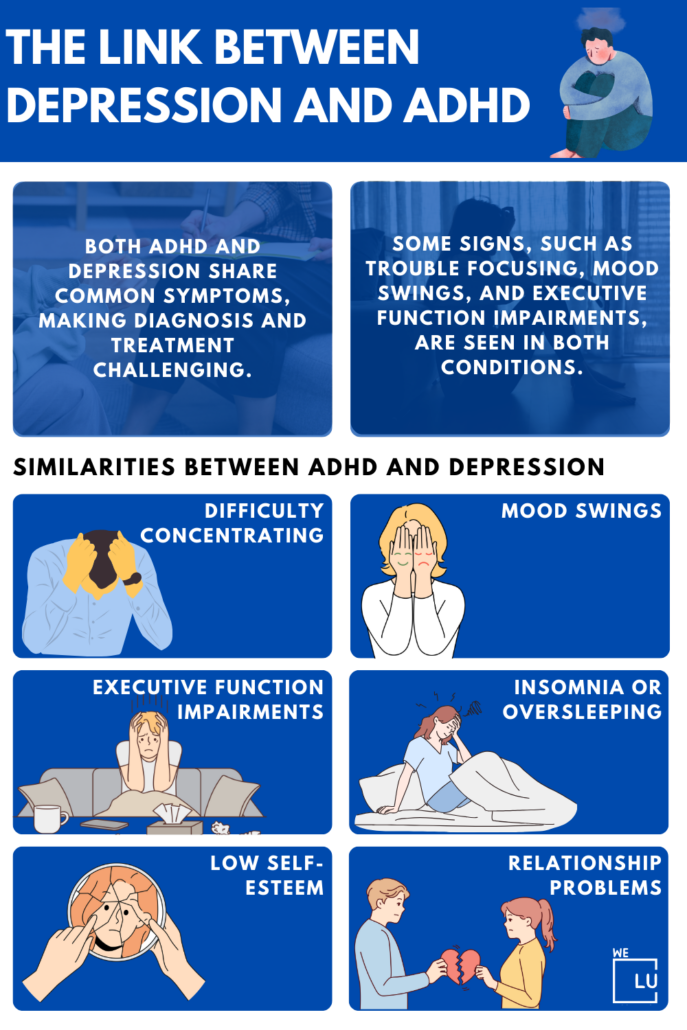
ADHD and depression share some similar symptoms. This overlap can make it hard to know which condition is causing the problem. For example, both conditions can cause trouble focusing. Both can lead to low motivation and poor performance at work or school.
However, the reasons behind the symptoms are different. In ADHD, focus problems come from how the brain manages attention. In depression, focus problems often come from low energy or lack of interest. A trained mental health provider can tell the difference and create the right treatment plan.

How to Tell the Difference
Here are a few ways professionals separate ADHD from depression:
- ADHD symptoms often start in childhood
- Depression may begin later in life
- ADHD causes lifelong focus issues
- Depression may cause focus problems only during low moods
- ADHD includes impulsive behavior
- Depression often includes deep sadness or hopeless thoughts
Understanding these differences helps doctors treat both conditions correctly.
Why Depression and ADHD Happen Together
The link between depression and ADHD is complex. Brain chemistry plays a role. Both conditions involve chemicals in the brain that affect mood, focus and motivation. When these chemicals are not balanced, symptoms can appear.
Life experience also matters. Many people with ADHD grow up hearing negative feedback. They may feel misunderstood or labeled as lazy. Over time, this can harm confidence and increase the risk of depression. Stress, trauma, and family history can also raise the risk of both conditions.
When you treat ADHD early, you may lower the risk of depression later. That is why early support is so important.
Risks of Untreated Dual Diagnosis ADHD Depression
When both conditions go untreated, daily life can become overwhelming. You may struggle to keep a job or maintain healthy relationships. You might turn to alcohol or drugs to cope with emotional pain.
Untreated depression and ADHD can also increase the risk of anxiety and substance use disorders. Many people try to self-medicate to calm their thoughts or boost energy. This often makes symptoms worse over time. Getting professional help can stop this cycle and support long-term recovery.
World-class, Accredited, 5-Star Reviewed, Effective Mental Health Dual Diagnosis Programs. Complete Integrated Inpatient Rehab with Free Post Discharge Therapy Planning.
CALL (855) 940-6125End the Emotional Pain Rollercoaster. Gain Stability & Happiness Through Recovery Treatment. Start Mental Health Counseling Today. Get Free No-obligation Guidance by Behaviroal Health Specialists Who Understand Mental Health Recovery.
How Depression and ADHD Are Diagnosed
A full mental health assessment is the first step. A doctor or therapist will ask about your symptoms, history, and daily struggles. They may use questionnaires and interviews to understand your experiences better.
Honest answers help providers create the right plan. If you have signs of both conditions, your provider will look at how symptoms started and how they affect your life now. This careful review ensures that you receive accurate treatment for depression and ADHD.
Treatment for Depression and ADHD
The good news is that treatment works. Many people improve with the right mix of therapy, medication, and support. Each person’s plan will look different, based on their needs and goals.
When treating depression and ADHD together, providers often address both at the same time.
Therapy Options
Therapy can teach skills that improve mood and focus. Common therapy options include:
- Cognitive Behavioral Therapy which helps change negative thought patterns
- Behavioral therapy, which builds better habits and routines
- Family therapy, which improves communication at home
- Group therapy, which provides support from others
Therapy helps you understand how thoughts, feelings, and actions connect. Over time, you learn tools to manage symptoms more effectively.
Medication Options
Medication can help balance brain chemicals. Doctors may prescribe stimulant or non-stimulant medication for ADHD. They may also prescribe antidepressants to treat depression. A provider will monitor side effects and adjust doses as needed. Never stop or change medication without medical advice. When used correctly, medication can greatly reduce symptoms and improve quality of life.
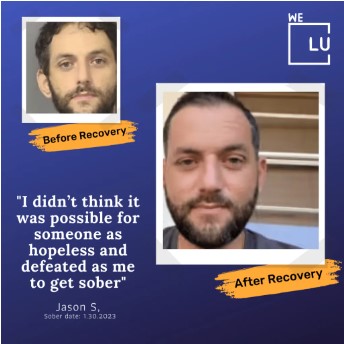
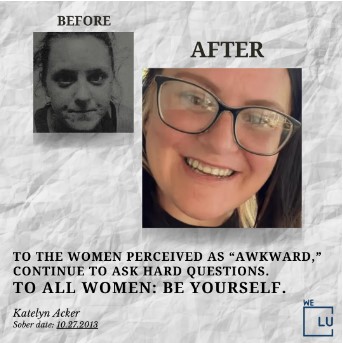
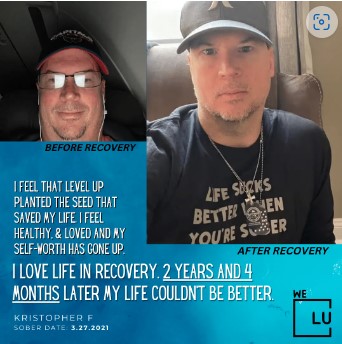
Experience Transformative Recovery at the We Level Up Treatment Center.
See our authentic success stories. Get inspired. Get the help you deserve.
Start a New Life
Begin with a free call to a behavioral health treatment advisor. Learn more about our dual-diagnosis programs. The We Level Up treatment center network delivers recovery programs that vary by each treatment facility. Call to learn more.
- Personalized Care
- Caring Accountable Staff
- Comfortable Amenities
- Licensed & Accredited
- Renowned w/ 5-Star Reviews
We’ll Call You
Lifestyle Changes That Support Healing
Professional treatment works best when paired with healthy habits. Small daily changes can make a big difference over time.
Helpful habits include.
- Getting regular sleep
- Eating balanced meals
- Exercising several times a week
- Limiting alcohol and drug use
- Creating simple daily routines
- Practicing stress management
Even small steps can improve mood and focus. Support from family and friends also plays an important role in recovery.
When to Seek Professional Help
You should seek help if symptoms affect your daily life. If you feel sad most days, struggle to focus, or feel overwhelmed, talk to a professional. Early care can prevent symptoms from getting worse.
If you notice signs of substance use or thoughts of self-harm, seek help right away. Treatment centers that specialize in depression treatment or dual diagnosis treatment can provide full support. You do not have to face this alone.
Frequently Asked Questions
Can ADHD cause depression?
ADHD does not directly cause depression but it can increase the risk. Ongoing struggles with focus and organization may lead to stress and low self-esteem. Over time, this can develop into depression.
How common is depression and ADHD comorbidity?
Depression and ADHD comorbidity is common. Many teens and adults with ADHD experience depression at some point in their lives. Early treatment lowers this risk.
Can you treat both conditions at the same time?
Yes, providers often treat both together. Therapy and medication can address symptoms of ADHD and depression at the same time. This approach improves outcomes.
What is the attention deficit depression link?
The attention deficit depression link refers to how ADHD symptoms can lead to emotional stress. Long-term frustration and negative feedback may increase the chance of depression.
Are medications safe for dual diagnosis ADHD depression?
When prescribed and monitored by a doctor, medications are generally safe. Providers adjust treatment plans to reduce side effects and support overall health.
Will I need long-term treatment?
Some people need long-term support while others improve with short-term care. Your provider will review progress and adjust the plan based on your needs.
Tips for Maintaining Your Mental Well-being
Finding Hope and Healing
Living with depression and ADHD can feel heavy, but recovery is possible. With the right support, you can improve focus, lift your mood and rebuild confidence. Treatment helps you understand your symptoms and learn skills that last a lifetime. You deserve care that sees the full picture of your mental health. If you or someone you love struggles with depression and ADHD, reach out today. A caring team can guide you toward stability, healing and a brighter future.