

If you or someone you love lives with bipolar disorder, you may wonder, is bipolar a disability? This is a very common question. Many people ask it when work becomes hard, when symptoms get worse, or when they need financial help.
We understand how hard this feels. Bipolar brings big mood changes that can make life tough. But many people get help and live well. This article explains everything in simple words. We talk about rights, benefits, and ways to get support. You deserve to know your options and feel hopeful.
Bipolar is real and serious. But with the right care, you can manage it. Let’s look at what it means for disability and how to move forward.
What Is Bipolar Disorder?
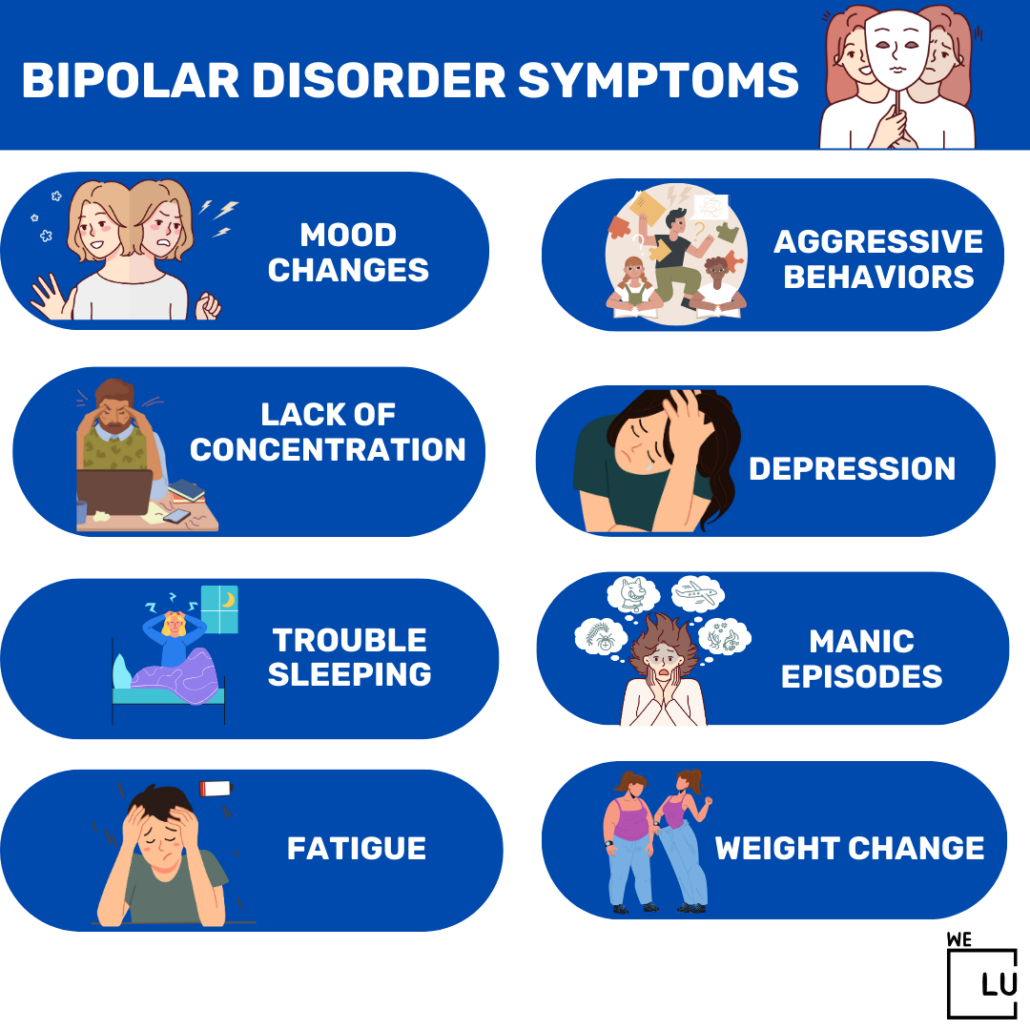
Bipolar disorder is a mental health condition. It causes strong shifts in mood, energy, and activity. You might feel very high and full of energy one time. Then you feel very low and sad another time.
These shifts are called episodes. Manic episodes make you feel excited, talk fast, and do risky things. Depressive episodes bring deep sadness, no energy, and trouble thinking. These changes can last days, weeks, or longer. They affect sleep, work, relationships, and daily tasks.
Doctors know two main types. Bipolar I has full manic episodes that can be very strong. Bipolar II has milder highs called hypomania and deeper lows. Both can make life hard if not treated. Treatment helps most people feel more stable.
Is Bipolar a Disability Under the Law?
Yes, bipolar disorder can qualify as a disability under certain laws. In the United States, two main systems matter. One protects your rights at work. The other provides financial support if you cannot work.
The first is the Americans with Disabilities Act, also known as the ADA. The second is Social Security disability benefits. Each system has different rules, but both recognize serious mental health conditions.
Bipolar ADA Protection
Under the ADA, bipolar disorder counts as a disability if it limits major life activities. These activities include working, concentrating, sleeping, thinking clearly, and caring for yourself.
If your bipolar disorder makes these tasks much harder, the law protects you. Your employer cannot fire you, refuse to hire you, or treat you unfairly because of your condition. This protection applies even if your symptoms come and go.
Social Security and Bipolar Disorder Disability Benefits
You can get money help if bipolar disorder keeps you from working. The main programs come from Social Security. They have rules to decide who qualifies.
Social Security Disability Insurance pays if you worked and paid taxes before. Supplemental Security Income helps if you have a low income and few resources. Both look at medical proof and how bipolar limits you.
To get approved, show records from doctors. Include hospital stays, medicine lists, and notes on how symptoms affect normal work. Many claims get denied first but win on appeal. Getting help from a lawyer or expert makes it easier.
Table of Contents
Are you Bipolar?
If you suspect you have bipolar disorder or want to understand your mental health better, taking this self-assessment can be a valuable first step.
At We Level Up Mental Health Center, you’ll find a supportive environment where you can work on managing impulsive behaviors, improving emotional regulation, and developing healthier coping mechanisms for bipolar disability.
Get Help. Get Better. Get Your Life Back.
Searching for Accredited Dual Diagnosis Mental Health Centers Near You?
Even if therapy failed previously, or are in the middle of a difficult crisis, we stand ready to support you. Our trusted behavioral health specialists will not give up on you. When you feel ready or just want someone to speak to about counseling alternatives to change your life call us. Even if we cannot assist you, we will lead you to wherever you can get support. There is no obligation. Call our hotline today.
FREE 24/7 Dual Diagnosis Mental Health Services HotlineHow Bipolar Affects Daily Life and Work
Bipolar changes how you feel and act every day. During manic times, you might sleep little, spend too much money or make quick choices that hurt later. In depressive times, getting out of bed feels too hard, and focus goes away.
At work, this can mean missing days, trouble finishing tasks or problems with coworkers. Some people lose jobs because of these issues. Others face stress that makes episodes worse. But support changes things. Good treatment and understanding from others help many keep jobs or find new ones. You are not broken. You just need tools to handle the ups and downs.
Understanding Bipolar Disorder PDF Download
Bipolar Work Accommodations: What Help Can You Ask For?
If you can work but need support, the ADA allows reasonable accommodations. These are changes that help you do your job without changing the main duties.
Examples of Bipolar Work Accommodations
Employers may provide:
- Flexible start and end times
- Extra breaks during the day
- Time off for therapy or medical visits
- A quieter workspace
- Clear written instructions
- Adjusted deadlines during symptom flare-ups
These changes help many people stay productive and stable. An employer must provide accommodations unless it causes serious difficulty or high cost for the business. You do not have to share every detail about your diagnosis. You only need to explain that you have a medical condition covered under the ADA and that you need support.
How to Qualify for Bipolar Disorder Disability Benefits
Applying for disability benefits can feel stressful. The process requires patience and strong medical evidence. Still, many people receive approval when they provide clear proof.
First, you need a formal diagnosis from a licensed mental health professional. You also need medical records that show ongoing treatment. These records should explain how bipolar disorder affects your daily life.
The Social Security Administration looks at:
- The severity of mood episodes
- Hospitalizations or crisis care
- Ability to concentrate and follow instructions
- Ability to interact with others
- Ability to handle stress
They also review your work history. If you can still perform certain types of work, your claim may be denied. Many people are denied at first but win on appeal.
Getting help from a disability attorney or advocate can improve your chances.

End the Emotional Pain. Get Your Life Back.
Feeling Depressed, Anxious or Struggling with Mental Health Illness? Get Safe Comfortable Mental Health Dual Diagnosis High-Quality Therapy From Counselors That Care. Begin Your Recovery Now.
Hotline (855) 940-6125Understanding Your Bipolar Mental Health Rights
Living with bipolar disorder does not mean giving up your rights. The law protects people with mental health conditions just like it protects those with physical conditions. You have the right to fair treatment at work. You have the right to privacy about your health information. You have the right to request reasonable accommodations.
Schools, public programs, and government services must also provide equal access. If you face discrimination, you can file a complaint. Many people do not realize they have these protections. Knowing your bipolar mental health rights gives you power. It helps you make informed decisions about work and treatment.
For individuals struggling with bipolar psychosis, We Level Up Mental Health Center offers specialized and compassionate bipolar disorder treatment.
First-class Facilities & Amenities
World-class High-Quality Mental Health Services & Behavioral Health Substance Abuse Treatment
Rehab Centers TourRenowned Mental Health Centers. Serene Private Facilities. Inpatient Rehab Programs Vary.
Mental Health Helpline (855) 940-6125Proven recovery success experience, backed by a Team w/ History of:
15+
Years of Unified Experience
100s
5-Star Reviews Across Our Centers
10K
Recovery Successes
- Comprehensive Dual-Diagnosis Treatment
- Complimentary Family & Alumni Programs
- Coaching, Recovery & Development Events
- Comfortable Onsite Medical Detox Center
When Should You Seek Professional Help?

If bipolar disorder is affecting your job, finances, or safety, it is important to seek help right away. Early treatment can prevent symptoms from getting worse.
A mental health treatment center can offer therapy, medication management, and support planning. If you also struggle with substance use, integrated treatment can address both conditions at the same time.
You do not have to wait until everything falls apart. Getting help early often protects your career, relationships, and long term health.
World-class, Accredited, 5-Star Reviewed, Effective Mental Health Dual Diagnosis Programs. Complete Integrated Inpatient Rehab with Free Post Discharge Therapy Planning.
CALL (855) 940-6125End the Emotional Pain Rollercoaster. Gain Stability & Happiness Through Recovery Treatment. Start Mental Health Counseling Today. Get Free No-obligation Guidance by Behaviroal Health Specialists Who Understand Mental Health Recovery.
FAQs
-
Is bipolar a disability?
Yes, it can be. Laws like the ADA see it as one if it limits big life activities. The SSA may give benefits if one stops working.
-
Can you get disability benefits for bipolar disorder?
Yes. If symptoms are severe and stop you from working, you may qualify for SSDI or SSI. You need strong medical proof.
-
Does the ADA protect people with bipolar?
Yes. It stops discrimination and asks for work accommodations. This helps you keep or get a job.
-
What accommodations help at work with bipolar?
Things like flexible hours, breaks, quiet spaces or written tasks. Talk to your employer about what you need.
-
How do I apply for bipolar disability benefits?
Apply online at SSA.gov or by phone. Gather doctor records, treatment history, and work details. Appeals often help if denied first.
-
Does treatment make bipolar less of a disability?
Treatment helps a lot. It can make symptoms milder so you manage better. But if it still limits you badly, you may still qualify for help.
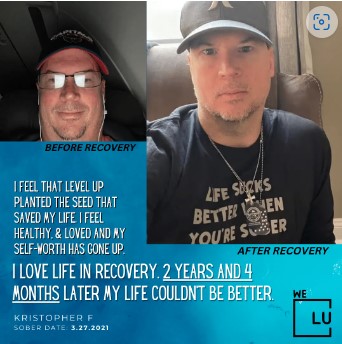
Experience Transformative Recovery at the We Level Up Treatment Center.
See our authentic success stories. Get inspired. Get the help you deserve.
Start a New Life
Begin with a free call to a behavioral health treatment advisor. Learn more about our dual-diagnosis programs. The We Level Up treatment center network delivers recovery programs that vary by each treatment facility. Call to learn more.
- Personalized Care
- Caring Accountable Staff
- Comfortable Amenities
- Licensed & Accredited
- Renowned w/ 5-Star Reviews
We’ll Call You
Take a Step Forward
Bipolar disorder can act as a disability when it greatly affects your work and daily life. Laws give protection, rights, and possible financial help through benefits. You have options to get accommodations, treatment, and support that make things easier.
Do not wait if you need help. Reach out today for a free talk with our team. We offer caring mental health support tailored to bipolar and any other needs. Call us or visit our site now. You deserve stability, hope, and a better tomorrow. We are here to walk with you every step.
8 Steps & Tips for Maintaining Your Mental Wellbeing Informative Video
Video Script
We at We Level Up FL are dedicated to personalized mental health services tailored to each person’s unique needs. Our experienced team collaborates closely with clients to create therapy programs that address their challenges and align with their goals. With empathy and support, we empower individuals to take an active role in their mental health journey by providing tools and strategies. We encourage exploration, self-discovery, and growth in a safe and nurturing environment. We understand that everyone is different, so we listen attentively and develop customized therapy plans based on individual concerns, strengths, and aspirations.