
Melatonin and Depression: Understanding the Connection
Mood and sleep are closely linked. If you don’t get enough sleep, your thoughts might feel heavy. Your strength might go down. You might not understand why you’re sad. Many people are curious about whether melatonin and depression are connected because it controls sleep.
Melatonin is called the sleep hormone for a reason. It tells your body it’s time to rest. When your sleep changes, so does your mood. If you have trouble sleeping and your mood is low, learning about the link between them might help you figure out what’s going on. We Level Up FL offers professional care for melatonin and depression issues if you need more structured mental health help than just supplements.
Table of Contents
What Is Melatonin?
Melatonin is a natural hormone made by the brain. It comes out when it gets dark. This signals to your body that it’s time to sleep. Light makes melatonin levels drop. They rise in the dark.
This hormone keeps your body’s clock going. It helps keep your sleep schedule in check. To sleep better, keep the cycle steady. When it is out of balance, it can make it hard to sleep.
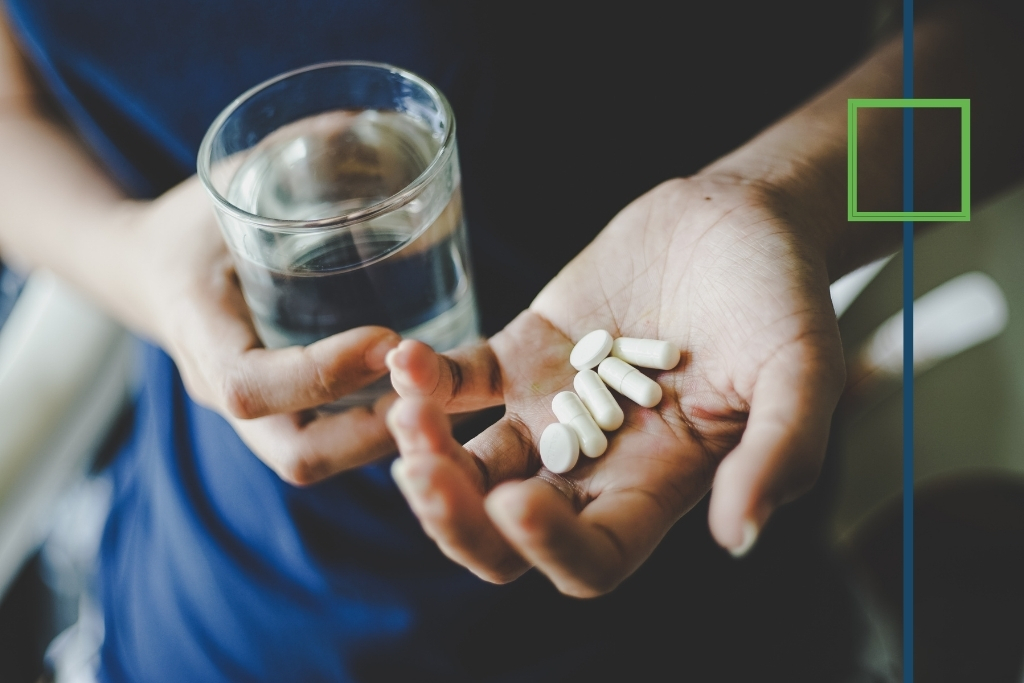
For less than $10, you can buy melatonin pills. A lot of people use them to fall asleep faster. But getting enough sleep is only one part of being mentally healthy.
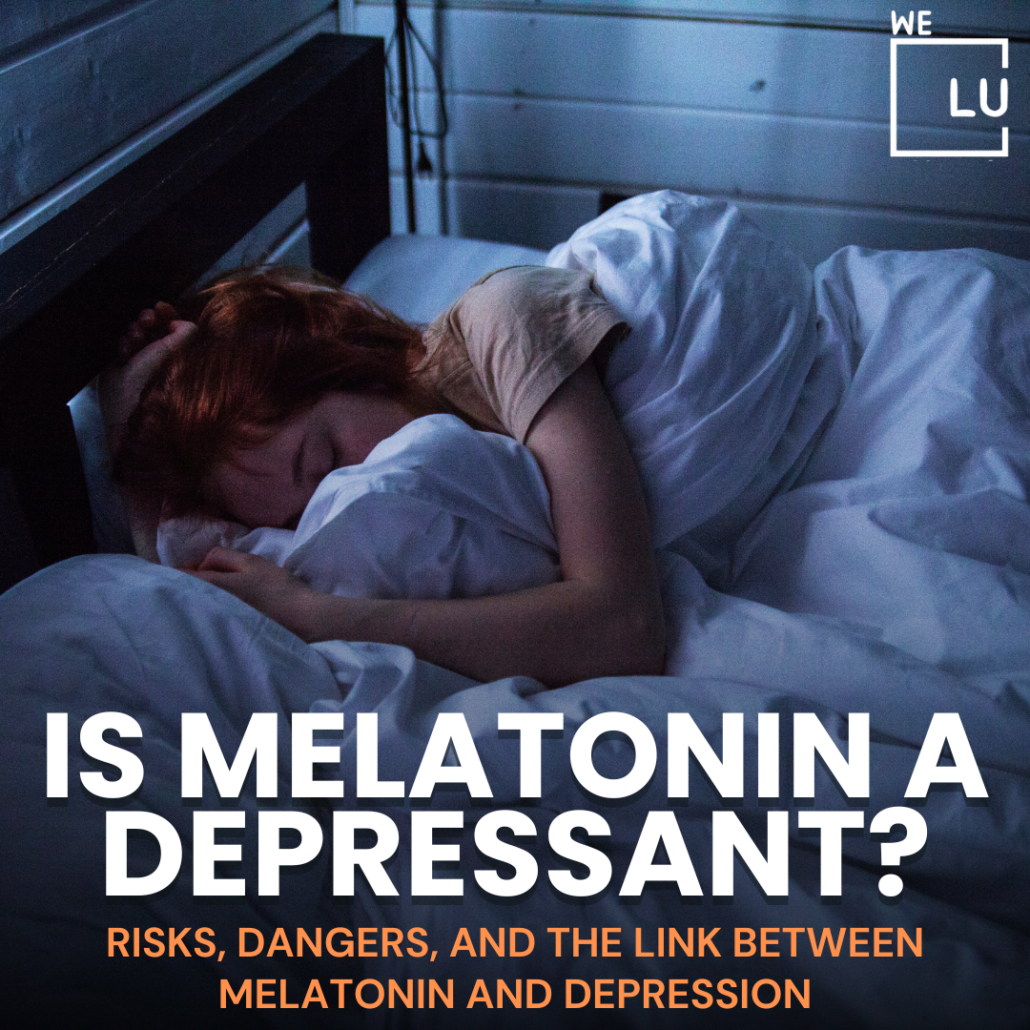
How Are Melatonin and Depression Connected?
The connection between melatonin and depression often centers on sleep disruption. Many people with depression find it difficult to get to sleep or stay asleep. Some people feel tired even though they sleep too much.
There may be a link between sleep hormones and depression, according to research. When melatonin levels are out of sync, it can be hard to control your mood. To keep stress hormones and emotional reactions in check, the brain needs regular sleep cycles.
However, melatonin does not cure depression on its own. It might help you sleep better, which can help keep your mood stable. Good sleep helps you think more clearly and keep your emotions in check.
Get Help. Get Better. Get Your Life Back.
Searching for Accredited Dual Diagnosis Mental Health Centers Near You?
Even if therapy failed previously, or are in the middle of a difficult crisis, we stand ready to support you. Our trusted behavioral health specialists will not give up on you. When you feel ready or just want someone to speak to about counseling alternatives to change your life call us. Even if we cannot assist you, we will lead you to wherever you can get support. There is no obligation. Call our hotline today.
FREE 24/7 Dual Diagnosis Mental Health Services HotlineUnderstanding Melatonin Depression Effects
Some people want to know if melatonin can make you feel better or worse. Studies have found different things. Sometimes, getting more sleep makes you feel better. Sometimes taking melatonin supplements can lead to intense dreams or minor mood changes.
Possible melatonin depression effects include:
- Improved sleep quality in some individuals
- Temporary changes in mood or energy
Most side effects are mild. Still, people with severe depression should speak with a provider before starting supplements. Melatonin is not an antidepressant. It does not treat deep sadness, hopelessness, or suicidal thoughts.
The Melatonin Mood Impact on Daily Life
The melatonin mood impact often depends on sleep quality. When sleep improves, concentration and patience may improve too. When sleep stays poor, mood symptoms may continue.
Sleep affects the part of the brain that manages stress. Poor rest increases irritability. It can make small problems feel large. Over time, chronic sleep problems may worsen depression symptoms. Healthy sleep supports emotional balance. That is why many treatment plans focus on improving sleep habits along with therapy and medication.

End the Emotional Pain. Get Your Life Back.
Feeling Depressed, Anxious or Struggling with Mental Health Illness? Get Safe Comfortable Mental Health Dual Diagnosis High-Quality Therapy From Counselors That Care. Begin Your Recovery Now.
Hotline (855) 940-6125What Is the Sleep Hormone Depression Link?
The link between sleep hormones and depression has to do with how circadian rhythms impact mood. Circadian rhythms are like a clock in your body. Mental health may get worse when this clock is off.
Melatonin release can be slowed down by worry, shift work, and late-night screen time. This may make you more prone to depression in the long run.
No matter what, depression has many reasons. Brain chemicals, trauma, genes, and stress in everyday life all play a part. Unbalanced melatonin is only one part of a bigger story.
Can Melatonin Treat Depression?
Melatonin supplements might help maintain sleep patterns. They don’t take the place of treatment or antidepressants. If someone has minor mood changes due to sleep, getting more sleep may improve their overall mental health. But people with clinical depression often need organized care.
Signs that depression needs professional help include:
- Persistent sadness lasting more than two weeks
- Loss of interest in activities
- Thoughts of self-harm
- Major changes in appetite or sleep
If these symptoms appear, supplements alone are not enough.
First-class Facilities & Amenities
World-class High-Quality Mental Health Services & Behavioral Health Substance Abuse Treatment
Rehab Centers TourRenowned Mental Health Centers. Serene Private Facilities. Inpatient Rehab Programs Vary.
Mental Health Helpline (855) 940-6125Proven recovery success experience, backed by a Team w/ History of:
15+
Years of Unified Experience
100s
5-Star Reviews Across Our Centers
10K
Recovery Successes
- Comprehensive Dual-Diagnosis Treatment
- Complimentary Family & Alumni Programs
- Coaching, Recovery & Development Events
- Comfortable Onsite Medical Detox Center
When Sleep Problems Signal Something Deeper
Sometimes sleep trouble is an early sign of depression. Other times, depression causes sleep issues. It can be difficult to tell which came first.
If melatonin helps you sleep but you’re still sad, you may still need to treat the cause of your sadness. People with mood disorders often need treatment to change the way they think negatively. Ignoring deeper signs of depression can make it worse. Long-term results are better when care starts early.
Melatonin Mental Health and Anxiety
Melatonin mental health research also looks at anxiety. Poor sleep increases anxiety levels. Anxiety can then make sleep worse. This cycle may worsen mood symptoms.
Small amounts of melatonin can help some people feel less anxious at night. In some people, anxiety keeps going because the cause isn’t being handled. That’s why, along with therapy and medication when needed, mental health care often includes teaching people how to sleep well.
When Depression and Substance Use Overlap
Some people use alcohol or drugs to fall asleep. At first, substances may seem helpful. Over time, they damage sleep cycles and worsen depression.
This creates a dangerous cycle. Poor sleep increases low mood. Low mood increases substance use. Substance use then harms both sleep and emotional balance.
When depression and addiction occur together, dual diagnosis treatment is needed. Both issues must be addressed simultaneously.
World-class, Accredited, 5-Star Reviewed, Effective Mental Health Dual Diagnosis Programs. Complete Integrated Inpatient Rehab with Free Post Discharge Therapy Planning.
CALL (855) 940-6125End the Emotional Pain Rollercoaster. Gain Stability & Happiness Through Recovery Treatment. Start Mental Health Counseling Today. Get Free No-obligation Guidance by Behaviroal Health Specialists Who Understand Mental Health Recovery.
Why Choose We Level Up FL
If you are researching melatonin and depression, you may be searching for answers about sleep and mood. We Level Up FL provides structured mental health and dual diagnosis care beyond supplement use.
Our licensed team offers:
- Psychiatric evaluations
- Medication management
- Cognitive Behavioral Therapy
- Trauma-informed therapy
- Medical detox
- Residential Treatment
- Partial Hospitalization Programs
- Intensive Outpatient Programs
We treat depression, anxiety, trauma, and substance use together when needed. Our approach focuses on long term stability, not short-term fixes. Sleep is addressed as part of the full treatment plan. We build habits that protect emotional balance and brain health.
Ready to get started? Call (888) 606-5120 or email verifyadmissions@welevelup.com today. A better life is waiting for you.
Healthy Sleep Habits That Support Mood
Melatonin supplements work best when combined with strong habits. Helpful strategies include:
- Keeping a consistent bedtime and wake time
- Reducing screen time before bed
Other habits, such as limiting caffeine intake, working out regularly, and keeping your bedroom calm, can also help you sleep easily. Over time, little changes add up. Getting more sleep makes you stronger emotionally.
Experience Transformative Recovery at the We Level Up Treatment Center.
See our authentic success stories. Get inspired. Get the help you deserve.
Start a New Life
Begin with a free call to a behavioral health treatment advisor. Learn more about our dual-diagnosis programs. The We Level Up treatment center network delivers recovery programs that vary by each treatment facility. Call to learn more.
- Personalized Care
- Caring Accountable Staff
- Comfortable Amenities
- Licensed & Accredited
- Renowned w/ 5-Star Reviews
We’ll Call You
Frequently Asked Questions
What is the connection between melatonin and depression?
Melatonin and depression are linked by the way people sleep. Not getting enough sleep can make mood problems worse, but melatonin does not help depression by itself.
What are melatonin depression effects?
Melatonin may improve sleep in some people. It can also cause mild side effects, such as vivid dreams. It does not cure clinical depression.
What is the melatonin mood impact?
Improved sleep is associated with a mood impact from melatonin. More rest can help keep your emotions in check, but if your depression is severe, you may still need therapy.
What is the sleep hormone depression link?
The link between sleep hormones and depression is about how messed-up circadian rhythms may make people more likely to get mood disorders.
Does melatonin mental health research support using supplements for depression?
Researchers have found that melatonin may help people sleep, but it is not usually used to treat major depression.
How does We Level Up FL help?
People with depression and sleep problems can get mental care, therapy, help with managing their medications, residential treatment, and programs designed for people with dual diagnoses through We Level Up FL.
Take a Step Forward
If you are searching for melatonin and depression, you may be tired of restless nights and heavy days. You may wonder why sleep does not fix everything. Real healing goes beyond supplements.
At We Level Up FL, we understand how closely sleep and mood are connected. We offer structured, compassionate care that treats depression at its roots. If anxiety or substance use is present, we address those, too. You deserve restful sleep and steady hope. Call (855) 940-6125 today. Let this be the moment you choose real support, lasting balance, and a future that feels lighter.
Ready to get started? Call (888) 606-5120 or email verifyadmissions@welevelup.com today. A better life is waiting for you.