

Mental Health Disorders List: A Simple Guide
Every day, our mental health shapes how we think, feel, and act. Problems with mental health can change how a person works, learns, or makes friends when they get worse. To help you understand common conditions and their symptoms, this guide provides a clear list of mental health disorders. If you or someone you love needs support and trusted care, We Level Up FL can help you take the first step toward healing.
Table of Contents
What Is a Mental Health Disorder?
A mental health disorder is a sickness that changes how you feel, what you think, or how you act. People with these problems may also have mental issues or psychiatric disorders. They don’t mean you’re weak. And just like heart disease or diabetes, these are health problems that need to be taken care of.
Many people have times when they feel sad, worried, or stressed. That makes sense. When symptoms last for a long time and make daily life hard, you have a disease. Therapy, medication, support groups, and making healthy changes to your living environment can all be part of treatment.


Learn More:
- How Can You Access Mental Health Services? Mental Health Services Near Me.
- CBT Therapy For Addiction And Co-Occurring Disorders, CBT Techniques and Treatment
- Free Online Mental Health Tests, Screening Tools, Quizzes, & Self Assessments
- Learn How to Cope with Depression. 10 Ways to Cope with Depression.
- Determine the Best Time of Day to Take Zoloft for Anxiety. How Long Does It Take for Zoloft to Work?
- ADHD Medication, Side Effects, Mechanism, and Effectiveness
Mental Health Disorders List DSM Explained
Doctors and therapists use a guide called the Diagnostic and Statistical Manual of Mental Disorders. Many people search for the mental health disorders list DSM to understand official diagnoses. This manual helps providers identify symptoms and choose the right treatment.Below is a clear and simple breakdown of the main categories found in most types of mental illnesses.
Get Help. Get Better. Get Your Life Back.
Searching for Accredited Dual Diagnosis Mental Health Centers Near You?
Even if therapy failed previously, or are in the middle of a difficult crisis, we stand ready to support you. Our trusted behavioral health specialists will not give up on you. When you feel ready or just want someone to speak to about counseling alternatives to change your life call us. Even if we cannot assist you, we will lead you to wherever you can get support. There is no obligation. Call our hotline today.
FREE 24/7 Dual Diagnosis Mental Health Services HotlineCommon Categories of Mental Health Disorders
- Anxiety disorders
- Mood disorders
- Psychotic disorders
- Personality disorders
- Trauma and stress-related disorders
- Eating disorders
- Substance use disorders
- Neurodevelopmental disorders
There are different conditions in each group. Check them out in more depth.
Anxiety Disorders
Anxiety disorders cause strong fear or worry that does not go away. The fear may not match the situation. These conditions can make it hard to sleep, focus, or leave the house.
Common anxiety disorders include:
- Generalized Anxiety Disorder
- Panic Disorder
- Social Anxiety Disorder
- Specific Phobias
People may have gut pain, a racing heart, or sweat a lot. Cognitive behavioral therapy is one type of treatment that helps a lot of people learn how to deal with their anxious thoughts.
Mood Disorders
Long-term feelings are affected by mood disorders. When you have these conditions, your energy level and daily activities change.
Depression
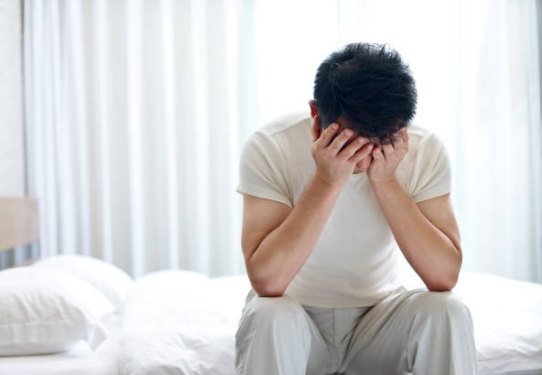
Deep sadness, low energy, and a lack of interest in activities are all symptoms of major depressive disorder. For weeks or months, someone may feel lost or empty.
Bipolar Disorder
Bipolar disorder includes mood swings between depression and high-energy states called mania. During mania, a person may feel very excited, talk fast, or take risks. These conditions respond well to therapy and medication when properly treated.
Psychotic Disorders
Having a psychotic disorder changes the way a person sees the world. One of the most well-known conditions is schizophrenia. People could see or hear things that aren’t there or believe things that aren’t true. Medication and therapy are often used together in treatment. Long-term results are better when care starts early.
Personality Disorders
People with personality disorders think and act in patterns that last a long time and make relationships and work difficult. One type that is very popular is Borderline Personality Disorder. It includes strong feelings, the fear of being left alone, and relationships that aren’t stable. Therapies like DBT teach people how to handle their feelings and keep them in check.

End the Emotional Pain. Get Your Life Back.
Feeling Depressed, Anxious or Struggling with Mental Health Illness? Get Safe Comfortable Mental Health Dual Diagnosis High-Quality Therapy From Counselors That Care. Begin Your Recovery Now.
Hotline (855) 940-6125Trauma and Stress-Related Disorders
Trauma can have a big effect on mental health. Post-Traumatic Stress Disorder, or PTSD, can happen after being abused, hurt, in an accident, or in battle. Flashbacks, dreams, and feeling on edge are all signs. EMDR in trauma-informed care can often help ease these symptoms.
Eating Disorders
When someone has an eating problem, they eat in unhealthy ways and are very worried about their weight or body shape. Anorexia nervosa, bulimia nervosa, and binge eating disorder are all common examples. These situations can be bad for your physical health and need both mental and physical care.
Substance Use Disorders
People with substance use problems can’t control how much they drink or use drugs. Addiction changes the way people think and act. Many people who are addicted also have problems with their mental health. This is known as dual diagnosis. People who get help for both addiction and mental health do better in recovery.
Neurodevelopmental Disorders
These disorders start in childhood and change the way the brain grows. Autism Spectrum Disorder and Attention Deficit Hyperactivity Disorder are two examples. Giving help early on makes it easier to learn, behave, and get along with others.
Mental Health Conditions Overview: Why It Matters
A clear mental health conditions overview helps reduce stigma. Many people feel shame when they struggle. Education shows that mental illness is common and treatable.
More than one in five adults in the United States lives with a mental health condition each year. Many never seek help because they fear judgment. Seeking care is a sign of strength.
First-class Facilities & Amenities
World-class High-Quality Mental Health Services & Behavioral Health Substance Abuse Treatment
Rehab Centers TourRenowned Mental Health Centers. Serene Private Facilities. Inpatient Rehab Programs Vary.
Mental Health Helpline (855) 940-6125Proven recovery success experience, backed by a Team w/ History of:
15+
Years of Unified Experience
100s
5-Star Reviews Across Our Centers
10K
Recovery Successes
- Comprehensive Dual-Diagnosis Treatment
- Complimentary Family & Alumni Programs
- Coaching, Recovery & Development Events
- Comfortable Onsite Medical Detox Center

Signs You May Need Help
Some symptoms may signal that it is time to reach out for support:
- Feeling sad, angry, or worried most days
- Trouble sleeping or sleeping too much
- Loss of interest in favorite activities
- Changes in appetite or weight
- Problems at work or school
- Using alcohol or drugs to cope
If these signs last longer than two weeks or make you feel too much, you can get help from an expert.
How Mental Health and Addiction Connect
Addiction and mental health disorders frequently coexist. Anxiety, sadness, and traumatic events all make people more likely to use drugs. On the other hand, drugs and alcohol can make mental health problems worse.
Because of this link, you need to take care of both problems at the same time. Integrated programs offer therapy, management of medications, and avoidance of relapse all in one plan.
World-class, Accredited, 5-Star Reviewed, Effective Mental Health Dual Diagnosis Programs. Complete Integrated Inpatient Rehab with Free Post Discharge Therapy Planning.
CALL (855) 940-6125End the Emotional Pain Rollercoaster. Gain Stability & Happiness Through Recovery Treatment. Start Mental Health Counseling Today. Get Free No-obligation Guidance by Behaviroal Health Specialists Who Understand Mental Health Recovery.
Treatment Options for Mental Health Disorders
Treatment depends on the condition and the person’s needs. Most care plans include a mix of the following:
Therapy
Therapy talks help people understand how they feel and what they are thinking. Cognitive behavioral treatment teaches people how to think in new ways. Dialectical behavior treatment helps people feel more emotionally stable. Trauma treatment deals with upsetting memories.
Medication
Psychiatric drugs help people with symptoms like sadness, anxiety, or psychosis deal with their problems. A licensed provider keeps an eye on growth and safety.
Group Support
Group therapy gives people a safe place to talk about their problems. Isolation is lessened by peer help.
Lifestyle Support
Getting enough exercise, eating well, sleeping, and dealing with stress all help mental health.
Why Choose We Level Up FL for Mental Health Care
Choosing the right treatment center is an important step. We Level Up FL provides evidence-based care for a wide range of conditions found in this psychiatric disorders list.
The facility offers:
- Dual diagnosis treatment for mental health and addiction
- Medical detox and residential programs
- PHP and inpatient care
- Individual, group, and family therapy
- Holistic Therapy
- Psychiatric evaluations and medication management
Professionals with licenses create personal therapy plans. Clients get help in a safe and structured space. The goal is lasting change, not short-term fixes. Everyone on the team knows each story is unique. We treat people with kindness and respect at all times.
The Importance of Early Intervention
Early care lowers the chance that symptoms will get worse. It also makes drug use and health problems less likely. People who learn how to deal with problems early on have a better chance of getting better. Having family involved also makes things better. Getting educated helps loved ones help the healing process in healthy ways.
Reducing Stigma Around Mental Illness
Stigma makes many people keep quiet. Open talks can change that. Mental health disorders are medical conditions, not mistakes you made as a person. Empathy and understanding are fostered by learning about the various types of mental illnesses. People who get help make their own lives better and the lives of those around them better, too. With the right help, recovery is possible.
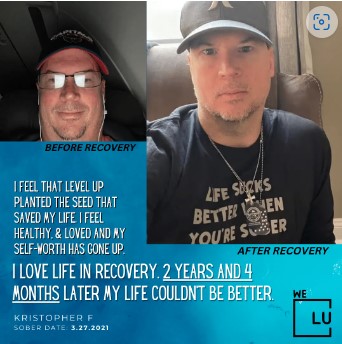
Experience Transformative Recovery at the We Level Up Treatment Center.
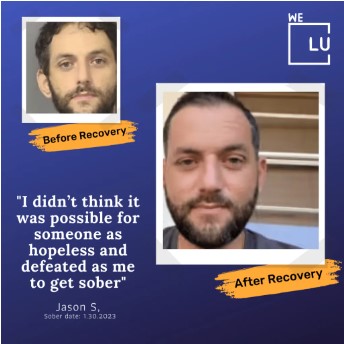
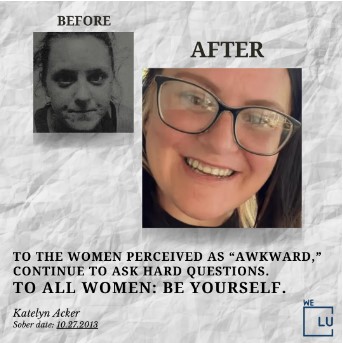
See our authentic success stories. Get inspired. Get the help you deserve.
Start a New Life
Begin with a free call to a behavioral health treatment advisor. Learn more about our dual-diagnosis programs. The We Level Up treatment center network delivers recovery programs that vary by each treatment facility. Call to learn more.
- Personalized Care
- Caring Accountable Staff
- Comfortable Amenities
- Licensed & Accredited
- Renowned w/ 5-Star Reviews
We’ll Call You
Frequently Asked Questions
What is included in a mental health disorders list?
Anxiety disorders, mood disorders, psychotic disorders, personality disorders, disorders linked to trauma, eating disorders, substance use disorders, and neurodevelopmental disorders are all included on a mental health disorders list. Each group has certain diagnoses that are accepted by mental health experts.
What is the difference between the DSM and a general psychiatric disorders list?
The mental health disorders list DSM refers to the official manual used by clinicians to diagnose conditions. A general psychiatric disorders list may summarize common conditions, but does not replace a professional evaluation.
How do I know which type of mental illness I have?
Someone who is qualified to work in mental health can only make a diagnosis. They talk to you, test you, and look over your medical records to learn about your symptoms and medical background.
Can mental health disorders be treated?
Yes. Most types of mental illnesses get better with treatment, medicine, or a mix of the two. It’s often better to get care early.
How does We Level Up FL offer help?
There is full mental health and dual diagnosis care at We Level Up FL. In one program, clients get psychiatric evaluations, private therapy, group counseling, care that is based on trauma, and help with managing their medications. The staff makes a unique plan for each person that takes into account both their mental health and, if necessary, their addiction.
When should I seek professional treatment?
If your symptoms last longer than two weeks, get in the way of your daily life, or make you think about hurting yourself, you should get help. Getting help right away can keep symptoms from getting worse and increase the chances of healing.
Take a Step Forward
There is no need for you to carry the burden of living with the signs of these mental health disorders by yourself. One brave call is all it takes to start real change. Professionals at We Level Up FL listen to you without passing judgment and create a plan tailored to your needs.
Help is here right now for people who are dealing with anxiety, sadness, trauma, or addiction. Your life is important. Your story is important. Today, call (855) 940-6125 and let hope replace fear as you start your journey toward long-term healing.