

Many people think sadness is easy to see. They picture someone crying or looking upset all the time. But this is not always how it works. Some people feel deep pain inside while they smile and act happy in front of others. This is often called smiling depression.
A person with smiling depression may go to work every day. They may take care of their family and talk with friends. To others, their life may look normal or even happy. Inside, though, they may feel tired, empty, or lost. Because the struggle stays hidden, many people do not get help early. Learning the signs can help you notice when something is wrong. It can also help someone you care about feel less alone.
What Is Smiling Depression?
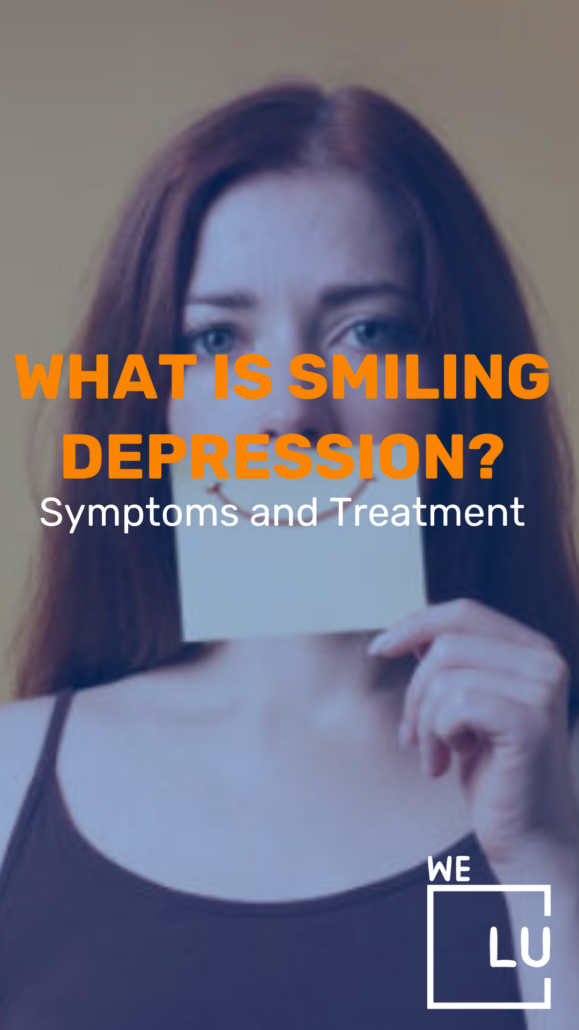
Smiling depression is when a person hides deep emotional pain behind a smile. They may appear calm, friendly, and positive in public. Inside, they may feel very different.
Many people with this struggle still keep up with daily life. They work, study, care for family, and handle many duties. Because they seem fine, others may not realize how hard things feel for them.
People with smiling depression often feel pressure to stay strong. They may believe they must look happy so they do not worry others. Over time, hiding feelings can make the pain feel heavier.
Why People Hide Their Feelings
There are many reasons why someone hides emotional pain. Some people feel ashamed to talk about mental health. They may worry that others will judge them or not understand.
Others believe they should handle problems alone. They may think asking for help is a sign of weakness. Because of this belief, they keep their feelings inside.
Social pressure can also play a role. Many people feel they must always look successful and happy. Someone with smiling depression may try to protect this image, even when they feel overwhelmed.
Common Smiling Depression Signs
Smiling depression signs can be hard to notice. A person may seem cheerful around others but struggle when they are alone.
Some common signs include:
- Pretending everything is okay
- Feeling very tired most days
- Losing interest in hobbies or fun activities
- Feeling empty or numb inside
- Being very hard on themselves
- Working too much to avoid emotions
- Trouble sleeping or sleeping too much
Some people may also spend more time alone. They might avoid serious talks about feelings or change the topic quickly.
Skip To:
Get Help. Get Better. Get Your Life Back.
Searching for Accredited Dual Diagnosis Mental Health Centers Near You?
Even if therapy failed previously, or are in the middle of a difficult crisis, we stand ready to support you. Our trusted behavioral health specialists will not give up on you. When you feel ready or just want someone to speak to about counseling alternatives to change your life call us. Even if we cannot assist you, we will lead you to wherever you can get support. There is no obligation. Call our hotline today.
FREE 24/7 Dual Diagnosis Mental Health Services HotlineHow Smiling Depression Can Be Overcome: Dr. Al’s Patient Recovery Story
Meet James, a remarkable individual who triumphed over smiling depression with the guidance of Dr. Al, a seasoned psychiatrist with a wealth of experience in treating mood disorders.
James’ Bipolar Disorder Recovery Story
James is an amazing person who, with the help of Dr. Al, a seasoned psychiatrist with extensive expertise treating mood disorders, overcame his sadness.
James’ battle with smiling depression was a long, difficult one that he fought in silence. He kept up an outward appearance of calm and contentment. No one could have known the inner torment he was experiencing despite his easygoing demeanor.
James’s perfectionist and ambitious personality, which helped him achieve professional success, but also a factor in his descent into stoic despair. Even his therapists had a hard time reading his genuine feelings because he hid them so well.
The internal suffering, however, was too great for the exterior to conceal forever. James’s suppressed feelings eventually became too much for him to endure. He made the decision then to see Dr. Al, a sympathetic and astute psychiatrist who grasped the nuances of “smiling depression.”
James gained the confidence to discuss his inner life with Dr. Al’s help. He finally let his guard down and showed his true, long-repressed feelings. This was the first step on his road to health.
Dr. Al listened compassionately as James described his struggles and then offered sound advice. They talked about different therapy possibilities, such as antidepressants that might work for James.
Dr. Al also advised including regular exercise, spending time in nature’s healing embrace, and surrounding himself with supportive friends and family. James’s mental health was greatly improved by his newfound commitment to a healthier lifestyle.
Throughout his travels, James learned the value of expressing himself artistically and musically, among other things. The practice of meditation gained popularity as a method for dealing with stress and restoring equilibrium to one’s emotions.
James’s life changed dramatically when he finally accepted himself. It was a watershed moment in his fight against happy depression. With Dr. Al’s help, he was able to overcome the obstacles that had plagued him for so long.
The fact that James was able to get through his depression without seeking treatment is a monument to the power of the human spirit. Remember that healing is achievable with the correct resources and care if you or someone you love is fighting this war in silence.
Introducing Dr. Al: A Specialist in Addiction Studies and Mental Health Disorders.
With over 15 years of expertise in behavioral health, Dr. Al has dedicated his career to transforming lives. He, his team, plus the We Level Up treatment center network have successfully guided countless patients through the most daunting obstacles they have ever encountered. Join Dr. Al and We Level Up on a journey toward healing and triumph. Learn more about Dr. Al here.

Depression Fact Sheet
Hidden Depression Symptoms
Hidden depression symptoms often stay unnoticed for a long time. The person may continue daily life while quietly struggling inside.
Emotional Symptoms
Emotional changes are often the first signs. A person may feel these emotions even if others cannot see them.
Some emotional hidden symptoms include:
- Feeling hopeless about the future
- Constant worry or stress
- Feeling lonely even around others
- Low self confidence
- Feeling disconnected from friends and family
A person may laugh during conversations but still feel very alone inside.
Learn More About Depression PDF
Physical Symptoms
Emotional pain can also affect the body. Many people do not realize that mental stress can cause physical problems.
Common physical symptoms include:
- Low energy during the day
- Headaches or body aches
- Changes in sleep habits
- Eating much more or much less
- Trouble focusing or making choices
These problems can slowly affect work, school, and relationships.
High Functioning Depression Symptoms
Some people live with what experts call high functioning depression symptoms. They continue to complete tasks and meet responsibilities. They may wake up early, go to work, and care for their family. Friends and coworkers may see them as responsible and successful.
Even though life looks normal, they may feel drained inside. Each day can feel like acting in a role instead of living freely. Over time, this emotional strain can grow stronger if support is not found.

End the Emotional Pain. Get Your Life Back.
Feeling Depressed, Anxious or Struggling with Mental Health Illness? Get Safe Comfortable Mental Health Dual Diagnosis High-Quality Therapy From Counselors That Care. Begin Your Recovery Now.
Hotline (855) 940-6125Why Smiling Depression Can Be Risky
Smiling depression can be risky because it stays hidden. When people do not see the struggle, they may not realize help is needed. Someone with masked depression symptoms may believe they must manage everything alone. They might avoid sharing their feelings with others.
Over time, hiding pain can make stress and sadness grow. This is why early support and care are important. Talking with a professional can help someone understand their feelings and find healthier ways to cope.
First-class Facilities & Amenities
World-class High-Quality Mental Health Services & Behavioral Health Substance Abuse Treatment
Rehab Centers TourRenowned Mental Health Centers. Serene Private Facilities. Inpatient Rehab Programs Vary.
Mental Health Helpline (855) 940-6125Proven recovery success experience, backed by a Team w/ History of:
15+
Years of Unified Experience
100s
5-Star Reviews Across Our Centers
10K
Recovery Successes
- Comprehensive Dual-Diagnosis Treatment
- Complimentary Family & Alumni Programs
- Coaching, Recovery & Development Events
- Comfortable Onsite Medical Detox Center
Smiling Depression and Substance Use
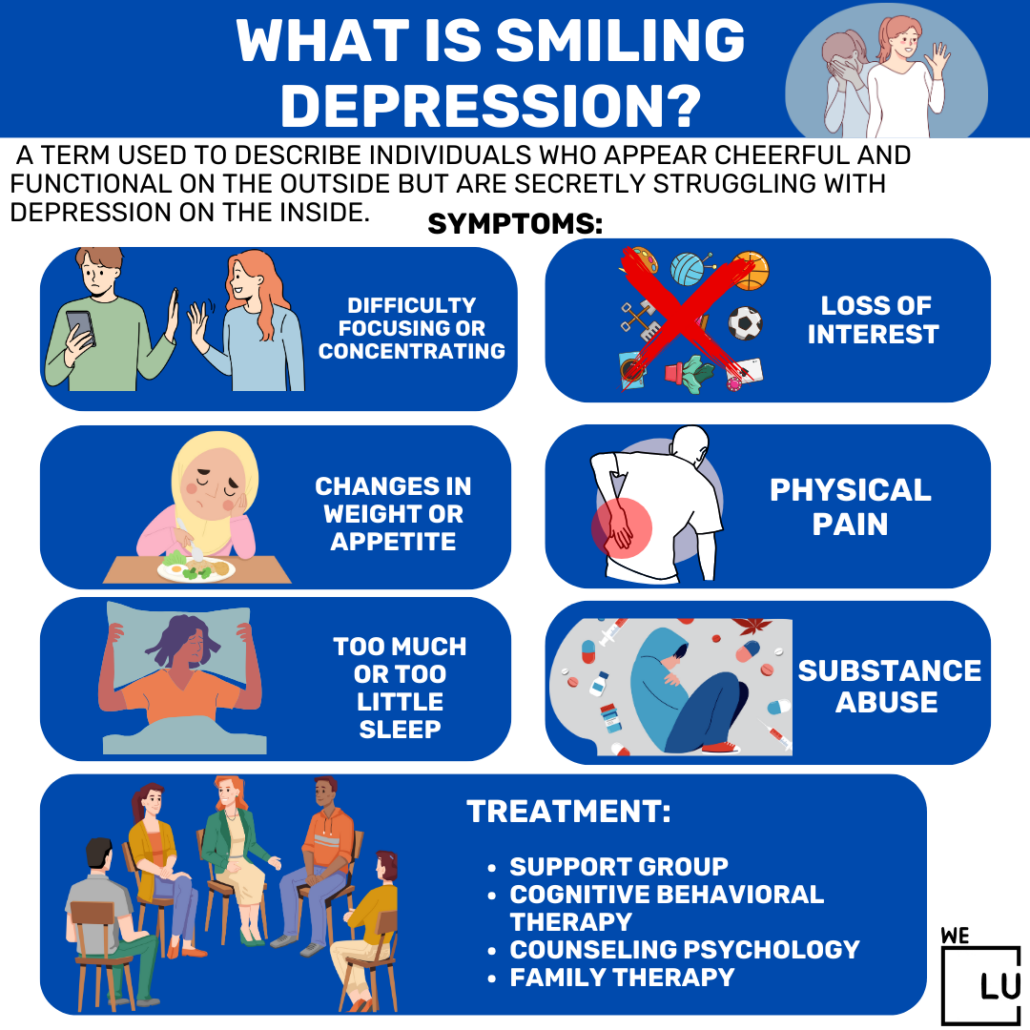
Sometimes people try to numb emotional pain with alcohol or drugs. This may seem like a quick way to escape stress.
However, substances usually make emotional problems worse over time. They can affect sleep, mood, and clear thinking.
Many treatment programs help people with both mental health struggles and substance use at the same time. This type of care helps people build stronger and healthier coping skills.
Smiling Depression Treatment Options
The good news is that help is available. Many people recover when they receive the right care and support.
Therapy and Counseling
Therapy gives people a safe place to talk about their thoughts and feelings. A trained therapist can help someone understand why they feel the way they do. During therapy, people learn new ways to manage stress and negative thoughts. They also learn how to express feelings in a healthy way.
Over time, therapy can help someone feel more confident and emotionally balanced.
Medical and Professional Support
Sometimes doctors recommend medication to help improve mood and sleep. Medication can support therapy and help the brain return to a healthier balance. Treatment centers may also offer structured programs. These programs often include therapy, medical care, and emotional support. A personal treatment plan helps each person receive care that fits their needs.
World-class, Accredited, 5-Star Reviewed, Effective Mental Health Dual Diagnosis Programs. Complete Integrated Inpatient Rehab with Free Post Discharge Therapy Planning.
CALL (855) 940-6125End the Emotional Pain Rollercoaster. Gain Stability & Happiness Through Recovery Treatment. Start Mental Health Counseling Today. Get Free No-obligation Guidance by Behaviroal Health Specialists Who Understand Mental Health Recovery.
How to Help Someone with Smiling Depression
If someone you care about may have smiling depression, your support matters. Many people feel relieved when someone listens without judgment. Start by showing kindness and patience. Let them know you care and that they do not have to face their struggles alone.
Helpful ways to support someone include:
- Listening without interrupting
- Encouraging open talks about feelings
- Helping them find professional support
- Reminding them they matter
- Avoiding criticism or blame
Even small acts of support can help someone feel safe enough to ask for help.
When to Seek Professional Help
Sometimes emotional struggles last longer than expected. When symptoms continue for weeks or affect daily life, it may be time to seek help.
Signs that professional support may be needed include:
- Feeling sad or empty most days
- Trouble sleeping or constant fatigue
- Losing interest in activities
- Difficulty focusing or finishing tasks
- Feeling hopeless about the future
Mental health professionals can help people understand what they are feeling and guide them toward recovery. Asking for help is not a weakness. It is an important step toward healing.
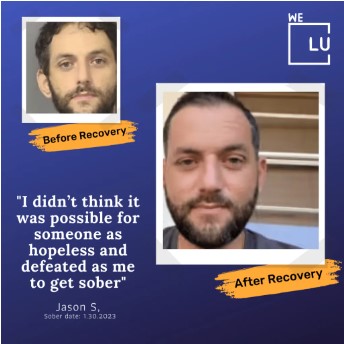
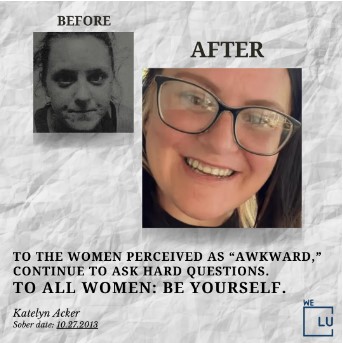
Experience Transformative Recovery at the We Level Up Treatment Center.
See our authentic success stories. Get inspired. Get the help you deserve.
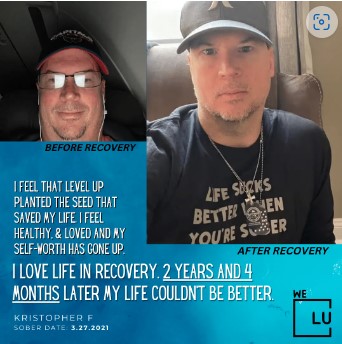
Start a New Life
Begin with a free call to a behavioral health treatment advisor. Learn more about our dual-diagnosis programs. The We Level Up treatment center network delivers recovery programs that vary by each treatment facility. Call to learn more.
- Personalized Care
- Caring Accountable Staff
- Comfortable Amenities
- Licensed & Accredited
- Renowned w/ 5-Star Reviews
We’ll Call You
Frequently Asked Questions
-
What is smiling depression?
Smiling depression describes someone who looks happy on the outside but struggles with emotional pain inside.
-
What are common smiling depression signs?
Signs may include pretending to be okay, feeling empty, low energy, sleep problems, and hiding feelings from others.
-
What are hidden depression symptoms?
Hidden symptoms can include emotional numbness, worry, low confidence, fatigue, sleep changes, and trouble focusing.
-
Is smiling depression the same as high functioning depression?
They are closely related. Both describe people who continue daily responsibilities while quietly struggling inside.
-
Can smiling depression be treated?
Yes. Therapy, medical support and healthy coping skills can help people feel better and regain balance in life.
-
When should someone get help?
If emotional struggles last more than two weeks or affect daily life, speaking with a mental health professional can help.
Ready to Get Started?
Smiling depression can be hard to see because the pain stays hidden behind a friendly face. Someone may look fine while feeling deeply overwhelmed inside. Learning the signs can help people notice when support is needed.
If you or someone you love is struggling, help is available. Professional care, therapy and support can guide people toward healing and hope. Reaching out for help is a strong step forward. With the right care and understanding, people can feel better and build a healthier future.
Powerful Coping Skills for Anxiety. Top Mental Health Tips & Anxiety Tips Advice from a Therapist.
“Anxiety, when gone untreated, can increase over time. So here are four tips to calm your everyday anxiety. Take a breath. Do something that you enjoy. Remove yourself from the situation and go for a walk. Doing these four things gives you a better chance of calming your anxiety.”