

Unipolar Depression Fact Sheet
What is Depression?
Depression is a complex mental health condition characterized by persistent feelings of sadness, emptiness, and a lack of interest or pleasure in once-enjoyable activities. It extends beyond normal fluctuations in mood and can significantly impact daily functioning.
One of the key features is the duration of symptoms—depressive episodes often last for at least two weeks and can recur over time.
Various factors contribute to the development of depression, including the following:
- Biological Factors: Such as imbalances in neurotransmitters like serotonin play a role, as do genetic predispositions.
- Environmental Factors: Including traumatic experiences, chronic stress, and life events can also contribute to the onset of depression.
- Cognitive Patterns: Persistent negative thoughts and distorted self-perceptions further characterize depression.
Unipolar Depression Definition
Unipolar depression is a specific type of prolonged sadness and low energy without the high-energy phases seen in bipolar disorder. It’s diagnosed when someone consistently feels down, lacks interest in activities, and experiences changes in sleep and appetite.
Psychology suggests that a mix of biological factors (like imbalances in brain chemicals), genetic tendencies, and environmental stressors contribute to unipolar depression.
How to Get Support When You Have Unipolar Depression?
Getting support for unipolar depression is crucial for managing and overcoming the challenges it brings. Here are some steps you can take:
- Talk to Friends and Family: Open up to people you trust about what you’re going through. Sharing your feelings with friends and family can provide emotional support and understanding.
- Seek Professional Help: Contact a mental health professional, such as a therapist or counselor. They can offer guidance, coping strategies, and a safe space to discuss your experiences.
- Join Support Groups: Connect with others going through similar experiences by joining support groups or online forums. Sharing stories and advice with people who understand can be comforting.
- Educate Your Support System: Help your friends and family understand unipolar depression by sharing information with them. This can foster a supportive environment and reduce stigma.
- Create a Supportive Routine: Establish a daily routine that includes activities that contribute to your well-being. Having a structured way can provide stability during challenging times.
- Explore Self-Help Resources: Look into self-help resources such as books, apps, or online materials that offer practical tips and exercises for managing depression.
- Prioritize Self-Care: Take care of your physical and mental well-being. Ensure you’re getting enough sleep, eating nutritiously, and engaging in activities that bring you joy.
- Stay Connected: Despite the challenges, try to maintain social connections. Even small interactions with others can have a positive impact on your mood.
Remember, reaching out for support is a sign of strength, and there are various avenues available to help you navigate unipolar depression.
Depression affects everyone, no matter their age, gender, background, or socioeconomic status. Understanding this helps build empathy and helpful support for those dealing with depression. Download the below free pdf from NIH.gov for more information.

End the Emotional Pain. Get Your Life Back.
Feeling Depressed, Anxious or Struggling with Mental Health Illness? Get Safe Comfortable Mental Health Dual Diagnosis High-Quality Therapy From Counselors That Care. Begin Your Recovery Now.
Hotline (855) 940-6125What to Expect During Treatment
The path starts with a full check-up to see exactly what you need. Doctors look at your health history to make a safe and effective. This detailed look allows us to create a program that fits your needs. You will feel safe knowing we have a plan just for you.
Next, you engage in therapy sessions to learn about your condition and heal. You will talk in groups and one-on-one sessions to build new skills. Therapists use methods like behavioral therapy to change the habits that hurt. These talks help you feel good and give you confidence to face.
We also teach you how to stay well after you leave care. You will learn to handle stress and triggers without falling back down. We connect you with support groups near your home for extra help. We make sure you leave our center ready to live life.
10% of Adults
Approximately 10% of adults in the United States are estimated to experience unipolar major depression within 12 months.
Source: NIMH
29% of Americans
As of 2023, 29% of Americans have received a lifetime diagnosis of depression, with 17.8% currently reporting that they are experiencing depression.
Source: NIMH
1 in 6 Adults
Approximately 18% of adults – more than 1 in 6 – say they are depressed or receiving depression treatment.
Source: NIMH
Unipolar Depression Vs Bipolar Depression Chart
| Feature | Unipolar Depression | Bipolar Depression |
|---|---|---|
| Mood Episodes | Major Depressive Episodes | Both Depressive and Manic/Hypomanic Episodes |
| Manic/Hypomanic Episodes | Absent | Present |
| Recurrence | Recurrent episodes of depression | Cycling between highs and lows |
| Severity | Typically severe during episodes | Variable, depending on phase |
| Treatment | Antidepressants, therapy | Mood stabilizers, therapy |
| Prognosis | Generally better between episodes | Requires ongoing management |
First-class Facilities & Amenities
World-class High-Quality Mental Health Services & Behavioral Health Substance Abuse Treatment
Rehab Centers TourRenowned Mental Health Centers. Serene Private Facilities. Inpatient Rehab Programs Vary.
Mental Health Helpline (855) 940-6125Proven recovery success experience, backed by a Team w/ History of:
15+
Years of Unified Experience
100s
5-Star Reviews Across Our Centers
10K
Recovery Successes
- Comprehensive Dual-Diagnosis Treatment
- Complimentary Family & Alumni Programs
- Coaching, Recovery & Development Events
- Comfortable Onsite Medical Detox Center
Benefits of Unipolar Depression Treatment
- A safe place to heal away from the stress of life.
- Constant care from doctors and nurses day and night for safety.
- Therapy to help you understand your mind and your mood better.
- Support from others who are going through the same hard things.
- Learning tools to handle stress and emotions in very healthy ways.
Long-Term Recovery and Aftercare
Recovery does not end when you leave our center; it is a path. We help you build a solid aftercare plan to keep you safe. This plan includes seeing a therapist and joining support groups in your area. Staying connected to help is the best way to stay very healthy.
Our team teaches you how to spot the signs of a low. You will have a list of tools to use when stressed. Knowing what to do in hard times gives you the power today. We want you to feel confident as you step back into life.
We also offer alumni programs where you can stay in touch with staff. These programs let you share your success and get help if stuck. You are always part of our family, and we are here forever. Long-term health is possible when you have a strong team behind.
Contact We Level Up Tamarac FL Today
Starting treatment for major depressive disorder unipolar is a very brave choice. You can call our team right now to talk about your help. We will check your insurance fast to tell you about the costs. Our team is here all day and night to answer your questions.
FAQs About Unipolar Depression Treatment
What is the main goal of treatment for this mood condition?
The main goal is to lift your mood and find your joy. We want to help you learn how to manage your daily feelings. Treatment also focuses on the thoughts that lead to your deep sadness. We aim to give you a healthy relationship with your own mind.
How do you treat unipolar mood disorder in a residential setting?
We use talk therapy to address any underlying stress or the anxiety. Our staff monitors your progress to provide support and keep you safe. We also use group sessions to build a sense of belonging for you. This whole-person approach helps you heal both your mind and your body.
Is unipolar depression the same thing as feeling a little sad?
No, it is a clinical condition that lasts much longer than sadness. People with this disorder cannot just “snap out of it” without help. It involves chemical changes in the brain that require expert medical care. However, this condition is treatable and you can feel much better soon.
Can adults get help for unipolar mood disorder at your facility?
We primarily focus on helping adults who are struggling with various issues. Our programs are tailored to the needs of grown-ups facing health challenges. If you are an adult seeking help, we have the tools now. We provide the resources you need to build a stable, happy life.
How long does it take to see progress in this treatment?
Many people start to see changes within the first few weeks of care. The time it takes depends on how long you have felt low. We work at your pace to ensure you feel safe and ready. Consistency and support are the keys to making progress that lasts forever.
Do I need a doctor’s referral to start your depression program?
You do not need a referral from another doctor to call us. You can reach out to our admissions team directly to start today. We will conduct our own assessment to see if we fit you. Our goal is to make starting treatment as easy and fast.
Will I have a comfortable room during my stay at We Level Up?
We strive to provide a comfortable and peaceful environment for every person. Your comfort is important to us because it helps you focus more. We will do our best to accommodate your needs and feel home. Please ask our team about the current available options for your stay.
What happens if my depression symptoms come back after I leave?
If you have a setback, you should reach out to your team. We provide you with an aftercare plan specifically for these tough moments. A relapse does not mean you failed; it means you need help. We are always here to guide you back to your goals.
World-class, Accredited, 5-Star Reviewed, Effective Mental Health Dual Diagnosis Programs. Complete Integrated Inpatient Rehab with Free Post Discharge Therapy Planning.
CALL (855) 940-6125End the Emotional Pain Rollercoaster. Gain Stability & Happiness Through Recovery Treatment. Start Mental Health Counseling Today. Get Free No-obligation Guidance by Behaviroal Health Specialists Who Understand Mental Health Recovery.
Ready to Get Started?
You do not have to fight the battle of depression alone. We Level Up Tamarac FL is here to give you expert help. Our team is ready to guide you to a life of peace. We offer a safe and supportive place where you can heal. We have the tools and the people to help you now.
Mood disorders can make you feel like you have no hope today. You have the power to change your story with the right help. We help people just like you break free from the pain. Do not let fear keep you from making the life-saving call. You deserve to be healthy and free from the heavy burden.
Experience Transformative Recovery at the We Level Up Treatment Center.
See our authentic success stories. Get inspired. Get the help you deserve.
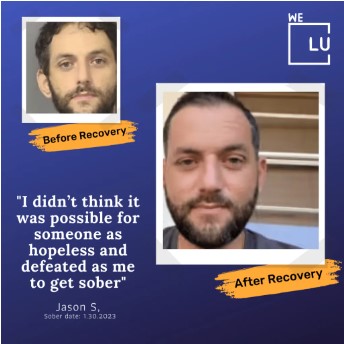
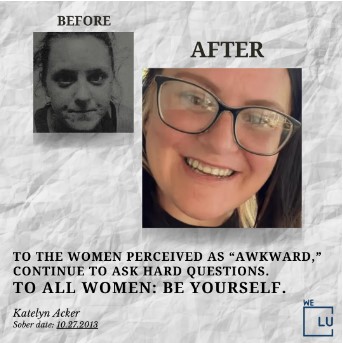
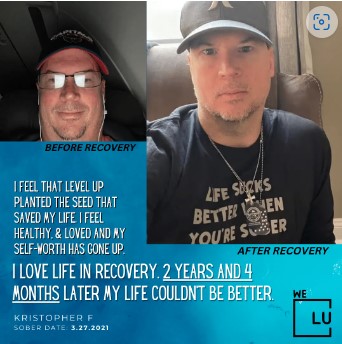
Start a New Life
Begin with a free call to a behavioral health treatment advisor. Learn more about our dual-diagnosis programs. The We Level Up treatment center network delivers recovery programs that vary by each treatment facility. Call to learn more.
- Personalized Care
- Caring Accountable Staff
- Comfortable Amenities
- Licensed & Accredited
- Renowned w/ 5-Star Reviews