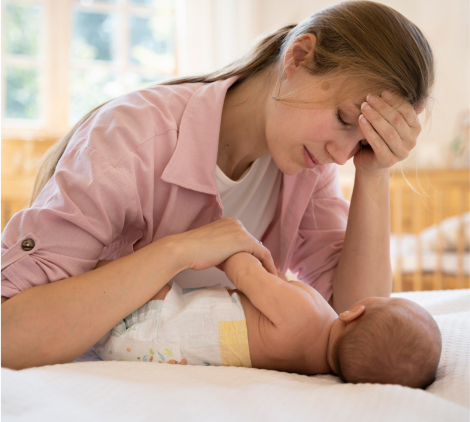
C-PTSD and relationships can feel confusing and painful. You may love someone deeply, yet still feel afraid, distant or unsure. If you or your loved one lives with complex trauma, you may notice strong emotions that seem hard to control. These reactions are not a choice. They are often signs of past trauma that still affects the nervous system.
Many people with C-PTSD relationship issues want closeness but fear getting hurt. They may struggle with trust, safety, and attachment. In this guide, we will explain how trauma affects relationships and what healing can look like. With the right support, healthy love is possible.

Table of Contents
What Is C-PTSD?
C-PTSD stands for Complex Post-Traumatic Stress Disorder. It often develops after long-term trauma. This trauma may include childhood abuse, neglect, domestic violence, or repeated emotional harm. When trauma happens over months or years, it can deeply affect how a person sees themselves and others.
Unlike single-event trauma, complex trauma shapes daily patterns. It can change how someone reacts to stress, conflict, and closeness. Many people with C-PTSD struggle with shame, fear, and strong emotional swings. These patterns often show up most in close relationships. C-PTSD and relationships are closely linked because trauma affects attachment. When trust breaks early in life, forming safe bonds later can feel very hard. Understanding this link is the first step toward healing.
Get Help. Get Better. Get Your Life Back.
Searching for Accredited Dual Diagnosis Mental Health Centers Near You?
Even if therapy failed previously, or are in the middle of a difficult crisis, we stand ready to support you. Our trusted behavioral health specialists will not give up on you. When you feel ready or just want someone to speak to about counseling alternatives to change your life call us. Even if we cannot assist you, we will lead you to wherever you can get support. There is no obligation. Call our hotline today.
FREE 24/7 Dual Diagnosis Mental Health Services HotlineHow Trauma and Attachment Are Connected
Trauma and attachment often grow together. As children we learn how safe the world feels based on how caregivers treat us. When caregivers are loving and steady, children feel secure. When caregivers are unsafe or unpredictable, children may develop fear around closeness.
These early lessons stay in the body and brain. Even as adults, people may react to partners the same way they reacted to caregivers. This pattern can lead to C-PTSD relationship issues that feel confusing or intense.
A person may want love yet feel unsafe when someone gets close. This push and pull can create stress in romantic relationships, friendships, and family bonds. Healing trauma and attachment wounds helps build stronger connections.

Common C-PTSD Relationship Issues
Fear of Abandonment
Many people with C-PTSD fear being left. Even small conflicts may trigger panic or deep sadness. You may worry that your partner will leave after an argument, even if there is no real sign of danger. This fear often comes from past experiences of loss or neglect. The body reacts as if the old pain is happening again. Learning to calm the nervous system helps reduce this fear over time.
Trust Problems
Trust feels risky when someone has been hurt before. A person with C-PTSD may question their partner’s actions or words. They may expect betrayal, even when their partner acts with care. These trust problems are not about weakness. They are survival habits that once kept the person safe. With therapy and holistic support, trust can grow slowly and safely.
Emotional Overreactions
Strong emotions are common in C-PTSD and relationships. Small disagreements may lead to big reactions. A person may shut down, cry, or become angry very quickly. These reactions often come from stored trauma. The brain sees danger even when the present moment is safe. Learning coping skills can help manage emotional waves in healthier ways.
End the Emotional Pain. Get Your Life Back.
Feeling Depressed, Anxious or Struggling with Mental Health Illness? Get Safe Comfortable Mental Health Dual Diagnosis High-Quality Therapy From Counselors That Care. Begin Your Recovery Now.
Hotline (855) 940-6125Trauma Bonding Relationships
Trauma bonding relationships form when intense emotion and fear mix with love and attachment. In these bonds a person may feel deeply connected to someone who also causes harm. The cycle of pain and comfort creates a strong emotional tie.
This pattern often feels confusing. A person may defend the partner who hurts them. They may believe they cannot survive without that relationship. Trauma bonding relationships can keep someone stuck in unhealthy patterns. Breaking trauma bonds requires support and guidance. DBT therapy helps people understand the cycle and build safer attachments. Healing does not mean blame. It means learning new ways to feel safe.
First-class Facilities & Amenities
World-class High-Quality Mental Health Services & Behavioral Health Substance Abuse Treatment
Rehab Centers TourRenowned Mental Health Centers. Serene Private Facilities. Inpatient Rehab Programs Vary.
Mental Health Helpline (855) 940-6125Proven recovery success experience, backed by a Team w/ History of:
15+
Years of Unified Experience
100s
5-Star Reviews Across Our Centers
10K
Recovery Successes
- Comprehensive Dual-Diagnosis Treatment
- Complimentary Family & Alumni Programs
- Coaching, Recovery & Development Events
- Comfortable Onsite Medical Detox Center
Complex PTSD Intimacy Problems
Fear of Emotional Closeness
Complex PTSD intimacy problems often start with a fear of closeness. A person may avoid deep talks or serious commitment. They may pull away when a partner tries to connect.
This reaction protects the heart from possible harm. While it may feel safer in the short term it can block true connection. Safe therapy spaces help people practice emotional closeness step by step.

Physical Intimacy Challenges
Past trauma can affect physical touch and intimacy. Some people feel anxious or numb during physical closeness. Others may feel triggered by certain types of contact. These reactions are common for trauma survivors. They are not signs of failure. Gentle communication and trauma-informed care can improve comfort and safety over time.
World-class, Accredited, 5-Star Reviewed, Effective Mental Health Dual Diagnosis Programs. Complete Integrated Inpatient Rehab with Free Post Discharge Therapy Planning.
CALL (855) 940-6125End the Emotional Pain Rollercoaster. Gain Stability & Happiness Through Recovery Treatment. Start Mental Health Counseling Today. Get Free No-obligation Guidance by Behaviroal Health Specialists Who Understand Mental Health Recovery.
Signs C-PTSD Is Affecting Your Relationship
You may notice repeating patterns that cause pain. Arguments may feel intense and hard to resolve. One partner may withdraw while the other pursues, creating a cycle of tension.
Other signs include:
- Difficulty expressing needs
- Feeling unworthy of love
- Extreme jealousy or fear
- Trouble setting healthy boundaries
- Staying in unhealthy relationships
If these patterns feel familiar, C-PTSD relationship issues may be involved. Recognizing the signs opens the door to change.
How C-PTSD Affects Communication
Healthy relationships rely on clear and calm communication. Trauma can interrupt this process. When someone feels triggered, their brain shifts into survival mode. It becomes harder to listen or respond with patience. You may notice yelling, shutting down or blaming during conflict. These reactions often come from fear rather than anger. Learning new communication tools can help both partners feel heard and safe.
Couples therapy can provide a safe space to practice better communication. A trained therapist helps slow down arguments and build understanding.
Experience Transformative Recovery at the We Level Up Treatment Center.
See our authentic success stories. Get inspired. Get the help you deserve.
Start a New Life
Begin with a free call to a behavioral health treatment advisor. Learn more about our dual-diagnosis programs. The We Level Up treatment center network delivers recovery programs that vary by each treatment facility. Call to learn more.
- Personalized Care
- Caring Accountable Staff
- Comfortable Amenities
- Licensed & Accredited
- Renowned w/ 5-Star Reviews
We’ll Call You
Can Relationships Heal From C-PTSD?
Yes, healing is possible. Many couples grow stronger when they face trauma together. The key is willingness, honesty and professional support.
Healing does not happen overnight. It requires patience and practice. Both partners need to understand how trauma affects reactions. Blame does not help, but compassion and education can make a big difference. When people address trauma and attachment wounds, relationships often become more stable and loving.
Treatment Options for C-PTSD and Relationships
Individual Therapy
Individual therapy helps people understand their trauma story. A therapist can teach grounding skills and emotional regulation. These tools help reduce triggers in relationships. Therapies such as trauma-focused cognitive therapy and EMDR may reduce painful memories. Over time the nervous system learns that the present is safer than the past.
Couples Counseling
Couples counseling focuses on improving connection and communication. A therapist guides both partners in expressing needs and fears. This setting encourages empathy and teamwork. Working together builds trust and safety. It also helps break cycles linked to trauma bonding relationships.
Holistic and Supportive Care
Healing works best when the whole person receives care. Good sleep, balanced meals and gentle exercise support emotional health. Mindfulness and breathing practices calm the nervous system. Support groups also help people feel less alone. Hearing others share similar struggles can reduce shame and build hope.
How to Support a Loved One With C-PTSD
If your partner or family member lives with C-PTSD, patience matters. Try to listen without judgment. Avoid telling them to “just move on” from the past. Learn about trauma and attachment so you understand their reactions. Encourage therapy in a kind and supportive way. Offer reassurance during moments of fear or doubt.
At the same time take care of your own mental health. Healthy boundaries protect both people. Support works best when both partners feel safe.
Frequently Asked Questions
What are common C-PTSD relationship issues?
Common issues include fear of abandonment, trust problems, emotional overreactions, and difficulty with intimacy. These patterns often come from long-term trauma.
Can C-PTSD ruin a relationship?
C-PTSD can create serious stress, but it does not have to ruin a relationship. With therapy and mutual effort, couples can build healthier patterns.
What are trauma-bonding relationships?
Trauma bonding relationships form when cycles of harm and comfort create a strong emotional tie. These bonds often feel intense and hard to break.
How do trauma and attachment affect adult love?
Early attachment experiences shape how safe we feel in close relationships. Trauma can lead to fear of closeness or fear of abandonment.
How can partners help someone with C-PTSD?
Be consistent and kind. Listen to feelings. Learn about triggers. Take care of your own needs too.
Does therapy help C-PTSD intimacy problems?
Yes, therapies like EMDR or couples work help. You process fear and rebuild safe touch step by step.
Healing Is Possible
C-PTSD and relationships bring big challenges like trust fears, intimacy blocks and emotional swings. But healing opens doors to safe, loving bonds. Therapy, patience and self-kindness help rewrite old patterns into healthy ones. You deserve connections that feel warm and steady. Many people heal and thrive in love. If C-PTSD makes closeness hard for you or someone close, reach out today. Call our caring hotline for a free, gentle talk. We Level Up FL offers support to guide you toward trust, joy and stronger ties. Your path to better relationships starts now, take that brave step.
Search Depression Treatment: Ketamine Infusion Cost & Other Resources
Sources
[1] Understanding PTSD Treatment. National Center for PTSD. (n.d.). https://www.ptsd.va.gov/PTSD/understand_tx/index.asp
[2] Partners of Veterans with PTSD: National Center for PTSD