
Autism and Depression: Signs and Support

Autism and depression can make life feel heavy and hard. People with autism may feel sad, tired, or lose interest in things they usually enjoy. Some may have trouble sleeping or eating, feel worried, or want to be alone. These feelings can make school, work, and daily tasks very hard. Families and friends may not always understand what is happening. With the right support, people can feel better and get more energy for daily life. Therapy, group programs, healthy routines, and guidance from caring professionals can help autistic adults manage their feelings. Learning to notice signs early and getting help is important for feeling happier and living a fuller life.
Get Help. Get Better. Get Your Life Back.
Searching for Accredited Dual Diagnosis Mental Health Centers Near You?
Even if therapy failed previously, or are in the middle of a difficult crisis, we stand ready to support you. Our trusted behavioral health specialists will not give up on you. When you feel ready or just want someone to speak to about counseling alternatives to change your life call us. Even if we cannot assist you, we will lead you to wherever you can get support. There is no obligation. Call our hotline today.
FREE 24/7 Dual Diagnosis Mental Health Services HotlineTable of Contents
Autism and Depression Explained
Autism and depression happen when someone with autism also feels very sad or low for a long time. People may lose interest in things they usually enjoy, feel tired, or have trouble sleeping or eating. These feelings can make daily life very hard. School, work, or simple chores can feel too difficult. Families and friends may not always understand what is happening. Depression in autistic adults can make them feel lonely and frustrated. Early care and support can help them feel better and enjoy life again (National Institute of Mental Health).
Depression in autistic adults is common. Studies show that about 31% of autistic adults experience major depression at some point in their lives. This shows it is not rare, and it is important to notice symptoms early. Depression can make it hard to focus, handle emotions, or participate in daily routines. Some people may feel happy for a short time, but then go back to feeling low. Understanding this connection helps families and doctors provide the right support and care.
Professional treatment is very helpful. Therapy, medicine, and healthy daily habits can make a big difference. Cognitive-behavioral therapy, mindfulness, and social support teach people ways to manage sadness and stress. Families can learn how to help at home. Early treatment improves mood, energy, and daily life. With the right help, autistic adults can feel happier, do more every day, and build skills to stay well for the long term.
Depression and Autism Facts Sheet
Depression is a serious medical condition associated with symptoms such as melancholy, loss of pleasure, loss of energy, difficulty concentrating, and suicidal thoughts.
Depression symptoms can include the following:
- Trouble concentrating, remembering details, and making decisions
- Feelings of guilt, worthlessness, and helplessness
- Pessimism and hopelessness
- Insomnia, early-morning wakefulness, or sleeping too much
- Crankiness or irritability
- Restlessness
- Loss of interest in things once pleasurable, including sex
- Overeating or appetite loss
- Aches, pains, headaches, or cramps that won’t go away
- Digestive problems that don’t get better, even with treatment
- Persistent sad, anxious, or “empty” feelings
- Suicidal thoughts or suicide attempt
- Lose pleasure in life
Depression Causes
Doctors haven’t pinpointed the exact causes of depression. They think it may be a combination of things, including:
- Brain Structure – People with depression seem to have physical differences in their brains from people who don’t have depression.
- Brain Chemistry – Chemicals in your brain, called neurotransmitters, are a huge part of your mood. When you have depression, it could be because these chemicals aren’t working the way they should.
- Hormones – Your hormone levels change because of pregnancy, postpartum issues, thyroid problems, menopause, or other reasons. That can set off depression symptoms.
- Genetics – Researchers haven’t yet found the genes responsible for depression, but you’re more likely to have depression if someone you’re related to has it.
Autism spectrum disorder (ASD) is a developmental disability caused by differences in the brain. Some people with ASD have a known difference, such as a genetic condition. Other causes are not yet known.
The following may indicate your child is at risk for an autism spectrum disorder. If your child exhibits any of the following, ask your pediatrician or family doctor for an evaluation right away:
By 6 months
- Few or no big smiles or other warm, joyful, and engaging expressions
- Limited or no eye contact
By 9 months
- Little or no back-and-forth sharing of sounds, smiles, or other facial expressions
By 12 months
- Little or no babbling
- Little or no back-and-forth gestures, such as pointing, showing, reaching, or waving
- Little or no response to their name
By 16 months
- Very few or no words
By 24 months
- Very few or no meaningful, two-word phrases (not including imitating or repeating)
At any age
- Loss of previously acquired speech, babbling, or social skills
- Avoidance of eye contact
- Persistent preference for solitude
- Difficulty understanding other people’s feelings
- Delayed language development
- Persistent repetition of words or phrases (echolalia)
- Resistance to minor changes in routine or surroundings
- Restricted interests
- Repetitive behaviors (flapping, rocking, spinning, etc.)
- Unusual and intense reactions to sounds, smells, tastes, textures, lights, and colors

End the Emotional Pain. Get Your Life Back.
Feeling Depressed, Anxious or Struggling with Mental Health Illness? Get Safe Comfortable Mental Health Dual Diagnosis High-Quality Therapy From Counselors That Care. Begin Your Recovery Now.
Hotline (855) 940-6125Warning Signs of Autism and Depression
- Feeling sad most days
- Not wanting to do favorite activities
- Sleeping too much or too little
- Eating too much or too little
- Staying away from friends or family
- Trouble thinking or making choices
- Feeling hopeless or worried
If these signs appear, it is important to get help. Doctors and counselors can make plans to help. Early care makes life better.
Why Choose We Level Up Tamarac FL for Autism and Depression Treatment?
We Level Up Tamarac FL helps autistic adults who also feel depressed. Our team is kind, caring, and trained to understand autism mental health challenges. We make a plan for each person that fits their needs. Patients get help for sadness, low energy, stress, and daily tasks. Our staff uses therapy and wellness activities to help people feel better and stay active. Families learn how to support their loved ones at home. Our goal is to give safe, easy-to-follow care that helps people feel happier every day.
Our center offers many ways to treat autism and depression. We use therapies like cognitive-behavioral therapy (CBT) and mindfulness exercises. These teach patients how to handle strong feelings, manage stress, and build healthy routines. Group sessions let people talk with others who understand them. Patients also take part in wellness activities, exercises, and skills to improve daily life. With this care, autistic adults can gain more energy, feel happier, and live a balanced life. Choosing We Level Up Tamarac FL means getting support for both mind and body while learning how to manage depression safely and effectively.
First-class Facilities & Amenities
World-class High-Quality Mental Health Services & Behavioral Health Substance Abuse Treatment
Rehab Centers TourRenowned Mental Health Centers. Serene Private Facilities. Inpatient Rehab Programs Vary.
Mental Health Helpline (855) 940-6125Proven recovery success experience, backed by a Team w/ History of:
15+
Years of Unified Experience
100s
5-Star Reviews Across Our Centers
10K
Recovery Successes
- Comprehensive Dual-Diagnosis Treatment
- Complimentary Family & Alumni Programs
- Coaching, Recovery & Development Events
- Comfortable Onsite Medical Detox Center
What to Expect During Autism and Depression Treatment?
Treatment for autism and depression starts with a check-up. Doctors and counselors ask about mood, sleep, eating, and energy. Families or caregivers can share more information to help the team understand the person’s needs. After learning about symptoms, the staff makes a care plan. This plan shows what types of therapy, support, and daily routines will help the patient feel better. The plan is made just for them, so it fits their life and needs. Early check-ups and planning make treatment easier and faster.
Therapy is a big part of treatment. Patients learn ways to manage sadness, stress, and frustration. Cognitive-behavioral therapy (CBT) helps patients think and act in healthier ways. Patients also get help with social skills and daily activities. Group sessions give support from people who understand similar experiences. Talking with peers can reduce loneliness and help patients feel less worried. Therapy teaches coping skills that help patients handle strong feelings and make daily life easier.
Relapse prevention is another key step. Patients learn how to spot warning signs if depression returns. Staff teach tips and strategies to stay healthy. Follow-up visits and ongoing support help patients continue progress. Daily routines, mindfulness exercises, and self-care skills make recovery stronger. With consistent care, patients gain energy, feel happier, and improve their daily lives. Treatment helps people not only feel better now but also stay well in the future.
Benefits of Autism and Depression Treatment
- Skills to prevent relapse and stay well
- Care for mind and body
- Therapy for each patient
- Support for depression in autistic adults
- Group sessions and wellness programs
World-class, Accredited, 5-Star Reviewed, Effective Mental Health Dual Diagnosis Programs. Complete Integrated Inpatient Rehab with Free Post Discharge Therapy Planning.
CALL (855) 940-6125End the Emotional Pain Rollercoaster. Gain Stability & Happiness Through Recovery Treatment. Start Mental Health Counseling Today. Get Free No-obligation Guidance by Behaviroal Health Specialists Who Understand Mental Health Recovery.
How to Get Started with Autism and Depression Treatment?
Ready to get started? Call We Level Up Tamarac FL at (954) 420-6627. Email verifyadmissions@welevelup.com or visit 8290 N University Dr, Tamarac, FL 33321. We will check your insurance and make a consultation.
At the consultation, our team meets you and your family. We explain the program and make a plan for therapy, wellness, and daily routines. Early help can improve mood, energy, and daily life. Recovery is possible with support and care.
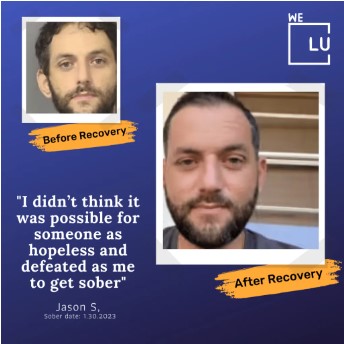
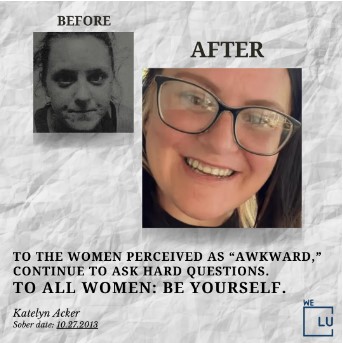
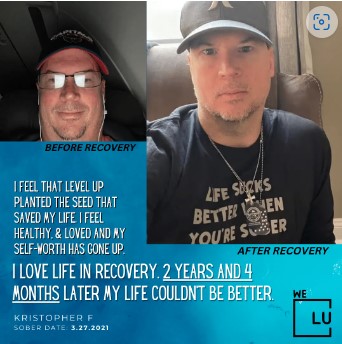
Experience Transformative Recovery at the We Level Up Treatment Center.
See our authentic success stories. Get inspired. Get the help you deserve.
Start a New Life
Begin with a free call to a behavioral health treatment advisor. Learn more about our dual-diagnosis programs. The We Level Up treatment center network delivers recovery programs that vary by each treatment facility. Call to learn more.
- Personalized Care
- Caring Accountable Staff
- Comfortable Amenities
- Licensed & Accredited
- Renowned w/ 5-Star Reviews
We’ll Call You
FAQs About Autism and Depression
What are autism and depression?
Autism and depression happen when someone with autism also feels very sad or low for a long time. They may lose interest in things they like or feel tired every day. Early help with therapy, routines, and support can make life easier. Getting care early helps people feel happier and have more energy for school, work, and daily tasks.
What are the common signs of autism and depression?
Signs include sadness, losing interest, sleep or eating changes, avoiding people, trouble thinking, and worry. People may also feel frustrated or upset more often than usual. Families and friends can help by noticing these signs and encouraging support from doctors or counselors.
Can depression in autistic adults be treated?
Yes. Therapy, medicine, healthy routines, and family support can help autistic adults feel better. Support groups and mindfulness exercises also improve mood. With care, many people learn skills to handle stress and daily life more easily.
How long does treatment take?
Treatment varies for each person. Some feel better in a few weeks, while others need months of therapy and ongoing care. Progress may take time, but small steps make big changes.
What lifestyle changes help autistic adults with depression?
Healthy meals, regular sleep, exercise, mindfulness, and daily routines improve therapy results and overall life. Keeping a structured day helps manage mood and energy.
Who can get autism and depression care?
Any autistic adult with mood challenges can get care. Early support improves results, helps prevent worsening symptoms, and makes daily life easier and safer.