

What Are Cluster C Personality Disorders? Key Facts To Know
High levels of anxiety and fear represent cluster C personality disorders. Individuals with cluster C disorders often display avoidant, dependent, or obsessive-compulsive traits as a way of coping with their underlying anxieties. Continue to read more about the different cluster C personality disorders, symptoms, causes, and effective treatment.
Editor Yamilla Francese
Clinically Reviewed by Lauren Barry, LMFT, MCAP, QS
Medically Reviewed by Ali Nikbakht, PsyD
Updated on May 18, 2026 — Editorial Policy | Research Policy
Cluster C personality disorders are sometimes called anxious personality disorders because fear and worry shape how a person thinks and behaves. People with these disorders often feel nervous, unsure of themselves or afraid of being judged. They may avoid social situations, depend heavily on others or try to control everything around them to feel safe.
A personality disorder is not just a bad habit or a rough phase. It is a long-lasting pattern that affects many parts of life. These patterns usually stay the same over time unless a person gets personality disorder treatment. That is why early help can make such a big difference.
There are three main cluster C personality disorder types. Each one looks different, but they all share strong anxiety and fear. These include avoidant personality disorder, dependent personality disorder, and obsessive-compulsive personality disorder, often called OCPD.
The Three Cluster C Personality Disorder Types
Understanding the different types can help you see what fits and what does not. Some people may have signs of more than one type. A trained mental health professional can help sort it out.
Avoidant Personality Disorder
Avoidant personality disorder causes a deep fear of rejection and criticism. A person may want friends and close relationships, but the fear of being judged feels too strong. Because of that fear, they often stay away from social events, group activities, or new experiences.
Someone with avoidant personality disorder may believe they are not good enough. They may replay small mistakes in their mind and assume others think badly of them. Even simple things, like speaking in a meeting or meeting new people, can feel overwhelming. This is more than normal shyness. It is intense and long-lasting fear that limits daily life.
Dependent Personality Disorder
Dependent personality disorder makes a person feel like they cannot manage life on their own. They may rely on others to make decisions, give advice, or provide constant reassurance. Being alone can feel scary and unsafe.
A person with this condition may struggle to say no, even when something feels wrong. They may agree with others to avoid conflict or fear losing support. In relationships, they might cling tightly to a partner or family member. This strong need for care and approval can create stress for both people in the relationship.
Obsessive-Compulsive Personality Disorder OCPD
Obsessive-compulsive personality disorder, or OCPD, involves a strong need for order, control, and perfection. A person may focus so much on rules, details, and structure that it becomes hard to relax or enjoy life.
Someone with OCPD may spend too much time planning or checking their work. They may struggle to finish tasks because they feel nothing is ever good enough. They often expect others to follow strict rules as well. This condition is different from OCD. OCPD is about personality style and control, not unwanted thoughts and repeated rituals.
Skip To:
Get Help. Get Better. Get Your Life Back.
Searching for Accredited Dual Diagnosis Mental Health Centers Near You?
Even if therapy failed previously, or are in the middle of a difficult crisis, we stand ready to support you. Our trusted behavioral health specialists will not give up on you. When you feel ready or just want someone to speak to about counseling alternatives to change your life call us. Even if we cannot assist you, we will lead you to wherever you can get support. There is no obligation. Call our hotline today.
FREE 24/7 Dual Diagnosis Mental Health Services Hotline
Common Cluster C Characteristics
While each disorder is different, there are shared cluster C characteristics that connect them. These traits usually revolve around fear, worry, and a need for safety.
People with cluster C personality disorders often:
- Feel tense or anxious in many situations
- Worry about being judged or rejected
- Struggle with self-confidence
- Avoid risks or new experiences
- Depend too much on others or try to control everything
These behaviors are not chosen on purpose. They develop over many years and often feel like the only way the person knows how to cope. Sadly, these coping styles can create more stress and isolation over time.
Causes of Cluster C Personality Disorders
Genes can pass on a higher chance for cluster C personality disorders. If family members have anxiety issues, you might too. But life events shape them a lot. Tough times in childhood like harsh words or feeling unsafe, teach the brain to stay on guard. Brain differences sometimes play a part like how fear centers work extra hard. Early hurts can make trust feel risky. Not every hard childhood leads to this. Some people grow strong from challenges.
A mix of nature and nurture creates these patterns. Blame does not help. Focus turns to healing now. Safe relationships and holistic therapy rewrite old fears into new confidence.
End the Emotional Pain. Get Your Life Back.
Feeling Depressed, Anxious or Struggling with Mental Health Illness? Get Safe Comfortable Mental Health Dual Diagnosis High-Quality Therapy From Counselors That Care. Begin Your Recovery Now.
Hotline (855) 940-6125How Cluster C Disorders Affect Daily Life
Cluster C personality disorders can affect almost every part of life. At work a person may avoid leadership roles or struggle with decision-making. They may fear speaking up or feel stressed when tasks are not perfect.
In relationships, fear can create distance or tension. Someone with avoidant traits may pull away to avoid rejection. A person with dependent traits may cling too tightly. A person with OCPD may seem controlling or overly critical. These patterns can lead to conflict even when love and care are present.
Over time, the stress from these patterns can also lead to other problems. Depression, anxiety disorders, and substance use can develop as a way to cope. That is why early treatment is so important.
How Cluster C Personality Disorders Are Diagnosed
A mental health professional, such as a psychologist or psychiatrist, diagnoses cluster C personality disorders. The process usually involves talking about your thoughts, feelings, behavior, and life history.
The provider will look for patterns that have lasted for many years and have caused real problems in relationships, work, or daily life. They may use questions from a guide called the DSM-5 to help make a clear diagnosis.
Getting a diagnosis can feel scary, but it can also bring relief. Many people feel comfort in finally understanding why they think and act the way they do. A clear diagnosis also helps create the right treatment plan.
First-class Facilities & Amenities
World-class High-Quality Mental Health Services & Behavioral Health Substance Abuse Treatment
Rehab Centers TourRenowned Mental Health Centers. Serene Private Facilities. Inpatient Rehab Programs Vary.
Mental Health Helpline (855) 940-6125Proven recovery success experience, backed by a Team w/ History of:
15+
Years of Unified Experience
100s
5-Star Reviews Across Our Centers
10K
Recovery Successes
- Comprehensive Dual-Diagnosis Treatment
- Complimentary Family & Alumni Programs
- Coaching, Recovery & Development Events
- Comfortable Onsite Medical Detox Center
Treatment for Cluster C Personality Disorders
Treatment can truly change lives. While personality patterns are long-term, they are not impossible to improve. With steady support and the right therapy, people can learn new ways to think, feel, and relate to others.
Talk therapy is the main treatment. Cognitive behavioral therapy helps people notice anxious thoughts and replace them with healthier ones. Other therapies focus on building self-esteem, emotional skills, and healthier relationship patterns.
Sometimes medication can help manage anxiety or depression that occurs along with the disorder. Medication alone does not treat the personality pattern, but it can reduce symptoms so therapy works better.
If substance use is present, a combined mental health and addiction treatment program can address both issues at the same time. Treating both together often leads to better long-term results.
When to Seek Help
You should consider getting help if fear, worry, or control issues are hurting your relationships or daily life. If you avoid people, feel unable to function alone, or become overwhelmed by perfectionism, speaking with a professional can make a big difference.
If a loved one shows strong cluster C characteristics, try to approach them with kindness instead of blame. Encourage them to talk with a therapist and offer support during the process. Change takes time, but support makes it easier.
World-class, Accredited, 5-Star Reviewed, Effective Mental Health Dual Diagnosis Programs. Complete Integrated Inpatient Rehab with Free Post Discharge Therapy Planning.
CALL (855) 940-6125End the Emotional Pain Rollercoaster. Gain Stability & Happiness Through Recovery Treatment. Start Mental Health Counseling Today. Get Free No-obligation Guidance by Behaviroal Health Specialists Who Understand Mental Health Recovery.
Personality Trait vs Personality Disorder Informative Video & When To Seek Help
Frequently Asked Questions
What makes cluster C different from other personality disorders?
Cluster C focuses on strong anxiety and fear. You might avoid people, depend on them a lot, or need perfect order. Other clusters show strange ideas or wild emotions instead.
Can cluster C personality disorders improve over time?
Yes, many people get much better with therapy and support. You learn skills to face fears and feel stronger. It takes steady work, but life becomes easier and happier.
How can I tell if I have cluster C characteristics?
Look for lots of worry about judgment, needing others to decide for you, or stressing over rules and perfection. A caring doctor can check and explain. Never guess alone; get expert help.
What if my loved one does not want treatment?
Gently share how you care and how it affects you both. Suggest a simple first talk with a helper. Give space while protecting your own peace. Patience helps more than pushing.
Do you always need medicine for cluster C?
No, therapy comes first for most. Medicine helps if worry or sadness feels too big. Your doctor picks what fits you best after listening.
Can young people have cluster C personality disorders?
Signs like shyness or needing help a lot can show in kids. Full names usually wait until grown-up years. Early kind support stops things from growing harder.
Take a Step Forward
Cluster C personality disorders bring heavy worry but you hold real power to feel better. Learning about avoidant, dependent and obsessive-compulsive types shows you the path forward. Therapy builds courage, self-trust and calm one step at a time. You deserve a life with less fear and more warm connections. Many people just like you find hope and change through care. If this touches your heart or someone you love, take the brave first step today. Call our friendly mental health hotline for a free, caring talk. We Level Up FL is here to guide you gently toward healing and brighter days. Reach out now help is waiting.
Ready to get started? Call (888) 606-5120 or email verifyadmissions@welevelup.com today. A better life is waiting for you.
Experience Transformative Recovery at the We Level Up Treatment Center.
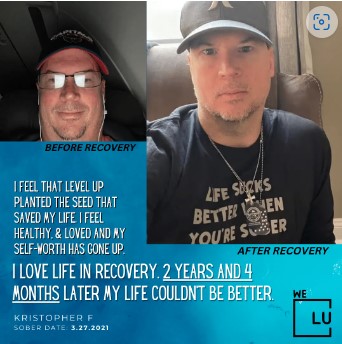
See our authentic success stories. Get inspired. Get the help you deserve.
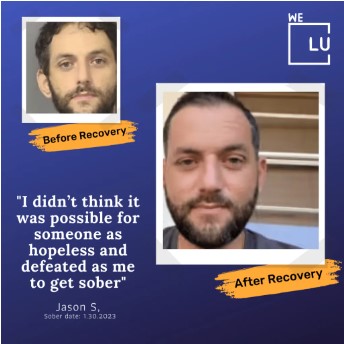
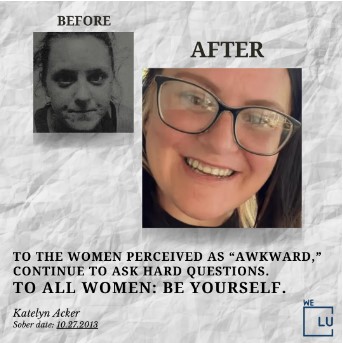
Start a New Life
Begin with a free call to a behavioral health treatment advisor. Learn more about our dual-diagnosis programs. The We Level Up treatment center network delivers recovery programs that vary by each treatment facility. Call to learn more.
- Personalized Care
- Caring Accountable Staff
- Comfortable Amenities
- Licensed & Accredited
- Renowned w/ 5-Star Reviews