

Stages of Depression: How Depression Changes Over Time
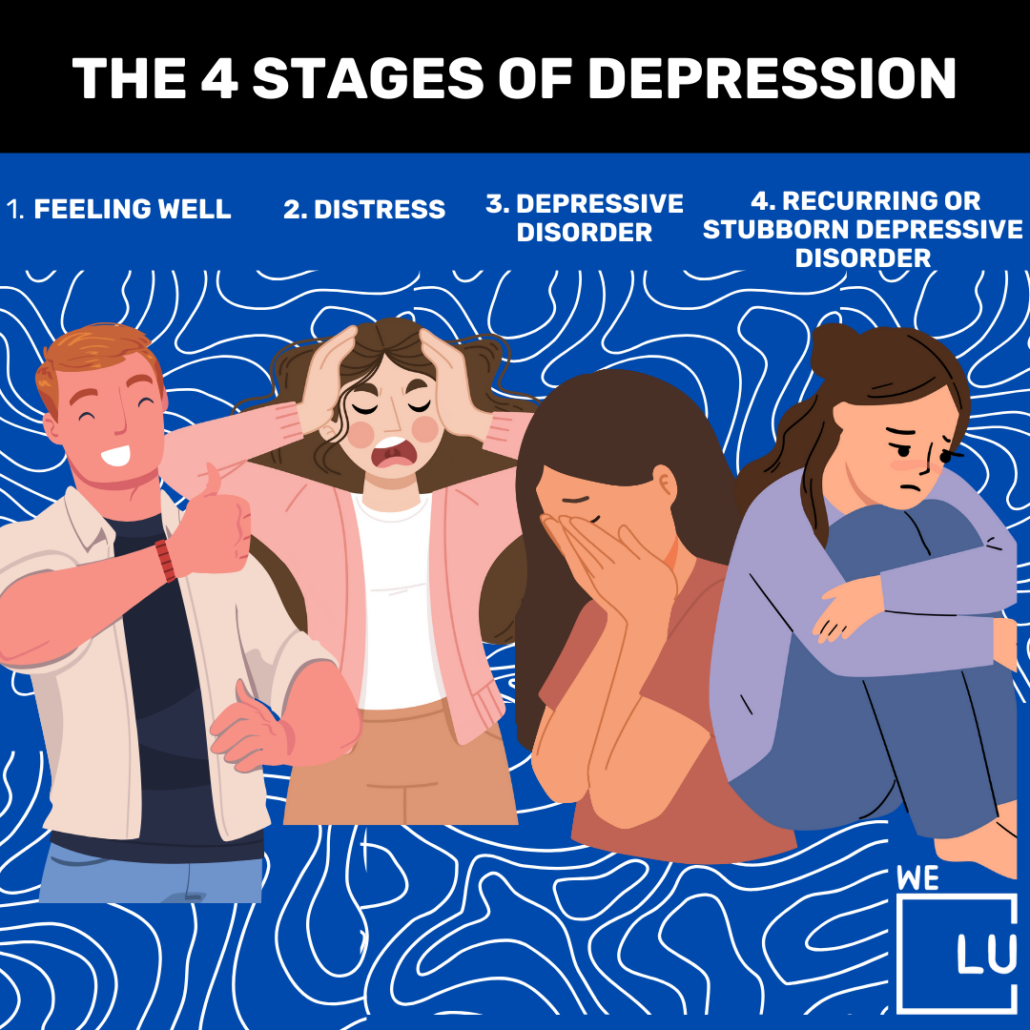
Depression impacts individuals uniquely, and although some individuals speculate that it follows stages akin to those in grief, there is no scientific backing for this idea. Research indicates that depression’s progression is more accurately described as a continuous increase in symptom severity.
Editor Yamilla Francese
Clinically Reviewed by Lauren Barry, LMFT, MCAP, QS
Medically Reviewed by Ali Nikbakht, PsyD
Updated on June 12, 2026 — Editorial Policy | Research Policy
Depression does not always begin all at once. Many people move through different stages of depression as their feelings slowly change. At first, a person may feel tired or sad more often than usual. Over time, these feelings may grow stronger and begin to affect daily life.
Depression can affect how a person thinks, feels, and behaves. It may change sleep patterns, energy levels, and interest in normal activities. Some people feel sadness, while others feel empty or numb inside.
Learning about the depression progression stages can help people notice warning signs early. When people understand what is happening, they can look for help sooner. With treatment and support, many people learn ways to manage depression and feel better.
Ready to get started? Call (888) 861-4486 or email verifyadmissions@welevelup.comtoday. A better life is waiting for you.
What Are the Stages of Depression?
The stages of depression describe how depressive feelings can grow and change over time. These stages help explain why depression sometimes starts slowly and becomes more serious later. Many people first notice small changes in their mood or energy. These changes may not seem important at the beginning. As time passes, the symptoms may become stronger and harder to manage.
Understanding the depression emotional stages helps people see that depression often develops in steps. Knowing these steps can make it easier to talk about mental health and seek support when needed.
Skip To:
Why Understanding the Phases of Depression Disorder Is Important
Understanding the phases of depression disorder can help people notice when they need help. When people learn about these stages, they can recognize changes in their thoughts, mood and behavior. This knowledge can also help family members understand what their loved one is going through. When people know the signs of depression, they can offer support earlier.
Learning about the depression cycle stages also reminds people that depression is a health condition. It is not a personal failure. Many people recover when they receive the right care and support.
Get Help. Get Better. Get Your Life Back.
Searching for Accredited Dual Diagnosis Mental Health Centers Near You?
Even if therapy failed previously, or are in the middle of a difficult crisis, we stand ready to support you. Our trusted behavioral health specialists will not give up on you. When you feel ready or just want someone to speak to about counseling alternatives to change your life call us. Even if we cannot assist you, we will lead you to wherever you can get support. There is no obligation. Call our hotline today.
FREE 24/7 Dual Diagnosis Mental Health Services HotlineWe Level Up Stages of Depression Mental Health Center Tips and Strategies
Engaging in self-help strategies can complement professional treatment for depression. This may include practicing stress reduction techniques, incorporating regular exercise into your routine, getting sufficient sleep, maintaining a balanced diet, and avoiding substance abuse.
Depression Fact Sheet
Definition: Depression is a common mental health disorder characterized by persistent sadness, loss of interest or pleasure in activities, and a range of physical and cognitive symptoms. It affects how a person thinks, feels, and functions daily.
Prevalence: Depression is a global health concern, affecting people of all ages and backgrounds.
Symptoms: Common symptoms of depression include persistent sadness, hopelessness, loss of interest in activities, changes in appetite and weight, sleep disturbances, low energy levels, difficulty concentrating, and thoughts of self-harm or suicide.
Risk Factors: Depression can be influenced by various factors, including genetics, brain chemistry, trauma, chronic medical conditions, certain medications, substance abuse, and significant life events such as loss or relationship problems. Women may be at a higher risk due to hormonal fluctuations.
Impact: Depression can have a significant effect on an individual’s quality of life, affecting their relationships, work or school performance, physical health, and overall well-being. It can also increase the risk of other health problems, including cardiovascular diseases.
Treatment: Depression is a treatable condition. Treatment options may include psychotherapy (such as cognitive-behavioral therapy), medication (such as antidepressants), or a combination of both. Lifestyle modifications, social support, and self-care practices are essential to manage depression.
Breaking the Stigma: Depression is not a sign of weakness or a character flaw. It is a medical condition that requires understanding, compassion, and support. By promoting open conversations, raising awareness, and challenging stigmas associated with mental health, we can create a more supportive environment for individuals affected by depression.
Learn more with the Depression Disorder PDF download below. Source: Samhsa.gov.
Early Stages of Depression
The early stages of depression often begin with small emotional changes. A person may feel more tired or sad than usual. They may also lose interest in activities they once enjoyed. Some people feel less motivated at work or school. Tasks that once felt easy may start to feel difficult or stressful.
Other early signs may include:
- Feeling sad or low for many days
- Trouble focusing on simple tasks
- Sleeping more or less than usual
- Changes in appetite
- Less energy during the day
At this stage, talking with a trusted friend, family member, or counselor may help prevent symptoms from becoming worse.

End the Emotional Pain. Get Your Life Back.
Feeling Depressed, Anxious or Struggling with Mental Health Illness? Get Safe Comfortable Mental Health Dual Diagnosis High-Quality Therapy From Counselors That Care. Begin Your Recovery Now.
Hotline (855) 940-6125Middle Stages of Depression
The middle depression progression stages often bring stronger emotional and physical symptoms. Sadness may last longer and feel harder to control. People in this stage may begin avoiding social activities. They may stop calling friends or attending events they once enjoyed. Work and school responsibilities may also feel overwhelming.
During these depression emotional stages, people may also notice body symptoms such as headaches, fatigue, or body pain. These changes can make daily life feel even more difficult.
First-class Facilities & Amenities
World-class High-Quality Mental Health Services & Behavioral Health Substance Abuse Treatment
Rehab Centers TourRenowned Mental Health Centers. Serene Private Facilities. Inpatient Rehab Programs Vary.
Mental Health Helpline (855) 940-6125Proven recovery success experience, backed by a Team w/ History of:
15+
Years of Unified Experience
100s
5-Star Reviews Across Our Centers
10K
Recovery Successes
- Comprehensive Dual-Diagnosis Treatment
- Complimentary Family & Alumni Programs
- Coaching, Recovery & Development Events
- Comfortable Onsite Medical Detox Center

Advanced Stages of Depression
The later major depression stages can deeply affect a person’s life. Feelings of sadness or emptiness may become very strong. People in this stage may lose interest in most activities, including hobbies or time with loved ones. They may feel hopeless about the future or believe things will never improve.
Common symptoms in these depression cycle stages include:
- Strong feelings of hopelessness
- Very low energy
- Difficulty getting out of bed
- Feeling worthless or guilty
- Thoughts about death or self harm
At this stage, professional help is very important. Mental health treatment can provide support and safety during difficult moments.
World-class, Accredited, 5-Star Reviewed, Effective Mental Health Dual Diagnosis Programs. Complete Integrated Inpatient Rehab with Free Post Discharge Therapy Planning.
CALL (855) 940-6125End the Emotional Pain Rollercoaster. Gain Stability & Happiness Through Recovery Treatment. Start Mental Health Counseling Today. Get Free No-obligation Guidance by Behaviroal Health Specialists Who Understand Mental Health Recovery.
The Depression Cycle Stages
Depression often follows patterns called depression cycle stages. Symptoms may improve for a short time and then return again. For example, a person may feel better after a positive life event or after resting. Later, stress or difficult situations may cause symptoms to return.
Understanding this cycle helps people prepare for emotional changes. With therapy and coping tools, many people learn ways to reduce the impact of these cycles.
Causes Behind Depression Progression
Depression usually develops from several causes. There is rarely one single reason for the depression progression stages. Brain chemistry plays an important role in mood and emotional balance. Changes in certain brain chemicals may increase the risk of depression.
Life experiences also affect mental health. Stressful events such as loss, trauma, or financial problems may trigger depressive symptoms. Family history can also increase the chance of depression. Learning about these causes helps people understand that depression is a health condition that deserves care and treatment.
Treatment for Major Depression Stages
Treatment can help people manage the major depression stages and improve their quality of life. Mental health professionals often create treatment plans that match each person’s needs. One common treatment is therapy, also called talk therapy. Cognitive behavioral therapy helps people understand their thoughts and learn healthier ways to cope with stress.
Treatment programs may include:
- Individual therapy sessions
- Medication prescribed by a doctor
- Support groups
- Stress management skills
- Family counseling
Many people begin to feel better when they receive the right support and care.
How Families Can Help Someone With Depression
When a loved one is going through the stages of depression, family support can make a big difference. Depression can make a person feel alone or misunderstood. Listening with patience and kindness can help the person feel supported. Try not to judge or minimize their feelings.
Encouraging professional help is also important. You may help by scheduling appointments, offering transportation, or simply being present. Small acts of care can help people feel safer and more hopeful during recovery.
When to Seek Professional Help
It is important to seek help if depressive feelings last for several weeks or begin to affect daily life. A mental health professional can evaluate symptoms and explain the phases of depression disorder. Early treatment can reduce symptoms and improve recovery. Therapy and medical support help many people regain emotional balance.
Seeking help is a positive and healthy step. It shows strength and a willingness to care for mental well being.
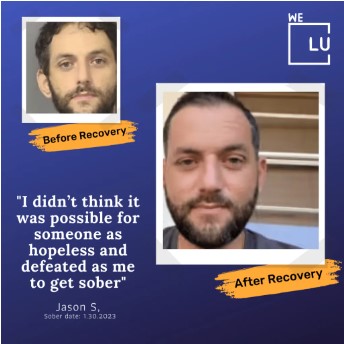
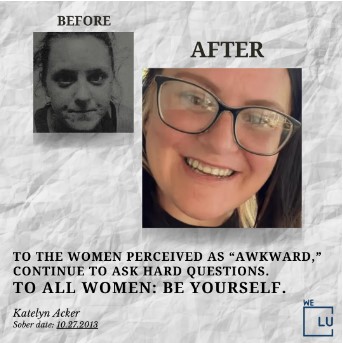
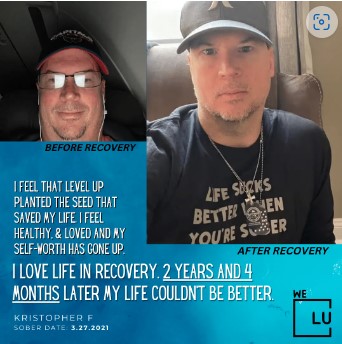
Experience Transformative Recovery at the We Level Up Treatment Center.
See our authentic success stories. Get inspired. Get the help you deserve.
Start a New Life
Begin with a free call to a behavioral health treatment advisor. Learn more about our dual-diagnosis programs. The We Level Up treatment center network delivers recovery programs that vary by each treatment facility. Call to learn more.
- Personalized Care
- Caring Accountable Staff
- Comfortable Amenities
- Licensed & Accredited
- Renowned w/ 5-Star Reviews
We’ll Call You
Frequently Asked Questions
-
Are there real stages of depression?
Depression does not have strict stages like grief. But many people see patterns where symptoms start small and grow bigger. It helps to think of it as levels from mild to severe.
-
How do I know if I am in an early phase?
You feel tired, lose some joy or get irritable often. If these last weeks and affect daily life, it might be starting. Talking to someone helps check.
-
Can depression go away without help?
Sometimes mild cases lift with time and support. But most need care to stop growing worse. Early help makes recovery faster and easier.
-
What is the worst stage of depression?
Severe major depression feels the hardest. It stops normal life and can bring dangerous thoughts. Urgent treatment helps a lot here.
-
Does everyone go through the same phases?
No. Depression looks different for each person. Some have quick changes. Others stay mild longer. Your path is unique.
-
How can loved ones help during hard stages?
Listen without judging. Encourage seeing a doctor. Stay close and patient. Help with daily things if needed. Your care means the world.
Take a Step Forward
Depression can change and grow if left alone, but it does not have to stay that way. From quiet early signs to heavier feelings, each point offers a chance to get help. Many people move through tough phases and come out stronger with therapy, medicine and support. You or your loved one can feel hope, energy, and joy again.
Do not wait if things feel heavy. Reach out today for a free talk or check at We Level Up FL. Our team listens and guides with care. Call our number now or visit the website. Bright days are possible. You deserve to feel better. Take that brave first step today.
Ready to get started? Call (888) 606-5120 or email verifyadmissions@welevelup.com today. A better life is waiting for you.
Watch Our We Level Up Therapist Michelle’s Tips On Identifying and Overcoming Depression
Video Script
The We Level Up FL mental health center represents a state-of-the-art and highly specialized facility dedicated to its clients’ well-being and mental health. It stands as a beacon of modernity, offering innovative behavioral recovery therapy programs at the forefront of the field. Situated in a serene and well-maintained environment, the center boasts meticulously manicured surroundings and outdoor relaxation areas designed to serve as spaces for renewal and tranquility.
Find effective inpatient mental health rehab for Depression. Get professional help from We Level Up’s skilled therapists. Start receiving support with a free call to our Depression disorder hotline.
One of the center’s defining characteristics is its commitment to providing science-based mental health treatments. These treatments are not one-size-fits-all but are meticulously tailored to suit each client’s needs. This individualized approach sets We Level Up FL apart in mental health care.
The heart of this center lies in its dedication to delivering highly personalized, one-on-one care to its clients. This approach recognizes the individuality of each person’s struggles and strengths, emphasizing the importance of a client-focused, client-driven recovery process.
In an era where mental health and well-being are paramount, the We Level Up FL mental health center stands as a beacon of hope, innovation, and dedication to ensuring that individuals receive the care and support they need to overcome their mental health challenges.