
Bipolar disorder is a mental health condition that affects a person’s mood. People who have it go through very high mood times (called mania) and very low mood times (called depression). Bipolar disorder can make life hard, but many people get help and learn to manage it.
You might wonder is bipolar disorder genetic. In other words, can it run in families and be passed down through genes? Scientists have studied this for many years. The answer is yes, but the story is not simple. You can have a higher risk if your family has bipolar disorder, but it is not guaranteed that you will get it too.
What Is Bipolar Disorder?
Bipolar disorder changes your mood in big ways. You have times of high energy and feeling great, called mania or hypomania. Then you have times of deep sadness and low energy, called depression. These shifts can last days, weeks, or months.
During mania, you might talk fast, need little sleep, make big plans, or take risks like spending too much money. In depression, everything feels hard. You lose interest in fun things, feel tired, or even think about hurting yourself.
It often starts in late teens or early adult years. About 2.8 percent of adults in the US have it, says the National Institute of Mental Health. It affects men and women about the same. With good help, many people manage it well and live happy lives.
The Role of Genetics in Bipolar Disorder
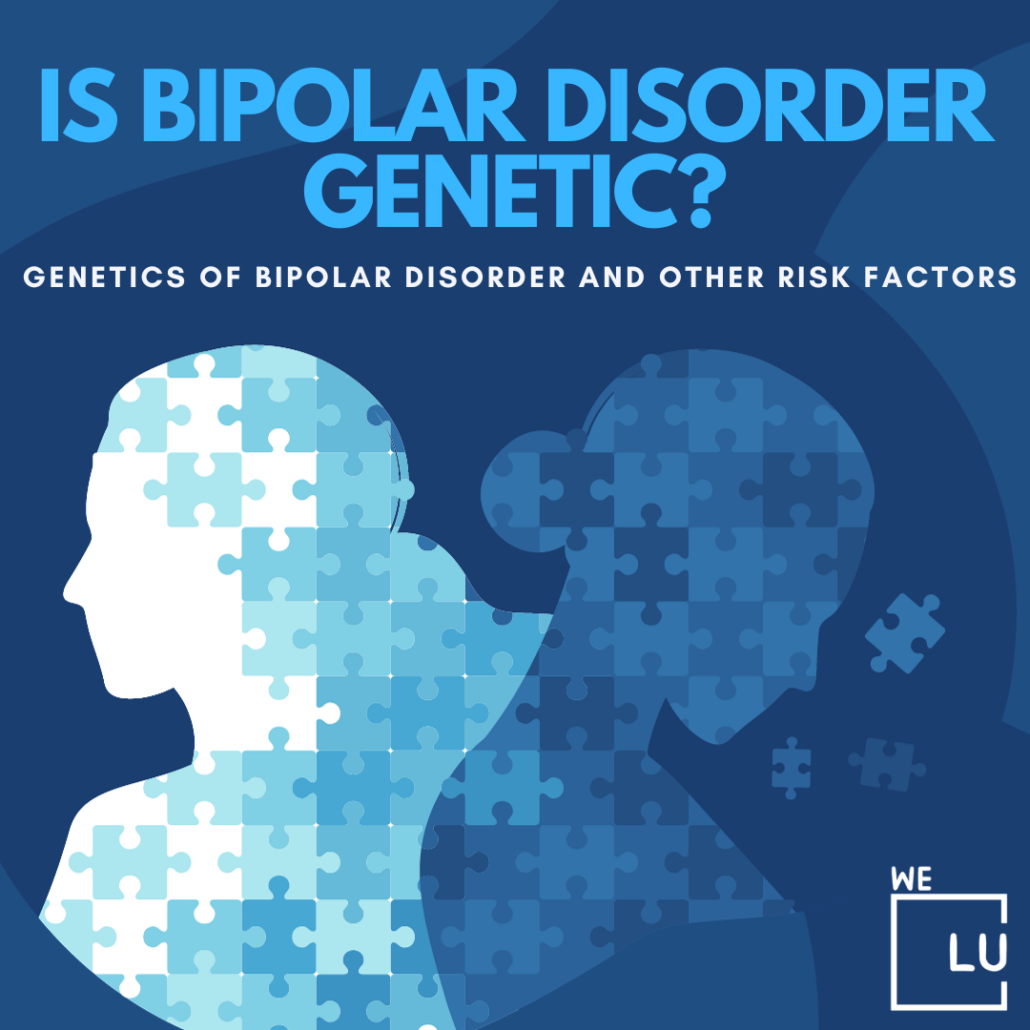
Genes make bipolar more likely in some families. Studies show it is one of the most hereditary bipolar disorder conditions. Genetics explains about 60 to 85 percent of the risk, from twin and family research.
No single gene causes it. Many genes work together, each adding a small risk. Recent studies found hundreds of gene spots linked to bipolar. One gene called AKAP11 raises the risk more than others when changed in a rare way.
Bipolar genetics overlap with other conditions like depression or schizophrenia. This means some gene changes affect mood in different ways. Knowing this helps doctors learn more about treatment.
Skip To:
Get Help. Get Better. Get Your Life Back.
Searching for Accredited Dual Diagnosis Mental Health Centers Near You?
Even if therapy failed previously, or are in the middle of a difficult crisis, we stand ready to support you. Our trusted behavioral health specialists will not give up on you. When you feel ready or just want someone to speak to about counseling alternatives to change your life call us. Even if we cannot assist you, we will lead you to wherever you can get support. There is no obligation. Call our hotline today.
FREE 24/7 Dual Diagnosis Mental Health Services HotlineFamily History and Risk

If someone in your family has bipolar, your chance goes up. First-degree relatives like parents, siblings, or children have the highest risk. If one parent has it, a child has about a 10 percent chance. If both parents have it, the chance rises to around 40 percent.
Most people with a family member who has bipolar do not get it themselves. The risk varies by family. Some families see it more often for unknown reasons.
Family history bipolar also links to other mood issues. Relatives might have depression or anxiety. This shows shared genes play a part across mental health problems.
First-class Facilities & Amenities
World-class High-Quality Mental Health Services & Behavioral Health Substance Abuse Treatment
Rehab Centers TourRenowned Mental Health Centers. Serene Private Facilities. Inpatient Rehab Programs Vary.
Mental Health Helpline (855) 940-6125Proven recovery success experience, backed by a Team w/ History of:
15+
Years of Unified Experience
100s
5-Star Reviews Across Our Centers
10K
Recovery Successes
- Comprehensive Dual-Diagnosis Treatment
- Complimentary Family & Alumni Programs
- Coaching, Recovery & Development Events
- Comfortable Onsite Medical Detox Center
How Family Studies Show Genetics
Twin studies help a lot. Identical twins share all genes. If one twin has bipolar, the other has a higher chance than fraternal twins who share half genes. This points strongly to genetics.
Family trees show patterns too. When many relatives have mood disorders, it suggests genes matter more. But even then, not everyone gets sick. This tells us genes set the stage, but other things start the show.

Other Causes and Triggers
Genes increase risk but they do not work alone. Stressful events can trigger bipolar in people who carry the genes. Things like losing a loved one, big life changes, trauma, or high stress raise chances. Substance use hurts too. Heavy alcohol or drugs can bring on episodes or make them worse. Sleep problems, head injuries, or even seasons changing (like spring for some) act as triggers.
Brain differences show up in scans sometimes. Areas that control mood work differently. These come from genes and life experiences together. Understanding all causes helps create better plans for care.
Environment and Lifestyle Factors
Your surroundings matter a lot. Childhood stress, abuse, or family conflicts can add to genetic risk. Good support and healthy habits lower chances of big episodes. Regular sleep, exercise, and avoiding drugs help control symptoms. For women, pregnancy and postpartum time can trigger issues if genes make them prone. Doctors watch closely then.
Lifestyle choices give you power. Even with strong genetic bipolar disorder causes, good daily routines make a real difference in feeling stable.
Diagnosis and Genetic Testing
Doctors diagnose bipolar by talking about your moods, history, and family. They check symptoms and rule out other health problems. No simple blood test or gene scan diagnoses it yet. Genetic testing for bipolar is not ready for everyday use. Many genes are involved, and results do not clearly say who will get it. Research continues to find better ways.
Early diagnosis helps. Spotting signs soon means starting treatment faster. This reduces how bad episodes get and improves life quality.
World-class, Accredited, 5-Star Reviewed, Effective Mental Health Dual Diagnosis Programs. Complete Integrated Inpatient Rehab with Free Post Discharge Therapy Planning.
CALL (855) 940-6125End the Emotional Pain Rollercoaster. Gain Stability & Happiness Through Recovery Treatment. Start Mental Health Counseling Today. Get Free No-obligation Guidance by Behaviroal Health Specialists Who Understand Mental Health Recovery.
Treatment and Hope for the Future
Treatment works well for most people. Medicine like mood stabilizers calms swings. Therapy teaches ways to handle stress and spot early warning signs. Support groups connect you with others who understand.
New gene research brings hope. Scientists study how genes work to find better medicines. Some drugs target specific brain paths linked to genes. Many people with bipolar lead full lives. They work, have families and enjoy hobbies. With the right help, you can too.
Getting Support
Talk to a doctor if you see mood changes or worry about family risk. Mental health experts offer tests, medicine and talk therapy. Centers help with both mental health and addiction if needed.
Family education matters. Learning together builds understanding and support. You do not have to face this alone. Reach out early. Good care changes everything for the better.
Experience Transformative Recovery at the We Level Up Treatment Center.
See our authentic success stories. Get inspired. Get the help you deserve.
Start a New Life
Begin with a free call to a behavioral health treatment advisor. Learn more about our dual-diagnosis programs. The We Level Up treatment center network delivers recovery programs that vary by each treatment facility. Call to learn more.
- Personalized Care
- Caring Accountable Staff
- Comfortable Amenities
- Licensed & Accredited
- Renowned w/ 5-Star Reviews
We’ll Call You
FAQs
-
Is bipolar disorder genetic?
Yes, genes play a big role. Bipolar is highly hereditary bipolar disorder. Studies show 60 to 85 percent of risk comes from genetics, but environment matters too.
-
If my parent has bipolar, will I get it?
Not always. If one parent has it, your risk is about 10 percent. If both parents have it, risk goes up to 40 percent. Many people with family history do not develop it.
-
Is there one gene that causes bipolar?
No. Many genes add small risks. Recent studies found hundreds of gene spots and one stronger gene called AKAP11 in rare cases.
-
Can stress cause bipolar even without genes?
Stress alone rarely causes it. But in people with genetic risk, big stress or trauma can trigger the first episode.
-
Does family history mean I should get tested?
Genetic tests for bipolar are not standard yet. Talk to a doctor about your family history. They can watch for signs and help early.
-
Where can I get help if I worry about bipolar in my family?
See a mental health doctor or therapist. Support groups and hotlines offer free talks. We provide caring help for bipolar and related needs.
Take a Step Forward
Bipolar disorder often has strong genetic roots, but it does not have to control your life. Many people with family history bipolar live well with treatment, support, and healthy choices. Understanding bipolar genetics brings hope for better care ahead. If you or a loved one faces mood changes or worries about genes, reach out now. A kind doctor or our team can listen and guide you. You deserve to feel stable and happy. Take the first step today for a brighter tomorrow.