
Trauma Response Quiz to Track Emotional Health

A Trauma Response Quiz to Track Emotional Health helps people see how their mind and body react to stress after hard experiences. Many people feel worried, sad, or tense after trauma and do not know why. This quiz can show patterns in emotions, reactions, and coping styles. Taking the quiz gives guidance about what kind of support or care might help. It is a safe way to start understanding feelings and learn how to manage stress. At We Level Up Tamarac FL, the quiz is used with therapy, support groups, and wellness programs. This approach helps people feel calmer, safer, and more in control of their emotional health every day.
Table of Contents
What is a Trauma Response Quiz?
A Trauma Response Quiz is a tool that helps people see how their mind and body react to stress after upsetting events. Many people feel worried, sad, or tense after trauma, and they do not always understand why. The quiz asks simple questions about thoughts, feelings, and behaviors. It can show patterns in how a person reacts to triggers or stressful situations. Some quizzes look at anxiety, fear, anger, or avoidance. Others show how people cope with strong emotions. Taking a trauma response test helps people notice signs they might need support. It is a safe way to start understanding feelings and reactions. These quizzes are not a diagnosis but a guide for care. Results can help clinicians or therapists create a plan that fits each person’s needs. A trauma coping style quiz can show ways someone handles stress and which strategies may help them feel calmer. Many people also take a ptsd response quiz to see if they have reactions similar to PTSD symptoms. With guidance, a trauma assessment quiz can become the first step in healing. It helps people learn more about themselves, track progress over time, and work with professionals to feel safer and healthier every day.
What Is My Trauma Response Quiz
Take the What’s My Trauma Response Quiz
Deprecated: Creation of dynamic property WTPQuestion::$exam is deprecated in /nas/content/live/levelupfl/wp-content/plugins/watupro/show_exam.php on line 24

Unforeseen challenges in life can shape how we cope with stress and adversity. These responses, called trauma responses, differ from person to person. Discovering your unique coping mechanisms can offer valuable insights into your well-being.
Please note that this quiz does not diagnose any condition. It is merely a starting point for self-reflection. Seek professional help if needed, as mental health experts can provide personalized guidance and support.
Explore your trauma responses, fostering self-awareness for healing and growth. You are not alone on this journey - resources are available to aid you in your emotional well-being. Let's start the "What Is My Trauma Response Quiz" together.
*By taking this free quiz, you may obtain your results online and in your email box. You’ll have the opportunity to opt-in to learn more about your symptoms, talk to a mental health consultant and join our newsletter. Rest assured your information is private and confidential. Results, consultations and assessment are provided without any cost to you and without any obligation. If you do not wish to provide your contact information, you may omit it during your quiz. Thank you for opting in and participating. To you best of health.
What To Do After Taking The What Is Your Trauma Response Quiz?
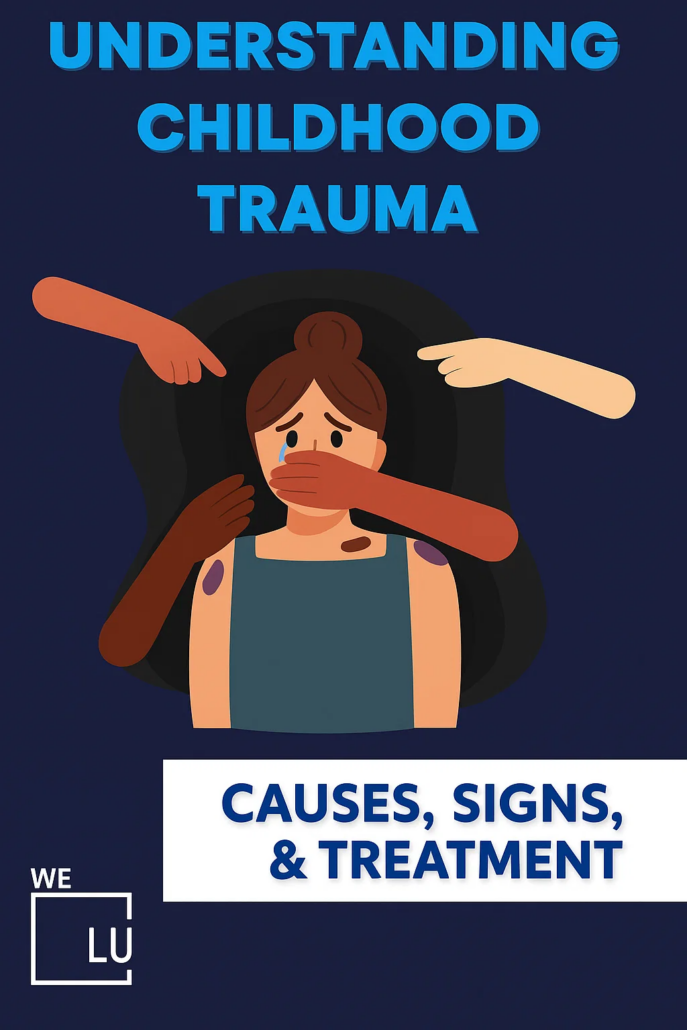
After taking the “What Is Your Trauma Response Quiz,” it is essential to approach the results with an open and reflective mindset. Remember that the quiz provides valuable insights into your unique situation but is not a substitute for a comprehensive clinical evaluation conducted by a qualified mental health professional. Here are some recommended steps to take after completing the quiz:
- Review Your Responses: Review your answers and consider how they align with your feelings and experiences.
- Reflect on the Results: Consider the implications of the quiz results and how they may relate to your well-being and mental health.
- Seek Professional Evaluation: If the quiz indicates a potential tendency toward trauma or you have concerns about your emotional well-being, it is crucial to seek help from a licensed healthcare professional. They can provide a comprehensive assessment and offer appropriate guidance and support.
- Don’t Hesitate to Reach Out: Reach out to the We Level Up treatment center network or other mental health resources for assistance and information on accessing professional help.
- Discuss with Loved Ones: Discuss your quiz experience with trusted friends or family members if you feel comfortable. Sharing your feelings can provide additional support and understanding.
- Prioritize Self-Care: Engage in self-care activities that promote emotional well-being, such as spending time with loved ones, engaging in hobbies, exercising, and getting adequate rest.
- Stay Informed: Continue learning about trauma and its effects. Understanding the topic can empower you to make informed decisions about your mental health.
- Be Patient and Kind to Yourself: Remember that healing and growth take time. Be patient and compassionate with yourself as you navigate your emotions and experiences.
Ultimately, the “What Is Your Trauma Response Quiz” can serve as a stepping stone toward greater self-awareness and proactive steps in managing your mental health. Always remember that seeking professional help is a crucial and commendable step in taking care of your well-being.
Take An Trauma Response Quiz Free Online For Adults
Taking a Trauma Response Quiz online for adults can be a valuable self-assessment tool to gain insights into how one might respond to trauma-related experiences. The quiz is designed to help individuals identify potential behavioral patterns and emotional reactions that may indicate trauma or its effects. By participating in this free online quiz, adults can increase their awareness about their emotional well-being and potential trauma responses.
It is essential to approach the results of the Trauma Response Quiz with an open and reflective mindset. While the quiz can provide valuable insights, it is not a substitute for a comprehensive clinical evaluation by a qualified mental health professional. If the quiz indicates a potential tendency toward trauma or concerns about one’s emotional well-being, seeking professional evaluation and support is crucial.
Participating in the Trauma Response Quiz can be a proactive step towards prioritizing mental health. Remember that seeking help and support is a sign of strength, and reaching out to licensed healthcare professionals is essential for accurate assessment and appropriate guidance. Individuals’ well-being and emotional safety are of utmost importance, and this quiz is designed to offer support and understanding during the journey toward healing and well-being.
After completing the trauma response quiz, click “submit” and patiently await your results. Consider sharing your test results with a professional healthcare counselor to gain valuable insights. Feel free to call the We Level Up treatment center advocates for a complimentary trauma response evaluation and consultation if you need assistance. Rest assured that this consultation is not obligated, and your call will be confidential and free of charge. Your well-being is our top priority, and we are here to provide guidance and resources during this time, supporting your journey toward healing and emotional well-being.
Get Help. Get Better. Get Your Life Back.
Searching for Accredited Dual Diagnosis Mental Health Centers Near You?
Even if therapy failed previously, or are in the middle of a difficult crisis, we stand ready to support you. Our trusted behavioral health specialists will not give up on you. When you feel ready or just want someone to speak to about counseling alternatives to change your life call us. Even if we cannot assist you, we will lead you to wherever you can get support. There is no obligation. Call our hotline today.
FREE 24/7 Dual Diagnosis Mental Health Services HotlineSigns You May Need a Trauma Response Quiz
If you notice any of these signs, taking a trauma response test may help you understand your reactions:
- Sudden anxiety or fear for no clear reason
- Difficulty sleeping or frequent nightmares
- Avoiding people, places, or memories of a stressful event
- Feeling numb, sad, or detached from daily life
- Irritability or sudden mood changes
- Trouble concentrating on simple tasks
- Strong emotional reactions to small reminders of stress
These signs may show that your body and mind are trying to protect you from something upsetting. A trauma reaction quiz can help you see patterns and begin healing with support.
Why Choose We Level Up Tamarac FL for the Trauma Response Quiz?
At We Level Up Tamarac FL, clients get safe, compassionate care that includes trauma response assessments. Our team of trained therapists, counselors, and medical providers uses evidence‑based tools to help women and men start healing. A trauma response quiz is just one part of a full care plan that supports emotional growth and recovery.
We tailor care plans using quiz results, personal history, and clinical observation. This helps our team build a program that fits each person’s needs. Our staff are experienced in trauma care and understand how trauma responses can affect emotions, relationships, and daily life. We make sure every client feels heard and safe.
Our facility also offers group counseling, individual therapy, mindfulness, and wellness programs. These care options help clients take steps toward emotional balance and long‑term healing. Using a trauma response quiz at intake helps guide treatment and creates a roadmap for recovery. Clients feel supported from assessment to healing.
World-class, Accredited, 5-Star Reviewed, Effective Mental Health Dual Diagnosis Programs. Complete Integrated Inpatient Rehab with Free Post Discharge Therapy Planning.
CALL (855) 940-6125End the Emotional Pain Rollercoaster. Gain Stability & Happiness Through Recovery Treatment. Start Mental Health Counseling Today. Get Free No-obligation Guidance by Behaviroal Health Specialists Who Understand Mental Health Recovery.
What to Expect During a Trauma Response Quiz?
When you come to We Level Up Tamarac FL for a trauma response quiz, the first step is a gentle assessment. Staff will ask questions about your experiences, thoughts, and feelings. The quiz may ask how you react to stressful situations or reminders of past events. You can answer honestly, and everything is private. This step helps staff understand your emotional patterns and how your mind and body respond to stress. It also helps them plan care that is safe and fits your needs.
After the quiz, you may start therapy sessions or counseling. These sessions teach coping skills and emotional awareness. Therapists may use simple exercises, mindfulness, and relaxation techniques. A trauma reaction quiz helps guide these sessions, so therapists know which skills will help most. Group sessions may also be offered. Sharing experiences with others can make you feel less alone and show you healthy ways to handle stress.
The last step focuses on recovery and long-term care. Staff help you track progress and notice patterns in your reactions. They also teach strategies to prevent future stress from becoming overwhelming. Wellness activities, journaling, and gentle exercises are encouraged. Using a trauma coping style quiz over time can show improvements and areas that need more support. With guidance, you can learn to understand your emotions, manage stress, and feel safer in daily life.
Benefits of a Trauma Response Quiz
- Helps track progress and healing over time
- Shows personal patterns in trauma reaction and stress
- Helps clinicians tailor individualized treatment plans
- Supports emotional awareness and self‑understanding
- Guides therapy and coping skills for daily life
First-class Facilities & Amenities
World-class High-Quality Mental Health Services & Behavioral Health Substance Abuse Treatment
Rehab Centers TourRenowned Mental Health Centers. Serene Private Facilities. Inpatient Rehab Programs Vary.
Mental Health Helpline (855) 940-6125Proven recovery success experience, backed by a Team w/ History of:
15+
Years of Unified Experience
100s
5-Star Reviews Across Our Centers
10K
Recovery Successes
- Comprehensive Dual-Diagnosis Treatment
- Complimentary Family & Alumni Programs
- Coaching, Recovery & Development Events
- Comfortable Onsite Medical Detox Center
How to Get Started With a Trauma Response Quiz?
Getting started with a trauma response quiz at We Level Up Tamarac FL is easy. Call (888) 861‑4486 or email verifyadmissions@welevelup.com for help with insurance and scheduling. A care coordinator will guide you through the intake, assessment, and intake quiz steps. Taking this first step can bring clarity and support for emotional healing. Early insight from a trauma assessment quiz can show you where you are now and where you want to go in recovery. Our staff is here to support you every step of the way toward understanding your reactions and creating a healthier, calmer future.

End the Emotional Pain. Get Your Life Back.
Feeling Depressed, Anxious or Struggling with Mental Health Illness? Get Safe Comfortable Mental Health Dual Diagnosis High-Quality Therapy From Counselors That Care. Begin Your Recovery Now.
Hotline (855) 940-6125FAQs About Trauma Response Quiz
What is a trauma response quiz?
A trauma response quiz is a set of questions that helps show how someone reacts after a stressful or scary event. It can show patterns in thoughts, emotions, and body responses to stress.
How is a trauma reaction quiz different from therapy?
A trauma reaction quiz is a tool to understand reactions. Therapy is a treatment that uses those results to teach skills and support healing with a clinician.
Who should take a trauma response test?
Anyone who notices lasting stress after upsetting events may take a trauma response test. It can help adults who struggle with anxiety, fear, or emotional distress linked to past events.
Can a trauma assessment quiz show PTSD signs?
Some quizzes include questions similar to a ptsd response quiz, but only a trained clinician can diagnose PTSD. A quiz helps guide conversations about symptoms.
What happens after I take a trauma coping style quiz?
After the quiz, a clinician reviews the results with you. Then they build a care plan with therapy, coping skills, and support aimed at your needs.
Can a trauma response quiz help with healing?
Yes. A trauma response quiz helps identify reactions and patterns that need care. It gives direction for therapy and supports emotional growth and resilience.
How to Improve Mental Health? 8 Steps & Tips for Maintaining Your Mental Wellbeing Video
8 Steps for Mental Wellbeing & How To Improve Mental Health
- Staying Positive
- Practicing Gratitude
- Taking Care of Your Physical Health
- Connecting With Others
- Developing a Sense of Meaning and Purpose in Life
- Developing Coping Skills
- Meditation
- Relaxation Techniques