

Depression can feel very heavy and hard to manage each day. It can affect thoughts, feelings, and daily life in many ways. Understanding how is depression treated helps people and families find hope and clear direction. It also helps them move toward healing, balance, and a better life.
Many people with depression struggle in silence and feel unsure what can help them. They often wonder which depression treatment options truly work. Good care uses proven therapies, medication, and support in a safe setting.
At We Level Up FL, we offer caring and complete support for recovery. Our team helps people build confidence, grow stronger, and improve their daily lives. We guide each person toward lasting healing and a renewed sense of purpose.
If you or your loved one is experiencing depression symptoms that affect daily functioning, seek professional help. Contact We Level Up Florida for compassionate support. Each call is free and confidential.
Table of Contents
How Is Depression Treated
Understanding how is depression treated starts with knowing that care often includes therapy, medication, and healthy life changes. Treatment for depression uses clear plans based on each person’s symptoms and mental health conditions. These plans help guide recovery step by step.
A licensed mental health professional checks how serious the depressive disorders are before starting care. They suggest the best therapies for depression based on each person’s needs. This helps people with depression get the right care for both mind and body.
Therapy is a key part of depression recovery approaches and helps people change harmful thinking patterns. Cognitive behavioral therapy (CBT) is a common method that teaches better thinking and daily habits. It helps people feel more in control of their emotions.
Other therapy for depression methods include group counseling and talking with others in similar situations. These help improve relationships and build emotional awareness. They also help reduce stress and support long term healing.
Medication for depression treatment can help. It is often used for moderate or severe depressive disorders. Serotonin reuptake inhibitors (SSRIs) are often used to help balance mood and improve stability. These medications can make daily life easier for many people.
Other medicines may be used based on symptoms and possible side effect concerns. A doctor will guide these choices to keep treatment safe and helpful. When used with therapy, medication can improve results and support steady progress.
Some people need advanced care when regular treatment plans do not work well. Transcranial magnetic stimulation (TMS) uses gentle pulses to help brain areas linked to mood. This can improve emotional balance over time.
Electroconvulsive therapy (ECT) may be used in serious cases, especially with suicidal thoughts. These therapies for depression offer more ways to reduce symptoms and improve life quality. They can help when other methods have not worked.
Healthy habits also support how to treat depression effectively in both short and long term recovery. Exercise, good sleep, and balanced meals help improve mood and strength. These changes support overall mental health.
Support groups give people a safe place to share and feel less alone. They help build connection and encouragement during recovery. These supports work well with formal treatment.
Professional care is very important because untreated depression can get worse over time. A mental health professional can identify the right types of depressive conditions. They can also create strong and effective treatment plans. This helps prevent serious problems.
Early treatment helps people recover faster and more safely. It also helps avoid relapse and worsening symptoms. Getting help early makes a big difference.
According to the U.S. National Institute of Mental Health, many adults face mental illness each year. This includes many people living with depressive disorders. This shows how important treatment for depression is today.
Early care improves results and lowers long term impact. It helps families and individuals live better lives. Access to care is very important for everyone.gns with your unique experiences, fostering a more targeted and effective path toward managing and alleviating symptoms of depression.
Get depression counseling from We Level Up Florida’s mental health therapists. Reach out for professional support with a free call to our 24/7 mental health hotline.
Learn More:
- Effective Depression Treatment, Depressive Disorder Symptoms, Types, and Causes
- The 5 Most Effective, Best Antidepressants and How They Work
- What Does Depression Feel Like? Facts About Depression Symptoms
- What to Say to Someone Who is Depressed? 12 Things to Say
- Major Depressive Disorder Medication, Treatment and Symptoms
- What to Know About Smiling Depression, Symptoms and Treatment.
- Guide to Situational Depression Symptoms, Causes, and Effective Treatment
- Unipolar Depression Definition, Causes, Symptoms, and Treatment
- Learn How to Cope with Depression. 10 Ways to Cope with Depression.
- Dementia and Depression Connection, Top Signs, and Symptoms
Get Help. Get Better. Get Your Life Back.
Searching for Accredited Dual Diagnosis Mental Health Centers Near You?
Even if therapy failed previously, or are in the middle of a difficult crisis, we stand ready to support you. Our trusted behavioral health specialists will not give up on you. When you feel ready or just want someone to speak to about counseling alternatives to change your life call us. Even if we cannot assist you, we will lead you to wherever you can get support. There is no obligation. Call our hotline today.
FREE 24/7 Dual Diagnosis Mental Health Services HotlineHow Effective Are Different Depression Treatments?
Effective depression treatment often involves a combination of therapeutic approaches tailored to individual needs. Here’s a brief overview of various depression treatments and their general effectiveness and risks:
| Depression Treatment Type | Effectiveness | Considerations | Potential Risks |
|---|---|---|---|
| Cognitive Behavioral Therapy (CBT) | ✔️ High | Effective in changing negative thought patterns and behaviors. | Generally safe; may be less effective for severe depression. |
| Interpersonal Therapy (IPT) | ✔️ High | Focuses on improving interpersonal relationships. | Minimal side effects; it may take time to see noticeable changes. |
| Mindfulness-Based Cognitive Therapy (MBCT) | ✔️ Moderate | Integrates mindfulness with CBT, which helps prevent relapse. | Requires commitment to regular practice; not for everyone. |
| Psychodynamic Therapy | ✔️ Moderate | Explores unconscious thoughts and past experiences. | Lengthy process; may not provide immediate relief. |
| Medication (Antidepressants) | ✔️ High | SSRIs, SNRIs, and others address chemical imbalances in the brain. | Side effects vary, with the potential for dependence or withdrawal. |
| Electroconvulsive Therapy (ECT) | ✔️ High (for severe cases) | Considered for severe depression resistant to other treatments. | Risks include memory loss, confusion, and potential relapse. |
Signs You May Need Depression Treatment and Care
Knowing the signs early can help people seek depression treatment options before symptoms get worse.
- Thoughts of death or suicidal thoughts
- Feeling sad or low most of the day for weeks
- Losing interest in hobbies or daily activities
- Changes in sleep or appetite
- Trouble focusing or making decisions
- Feeling hopeless, guilty, or worthless
- Low energy or body aches without clear cause
Start your journey to healing by reaching out to We Level Up Florida Mental Health Treatment Center. Call us for a free and confidential assessment.

End the Emotional Pain. Get Your Life Back.
Feeling Depressed, Anxious or Struggling with Mental Health Illness? Get Safe Comfortable Mental Health Dual Diagnosis High-Quality Therapy From Counselors That Care. Begin Your Recovery Now.
Hotline (855) 940-6125Why Choose We Level Up FL for Depression Treatment and Care?
We Level Up FL provides full and personalized care for many depressive disorders and mental health conditions. Our skilled team includes licensed therapists, medical providers, and support staff. They deliver proven therapies for depression. We focus on care that is safe, effective, and built around each person’s needs.
We use advanced treatment methods like cognitive behavioral therapy CBT. We also provide medication management and holistic wellness care. Each method is tailored to support the individual and their recovery journey. This combined approach helps treat both emotional and physical symptoms of depression.
Our facility builds personalized treatment plans that grow and change as each person improves. Clients are cared for in a safe and structured setting that supports healing and stability. This environment helps build long term emotional strength and resilience.
We also offer advanced care options like transcranial magnetic stimulation TMS when needed. These treatments give extra support for those who need more help. Our goal is to provide strong and effective depression recovery approaches at every stage.
Along with clinical care, we focus on building strong coping skills and daily life habits. Patients join group therapy, support groups, and learning sessions that support positive change. These tools help people stay on track after treatment ends.
Our team works closely with each person to understand and treat the causes of their mood disorder and emotional struggles. This full support system helps individuals regain control and keep making progress. It also prepares them for long term success after treatment.
Ready to get started? Call (888) 606-5120 or email verifyadmissions@welevelup.com today. A better life is waiting for you.
If you’re struggling with depression symptoms, don’t hesitate to reach out to the We Level Up Florida helpline for dedicated support and guidance. Our compassionate team is ready to assist, offering a listening ear and helping you navigate the steps towards comprehensive mental health care.
First-class Facilities & Amenities
World-class High-Quality Mental Health Services & Behavioral Health Substance Abuse Treatment
Rehab Centers TourRenowned Mental Health Centers. Serene Private Facilities. Inpatient Rehab Programs Vary.
Mental Health Helpline (855) 940-6125Proven recovery success experience, backed by a Team w/ History of:
15+
Years of Unified Experience
100s
5-Star Reviews Across Our Centers
10K
Recovery Successes
- Comprehensive Dual-Diagnosis Treatment
- Complimentary Family & Alumni Programs
- Coaching, Recovery & Development Events
- Comfortable Onsite Medical Detox Center
What to Expect During Depression Treatment and Care
The treatment process starts with a full check by a mental health professional. They look at symptoms and overall health. This helps find the types of depressive conditions and choose the best treatment for depression. It shows what each person needs.
After this, clinicians create personalized treatment plans for each person. These plans match their needs and recovery goals. The plan focuses on short term help and long term stability. It keeps care simple and clear.
Therapy is an important part of treatment. It gives people tools to manage symptoms and feel better. Patients use therapy for depression methods like cognitive behavioral therapy CBT and group counseling. These approaches help improve thoughts, emotions, and daily behaviors. They also take part in one-on-one sessions. These sessions provide personal support and focused care.
Therapy helps people find triggers and change negative thoughts. It also helps build strong coping skills for daily life. Over time, therapy supports emotional growth. It helps people become stronger.
Medication may be part of treatment for depression if needed. Doctors watch progress and adjust doses to reduce side effect concerns. This helps improve results. It keeps treatment safe and helpful.
Regular check-ins help make sure treatment is working well. Using medication with therapy often leads to better results. This helps people recover in a steady way. It supports long term success.
Relapse prevention is also part of depression recovery approaches. It helps people keep their progress after treatment. Patients learn to spot early warning signs. They learn what to do if symptoms return.
Aftercare programs and support groups give ongoing help. They help build healthy habits and emotional balance. This long term support helps people manage their mental health. It helps them stay strong and keep moving forward.
Your journey to mental wellness begins with a simple call to We Level Up Florida. Each call is private and confidential.
Benefits of Depression Treatment and Care
Knowing the signs early can help people seek depression treatment options before symptoms get worse.
- Feeling sad or low most of the day for weeks
- Losing interest in hobbies or daily activities
- Changes in sleep or appetite
- Trouble focusing or making decisions
- Feeling hopeless, guilty, or worthless
- Low energy or body aches without clear cause
- Thoughts of death or suicidal thoughts
World-class, Accredited, 5-Star Reviewed, Effective Mental Health Dual Diagnosis Programs. Complete Integrated Inpatient Rehab with Free Post Discharge Therapy Planning.
CALL (855) 940-6125End the Emotional Pain Rollercoaster. Gain Stability & Happiness Through Recovery Treatment. Start Mental Health Counseling Today. Get Free No-obligation Guidance by Behaviroal Health Specialists Who Understand Mental Health Recovery.
How to Get Started with Depression Treatment and Care
Taking the first step toward recovery can feel hard, but help is here for you at every stage. At We Level Up FL, our team is ready to help you explore depression treatment options that fit your needs and goals. We are here to guide you with care, support, and understanding.
Call (888) 606-5120 to speak with a caring professional today. You can verify your insurance and schedule a private consultation. Our team will help you understand your options and take the next step.
You deserve compassionate care, effective treatment, and a path to lasting emotional wellness. Reach out now and start your recovery journey with trusted support. Build hope, stability, confidence, and a healthier, more fulfilling future.
Ready to get started? Call (888) 606-5120 or email verifyadmissions@welevelup.com today. A better life is waiting for you.
FAQs About Depression Treatment
1. How is depression treated effectively for long-term recovery?
How is depression treated effectively often includes therapy, medication, and healthy habits. Treatment plans use CBT and medication for depression treatment like SSRIs. A mental health professional guides care and tracks progress. These steps help manage symptoms and prevent relapse. Long term success depends on support, routine, and healthy lifestyle changes.
2. What are the most common depression treatment options available today?
Depression treatment options include therapy, medication, and lifestyle changes. Therapy for depression methods like CBT help improve thinking and emotions. SSRIs help balance mood. Some people may need TMS or ECT if other care does not work.
3. Can mild depression be treated without medication?
Yes, mild depression can improve with therapy and lifestyle changes. Therapy for depression methods like CBT teach coping skills. Exercise, sleep, and support also help. A mental health professional can guide the best plan.
4. How long does treatment for depression usually take?
Treatment for depression can take weeks or months depending on symptoms. Some people feel better quickly, while others need longer care. Long term plans help prevent relapse. Ongoing support improves results.
5. Are there side effect risks with medication for depression treatment?
Medication for depression treatment can cause side effect issues. These may include sleep changes or mild nausea. A doctor will monitor and adjust treatment. This keeps care safe and effective.
6. What should I expect from therapy for depression methods?
Therapy for depression methods help change negative thoughts and build coping skills. CBT is a common approach. Sessions include talking, learning, and goal setting. This helps improve mood and daily life.
7. When should someone seek professional help for depression?
Help is needed when symptoms last weeks or affect daily life. Suicidal thoughts also need urgent care. A mental health professional can diagnose and treat depression. Early help improves recovery. This is also why it’s important to know how is depression treated.
8. How is depression treated in severe or treatment-resistant cases?
How is depression treated in severe cases may include TMS or ECT. These therapies help when standard care does not work. They improve brain function and mood. Combined care offers better results.
Clinical Depression Symptoms, Signs of Depression, and Major Depressive Disorder Help Informative Video
Experience Transformative Recovery at the We Level Up Treatment Center.
See our authentic success stories. Get inspired. Get the help you deserve.
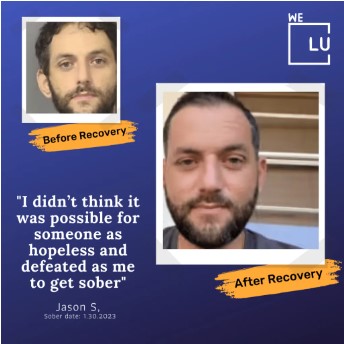
Start a New Life
Begin with a free call to a behavioral health treatment advisor. Learn more about our dual-diagnosis programs. The We Level Up treatment center network delivers recovery programs that vary by each treatment facility. Call to learn more.
- Personalized Care
- Caring Accountable Staff
- Comfortable Amenities
- Licensed & Accredited
- Renowned w/ 5-Star Reviews
We’ll Call You
Search We Level Up FL How is Depression Treated? Mental Health Topics & Resources
Sources
- We Level Up Treatment Florida – Depression Treatment – https://welevelupfl.com/behavioral-health/depression-treatment/
- National Center for Biotechnology Information (NCBI) – Depression (StatPearls Overview) – https://www.ncbi.nlm.nih.gov/books/NBK554406/
- U.S. Department of Veterans Affairs (VA) – Transcranial Magnetic Stimulation (TMS) Treatment for Depression – https://www.va.gov/montana-health-care/programs/transcranial-magnetic-stimulation-tms-treatment-for-depression/
- MedlinePlus (U.S. National Library of Medicine) – Depression Treatment and Therapies – https://medlineplus.gov/ency/article/007474.htm
- National Institute of Mental Health (NIMH) – Mental Illness Statistics – https://www.nimh.nih.gov/health/statistics/mental-illness