
By We Level Up FL Treatment Center | Editor Yamilla Francese | Clinically Reviewed By Lauren Barry, LMFT, MCAP, QS, Director of Quality Assurance | Editorial Policy | Research Policy |
If you feel stuck in negative thoughts or painful emotions, you are not alone. Many people struggle with anxiety, depression, trauma, or addiction. CBT is a proven way to help people change harmful thinking patterns and build healthier habits.
Cognitive behavioral therapy, often called CBT, is a type of evidence based psychotherapy. That means research shows it works. It helps people understand how their thoughts affect their feelings and actions. When you change your thoughts, you can change your life.
In this guide, I will explain cognitive behavioral therapy. I will walk you through how it works, what CBT treatment methods look like, and how it may help you or someone you love.
What Is Cognitive Behavioral Therapy?
Cognitive behavioral therapy is a structured talk therapy that focuses on the link between thoughts, feelings, and behavior. It teaches that the way you think about a situation affects how you feel and what you do next.
For example, if you think, “I always fail,” you may feel sad or hopeless. Then you may stop trying. CBT helps you notice that thought and question whether it is true. When you replace it with a more balanced thought, your feelings and actions can improve.
CBT mental health therapy is active and goal-focused. You work together with a trained therapist to learn skills you can use in daily life. It is not just about talking. It is about practicing new ways of thinking and responding.
How Cognitive Behavioral Therapy Works
Cognitive behavioral therapy works by helping you become aware of automatic thoughts. These thoughts often happen so fast that you do not notice them. They can be harsh, critical, or unrealistic.
During sessions, your therapist helps you slow down and examine these thoughts. You learn to ask simple questions such as, “Is this thought based on facts?” or “Is there another way to see this situation?” Over time, you begin to build healthier thinking habits.
CBT treatment methods at We Level Up FL also focus on behavior. If you avoid something because of fear, your therapist may guide you to face it in small, safe steps. Each step builds confidence and reduces anxiety.

Skip To:
Common Cognitive Behavioral Therapy Techniques
Cognitive behavioral therapy techniques are practical tools that help you change thought and behavior patterns. These tools are simple but powerful when used often.
Some common techniques include:
- Thought records to track negative thinking
- Cognitive restructuring to replace harmful thoughts
- Exposure exercises to face fears slowly
- Behavioral activation to increase positive activities
- Problem-solving skills to handle stress
These CBT treatment methods are easy to learn with guidance. Many people use them outside of therapy sessions to manage daily challenges.
Get Help. Get Better. Get Your Life Back.
Searching for Accredited Dual Diagnosis Mental Health Centers Near You?
Even if therapy failed previously, or are in the middle of a difficult crisis, we stand ready to support you. Our trusted behavioral health specialists will not give up on you. When you feel ready or just want someone to speak to about counseling alternatives to change your life call us. Even if we cannot assist you, we will lead you to wherever you can get support. There is no obligation. Call our hotline today.
FREE 24/7 Dual Diagnosis Mental Health Services Hotline
What Conditions Does CBT Help Treat?
Cognitive behavioral therapy is used to treat many mental health conditions. It works for both mild and severe symptoms. Because it is an evidence based psychotherapy, doctors and therapists often recommend it as a first choice treatment.
CBT mental health therapy helps with:
- Depression
- Anxiety disorders
- Panic attacks
- Post traumatic stress
- Obsessive-compulsive disorder
- Substance use disorders
- Eating disorders
Many addiction treatment programs use CBT treatment methods to help people change harmful behaviors and prevent relapse. When you understand triggers and thoughts, you gain more control over your actions.
What Happens During a CBT Session?
A CBT session usually lasts about 45 to 60 minutes. At the start, you and your therapist may review your week and discuss any challenges you faced. You will set clear goals for what you want to work on.
The therapist may guide you through an exercise to explore a recent situation. You may write down your thoughts, feelings, and reactions. Then you work together to find healthier ways to respond next time.
You may also receive small homework tasks. These tasks help you practice cognitive behavioral therapy techniques in real life. Practice is important because change happens between sessions, not only during them.
How Long Does Cognitive Behavioral Therapy Take?
Cognitive behavioral therapy is often short-term compared to other therapies. Many people attend weekly sessions for 12 to 20 weeks. The exact length depends on your needs and goals.
Some people notice improvement within a few weeks. Others need more time, especially if they are dealing with trauma or long-term patterns. Progress may feel slow at times, but steady practice leads to lasting results.
Because CBT treatment methods focus on skills, you keep those tools even after therapy ends. That means you can continue using what you learned long into the future.

CBT and Addiction Recovery
Cognitive behavioral therapy plays a strong role in addiction treatment. Many people use substances to escape painful thoughts or emotions. CBT helps you understand those thoughts and find healthier coping skills.
In recovery, you learn to identify triggers that lead to cravings. You explore the thoughts that come before substance use. Then you practice new ways to respond when cravings appear. When CBT mental health therapy is combined with medical care and support groups, recovery becomes stronger. It helps people build confidence and reduce the risk of relapse.

End the Emotional Pain. Get Your Life Back.
Feeling Depressed, Anxious or Struggling with Mental Health Illness? Get Safe Comfortable Mental Health Dual Diagnosis High-Quality Therapy From Counselors That Care. Begin Your Recovery Now.
Hotline (855) 940-6125
Benefits of Cognitive Behavioral Therapy
Cognitive behavioral therapy offers many benefits because it focuses on action and change. It empowers you to take control of your thinking and behavior.
Some key benefits include:
- Clear structure and goals
- Practical tools you can use daily
- Strong research support
- Short-term and focused approach
- Skills that last beyond therapy
Because CBT is an evidence based psychotherapy, it has been tested in many studies. Research continues to show positive outcomes for a wide range of conditions.
Is Cognitive Behavioral Therapy Right for You?
If you struggle with negative thinking, strong emotions, or unhealthy behaviors, CBT may be helpful. It works well for people who are ready to look at their thoughts honestly and practice new skills.
You do not need to be in crisis to benefit from CBT mental health therapy. Many people seek help simply because they want to feel better and live more balanced lives. Therapy is not a sign of weakness. It is a step toward growth. Download below cognitive behavioral therapy examples or cognitive behavioral therapy techniques pdf. A cognitive-behavioral therapy techniques book may help, as well as skills-developing guidance.
First-class Facilities & Amenities
World-class High-Quality Mental Health Services & Behavioral Health Substance Abuse Treatment
Rehab Centers TourRenowned Mental Health Centers. Serene Private Facilities. Inpatient Rehab Programs Vary.
Mental Health Helpline (855) 940-6125Proven recovery success experience, backed by a Team w/ History of:
15+
Years of Unified Experience
100s
5-Star Reviews Across Our Centers
10K
Recovery Successes
- Comprehensive Dual-Diagnosis Treatment
- Complimentary Family & Alumni Programs
- Coaching, Recovery & Development Events
- Comfortable Onsite Medical Detox Center
Frequently Asked Questions
-
What makes cognitive behavioral therapy different from other talks?
CBT focuses on now and teaches clear skills to change thoughts and actions. Other talks might explore past more. CBT feels practical and goal-based.
-
Is CBT an evidence based psychotherapy?
Yes. Cognitive behavioral therapy is supported by strong research and is widely used by licensed therapists.
-
Does CBT work for kids and teens too?
Yes, CBT helps young people with worry, sadness or focus issues. It uses fun ways like games or drawings to teach skills.
-
Can I do CBT if I take medicine?
Yes, many combine CBT with meds. It often makes both work better for faster relief.
-
What if I miss a session or struggle with homework?
That is okay. Tell your therapist. They adjust plans to fit you. Progress comes from steady effort, not perfection.
-
Is CBT only for serious problems?
No, CBT helps with everyday stress, sleep troubles or pain too. It builds skills for anyone wanting to feel better.
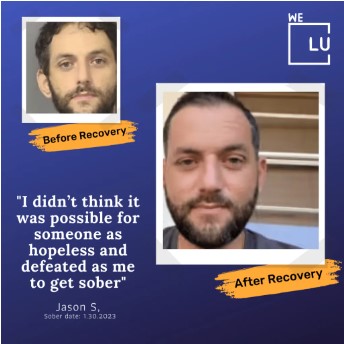
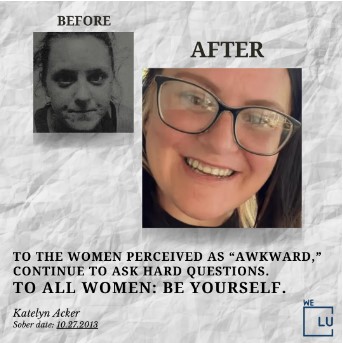
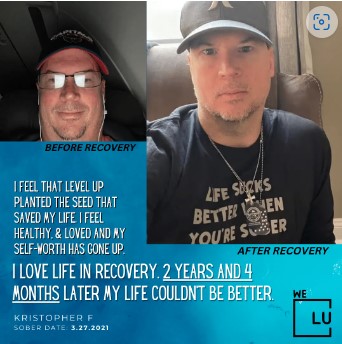
Experience Transformative Recovery at the We Level Up Treatment Center.
See our authentic success stories. Get inspired. Get the help you deserve.
Start a New Life
Begin with a free call to a behavioral health treatment advisor. Learn more about our dual-diagnosis programs. The We Level Up treatment center network delivers recovery programs that vary by each treatment facility. Call to learn more.
- Personalized Care
- Caring Accountable Staff
- Comfortable Amenities
- Licensed & Accredited
- Renowned w/ 5-Star Reviews
We’ll Call You
Take a Step Forward
Cognitive behavioral therapy is a powerful and proven way to improve mental health. By learning simple cognitive behavioral therapy techniques, you can change harmful thought patterns and build stronger coping skills. CBT treatment methods are practical, structured and supported by research. Whether you are facing anxiety, depression, or addiction, help is available. You do not have to manage painful thoughts alone. Reach out today to speak with a trained professional and take your first step toward healing and lasting change.
World-class, Accredited, 5-Star Reviewed, Effective Mental Health Dual Diagnosis Programs. Complete Integrated Inpatient Rehab with Free Post Discharge Therapy Planning.
CALL (855) 940-6125End the Emotional Pain Rollercoaster. Gain Stability & Happiness Through Recovery Treatment. Start Mental Health Counseling Today. Get Free No-obligation Guidance by Behaviroal Health Specialists Who Understand Mental Health Recovery.