

By We Level Up FL Treatment Center | Editor Yamilla Francese | Clinically Reviewed By Lauren Barry, LMFT, MCAP, QS, Director of Quality Assurance | Editorial Policy | Research Policy | Last Updated: April 6, 2023
Fear of Abandonment: Signs, Causes, and How to Heal
Many people worry about losing someone they love. For some, that worry feels intense and constant. A short delay in a text can feel like proof that something is wrong. A small disagreement may feel like the end of the relationship. This deep and ongoing fear is called fear of abandonment. It can shape how you think, feel, and act in close relationships.
Over time, it may cause stress, sadness, and conflict. If this fear is affecting your life, We Level Up FL offers professional support for fear of abandonment and related mental health concerns.
Ready to get started? Call (888) 861-4486 or email verifyadmissions@welevelup.comtoday. A better life is waiting for you.
Table of Contents
What Is Fear of Abandonment?
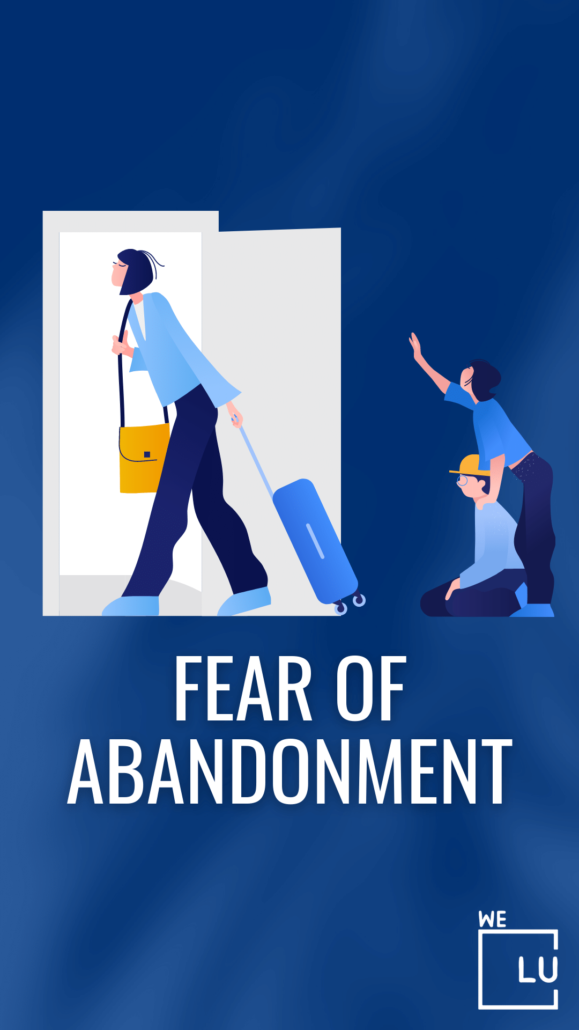
Fear of abandonment is a strong worry that someone important to you will turn their back on you or leave you. Fear often feels real, even when there isn’t much proof. Even if a partner is just busy, the mind may think they are rejecting you.
Attachment theory is often linked to this trend. Attachment theory explains how ties formed with caregivers as a child affect relationships as an adult. If someone’s care as a child felt unsteady, they may develop an insecure attachment style as they get older.
An anxious attachment style is a trend that many people share. People with this style may worry a lot about being left behind. They might want reassurance all the time. If they can’t spend time with a loved one, they might feel bad. A person with attachment anxiety does not always have the same story. Still, many people are very afraid of being turned down and losing something important in their lives.
Common Fear of Abandonment Symptoms
The signs can look different from person to person. Some cling tightly to others. Some pull away to protect themselves from pain.
Common fear of abandonment symptoms include:
- Constant worry that a loved one will leave
- Strong emotional reactions when plans change
- Feeling jealous or insecure without a clear cause
- Overthinking small details in close relationships
- Needing repeated reassurance from a romantic partner
When a romantic partner feels a little apart from you, it can make them feel unsafe. They might fear the worst. Negative thoughts cut off relationships when fear pushes people to act.
These habits might make relationships less safe over time. Fear that is meant to keep the bond strong can break it down over time.

Learn More:
- BPD Treatment
- Difference Between Anxiety and Depression
- 5 Top Activities That Can Reduce Anxiety
- Grounding Techniques for Anxiety
- Common Anxiety Medications
- Non-Addictive Anti-Anxiety Medications
- CBT Therapy for Addiction
- Anxiety Disorder Treatment
- Breathwork to Treat Anxiety
- SSRI for Anxiety

Get Help. Get Better. Get Your Life Back.
Searching for Accredited Dual Diagnosis Mental Health Centers Near You?
Even if therapy failed previously, or are in the middle of a difficult crisis, we stand ready to support you. Our trusted behavioral health specialists will not give up on you. When you feel ready or just want someone to speak to about counseling alternatives to change your life call us. Even if we cannot assist you, we will lead you to wherever you can get support. There is no obligation. Call our hotline today.
FREE 24/7 Dual Diagnosis Mental Health Services HotlineHow Attachment Patterns Develop
Attachment habits start when a person is very young. Guardians teach kids how to stay safe. A strong bond forms when care is warm and steady. When care is uneven, far away, or painful, it can lead to an insecure attachment style.
Loss, divorce, neglect, or mental absence can all result in abandonment trauma. The brain learns to always be on the lookout for danger. It’s possible to expect loss even in good relationships.
Anxious attachment style people may worry that others will reject or leave them as adults. Even when love is around, they might find it hard to calm down.
Being afraid of rejection can also get worse after a breakup or betrayal. When the mind thinks about pain, it tries to stay away from it.
How It Affects Daily Life
Not just romantic relationships are impacted by fear of abandonment. It can also hurt relationships with family and friends.
When friends hang out with other people, some people may feel uncomfortable. They might think they are being replaced. They might play back talks to find out what they really mean.
This fear can cause fights in close relationships. One partner may want to be close all the time. The other person might need room. It gets tense when needs meet.
The cycle may look like this:
- Fear rises after a small change.
- The person reacts strongly or seeks reassurance.
- The partner feels pressure.
- Conflict increases
- The fear grows stronger.
Without support, this cycle can repeat for years.
End the Emotional Pain. Get Your Life Back.
Feeling Depressed, Anxious or Struggling with Mental Health Illness? Get Safe Comfortable Mental Health Dual Diagnosis High-Quality Therapy From Counselors That Care. Begin Your Recovery Now.
Hotline (855) 940-6125The Link Between Abandonment Trauma and Mental Health
Anxiety and depression frequently accompany abandonment trauma. Being worried all the time takes your energy. Sleep might get worse. Focus might get worse.
Some people drink or do drugs to calm down when they are scared. Something might dull the pain for a while. In the long run, they cause more stress and trouble. It is important to get dual diagnosis care when someone has both attachment anxiety and addiction. Both the mental cause and the drug use need to be dealt with in order to heal.
Treatment Options
Awareness is the first step to healing. People can better understand how attachment theory applies to their lives through therapy.
Therapy
Changes in bad thoughts about close relationships are facilitated by Cognitive Behavioral Therapy (CBT). People are taught to question ideas like “They’ll leave me.”
Dialectical Behavior Therapy helps people learn how to control their emotions. It shows the body how to calm down when fear comes up.
Adoption stress can be worked through with trauma-informed therapy. The nervous system feels safer when it deals with painful memories.
Medication
If someone has anxiety or depression, anxiety medication may help keep their mood stable. A psychiatric therapist carefully watches how things are going.
Structured Care
Structured programs may help people with severe problems. Intensive Outpatient Programs and Partial Hospitalization Programs both offer therapy a few days a week. When trauma or addiction is combined with fear of being left alone, residential care offers full-time support.

First-class Facilities & Amenities
World-class High-Quality Mental Health Services & Behavioral Health Substance Abuse Treatment
Rehab Centers TourRenowned Mental Health Centers. Serene Private Facilities. Inpatient Rehab Programs Vary.
Mental Health Helpline (855) 940-6125Proven recovery success experience, backed by a Team w/ History of:
15+
Years of Unified Experience
100s
5-Star Reviews Across Our Centers
10K
Recovery Successes
- Comprehensive Dual-Diagnosis Treatment
- Complimentary Family & Alumni Programs
- Coaching, Recovery & Development Events
- Comfortable Onsite Medical Detox Center
Why Choose We Level Up FL
We Level Up FL provides structured mental health and dual diagnosis care for individuals struggling with fear of abandonment.
Our licensed professionals offer psychiatric evaluations, therapy, medication management, medical detox, residential treatment, Partial Hospitalization Programs, and Intensive Outpatient Programs.
We treat attachment anxiety, abandonment trauma, depression, anxiety disorders, and substance use together when needed. Our approach supports emotion regulation, healthy communication, and stronger relationships. When relationship insecurity feels overwhelming, professional care can restore balance. Our environment is safe, respectful, and focused on lasting stability
Ready to get started? Call (888) 606-5120 or email verifyadmissions@welevelup.com today. A better life is waiting for you.
Building a More Secure Attachment Style
Change takes time, but growth is possible. The brain can learn new patterns.
Helpful steps include:
- Practicing calm breathing when fear rises
- Speaking needs to be clear, not assume rejection.
Learning to tolerate space without panic builds strength. Spending time apart does not always mean loss. With practice, an insecure attachment style can shift toward a secure attachment style. Self-trust grows when reactions slow down. Confidence increases when communication improves.
.
World-class, Accredited, 5-Star Reviewed, Effective Mental Health Dual Diagnosis Programs. Complete Integrated Inpatient Rehab with Free Post Discharge Therapy Planning.
CALL (855) 940-6125End the Emotional Pain Rollercoaster. Gain Stability & Happiness Through Recovery Treatment. Start Mental Health Counseling Today. Get Free No-obligation Guidance by Behaviroal Health Specialists Who Understand Mental Health Recovery.
Frequently Asked Questions
What is fear of abandonment?
It is a deep fear that someone important will reject or abandon you, even without strong evidence.
What are the symptoms of fear of abandonment?
Symptoms include strong reassurance seeking, jealousy, panic during conflict, and relationship insecurity.
What is an anxious attachment style?
An anxious attachment style is a pattern where a person often worries about losing close relationships and fears rejection.
Can abandonment trauma affect adult relationships?
Yes. Abandonment trauma can shape how a person views trust, safety, and closeness in adult life.
How does We Level Up FL help?
We Level Up FL offers therapy, psychiatric care, medication management, residential treatment, and dual diagnosis programs tailored to each individual.
Can fear of abandonment improve with treatment?
Yes. With therapy and structured support, many people develop healthier attachment patterns and stronger emotional balance.
Take a Step Forward
You are not broken if your ideas and actions are shaped by fear of being left alone. There’s a reason you learned these habits. Still, you don’t have to be afraid of being turned down all the time. Love that is healthy doesn’t feel stressed; it feels safe. Caring professionals at We Level Up FL can help you heal from loss trauma, calm attachment anxiety, and make strong bonds.
If there is anxiety or drug use, we help both at the same time. You deserve to feel safe, loved, and at ease. Call We Level Up FL at (855) 940-6125. Let this be the start of better, safer relationships.
Ready to get started? Call (888) 606-5120 or email verifyadmissions@welevelup.com today. A better life is waiting for you.
Fear of Abandonment Video
Discover the complexities of the Fear of Abandonment and its impact on relationships in this insightful video. Learn about its roots, the different attachment styles, and how to heal.