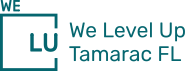
Alcohol can feel confusing because it can change how people act in different ways. Many ask, is alcohol a stimulant or depressant, especially when drinking first feels fun or social. A few drinks may lower inhibition, boost confidence, and create short bursts of excitement.
Later, those same drinks can slow reactions, cloud thinking, and affect mood stability. This change can make alcohol misuse harder to notice until problems grow bigger. Understanding how alcohol works helps people make safer choices and spot warning signs early. Learning the truth about alcohol’s effects can support better decisions and recovery goals.
At We Level Up FL, we help individuals understand substance use and access caring treatment options.
Is Alcohol a Stimulant or Depressant?
Many people ask, is alcohol a stimulant or depressant? Alcohol is a depressant because it slows down brain activity and body function. Some people feel a short stimulant effect at first, but alcohol mainly slows the nervous system over time. This means alcohol affects thinking, movement, judgment, and emotions.
Alcohol can feel stimulating at first because it increases dopamine in the brain. Dopamine is linked to pleasure and reward, which can cause excitement. This may make a person feel more talkative, active, or social. That early feeling explains confusion about alcohol stimulant or depressant effects.
As alcohol intake increases, depressant effects become stronger. Brain signals slow down, which affects speech, balance, and reaction time. This is why slurred speech and poor judgment happen after drinking more. The more a person drinks, the more brain activity slows down.
Alcohol also changes how brain chemicals work together. It increases calming signals and lowers alertness in the brain. At the same time, it blocks signals that help with learning and memory. These changes explain the alcohol impact nervous system and thinking ability.
The classification of alcohol drug type is important because many people do not see its dangers. Alcohol is legal and common, so people may ignore its harmful effects. But heavy drinking can hurt health, work, and relationships. Over time, repeated use can lead to alcoholism dependence.
Professional treatment is important when drinking is hard to control. A person may struggle with stopping drinking even when problems grow. Treatment options can help with both physical dependence and emotional triggers. Support can lower relapse risk and build better coping skills.
According to the National Institute on Alcohol Abuse and Alcoholism, about 28.9 million people ages 12 and older had alcohol use disorder in 2023. This shows how common alcohol problems are. Alcohol misuse is a serious health issue for many families. Early help can reduce long term effects and improve recovery.
Skip to:
Learn More:
- Alcohol and Anxiety (Hangxiety) Causes, Risks, and Treatment
- The Link Between Alcohol and Depression
- The Connection Between Bipolar and Alcohol
- The Connection Between PTSD and Alcohol
- Alcoholic Cirrhosis Symptoms, Causes, Risks, and Treatment
- Dangers of Mixing Prescription Drugs with Alcohol, Side Effects, Types, Risk Factors, and Treatment
- Alcohol and Aging Negative Effects. Physical Symptoms and Premature Aging.
- What are the Benefits of Giving Up Alcohol?
- Dangers of Alcohol Blackout. How to Prevent Blackouts. Types of Alcohol Blackout.
- How to Reduce Alcohol Consumption Safely?
We Level Up FL Mental Health Treatment Center Tips to Cope with Alcohol Stimulant and Depressant Effects
✅ To cope with alcohol’s stimulant effects, be mindful of your consumption and pace yourself to avoid the initial surge of energy that may lead to excessive drinking.
✅ To manage alcohol’s depressant effects, know your limits and prioritize water intake to counteract dehydration, which can intensify sedation, and avoid activities that require heightened coordination or focus.
✅ For individuals with underlying mental health conditions, it is advisable to seek professional consultation and support, as alcohol consumption may exacerbate these conditions.
Get Help. Get Better. Get Your Life Back.
Searching for Accredited Dual Diagnosis Mental Health Centers Near You?
Even if therapy failed previously, or are in the middle of a difficult crisis, we stand ready to support you. Our trusted behavioral health specialists will not give up on you. When you feel ready or just want someone to speak to about counseling alternatives to change your life call us. Even if we cannot assist you, we will lead you to wherever you can get support. There is no obligation. Call our hotline today.
FREE 24/7 Dual Diagnosis Mental Health Services Hotline
Signs You May Need Alcohol and Mental Healthcare Support
Alcohol problems can grow slowly and be hard to see. These signs may mean you need help:
- Withdrawal symptoms when not drinking
- Heavy drinking many times each week
- Trouble stopping drinking after one or two drinks
- Slurred speech or poor balance when drinking
- Mood swings, anxiety, or sadness from alcohol intake
- Drinking even when it causes problems at work or home
- Needing more alcohol to feel the same effect
Why Choose We Level Up FL
Understanding is alcohol depressant or stimulant is just the first step. Real recovery often needs professional care. We Level Up FL offers proven programs for addiction and mental health needs. Our team knows how alcohol affects the body and brain.
Each client gets a full assessment before starting treatment. This helps find patterns like binge drinking or emotional struggles. Treatment plans are made for each person’s needs. Personal care helps improve long-term results.
We offer medical detox when needed. Detox can ease withdrawal symptoms and keep clients safe. Medical staff monitor each step of the process. This is important for people dependent on alcohol.
We use evidence-based therapies in treatment. Clients may join cognitive behavioral therapy and group sessions. These help build skills and support. Therapy helps people stay strong during recovery.
Our staff provides caring and skilled support. Licensed professionals work together as a team. This helps treat both addiction and mental health. Full care supports long-term recovery success.
Get alcohol use disorder counseling that works. Discover professional help from We Level Up Florida’s mental health therapists, offering secondary dual diagnosis support if you have a problem with drinking. Start getting support with a free call to our mental health hotline.

End the Emotional Pain. Get Your Life Back.
Feeling Depressed, Anxious or Struggling with Mental Health Illness? Get Safe Comfortable Mental Health Dual Diagnosis High-Quality Therapy From Counselors That Care. Begin Your Recovery Now.
Hotline (855) 940-6125What to Expect During Care and Support for Is Alcohol a Stimulant or Depressant Concerns
Treatment starts with a full check of health and alcohol use. Providers review alcohol intake and mental health symptoms. This helps find the right level of care. A clear plan improves results.
Some people begin with medical detox. Detox helps manage withdrawal and prepares clients for therapy. Medical care lowers health risks during this time. Safety is always a top goal.
After detox, therapy becomes the main focus. Individual therapy helps find triggers and habits. Group therapy builds support and communication skills. Family therapy may also help repair relationships.
Education is also part of treatment. Clients learn about alcohol effects brain and body changes. This helps people understand risks and make better choices. Learning supports recovery goals.
Relapse prevention is the final step. Clients learn coping skills and build plans for daily life. Ongoing support helps lower the risk of relapse. Recovery continues after treatment ends.
First-class Facilities & Amenities
World-class High-Quality Mental Health Services & Behavioral Health Substance Abuse Treatment
Rehab Centers TourRenowned Mental Health Centers. Serene Private Facilities. Inpatient Rehab Programs Vary.
Mental Health Helpline (855) 940-6125Proven recovery success experience, backed by a Team w/ History of:
15+
Years of Unified Experience
100s
5-Star Reviews Across Our Centers
10K
Recovery Successes
- Comprehensive Dual-Diagnosis Treatment
- Complimentary Family & Alumni Programs
- Coaching, Recovery & Development Events
- Comfortable Onsite Medical Detox Center
Benefits of Alcohol and Mental Healthcare Support
Treatment offers many helpful benefits:
- Education about alcohol effects
- Care for both addiction and mental health
- Personalized recovery plans
- Safer withdrawal support
- Better coping and emotional control
- Lower relapse risk
How to Get Started with Alcohol and Mental Healthcare Support Concerns
Starting recovery can feel overwhelming, but support is available. The first step is reaching out for a confidential consultation. Our team can help verify insurance benefits and explain treatment options clearly. Personalized guidance makes the process easier and less stressful.
If alcohol use is affecting your health, mood, or daily life, now is the time to act. Delaying treatment can increase the risk of developing more serious complications. Recovery begins with one decision to seek help. Contact our admissions team to explore available programs.
The right treatment options can restore stability, confidence, and wellness. Call We Level Up FL now at (888) 606-5120 to speak with a caring admissions specialist and begin your recovery journey today.
For advanced dual-diagnosis centers with multi-therapy programs for enhanced treatment outcomes, contact We Level Up FL. The We Level Up FL mental health treatment center can help with a primary inpatient mental health program. Depending on the extent of co-occurring behavioral disorders such as depression and addiction, we can first help assess your condition and guide you to suitable treatment options. We treat all behavioral health disorders to improve long-term recovery outcomes, including their corresponding secondary illnesses.
World-class, Accredited, 5-Star Reviewed, Effective Mental Health Dual Diagnosis Programs. Complete Integrated Inpatient Rehab with Free Post Discharge Therapy Planning.
CALL (855) 940-6125End the Emotional Pain Rollercoaster. Gain Stability & Happiness Through Recovery Treatment. Start Mental Health Counseling Today. Get Free No-obligation Guidance by Behaviroal Health Specialists Who Understand Mental Health Recovery.
Alcohol Use Disorder, Signs, Diagnosis, and Dual Diagnosis Treatment
Experience Transformative Recovery at the We Level Up Treatment Center.
See our authentic success stories. Get inspired. Get the help you deserve.
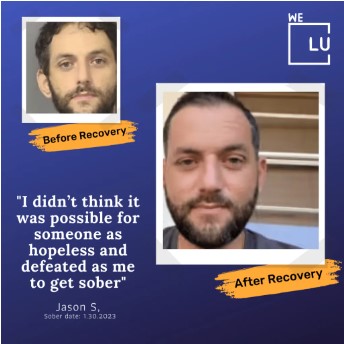
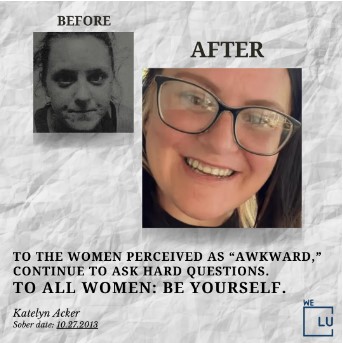
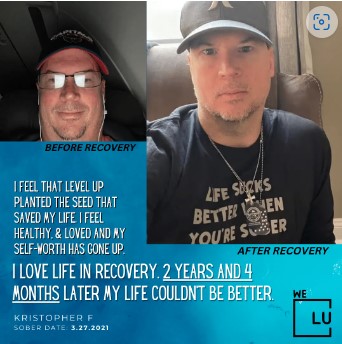
Start a New Life
Begin with a free call to a behavioral health treatment advisor. Learn more about our dual-diagnosis programs. The We Level Up treatment center network delivers recovery programs that vary by each treatment facility. Call to learn more.
- Personalized Care
- Caring Accountable Staff
- Comfortable Amenities
- Licensed & Accredited
- Renowned w/ 5-Star Reviews
We’ll Call You
FAQs About Is Alcohol a Stimulant or Depressant
Is alcohol a stimulant or depressant if it makes me feel energetic?
Alcohol may feel like a stimulant at first because it lowers inhibitions and boosts dopamine. This can create energy and excitement. But alcohol is still a depressant because it slows the nervous system. As drinking continues, thinking and movement slow down. This explains why is alcohol a stimulant or depressant is often confusing. The early feeling does not change its true effect.
Why do people think alcohol is a stimulant?
People may think alcohol is a stimulant because of early behavior changes. Someone may seem louder or more active. This can look like more energy. But alcohol is lowering self-control, not increasing energy. The depressant effects become clear later. These include slower thinking and poor judgment.
How does alcohol impact the nervous system?
Alcohol impacts nervous system by slowing down brain signals. Alcohol calms brain activity and lowers alertness. This affects focus, memory, and movement. Over time, the brain may not work as well. Heavy drinking can lead to memory problems. It can also increase the risk of serious brain issues.
Can binge drinking cause permanent damage?
Yes, binge drinking can cause long term effects. It puts stress on the brain, heart, and liver. It also increases the risk of injury and illness. Repeated binge drinking can harm memory and thinking. It also raises the risk of alcohol dependence. Early help can reduce damage. This is why it’s important to understand is alcohol a stimulant or depressant.
What are common signs of alcohol dependence?
Alcoholism dependence can grow over time. Signs include needing more alcohol and trouble stopping drinking. Withdrawal symptoms may also happen. A person may choose alcohol over responsibilities. Cravings and loss of control are common. Treatment options can help stop this cycle.
Does alcohol affect mental health?
Yes, alcohol can worsen anxiety and depression. Some people drink to feel better, but it can make things worse later. Alcohol changes brain chemistry and mood. This can increase emotional problems. Treating both mental health and alcohol use together works best.
Is one standard drink safe?
A standard drink helps measure alcohol intake. Safety depends on health, age, and other factors. Even small amounts may not be safe for everyone. Drinking too much or too fast increases risk. People with alcohol problems may need to avoid drinking.
Can treatment help if I cannot stop drinking?
Yes, treatment can help people stop drinking. Programs treat both body and mind. Detox, therapy, and support all help recovery. Professional care improves safety and success. Many people recover with the right help. It all starts with knowing is alcohol a stimulant or depressant.
Search We Level Up FL Is Alcohol a Stimulant or Depressant? Mental Health Topics & Resources
Sources
- We Level Up FL – Alcohol Abuse Rehab & Treatment – https://welevelupfl.com/rehab/alcohol-abuse/
- University of California, Los Angeles – Alcohol and Depressants Pamphlet – https://bri.ucla.edu/wp-content/uploads/2021/05/Pamphlet-Alcohol-and-Depressants.pdf
- National Institute on Alcohol Abuse and Alcoholism – Alcohol Use Disorder in the United States: Statistics and Demographics – https://www.niaaa.nih.gov/alcohols-effects-health/alcohol-topics/alcohol-facts-and-statistics/alcohol-use-disorder-aud-united-states-age-groups-and-demographic-characteristics
- Harvard Health Publishing – Alcohol Withdrawal A to Z – https://www.health.harvard.edu/diseases-and-conditions/alcohol-withdrawal-a-to-z
- PubMed – Alcohol Effects and Neurobiology Research Study – https://pubmed.ncbi.nlm.nih.gov/21560041/