Many people ask, is marijuana a depressant? You may hear that weed helps people relax. You may also hear that it can make people feel sad or unmotivated. If you or someone you love uses marijuana, you may worry about the marijuana mental health impact.
The truth is not simple. Marijuana does not fit into just one group. It can act like a depressant, a stimulant, and even a mild hallucinogen. The way it affects you depends on your brain, your mood, how much you use, and how often you use it.
What Is a Depressant?
A depressant is a drug that slows down the central nervous system. This system controls breathing, heart rate, thinking, and movement. When someone takes a depressant, their body and brain begin to slow down.
Common depressants include alcohol, sleeping pills, and some anxiety medicines. These drugs can make a person feel calm or sleepy. They can also lower focus and reaction time. In large amounts, depressants can be dangerous because they slow breathing and heart rate too much.
When people ask, is marijuana a depressant, they want to know if it slows the brain in the same way. The answer is partly yes, but there is more to the story.
Is Marijuana a Depressant, Stimulant, or Something Else?
Marijuana, also called cannabis or weed, does not fit into one clear box. Many experts say it has mixed effects. This means it can act like more than one type of drug.
Some marijuana depressant effects include feeling relaxed, sleepy, or less alert. At the same time, some people feel more talkative, energetic, or focused for a short time. That is why people often ask, is weed a depressant or stimulant. The honest answer is that it can be both, depending on the person and the dose.
Marijuana affects the brain through chemicals called cannabinoids. The main one is THC. THC changes how brain cells send messages. These changes affect mood, memory, and behavior. Because every brain is different, the experience can vary from person to person.
Skip To:
Get Help. Get Better. Get Your Life Back.
Searching for Accredited Dual Diagnosis Mental Health Centers Near You?
Even if therapy failed previously, or are in the middle of a difficult crisis, we stand ready to support you. Our trusted behavioral health specialists will not give up on you. When you feel ready or just want someone to speak to about counseling alternatives to change your life call us. Even if we cannot assist you, we will lead you to wherever you can get support. There is no obligation. Call our hotline today.
FREE 24/7 Dual Diagnosis Mental Health Services Hotline
How Marijuana Affects the Brain and Body
Marijuana Depressant Effects on the Nervous System
When marijuana acts like a depressant, it slows certain brain signals. You may feel calm or heavy. Your reaction time may slow down. You may feel less alert.
Other depressant-like effects include:
- Slower thinking
- Poor memory
- Low energy
- Sleepiness
- Trouble focusing
In high doses, marijuana can make a person feel very tired or confused. Some people feel unmotivated after using it often. Over time, heavy use may affect school, work or relationships.
Stimulant and Mood Effects
In small amounts, marijuana can feel different. Some people report feeling happy, relaxed or more social. They may laugh more or feel creative for a short time.
However, cannabis and mood are closely linked. While some people feel good at first, others may feel anxious or paranoid. The same drug can make one person calm and another person uneasy. This is why the marijuana mental health impact is not the same for everyone.

End the Emotional Pain. Get Your Life Back.
Feeling Depressed, Anxious or Struggling with Mental Health Illness? Get Safe Comfortable Mental Health Dual Diagnosis High-Quality Therapy From Counselors That Care. Begin Your Recovery Now.
Hotline (855) 940-6125Cannabis and Mood: Short-Term and Long-Term Effects
In the short term, marijuana may change mood quickly. Some people feel relaxed and less stressed. Others may feel nervous or have racing thoughts. The effect often depends on the strain, the dose, and the person’s mental health history.
Over time, regular use can affect mood in deeper ways. Heavy use has been linked to higher rates of depression and anxiety. Some people begin using marijuana to cope with sadness, but frequent use may make their mood worse. This cycle can be hard to break.
Research shows that people who already struggle with depression or anxiety may feel stronger effects. If you have a history of mental health issues, marijuana may increase your risk of mood swings or emotional distress.
First-class Facilities & Amenities
World-class High-Quality Mental Health Services & Behavioral Health Substance Abuse Treatment
Rehab Centers TourRenowned Mental Health Centers. Serene Private Facilities. Inpatient Rehab Programs Vary.
Mental Health Helpline (855) 940-6125Proven recovery success experience, backed by a Team w/ History of:
15+
Years of Unified Experience
100s
5-Star Reviews Across Our Centers
10K
Recovery Successes
- Comprehensive Dual-Diagnosis Treatment
- Complimentary Family & Alumni Programs
- Coaching, Recovery & Development Events
- Comfortable Onsite Medical Detox Center
Is Marijuana a Depressant for People with Depression?
If you live with depression, you may wonder if marijuana helps or harms. Some people say it helps them relax or forget their worries. Others find that it makes them feel more tired and hopeless.
Marijuana depressant effects can increase low energy and low motivation. These symptoms already affect people with depression. When combined, they may become stronger. Over time, heavy use can make it harder to enjoy daily life.
There is also a risk of dependence. When someone uses marijuana often to manage mood, they may feel they cannot cope without it. This can lead to addiction, which creates more stress and emotional pain.

Is Weed a Depressant or Stimulant in Teens?
Teens and young adults face a higher risk. The brain continues to grow until the mid-twenties. Marijuana can affect memory, focus, and emotional control during this important stage.
Teens who use marijuana often may show:
- Lower school performance
- Mood swings
- Social withdrawal
- Increased anxiety
- Higher risk of depression
The marijuana mental health impact on young people can last longer than expected.
World-class, Accredited, 5-Star Reviewed, Effective Mental Health Dual Diagnosis Programs. Complete Integrated Inpatient Rehab with Free Post Discharge Therapy Planning.
CALL (855) 940-6125End the Emotional Pain Rollercoaster. Gain Stability & Happiness Through Recovery Treatment. Start Mental Health Counseling Today. Get Free No-obligation Guidance by Behaviroal Health Specialists Who Understand Mental Health Recovery.
Risk Factors That Increase Harm
Not everyone who uses marijuana will develop problems. Still, certain risk factors increase harm.
These include:
- Family history of mental illness
- Personal history of depression or anxiety
- Trauma or high stress
- Heavy or daily use
- Starting at a young age
If you or your loved one has these risk factors, marijuana may cause stronger negative effects. It is important to look at the full picture and not just the short-term feeling of relief.
Signs Marijuana May Be Hurting Your Mental Health
Sometimes the effects build slowly. You may not notice changes at first. Over time, patterns become clear.
Watch for these signs:
- Feeling sad or numb more often
- Losing interest in hobbies
- Trouble sleeping without marijuana
- Needing more to feel the same effect
- Using it to avoid problems
- Pulling away from friends and family
If these signs feel familiar, it may be time to seek help. You deserve support without judgment.
When to Seek Professional Help
If marijuana use is affecting mood, work, school or relationships, professional care can help. Treatment does not mean you failed. It means you want a healthier future. Therapy can help you understand why you use marijuana and how it affects your mood. You can learn new coping skills that support mental health. If depression or anxiety is present, treatment can address both issues at the same time.
If you need structured support, you can explore our addiction treatment programs and mental health services. A caring team can guide you through detox, therapy and long-term recovery.
Experience Transformative Recovery at the We Level Up Treatment Center.
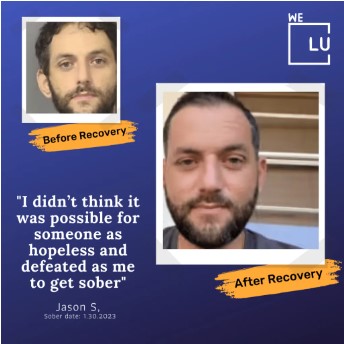
See our authentic success stories. Get inspired. Get the help you deserve.
Start a New Life
Begin with a free call to a behavioral health treatment advisor. Learn more about our dual-diagnosis programs. The We Level Up treatment center network delivers recovery programs that vary by each treatment facility. Call to learn more.
- Personalized Care
- Caring Accountable Staff
- Comfortable Amenities
- Licensed & Accredited
- Renowned w/ 5-Star Reviews
We’ll Call You
Is Marijuana a Depressant FAQs
-
Is marijuana a depressant?
Marijuana can act like a depressant because it slows brain activity and reaction time. However, it can also have stimulant and mood-changing effects.
-
Is weed a depressant or stimulant?
Weed can be both. Some people feel relaxed and sleepy, while others feel energetic or anxious. The effect depends on the dose and the person.
-
Can marijuana cause depression?
Heavy or long-term use may increase the risk of depression, especially in people with a history of mental health problems.
-
Does marijuana help anxiety?
Some people feel short-term relief, but others feel more anxious. Over time, regular use can increase anxiety for some users.
-
What are common marijuana depressant effects?
Common effects include sleepiness, slower thinking, low motivation and reduced focus.
-
Can you get addicted to marijuana?
Yes, marijuana can be addictive. Some people develop cannabis use disorder and find it hard to stop without help.
You Deserve Clear Answers and Real Support
If you have been asking, is marijuana a depressant, you are not alone. Marijuana can slow the brain like a depressant, but it can also change mood in other ways. The marijuana mental health impact depends on your history, your health and how often you use it. If weed is affecting your mood or daily life, support is available at We Level Up FL. Reach out today to speak with a caring professional. You do not have to face this alone, and recovery is always possible with the right help.