
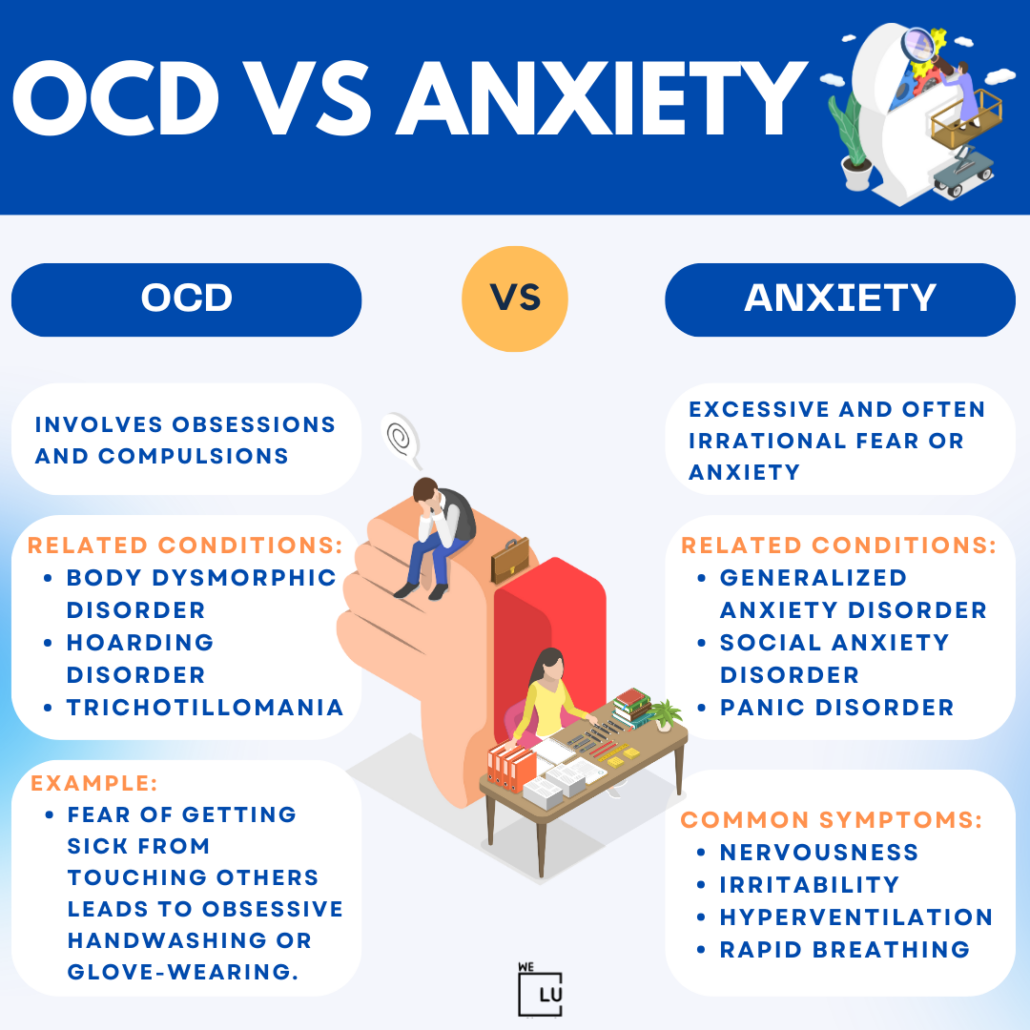
Common Symptoms of OCD
OCD symptoms can look different from person to person. However, they usually fall into common patterns.
Common obsessions include:
- Fear of germs or contamination
- Fear of harming others
- Need for things to feel exact or perfect
- Unwanted thoughts about religion or morality
Common compulsions include:
- Excessive hand washing or cleaning
- Checking doors or appliances many times
- Counting or repeating phrases
- Arranging items in a strict order
These behaviors may take up hours each day. They can affect work, school and relationships.

End the Emotional Pain. Get Your Life Back.
Feeling Depressed, Anxious or Struggling with Mental Health Illness? Get Safe Comfortable Mental Health Dual Diagnosis High-Quality Therapy From Counselors That Care. Begin Your Recovery Now.
Hotline (855) 940-6125How OCD Affects Daily Life
Living with OCD can feel exhausting. The constant thoughts and rituals can drain energy and focus. Many people feel shame or embarrassment about their symptoms. Some people hide their behaviors from family and friends. They may fear judgment or misunderstanding. This isolation can increase stress and sadness.
Over time, OCD can lead to depression or other mental health issues. That is why early treatment is so important. With the right help, symptoms can improve.
What Causes OCD?
Experts believe OCD comes from a mix of factors. These include brain structure, genetics, and life stress. There is no single cause. Family history can raise risk. If a close relative has OCD, the chances may be higher. Brain differences in areas linked to habits and fear response also play a role.
Stressful life events can trigger symptoms. Trauma, illness, or big changes may bring OCD symptoms to the surface. Still, OCD is not caused by weak character or poor parenting. It is a medical condition that needs care.

First-class Facilities & Amenities
World-class High-Quality Mental Health Services & Behavioral Health Substance Abuse Treatment
Rehab Centers TourRenowned Mental Health Centers. Serene Private Facilities. Inpatient Rehab Programs Vary.
Mental Health Helpline (855) 940-6125Proven recovery success experience, backed by a Team w/ History of:
15+
Years of Unified Experience
100s
5-Star Reviews Across Our Centers
10K
Recovery Successes
- Comprehensive Dual-Diagnosis Treatment
- Complimentary Family & Alumni Programs
- Coaching, Recovery & Development Events
- Comfortable Onsite Medical Detox Center
How Is OCD Diagnosed?
A trained mental health professional makes an OCD mental health diagnosis. They will ask about thoughts, behaviors, and how much time symptoms take each day. To meet the diagnosis, obsessions and compulsions must cause distress and interfere with daily life. The provider will also check for other conditions like anxiety or depression.
Getting the right diagnosis matters. When doctors understand the obsessive compulsive disorder category clearly, they can recommend the best treatment plan.
Treatment Options for OCD
OCD is treatable. Many people improve with the right support and care. Treatment often includes therapy, medication, or both. Cognitive behavioral therapy, especially a method called exposure and response prevention, works well for OCD. In this therapy, people slowly face their fears without performing the ritual. Over time, anxiety decreases.
Medication can also help balance brain chemicals. A doctor may prescribe certain antidepressants that reduce obsessive thoughts and compulsions. If you or your loved one struggles with OCD and anxiety, you can explore our mental health treatment programs for structured support and compassionate care.
When to Seek Help
You should seek help if OCD symptoms take more than one hour a day. You should also reach out if thoughts or rituals cause distress or disrupt daily life. If OCD leads to depression, panic, or thoughts of self-harm, seek immediate support. Help is available, and you do not have to face this alone.
Early treatment often leads to better outcomes. The sooner you act, the easier it may be to regain control and peace of mind.
World-class, Accredited, 5-Star Reviewed, Effective Mental Health Dual Diagnosis Programs. Complete Integrated Inpatient Rehab with Free Post Discharge Therapy Planning.
CALL (855) 940-6125End the Emotional Pain Rollercoaster. Gain Stability & Happiness Through Recovery Treatment. Start Mental Health Counseling Today. Get Free No-obligation Guidance by Behaviroal Health Specialists Who Understand Mental Health Recovery.
Anxiety and OCD FAQs
-
Is OCD still called an anxiety disorder?
No. Since 2013, doctors put OCD in its own group in the DSM-5 because it works differently from anxiety problems.
-
Does everyone with OCD have anxiety?
Most do feel a lot of anxiety from the thoughts. But the main thing is the obsessions and compulsions, not just worry.
-
Can OCD go away without treatment?
It usually does not. Symptoms often stay or get stronger. But treatment like therapy helps many people a lot.
-
What is the best treatment for OCD?
Exposure and Response Prevention therapy works best for most. Medicine can help too. Many use both.
-
Is OCD the same as being neat or careful?
No. Being neat is a choice. OCD brings thoughts that scare you and actions you feel forced to do.
-
Where can I get help for OCD right now?
Talk to a doctor or therapist who knows OCD. Call a helpline or reach out to us at We Level Up. We give caring support for OCD and related problems.
Take a Step Forward
OCD can feel very hard and lonely, but you do not have to fight it alone. Many people find real relief with the right help. The thoughts and actions do not mean you are bad or crazy. They are part of a treatable condition.
Take one step today toward feeling better. Talk to someone you trust or contact We Level Up for kind help. Our team understands what you go through and wants to support your path to recovery. Call now or visit our site. You deserve peace and a happier life.