
Narcissistic Abuse Cycle Stages & How to Break Free
Relationships should make you feel safe and help you. But friendships can get hard or confusing over time. One minute someone might feel loved, and the next they might get in trouble. A lot of the time, people don’t understand this trend. People often look into the narcissistic abuse cycle when they feel emotionally hurt in a relationship over and over again. It’s bad for your mental health and security to do these things. Getting inside this abusive cycle can help you figure out what’s going on if you feel stuck.
Trained staff at We Level Up FL can help people recognize these trends and begin healing from mental harm. It might be hard to tell at first if someone is abusing your emotions. Most of the time, it starts slowly and gets stronger. To protect your mental health, the first thing you should do is learn about the.
This guide explains the steps in the narcissistic abuse cycle. It shows how narcissistic relationship abuse can harm emotional health. It describes common emotional abuse cycle patterns in narcissistic relationships. It also explains how trauma bonding can keep someone in dangerous relationships.
Table of Contents
Understanding Narcissistic Relationship Abuse
When someone wants power or attention, they may try to control you. They might manipulate your feelings. They may try to make you feel bad.
This is narcissistic relationship abuse. The person who is hurting you might go from being nice to being mean. This change might make the relationship feel shaky and tough to understand.
It might feel hard and exciting at the start of the relationship. Over time, the partner may feel blamed, forgotten, or mentally worn out.
Narcissists may make people question how they feel when they are attacked. They might believe that they are the problem. These changes in how you feel are part of the narcissistic abuse.
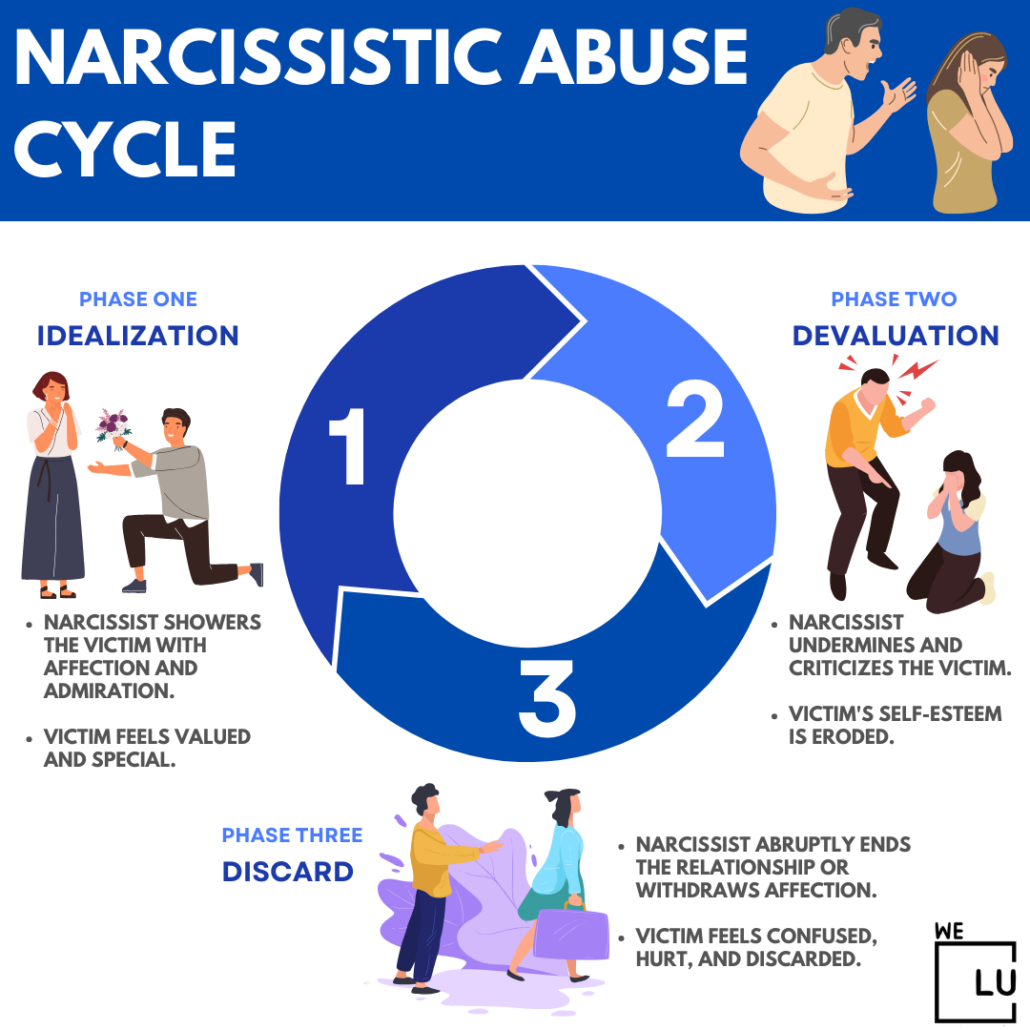
What Is the Narcissistic Abuse Cycle?
When someone mentally abuses another person, they may repeat the same behavior patterns. This is called the narcissistic abuse cycle. People in the group may feel lost and helpless.
This trend keeps going over time. Each step of the connection makes the victim feel more and more wrapped up. The person may feel hopeful when things get better, but awful when the abuse comes back. If people know about this loop, they can see why it’s so hard to end a connection.

Learn More:
- Narcissistic Personality Disorder Treatment & Diagnosis
- Narcissist Quiz Free, Is My Parent A Narcissist?
- How to Deal With Narcissistic Parents, Signs, Traits & Co-Parenting Strategies
- 6 Traits of a Covert Narcissist, Signs, and How to Deal With One
- What is a Narcissist? Am I a Narcissist Test
- Narcissistic Abuse, Signs, Effects, & Treatments
Get Help. Get Better. Get Your Life Back.
Searching for Accredited Dual Diagnosis Mental Health Centers Near You?
Even if therapy failed previously, or are in the middle of a difficult crisis, we stand ready to support you. Our trusted behavioral health specialists will not give up on you. When you feel ready or just want someone to speak to about counseling alternatives to change your life call us. Even if we cannot assist you, we will lead you to wherever you can get support. There is no obligation. Call our hotline today.
FREE 24/7 Dual Diagnosis Mental Health Services HotlineNarcissistic Abuse Cycle Stages
The steps of the narcissistic abuse are something that mental health workers talk about a lot. These steps show how abuse of the mind starts and continues.
Common stages include:
- Idealization
- Devaluation
- Discard
- Hoovering
These stages create emotional highs and lows that keep the relationship unstable.
Idealization Stage
The idealization stage is the beginning of the narcissistic abuse cycle. During this time, the partner might show a lot of love and care. They might be kind, give you gifts, and be there for you emotionally. The link might feel great in the beginning weeks or months.
People feel very close to each other when they care about each other this much. The partner may feel really understood and cared for. But this stage often changes quickly after the mental bond is made.
Devaluation Stage
It’s the start of the devaluation stage when an angry partner starts to blame or shame the other person. Mistakes of small size can cause strong reactions. It’s hard to find compliments. Because they used to love the person, they may feel lost.
At this point, emotional abuse often starts to show up. They could say they weren’t guilty or blame someone else. This stage is a big part of the emotional abuse loop that narcissists use.
Discard Stage
You are in the discard stage when an angry partner does not pay attention to you or ends the relationship quickly. The person may act cold or not be there all of a sudden. They could choose not to talk to you or find someone else to pair up with you.
People can really feel hurt when they are turned down so quickly. The person who was left behind might not understand what went wrong. At this point, many people start to question themselves.
Hoovering Stage
After a breakup or distance, the violent partner may try to get back together. A lot of people call this practice “hoovering.” They might say sorry, say they will change, or show love again.
If you do these things, the narcissistic abuse steps may start up again. The partner might be hoping that things will get better between them. Sadly, the same bad habits tend to keep coming back.
End the Emotional Pain. Get Your Life Back.
Feeling Depressed, Anxious or Struggling with Mental Health Illness? Get Safe Comfortable Mental Health Dual Diagnosis High-Quality Therapy From Counselors That Care. Begin Your Recovery Now.
Hotline (855) 940-6125Trauma Bonding Narcissism
A trait called trauma bonding narcissismcan make people stay in violent relationships. When emotional highs and lows make a strong psychological connection, this is called trauma bonding. There are times of love and kindness after times of mental harm. This pattern makes the brain link getting better with being with the violent partner.
The person who hurts them may become deeply attached to them over time. Even if the relationship is hurting you, it can be very hard to end it. Knowing about trauma bonding helps people understand why it can take time and help to heal from mental separation.

Emotional Abuse Cycle Narcissist Patterns
The emotional abuse cycle, narcissist actions frequently involve control, blame, and manipulation.
Some common patterns may include:
- Gaslighting or denying harmful behavior
- Shifting blame to the victim
- Using praise and affection to regain control
- Creating emotional confusion
Over time, these actions make people less confident and emotionally stable. A big part of getting better is noticing these trends.
First-class Facilities & Amenities
World-class High-Quality Mental Health Services & Behavioral Health Substance Abuse Treatment
Rehab Centers TourRenowned Mental Health Centers. Serene Private Facilities. Inpatient Rehab Programs Vary.
Mental Health Helpline (855) 940-6125Proven recovery success experience, backed by a Team w/ History of:
15+
Years of Unified Experience
100s
5-Star Reviews Across Our Centers
10K
Recovery Successes
- Comprehensive Dual-Diagnosis Treatment
- Complimentary Family & Alumni Programs
- Coaching, Recovery & Development Events
- Comfortable Onsite Medical Detox Center
Effects of Narcissistic Abuse on Mental Health
There are many ways in which being trapped in the narcissistic abuse cycle can hurt one’s mental health. Anxiety, sadness, or self-doubt may happen to people. Some people start to doubt their own memories or thoughts.
Emotional abuse can hurt your self-esteem and trust in relationships over time. A lot of survivors say that they were mentally worn out after being manipulated for a long time. People often start to heal when they realize it wasn’t their fault that they were abused.
Breaking the Narcissistic Abuse Cycle
It can be difficult to escape the abuse cycle. Trauma bonding can make it hard to break up because it creates an emotional bond. But healing is possible with help and knowledge.
Some important steps may include:
- Learning about emotional abuse patterns
- Creating emotional distance from the abusive partner
- Seeking professional mental health support
Professional guidance helps people rebuild confidence and regain emotional stability.

Therapy and Recovery
Therapy is a big part of getting better after being abused by a narcissist. A therapist can help people deal with their mental pain and feel better about themselves again. Therapy may also help people understand how trauma bonds affect people and spot patterns of influence.
People learn better ways to talk to each other and set stronger personal limits over time. It takes time to get better, but it is possible to heal emotionally.
World-class, Accredited, 5-Star Reviewed, Effective Mental Health Dual Diagnosis Programs. Complete Integrated Inpatient Rehab with Free Post Discharge Therapy Planning.
CALL (855) 940-6125End the Emotional Pain Rollercoaster. Gain Stability & Happiness Through Recovery Treatment. Start Mental Health Counseling Today. Get Free No-obligation Guidance by Behaviroal Health Specialists Who Understand Mental Health Recovery.
Why Choose We Level Up FL
Going through the narcissistic abuse cycle can make a person feel lost, hurt, and mentally worn out. Figuring out the trends is just the beginning of getting better.
At We Level Up FL, licensed mental health workers help people who have been through emotional trauma or relationship abuse. People who have been abused or traumatized by a narcissist can get help from our team through professional exams and therapy.
Therapy, managing medications, and organized mental health programs may all be part of treatment plans when they are needed. The goal is to help people get their confidence back, become more aware of their emotions, and take back control of their lives.
Ready to get started? Call (888) 606-5120 or email verifyadmissions@welevelup.com today. A better life is waiting for you.
Mental Health Programs at We Level Up FL
There are many mental health services offered by We Level Up FL that are meant to help people get better emotionally. Narcissistic personality disorder treatment is of them. Psychiatric evaluations, individual therapy, and, when necessary, medication administration may be part of the care.
Residential treatment programs offer structured help for people who are going through a lot of mental pain. PHP and inpatient programs give people ongoing care while letting them keep up with their daily tasks.
Dual diagnosis care takes care of both emotional trauma and drug abuse problems at the same time for people who are going through both. This unified method helps people heal over time.
When to Seek Professional Support
If the narcissistic abuse cycle starts to affect your daily life or mental health, you may need to get professional help.
Support may be helpful if someone experiences:
- Constant emotional confusion in a relationship
- Repeated criticism or blame from a partner
- Loss of self-confidence
- Anxiety or sadness after relationship conflict
Seeking help early can help prevent long-term emotional harm.
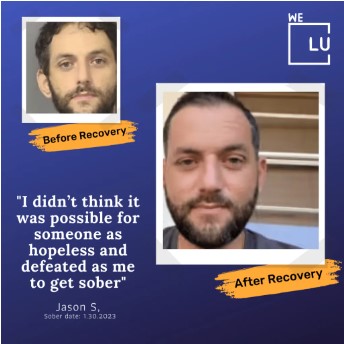
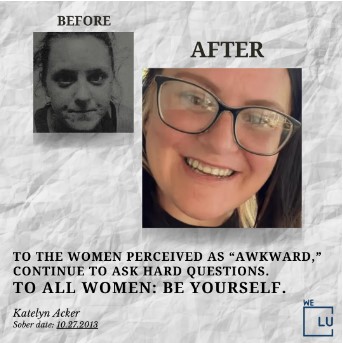
Experience Transformative Recovery at the We Level Up Treatment Center.
See our authentic success stories. Get inspired. Get the help you deserve.
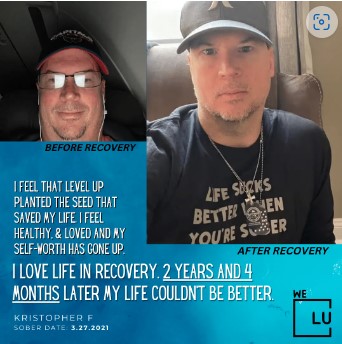
Start a New Life
Begin with a free call to a behavioral health treatment advisor. Learn more about our dual-diagnosis programs. The We Level Up treatment center network delivers recovery programs that vary by each treatment facility. Call to learn more.
- Personalized Care
- Caring Accountable Staff
- Comfortable Amenities
- Licensed & Accredited
- Renowned w/ 5-Star Reviews
We’ll Call You
Frequently Asked Questions
What is the narcissistic abuse cycle?
It is a repeated pattern of controlling someone’s feelings. It often happens in violent relationships.
What are the narcissistic abuse cycle stages?
Ideation, devaluation, discard, and hoovering are all common steps in the cycle.
What is narcissistic relationship abuse?
Narcissistic relationship abuse entails emotional coercion and control used by a partner seeking respect or power.
What is the emotional abuse cycle narcissist pattern?
The emotional abuse cycle narcissist pattern consists of alternating between love, criticism, and control.
How does We Level Up FL offer help?
We Level Up FL offers psychiatric evaluations, therapy, and medication management. We provide inpatient and outpatient services. We also care for people with more than one mental illness.
What is trauma bonding narcissism?
Narcissism based on trauma bonding happens when someone forms a strong emotional bond through cycles of harm and kindness.
Take a Step Forward
You may have looked for the narcissistic abuse cycle because you want to understand how painful relationship patterns work. The abuse of emotions can slowly erode trust and lead to many misunderstandings.
You’re not alone, though. It is possible to heal and feel free emotionally. Many people can boost their confidence and make their relationships better with the right help.
You deserve to feel safe, respected, and at peace. Get in touch with We Level Up FL right away at (855) 940-6125. Breaking the abuse cycle and regaining your strength can begin with this very moment. Your story can go from confusing to clear, and from painful to helpful.
Ready to get started? Call (888) 606-5120 or email verifyadmissions@welevelup.com today. A better life is waiting for you.