
Many parents and families feel worried when they find out that a teen or loved one has tried drugs or alcohol. It can be hard to know if it was just curiosity or if it may lead to a bigger problem. Learning the difference between substance abuse vs experimentation can help you understand what may be happening and what steps to take.
Sometimes a person tries a substance only once or a few times. This is often called experimentation. In other cases, the person begins using the substance more often and may have trouble stopping. That situation may point to substance abuse.
Understanding substance experimentation vs abuse helps families notice early warning signs and support their loved one before the problem becomes more serious.
Table of Contents
What Is Substance Experimentation?
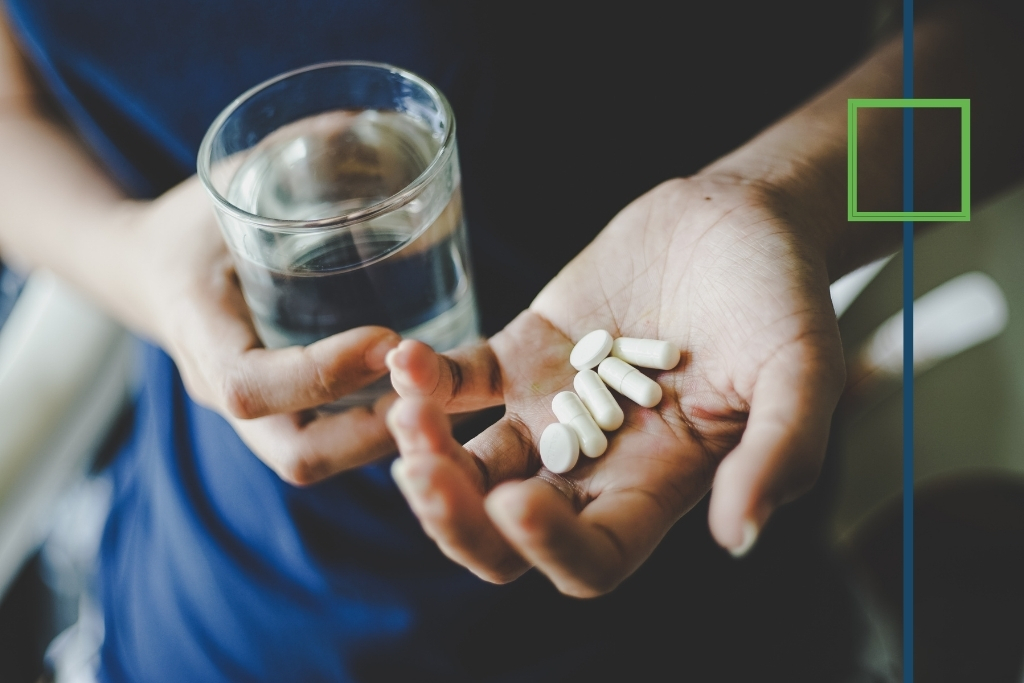
Substance experimentation means trying drugs or alcohol once or a few times. Many teens and young adults become curious about substances as they grow older. They may want to know how it feels or may try it because friends are doing it.
During experimentation, the person usually does not use the substance often. The behavior may happen at a party or social event and may not continue after that. In many cases, the person may decide not to try it again after learning about the risks.
When looking at substance experimentation vs abuse, the main difference is how often the substance is used. Experimentation usually happens rarely and does not take control of a person’s life.
Why People Experiment With Substances
People may try substances for many reasons. Curiosity is one of the most common reasons. Teens may hear friends talk about alcohol or drugs and want to understand what the experience is like. Another common reason is peer pressure. A person may feel that they need to join others in order to fit in or avoid feeling left out.
Some people also experiment because they feel stressed, sad, or overwhelmed. They may believe that substances will help them relax or escape difficult feelings. While experimentation may seem small at first, it can still lead to serious risks.
What Is Substance Abuse?
Substance abuse happens when a person uses drugs or alcohol often and continues even when it causes problems. The person may rely on the substance to cope with stress, emotions, or daily challenges. Unlike experimentation, substance abuse becomes a repeated behavior. The person may feel strong urges to use substances and may struggle to stop using them.
When families compare substance abuse vs experimentation, abuse usually causes clear changes in behavior, mood, and daily routines. These changes may affect school, work, and relationships.
How Substance Abuse Can Develop
Substance abuse often begins slowly. A person may start with occasional use and then begin using substances more often. Over time, the brain may start to depend on the substance to feel relaxed or happy. The person may increase the amount they use or take greater risks to get the substance.
Understanding how this process works can help families notice substance misuse warning signs before the problem becomes more serious.
Key Differences Between Substance Abuse vs Experimentation
It can sometimes be hard to tell the difference between experimentation and substance abuse. However, there are a few clear signs that can help families understand what may be happening. Experimentation usually happens once in a while. The person may try a substance because of curiosity and may stop using it after a short time.
Substance abuse involves repeated use that begins to affect daily life. The person may start to hide their behavior or feel unable to stop.
So

Some common differences include:
Substance experimentation
- Happens rarely or in social situations
- Usually caused by curiosity or peer pressure
- The person can stop easily
- Daily life is mostly unchanged
Substance abuse
- Happens often or regularly
- The person feels strong urges to use
- School, work, or family life may suffer
- The person may hide or deny the behavior
Understanding teen drug experimentation vs addiction helps families know when it may be time to seek help.
Early Signs of Substance Abuse
Recognizing the early signs of substance abuse can help families respond quickly. These warning signs often appear as changes in behavior or mood. Sometimes these changes happen slowly, which can make them easy to miss. Watching for patterns over time can help you understand if something may be wrong.
Some common substance misuse warning signs include:
- Sudden mood swings or irritability
- Changes in sleep or eating habits
- Loss of interest in hobbies
- Falling grades or problems at work
- Secretive behavior or lying
- Spending time with new friends who use substances
If several of these signs appear at the same time, it may be a signal that the person needs support.
Drug Abuse Risk Factors
Some people may have a higher chance of developing substance abuse problems. These are known as drug abuse risk factors. Risk factors do not mean a person will develop addiction. However, they can increase the chance that substance use becomes a problem.
Common risk factors include:
- Family history of addiction
- Mental health conditions such as anxiety or depression
- Trauma or stressful life experiences
- Lack of support at home
- Early exposure to drugs or alcohol
When families understand these risk factors, they can provide support and guidance that may help prevent substance abuse.
When Experimentation Turns Into Abuse
It often starts small but grows. A person might use more to feel the same good feeling. Tolerance builds, so they need bigger amounts. Cravings start, and stopping feels hard. Life problems pile up, but they keep using to escape them. This cycle needs outside help to break.
Substance abuse vs experimentation becomes clear when use hurts more than it helps. Catching it here gives hope for full recovery.
When to Seek Professional Help
Sometimes substance use becomes too difficult for families to manage alone. When a person continues using substances despite negative effects, professional help may be needed. Treatment programs provide structured care and support. These programs help people understand the reasons behind their substance use and learn healthier ways to cope with stress and emotions.
Treatment may include therapy, counseling, medical care, and family support. Getting help early can improve recovery and help prevent long-term health problems.
Frequently Asked Questions
What is the main difference in substance abuse vs experimentation?
Experimentation is trying a substance a few times out of curiosity. Abuse is using it often in ways that cause harm and hard to stop.
How can I tell if my teen is experimenting or has a problem?
If use is rare, no cravings, and life stays normal, it is likely experimentation. If it happens often, causes trouble, or they need it to feel okay, it may be abuse.
Are early signs of substance abuse easy to spot?
Yes, look for mood changes, lying, new friends who use, or school problems. These substance misuse warning signs often show up before big issues.
Why do teens experiment with drugs or alcohol?
They want to fit in, feel grown up, fight boredom, or try something new. Peer pressure and curiosity play big roles.
Can experimentation lead to addiction?
Yes, especially if use continues or becomes a way to cope. Brain changes make stopping harder over time.
What should I do if I worry about substance use?
Talk kindly, learn the facts, and reach out for help. Early support stops things from getting worse.
How to Get Started
Substance abuse vs experimentation matters because trying once does not always mean trouble, but patterns of harmful use do. Knowing the signs, reasons, and risks helps catch problems early. With open talks, love, and the right care, many people turn things around and build happy, healthy lives. You or your loved one deserves support to feel safe and strong.
If you see warning signs or need guidance, call We Level Up FL today. Our team listens kindly 24/7 and helps find the best path forward. Do not wait. Reach out now for a free talk and start toward brighter days. We are here to walk with you every step.