

By We Level Up FL Treatment Center | Editor Yamilla Francese | Clinically Reviewed By Lauren Barry, LMFT, MCAP, QS, Director of Quality Assurance | Editorial Policy | Research Policy | Last Updated: March 06, 2026
Schizophrenia is a serious mental health problem. It changes how a person thinks, feels, and behaves. People with schizophrenia sometimes lose touch with what is real. They may hear voices or believe things that are not true. This can make life very hard for them and for their families. But there is hope. With good treatment, many people manage their symptoms well. They can work, have friends, and enjoy life again. If you or someone you care about has this condition, learning about the causes of schizophrenia can help you understand it better and feel less alone.
Experts do not know a single cause for schizophrenia, or schizophrenia development causes. It happens because of many things together. Genes from family play a big part. Changes in the brain also matter. Things in the world around us, like stress or problems before birth, add to the risk. These factors mix in different ways for each person. Knowing this helps families support each other without blame. You did not cause this, and it is not anyone’s fault. The important thing is getting help early.
Ready to get started? Call (888) 861-4486 or email verifyadmissions@welevelup.comtoday. A better life is waiting for you.
Biological Causes of Schizophrenia
The brain is the main place where schizophrenia shows up. Scientists use special scans to look inside the brain. These scans show that some parts of the brain work differently in people with schizophrenia. For example, certain areas may be smaller than normal. Connections between brain parts can be weaker. This makes it hard for the brain to process thoughts, feelings, and information from the world.
One big area of study is brain chemicals called neurotransmitters. Dopamine and glutamate are two important ones. They help brain cells send messages to each other. In schizophrenia, these chemicals can be out of balance. Too much dopamine in some parts can lead to strange thoughts or hearing voices. Problems with glutamate can affect thinking and memory. Medicines help fix these balances. They calm the extra activity and make symptoms easier to handle.
These biological changes often start very early, even before a baby is born. The brain grows a lot in the womb and in childhood. Small problems during this time can set the stage for later issues. But the brain keeps changing all through life. With schizophrenia treatment, people can learn ways to cope and live better.
Schizophrenia Brain Causes
Brain scans like MRI show clear differences in people with schizophrenia. Some brain areas that control thinking, planning, and emotions look different. There is often less gray matter in places that handle memory and feelings. The brain’s wiring, or white matter, may not connect as well. This can make it hard to sort out real from unreal experiences.
These changes do not happen the same in every person. Some show them early in life. Others notice them around the time symptoms start, usually in late teens or early twenties. The brain goes through big growth spurts in those years. Extra connections get trimmed away in a process called synaptic pruning. In schizophrenia, this pruning may go too far or happen wrongly. This can lead to the symptoms we see.
Researchers keep studying these brain causes. New findings give hope for better treatments in the future. Understanding the brain helps doctors choose the right medicine and therapy for each person.

Skip To:
Genetic Factors and Family Risk
Schizophrenia often runs in families. If a parent or brother or sister has it, your chance goes up. But it is not simple. No one gene causes schizophrenia by itself. Many genes work together. Each gene adds a small risk. If you have several of these genes, the chance gets higher.
Twin studies show this clearly. Identical twins share all genes. If one has schizophrenia, the other has about a 50% chance, even if they grow up apart. For non-identical twins, who share half their genes, the chance drops to about 10-15%. This proves genes matter a lot. But it also shows other things are needed to bring on the illness.
Most people who carry these genes never get schizophrenia. Something else must trigger it. This gives hope. You can carry risk genes and still stay well by avoiding certain risks and getting support early.
Environmental Causes of Schizophrenia
Things around us during life can raise the risk of schizophrenia. Problems start even before birth. If a mom gets sick with a virus while pregnant, or does not eat well, it can affect the baby’s brain growth. Low oxygen at birth, early birth, or low birth weight also add risk. These early problems change how the brain develops.
After birth, hard life events matter too. Growing up in a big city with lots of stress, poverty, or danger can play a role. Childhood trauma like abuse, neglect, or losing a parent links to higher chances later. These things do not cause schizophrenia alone. They interact with genes. For someone with gene risk, a tough event can push symptoms to start.
Heavy drug use is another big environmental factor. Things like cannabis, especially strong kinds used in teen years, raise the risk a lot. Other drugs like cocaine or amphetamines can trigger symptoms too. Avoiding these helps lower the chance for people at risk.
Schizophrenia Risk Factors You Should Know
Many things can make schizophrenia more likely. Here is a clear list of main risk factors:
- Having a close family member with schizophrenia or other serious mental health problems.
- Problems during pregnancy, such as infections, poor nutrition, or high stress for the mom.
- Birth issues like low birth weight, early delivery, or lack of oxygen.
- Using drugs like cannabis, especially starting young or using a lot.
- Living through childhood trauma, abuse, neglect, or big family losses.
- High stress from life changes, like moving to a new place or big losses in adult life.
- Being born in winter or early spring (some studies show a small link, maybe from flu seasons).
- Living in crowded cities or areas with lots of social stress.

Remember, having one or more of these does not mean you will get schizophrenia. Most people with these risks do not develop it. But knowing them helps you watch for early signs and get help fast if needed.
How Schizophrenia Develops Over Time
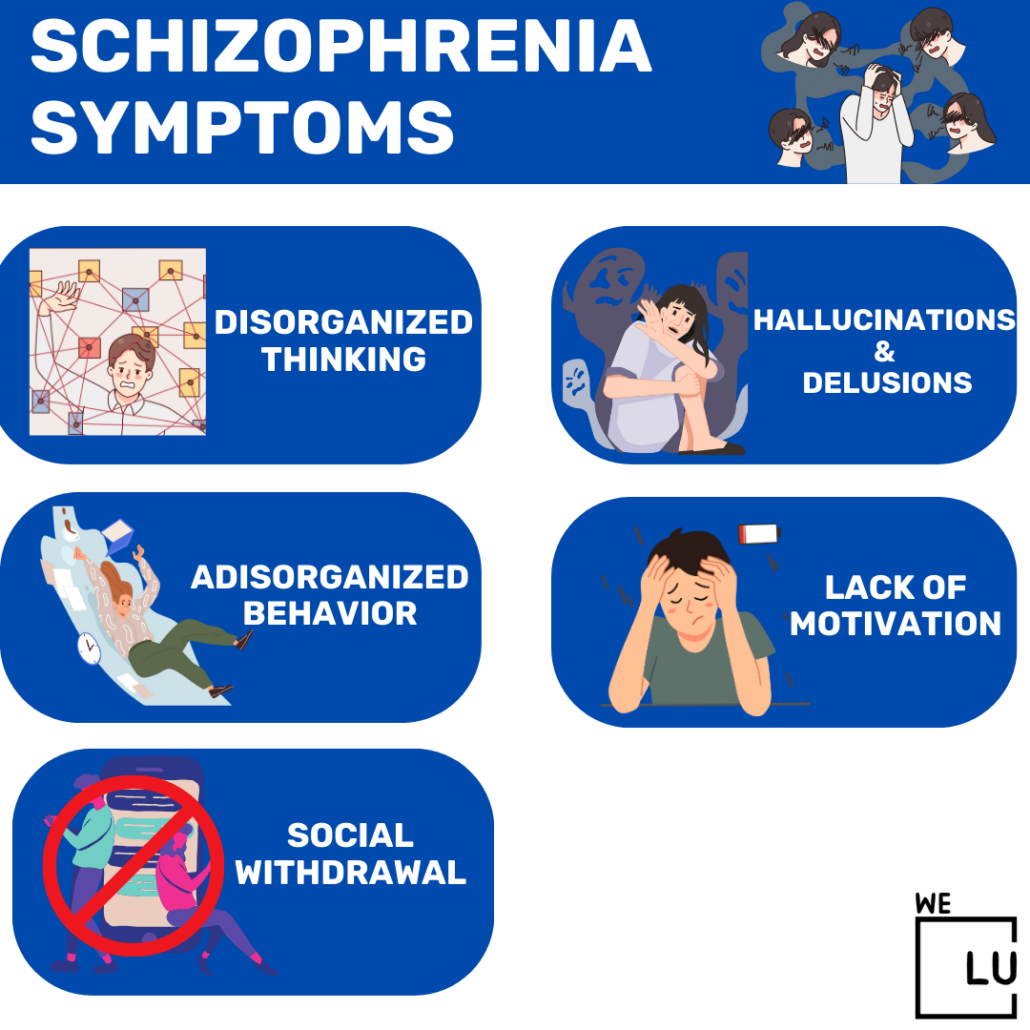
Schizophrenia usually starts between ages 16 and 30. It comes on slowly for most people. Early signs can appear in childhood or teen years. A child might have trouble making friends, odd ideas, or pull away from others. These are called prodromal signs. They are mild and easy to miss.
As time goes on, symptoms build. A person may feel more worried, have strange beliefs, or hear whispers. Then a big psychotic episode can happen. This is when hallucinations or strong delusions become clear. The first episode is often scary. But early treatment right after it gives the best chance to control things.
With good care, many people recover well from the first episode. They learn skills to manage daily life. Ongoing help prevents new episodes and helps keep life stable.
Ready to get started? Call (888) 861-4486 or email verifyadmissions@welevelup.comtoday. A better life is waiting for you.
Triggers That Can Bring On Symptoms
Certain things can set off symptoms in people who have risk. These are triggers. Big stress is a common one. Things like losing a job, ending a relationship, death in the family, or moving can push someone over the edge.
Drug use is a strong trigger. Cannabis can cause short-term psychosis and raise long-term risk, especially for young users. Other street drugs do the same. Childhood trauma or abuse can make the brain more sensitive later in life.
Not every trigger leads to schizophrenia. Only people with underlying risks feel the full effect. Managing stress, staying away from drugs, and building strong support help avoid triggers.
What is Schizophrenia? Video
We take a deep dive into the intricate world of Schizophrenia, shedding light on its multifaceted causes, risk factors, and potential triggers. Schizophrenia is a profound mental condition that affects countless individuals and their loved ones. Understanding the complexities of this disorder is essential for providing support and promoting effective treatments.
Myths About Schizophrenia Causes
Many wrong ideas exist about what causes schizophrenia. Some think bad parenting causes it. This is not true. Loving parents do not cause this illness. Others blame only drugs or only genes. The truth is a mix of many factors.
Some say it comes from weak character or laziness. No, schizophrenia is a real brain condition, like asthma or high blood pressure. It needs medical care, not judgment. Clearing up these myths helps families talk openly and seek help without shame.
Why Early Help Matters
Getting help soon after signs appear changes everything. Early treatment reduces how bad symptoms get. It helps people stay in school, keep jobs, and have good relationships. Doctors use medicine, talk therapy, family support, and skills training.
Many people with schizophrenia live happy, full lives. They manage symptoms and reach goals. You or your loved one deserve that chance. Do not wait if you see changes. Talk to a doctor or reach out for support.
How to Improve Mental Health Including Schizoprehnia? 8 Steps & Tips for Maintaining Your Mental Wellbeing Video
8 Steps for Mental Wellbeing & How To Improve Mental Health In The Workplace
1. Staying Positive
2. Practicing Gratitude
3. Taking Care of Your Physical Health
4. Connecting With Others
5. Developing a Sense of Meaning and Purpose in Life
6. Developing Coping Skills
7. Meditation
8. Relaxation Techniques
-
What is the main cause of schizophrenia?
There is no one main cause. It comes from genes, brain changes, and life experiences working together. Most cases happen because of this mix over time.
-
Do drugs like marijuana cause schizophrenia?
Drugs do not cause it for everyone. But using marijuana or other drugs, especially as a teen, greatly raises risk for people with gene factors. It can start symptoms earlier or make them stronger.
-
Is schizophrenia passed down in families?
Yes, it often runs in families. If a parent or sibling has it, your risk is higher. But most people with family history do not get it. Genes raise the chance, but other things must happen too.
-
Can stress or trauma cause schizophrenia?
Stress and trauma do not cause it by themselves. They can trigger symptoms in people who already have risks from genes or brain differences. Childhood trauma links to higher chances later.
-
What brain changes happen in schizophrenia?
Brain chemicals like dopamine and glutamate get out of balance. Scans show smaller areas or weaker connections in parts for thinking and feelings. These changes affect how a person sees reality.
-
Can schizophrenia be prevented?
There is no sure way to stop it. But avoiding drugs, handling stress well, and good care during pregnancy lower risks. Early help for warning signs can prevent big problems.
Take a Step Forward
Schizophrenia comes from a combination of genes, brain differences, and things in the environment. No single thing causes it, but many small factors together raise the chance. If this affects you or someone close, know that understanding helps. Treatment works well for most people. Symptoms can get better, and life can improve a lot.
You are not alone in this. Reach out for help today. Call our team or talk to a doctor. We offer support, medicine, therapy, and hope. Take that first step now. A brighter future is possible with the right care. Contact us to learn more or start your path to feeling better.
Ready to get started? Call (888) 606-5120 or email verifyadmissions@welevelup.com today. A better life is waiting for you.