Get Help. Get Better. Get Your Life Back.
Searching for Accredited Dual Diagnosis Mental Health Centers Near You?
Even if therapy failed previously, or are in the middle of a difficult crisis, we stand ready to support you. Our trusted behavioral health specialists will not give up on you. When you feel ready or just want someone to speak to about counseling alternatives to change your life call us. Even if we cannot assist you, we will lead you to wherever you can get support. There is no obligation. Call our hotline today.
FREE 24/7 Dual Diagnosis Mental Health Services HotlineDepression Fact Sheet
Depression Overview
Depression is a group of illnesses like depression or bipolar disorder connected to mood elevation or depression.
Types of Depression
Clinical Depression: A mental health disorder characterized by persistently depressed mood or loss of interest in activities, causing significant impairment in daily life.
Persistent depressive disorder: A mild but long-term form of depression.
Bipolar disorder: A disorder associated with episodes of mood swings ranging from depressive lows to manic highs.
Bipolar II disorder: A type of bipolar disorder characterized by depressive and hypomanic episodes.
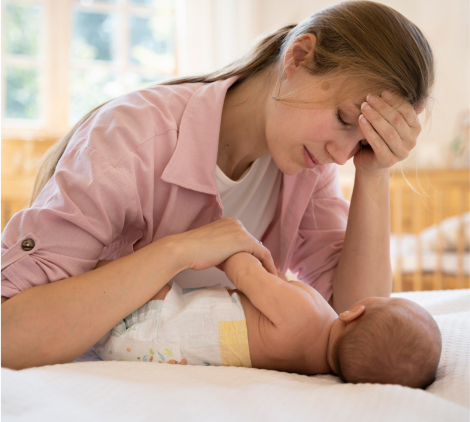
Postpartum depression: Depression that occurs after childbirth.
Learn More About Depression in Women PDF Download
Common Signs of Depression in Women
The depression symptoms women’s psychology experts describe often include emotional, physical, and behavior changes. These symptoms may appear slowly and grow stronger over time.
Physical Signs of Depression in Women
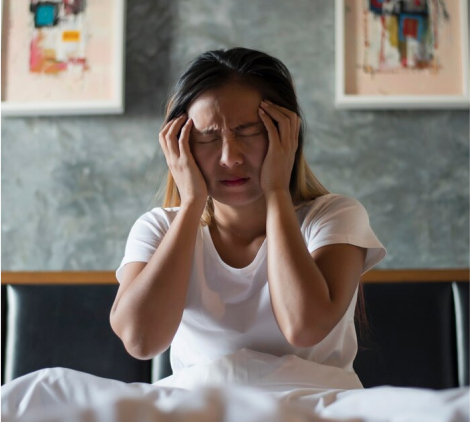
Your body talks when depression is there. Many women feel sick before they know it is their mood. Headaches come often and last long. Your stomach hurts with pain, bloating, or upset. You get aches in your back, neck, or joints with no clear reason. Energy drops low, so you move slow or feel weak. Some women have more PMS symptoms that feel worse.
Hormone shifts make these pains stronger during cycle times or after a baby’s birth. When you treat depression, body aches often fade. See a doctor and tell them about your feelings too. It helps find the real cause.
Emotional and Mental Signs to Watch For
Inside, depression fills your thoughts with dark clouds. You feel hopeless, like good days will never come. Guilt hits hard over small things or past choices. You think you are worthless or a burden to others. Your mind races with worry or gets stuck on bad memories. Focusing on work or talks feels impossible. Decisions scare you because everything seems wrong. Anxiety mixes in, making you nervous or scared often.
These thoughts hurt a lot. You might avoid people because sharing feels too hard. But opening up to someone kind starts to make things lighter. You are worthy of love and help.
Behavioral Changes from Depression in Women
Your actions change when depression takes over. You pull away from friends and family more. Social plans feel tiring, so you say no a lot. You stop doing fun things or caring for yourself. Some women eat for comfort or skip meals. Others cry in private or get very quiet. Irritability shows up. You snap at loved ones over little things. Restlessness makes you pace or feel on edge.
These changes affect home and work. Kids or partners notice you seem far away. It is a sign to reach out. Small steps like a walk or talk can start the change.

End the Emotional Pain. Get Your Life Back.
Feeling Depressed, Anxious or Struggling with Mental Health Illness? Get Safe Comfortable Mental Health Dual Diagnosis High-Quality Therapy From Counselors That Care. Begin Your Recovery Now.
Hotline (855) 940-6125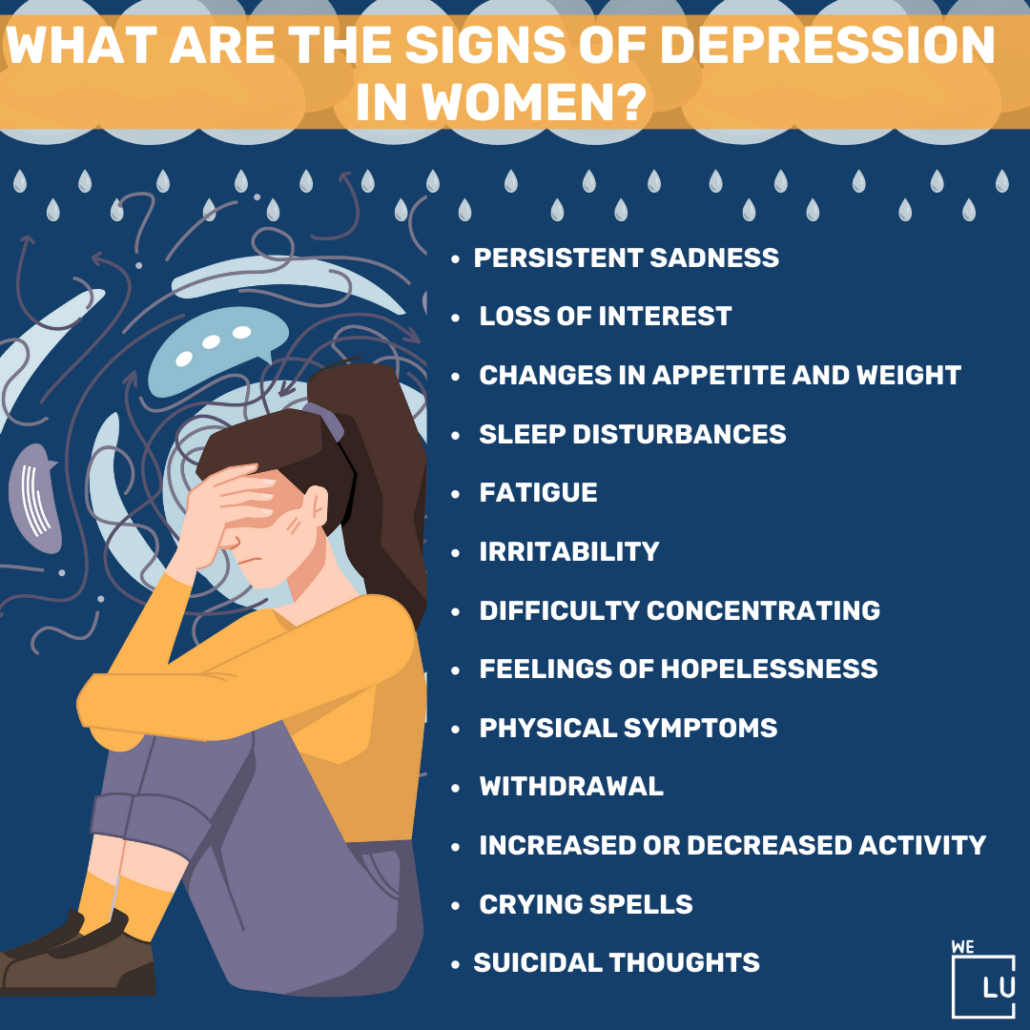
How Depression May Affect Women Differently
Depression can appear in different ways for women. Life changes and emotional stress can affect mood and mental health.
Hormonal changes during different stages of life may also play a role. For example, pregnancy, childbirth, and menopause can affect emotional balance. During these times, some women may notice stronger female mental health symptoms.
Women also often feel responsible for caring for others. When they place everyone else’s needs first, they may ignore their own emotional health. Over time, this can increase stress and sadness.
Understanding these patterns can help families notice the depression signs in women earlier..
First-class Facilities & Amenities
World-class High-Quality Mental Health Services & Behavioral Health Substance Abuse Treatment
Rehab Centers TourRenowned Mental Health Centers. Serene Private Facilities. Inpatient Rehab Programs Vary.
Mental Health Helpline (855) 940-6125Proven recovery success experience, backed by a Team w/ History of:
15+
Years of Unified Experience
100s
5-Star Reviews Across Our Centers
10K
Recovery Successes
- Comprehensive Dual-Diagnosis Treatment
- Complimentary Family & Alumni Programs
- Coaching, Recovery & Development Events
- Comfortable Onsite Medical Detox Center
Causes and Risk Factors of Depression in Women
Depression can develop for many reasons. Usually, it happens because of a mix of emotional stress, life events, and health factors.
Some common causes include:
- Stress from work or money problems
- Relationship difficulties or divorce
- Caring for family members
- Loss of a loved one
- Trauma or difficult life experiences
- Hormonal changes
Health problems can also affect mental health. Chronic illness, sleep problems, or long periods of stress may increase the risk of depression. Every woman’s experience is different. What causes depression in one person may not affect another the same way.
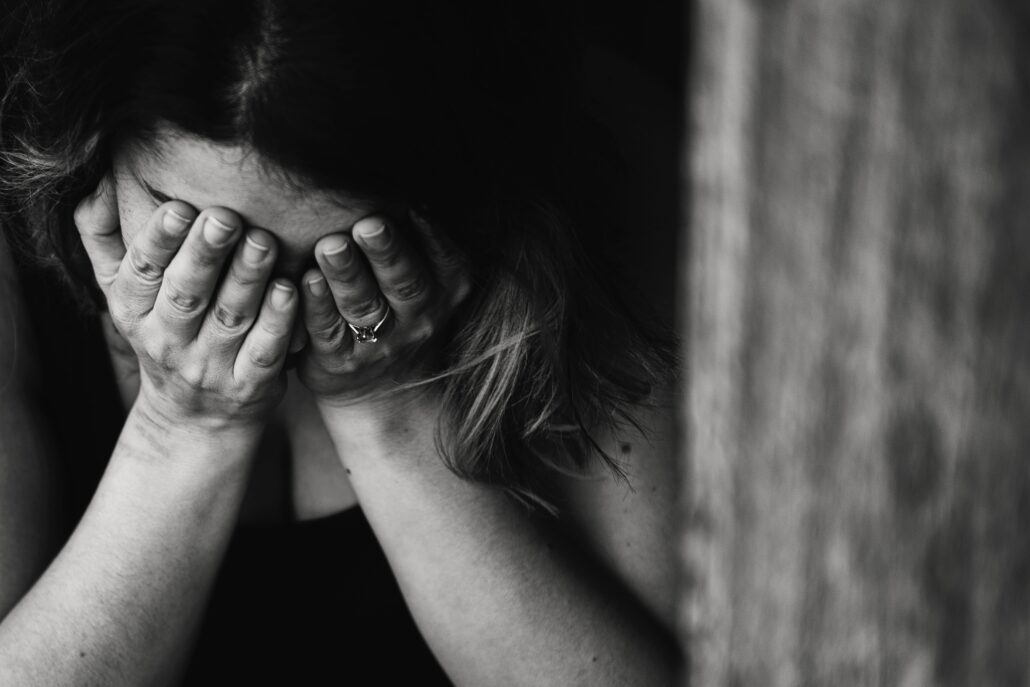
When to Seek Help for Depression
Many women try to manage depression alone. They may believe the feelings will pass with time. However, depression often becomes worse without proper support.
You should consider getting help if you experience any of the following symptoms:
- Last longer than two weeks
- Make daily life difficult
- Affect work or relationships
- Cause strong feelings of sadness or hopelessness
A mental health professional can help identify the signs of depression in women and recommend the best treatment options. Asking for help is a strong and positive step toward recovery.
World-class, Accredited, 5-Star Reviewed, Effective Mental Health Dual Diagnosis Programs. Complete Integrated Inpatient Rehab with Free Post Discharge Therapy Planning.
CALL (855) 940-6125End the Emotional Pain Rollercoaster. Gain Stability & Happiness Through Recovery Treatment. Start Mental Health Counseling Today. Get Free No-obligation Guidance by Behaviroal Health Specialists Who Understand Mental Health Recovery.
Treatment Options for Depression in Women
Depression can be treated, and many women feel better with the right care. Treatment plans often include professional support and healthy lifestyle changes.
Common treatment options include:
- Talk therapy or counseling
- Medication prescribed by a doctor
- Stress management techniques
- Healthy sleep habits and daily routines
- Support from family and friends
Therapy allows women to talk about their feelings in a safe and supportive space. Some treatment programs also help people who struggle with both mental health conditions and substance use.
Supporting a Woman With Depression
If someone you care about shows depression signs in women, your support can help them feel less alone. Start by listening in a calm and caring way. Let her share feelings without judgment. Avoid telling her to just be positive, because depression is a real health condition.
You can help by:
- Encouraging professional support
- Checking in regularly
- Helping with daily responsibilities
- Learning about mental health together
Small acts of kindness and understanding can help someone feel supported during a difficult time.
Frequently Asked Questions
-
What are the early signs of depression in women?
Early signs of depression in women may include sadness, low energy, frequent crying, and losing interest in social activities or hobbies.
-
Why are women more likely to experience depression?
Women may experience hormonal changes, emotional stress, and social pressures that can increase the risk of depression.
-
Can depression cause physical symptoms?
Yes. Depression can lead to tiredness, sleep problems, headaches, body pain, and appetite changes.
-
How long do depression symptoms usually last?
Depression symptoms often last for at least two weeks. Without treatment, they may continue for months.
-
When should someone seek help?
A person should seek help if symptoms last longer than two weeks or start affecting daily life, relationships, or work.
-
Is depression treatable?
Yes. Depression can be treated with therapy and support from family and professionals.
Take a Step Forward
The signs of depression in women can appear as sadness, exhaustion, stress, or withdrawal from daily activities. Learning to recognize these female depression symptoms can help women receive support earlier. Depression is a real health condition, but recovery is possible with the right help.
If you or someone you care about may be struggling, reaching out for professional support can make a meaningful difference. Treatment, understanding, and compassionate care can help women rebuild emotional strength and find hope again. Taking the first step today can begin the path toward healing and a healthier life.
Tips for Maintaining Your Mental Well-being
Video Script
At We Level Up FL, our primary focus is to provide personalized mental health services that meet each person’s needs. Our team of highly skilled professionals recognizes that the journey to mental well-being is different for everyone. Therefore, we collaborate closely with our clients to design therapy programs targeting their unique challenges and aligning with their goals.
Our approach emphasizes empathy and understanding, ensuring unwavering support and guidance throughout the therapeutic process. We firmly believe in empowering individuals to actively engage in their mental health by equipping them with the necessary tools and strategies to navigate their circumstances. Creating a safe and nurturing environment, we encourage exploration, self-discovery, and personal growth.
We understand that each person is distinct, with specific therapeutic needs. By actively listening to our clients and comprehending their concerns, strengths, and aspirations, we can develop customized therapy plans that address their particular challenges while considering their circumstances and preferences.
Experience Transformative Recovery at the We Level Up Treatment Center.
See our authentic success stories. Get inspired. Get the help you deserve.
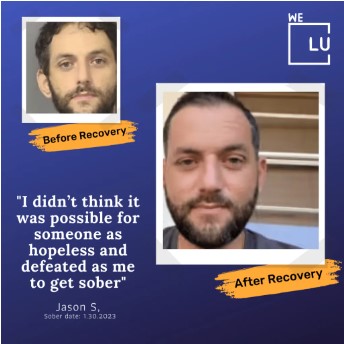
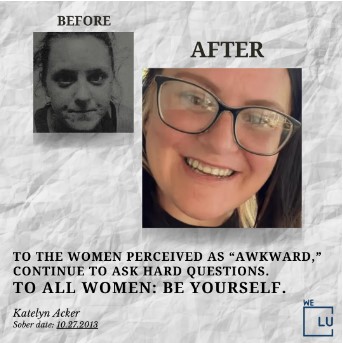
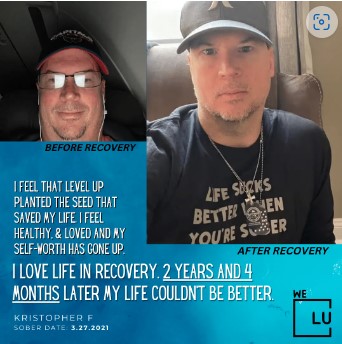
Start a New Life
Begin with a free call to a behavioral health treatment advisor. Learn more about our dual-diagnosis programs. The We Level Up treatment center network delivers recovery programs that vary by each treatment facility. Call to learn more.
- Personalized Care
- Caring Accountable Staff
- Comfortable Amenities
- Licensed & Accredited
- Renowned w/ 5-Star Reviews