

Situational Depression Fact Sheet
What Causes Situational Depression
Big life changes or losses often start situational depression. Losing a job, ending a relationship, moving to a new city, or dealing with a serious health problem are common causes.
Even positive changes like having a new baby or starting a dream job can bring too much stress. Past hard times or not having enough support make it feel worse. Everyone handles stress in their own way. What feels huge to one person might not affect another in the same way. Knowing your trigger helps you face it step by step.
Depression affects everyone, no matter their age, gender, background, or socioeconomic status. Understanding this helps build empathy and helpful support for those dealing with depression. Download the below free pdf from NIH.gov for more information.

End the Emotional Pain. Get Your Life Back.
Feeling Depressed, Anxious or Struggling with Mental Health Illness? Get Safe Comfortable Mental Health Dual Diagnosis High-Quality Therapy From Counselors That Care. Begin Your Recovery Now.
Hotline (855) 940-6125How Situational Depression Changes Daily Life
This depression makes normal days feel hard. You might skip work, school, or chores because getting out of bed feels impossible. Relationships can suffer when you pull away or get upset easily. You stop taking care of yourself, like eating well or staying clean. Fun activities disappear from your schedule. Guilt grows when things pile up. Family or friends notice you seem quiet or far away.
These changes make the original stress feel even bigger. But small actions, like a short talk with someone or a walk outside, begin to help you get back on track.
First-class Facilities & Amenities
World-class High-Quality Mental Health Services & Behavioral Health Substance Abuse Treatment
Rehab Centers TourRenowned Mental Health Centers. Serene Private Facilities. Inpatient Rehab Programs Vary.
Mental Health Helpline (855) 940-6125Proven recovery success experience, backed by a Team w/ History of:
15+
Years of Unified Experience
100s
5-Star Reviews Across Our Centers
10K
Recovery Successes
- Comprehensive Dual-Diagnosis Treatment
- Complimentary Family & Alumni Programs
- Coaching, Recovery & Development Events
- Comfortable Onsite Medical Detox Center
Situational Depression Treatment Options
Situational depression treatment works well for most people. You do not have to wait and suffer alone. Talking to a therapist helps a lot. They listen and teach you ways to handle sad thoughts and stress. Many use cognitive behavioral therapy to change negative thinking patterns. Support groups connect you with others who have gone through similar things.
Healthy daily habits make a big difference too. Try gentle walks, eating balanced meals, and going to bed at the same time each night. Cut down on alcohol or too much coffee because they can make feelings worse. Breathing exercises or writing your thoughts in a notebook calm your mind.
If feelings stay very strong, a doctor might suggest short-term medicine to help balance your mood. Most people improve with a mix of these steps.
Steps for Situational Depression Recovery
Situational depression recovery takes time, but you can help yourself move forward. Stay close to people who care about you. Share what you feel with a trusted friend or family member. Do one small thing each day that brings a bit of joy, like listening to favorite music. Speak kindly to yourself, the way you would to a good friend.
Set easy goals, like making your bed or drinking water. Celebrate when you finish them. If the stressful situation continues, make a simple plan to fix small parts. Give yourself patience. Healing happens little by little, and you are doing your best.
World-class, Accredited, 5-Star Reviewed, Effective Mental Health Dual Diagnosis Programs. Complete Integrated Inpatient Rehab with Free Post Discharge Therapy Planning.
CALL (855) 940-6125End the Emotional Pain Rollercoaster. Gain Stability & Happiness Through Recovery Treatment. Start Mental Health Counseling Today. Get Free No-obligation Guidance by Behaviroal Health Specialists Who Understand Mental Health Recovery.
FAQs
-
What are reactive depression symptoms?
Reactive depression symptoms include feeling very sad, hopeless, tired, and losing joy in life after a stressful event. You might cry often, sleep poorly, or pull away from people.
-
What is the best situational depression treatment?
Talking therapy, healthy habits like exercise and good sleep, and support from friends work well. Some people add short-term medicine if feelings are strong.
-
How do adjustment disorder depression symptoms look?
They show as sadness, worry, trouble focusing, body pains, and changes in sleep or eating. These start within months of a big life stress.
-
How long does situational depression recovery take?
Most people start feeling better in a few weeks to six months. Recovery goes faster with support, healthy steps, and working through the stress.
-
Is situational depression the same as stress induced depression?
Yes, both names mean depression caused by a clear stressful event or change in life. The symptoms link directly to what happened.
-
When should someone get help for situational depression?
Get help if sad feelings last many weeks, make daily life very hard, or include thoughts of harm. Call 988 right away if you feel unsafe. Early care helps a lot.
Take a Step Forward
Situational depression feels overwhelming after a hard event, but many people find their way back to feeling okay and even stronger. You do not have to face it by yourself. If reactive depression symptoms or adjustment disorder depression symptoms sound like what you or someone you love is going through, take one kind step today. Talk to a friend, see a doctor, or call 988 for free help any time. Situational depression treatment and support really work. You matter, and brighter days can come with care. You are worth the effort to heal.
Therapist Tips to Cope and Combat Depressive Episodes Informative Video
Therapy offers valuable tools and coping strategies to combat depression by providing a supportive space to explore and process challenging emotions. A trained therapist can help identify and address specific triggers, offering guidance on navigating difficult situations. Through therapeutic interventions, individuals can better understand their feelings and develop effective techniques to promote recovery and emotional well-being.
Do you have questions about depression recovery or treatment in general? Call our helpline 24/7.
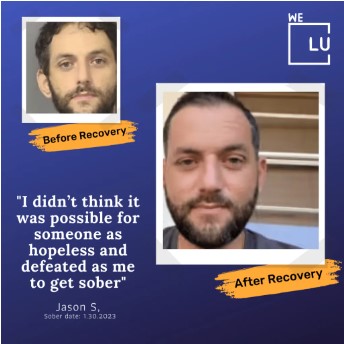
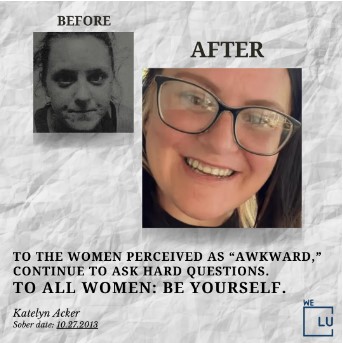
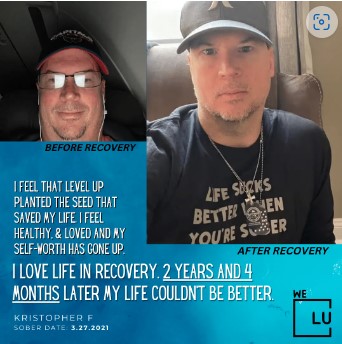
Experience Transformative Recovery at the We Level Up Treatment Center.
See our authentic success stories. Get inspired. Get the help you deserve.
Start a New Life
Begin with a free call to a behavioral health treatment advisor. Learn more about our dual-diagnosis programs. The We Level Up treatment center network delivers recovery programs that vary by each treatment facility. Call to learn more.
- Personalized Care
- Caring Accountable Staff
- Comfortable Amenities
- Licensed & Accredited
- Renowned w/ 5-Star Reviews