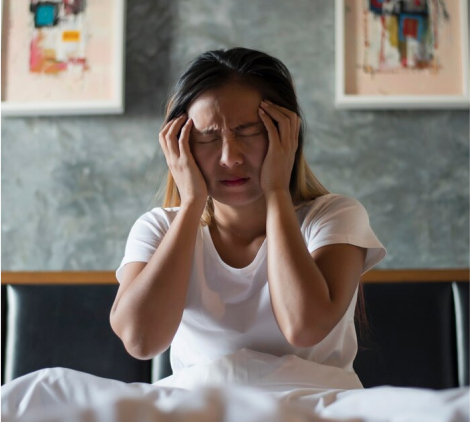
Many people feel nervous when they are around others. You might feel shy when you meet new people or when you speak in front of a group. This feeling is normal. But sometimes the fear becomes very strong. It may stop you from talking, going to events, or meeting others. When this happens often, it may be a sign of social anxiety.
A social anxiety quiz can help you learn more about your feelings. It asks simple questions about how you feel in social situations. Your answers can show if you may have signs of social anxiety disorder. The quiz cannot give a medical diagnosis, but it can help you decide if you should talk with a mental health professional.
If you or someone you love feels very afraid in social situations, learning about social anxiety is a helpful first step. With the right support and treatment, many people learn how to manage their anxiety and feel more comfortable around others. and guidance.
Do I Have Social Anxiety Quiz?
Take our Do You Have Social Anxiety Quiz
Deprecated: Creation of dynamic property WTPQuestion::$exam is deprecated in /nas/content/live/levelupfl/wp-content/plugins/watupro/show_exam.php on line 24

Welcome to the Social Anxiety Disorder test. This assessment is designed to help you explore your level of comfort and anxiety in social situations. Social anxiety is a common psychological condition characterized by an overwhelming fear of being judged, criticized, or embarrassed in social settings. It can significantly impact a person's ability to interact with others and engage in various social activities.
This social anxiety quiz aims to provide insights into your feelings and behaviors related to social interactions. However, it is essential to remember that this test is not a formal diagnosis. If you suspect you may be experiencing social anxiety or any other mental health concerns, it is crucial to seek guidance from a qualified mental health professional.
*By taking this free quiz, you may obtain your results online and in your email box. You’ll have the opportunity to opt-in to learn more about your symptoms, talk to a mental health consultant and join our newsletter. Rest assured your information is private and confidential. Results, consultations and assessment are provided without any cost to you and without any obligation. If you do not wish to provide your contact information, you may omit it during your quiz. Thank you for opting in and participating. To you best of health.
What Is Social Anxiety Disorder?
Social anxiety disorder is also called social phobia. It means you feel a very strong fear in social settings. You worry a lot about what others think of you. This fear can feel too big to control. It often starts when you are young, like in your school years.
People with this worry about being judged or embarrassed. They might avoid parties, talking to new people, or speaking up in class. The fear can make everyday things hard, like going to work or making friends. It is more than just shyness. Shyness goes away sometimes, but social anxiety stays and grows stronger without help.
This problem affects many people. About 4 to 8 out of 100 adults have it each year. It can happen to anyone. Girls and women often feel it more, especially in their teenage years. The good news is that treatment works well for most people.
What Is a Social Anxiety Quiz?
A social anxiety quiz is a simple self assessment tool. It helps you think about how you feel in social situations. The quiz asks questions about your thoughts, emotions, and behaviors.
You may also see it called a social anxiety disorder test, social phobia test, or social anxiety symptoms quiz. These quizzes often ask about fear, worry, and avoiding social situations.
The goal of the quiz is to help you notice patterns in your feelings. If your answers show strong anxiety, it may suggest that social anxiety is affecting your life.
Remember that a quiz is only a starting point. A mental health professional is the best person to give a full evaluation and diagnosis.port and strategies tailored to the individual’s needs.
Get Help. Get Better. Get Your Life Back.
Searching for Accredited Dual Diagnosis Mental Health Centers Near You?
Even if therapy failed previously, or are in the middle of a difficult crisis, we stand ready to support you. Our trusted behavioral health specialists will not give up on you. When you feel ready or just want someone to speak to about counseling alternatives to change your life call us. Even if we cannot assist you, we will lead you to wherever you can get support. There is no obligation. Call our hotline today.
FREE 24/7 Dual Diagnosis Mental Health Services HotlineWhy Taking a Social Anxiety Self Assessment Can Help
Many people live with social anxiety without knowing it. They may believe they are simply shy or quiet. A social anxiety self assessment can help you understand your feelings more clearly.
When you answer the questions in a quiz, you may begin to see how often anxiety appears in your daily life. This can help you recognize that your struggles are real and deserve attention.
A self assessment can also help loved ones. If you notice someone close to you feeling very nervous in social situations, the quiz can start an honest conversation about mental health and support.
Understanding the problem is often the first step toward finding help and feeling better.

Skip To:
World-class, Accredited, 5-Star Reviewed, Effective Mental Health Dual Diagnosis Programs. Complete Integrated Inpatient Rehab with Free Post Discharge Therapy Planning.
CALL (855) 940-6125End the Emotional Pain Rollercoaster. Gain Stability & Happiness Through Recovery Treatment. Start Mental Health Counseling Today. Get Free No-obligation Guidance by Behaviroal Health Specialists Who Understand Mental Health Recovery.
Signs You May Need a Social Anxiety Disorder Test
Sometimes it is hard to know if your fear is normal or if it may be social anxiety disorder. A social anxiety disorder test may help if your anxiety feels strong or happens often.
People with social anxiety often notice certain symptoms in their daily lives. These may include:
- Fear of being judged by others
- Avoiding parties or social events
- Feeling very nervous before talking to people
- Worrying about embarrassing yourself
- Trouble making or keeping friends
- Sweating, shaking, or blushing during conversations
These symptoms can make social situations feel very stressful. Some people begin to avoid school activities, meetings, or public places. If these experiences sound familiar, an am I socially anxious quiz can help you explore your symptoms.
First-class Facilities & Amenities
World-class High-Quality Mental Health Services & Behavioral Health Substance Abuse Treatment
Rehab Centers TourRenowned Mental Health Centers. Serene Private Facilities. Inpatient Rehab Programs Vary.
Mental Health Helpline (855) 940-6125Proven recovery success experience, backed by a Team w/ History of:
15+
Years of Unified Experience
100s
5-Star Reviews Across Our Centers
10K
Recovery Successes
- Comprehensive Dual-Diagnosis Treatment
- Complimentary Family & Alumni Programs
- Coaching, Recovery & Development Events
- Comfortable Onsite Medical Detox Center
What Questions Are in a Social Anxiety Symptoms Quiz?
A social anxiety symptoms quiz usually asks questions about common social situations. The questions help you think about how you react when you are around other people.
For example, the quiz may ask if you feel nervous when:
- Meeting new people
- Speaking in front of others
- Being the center of attention
- Eating or writing while people watch
- Talking in a group
These questions help show how strong your fear may be. If your answers show frequent anxiety, it may be a sign that social anxiety is affecting your daily life. Again, the quiz does not replace professional care. It is simply a tool that can guide you toward the next step.
What Causes Social Anxiety?
Social anxiety can develop for many reasons. Usually, several factors work together over time. One factor may be family history. People who have family members with anxiety disorders may have a higher chance of developing social anxiety.
Another factor may be past experiences. Children who were bullied, teased, or criticized often may feel more afraid in social situations later in life. Personality can also play a role. Some people are naturally shy or quiet. While this does not always lead to social anxiety disorder, it may increase the risk.
Big life changes can also increase stress. Moving to a new place, starting a new job, or entering a new school may trigger social anxiety symptoms. Understanding these causes can help people realize that social anxiety is not a personal failure. It is a real mental health condition that can be treated.

End the Emotional Pain. Get Your Life Back.
Feeling Depressed, Anxious or Struggling with Mental Health Illness? Get Safe Comfortable Mental Health Dual Diagnosis High-Quality Therapy From Counselors That Care. Begin Your Recovery Now.
Hotline (855) 940-6125How Social Anxiety Can Affect Your Life
When social anxiety becomes severe, it can affect many parts of life. People may avoid situations that involve interaction with others.
For example, a person may avoid:
- Job interviews
- School presentations
- Parties and social gatherings
- Talking with strangers
- Eating in restaurants
Avoiding these activities can lead to loneliness and isolation. Some people may feel sad, frustrated, or disappointed in themselves. In some cases, social anxiety may also lead to depression or unhealthy coping habits. This is why early support and treatment are very important. With the right help, people can learn skills that make social situations easier and less stressful.
Treatment Options After a Social Phobia Test
If your social phobia test shows signs of social anxiety, the next step is to talk with a mental health professional. A therapist or counselor can evaluate your symptoms and suggest treatment options. One common treatment is Dialectical Behavior Therapy. This therapy helps people understand their thoughts and learn healthier ways to respond to anxiety.
Treatment programs may also include:
- Individual therapy sessions
- Group therapy for social skills
- Stress management techniques
- Confidence building exercises
Sometimes medication may also be recommended. A doctor can decide if medication may help reduce anxiety symptoms. Many people see real improvement when they receive the right care and support.
How to Support Someone With Social Anxiety
Social anxiety can affect families and relationships. If someone you care about struggles with social anxiety, your support can make a big difference. Start by listening with patience and kindness. Try not to judge their feelings or pressure them to face situations too quickly.
You can help by encouraging small steps and celebrating progress. Learning about social anxiety disorder can also help you understand what they are going through.
Other ways to support someone include:
- Encouraging professional help
- Offering reassurance during stressful moments
- Supporting healthy habits like sleep and exercise
With understanding and support, people with social anxiety can feel safer and more confident over time.
Frequently Asked Questions
Is this social anxiety quiz the same as a doctor visit?
No. This quiz helps you think about your feelings. It is not a full diagnosis. Only a trained professional can diagnose social anxiety disorder. Use this as a first step.
How long does social anxiety last without help?
It can last many years or even a lifetime if not treated. But with help, most people see big improvements fast. Early care makes a big difference.
Can kids have social anxiety too?
Yes. It often starts in childhood or the teen years. Kids might avoid school talks or playdates. Parents can watch for signs and get help early.
What if I feel anxious only sometimes?
Normal nerves happen to everyone. But if fear is strong, lasts long, and changes your life, it might be social anxiety. A quiz or talk can clarify.
Is social anxiety the same as social phobia?
Yes. Doctors use both names. Social phobia is the old name. It means intense fear of social judgment.
How do I start getting help?
Talk to a doctor or therapist. Many offer free first talks. You can call helplines too. Steps feel scary at first, but they lead to feeling better.
Take a Step Forward
Social anxiety can make everyday situations feel very difficult. Many people feel alone with these fears, but help is available. Taking a social anxiety quiz can help you understand your symptoms and see if social anxiety may be affecting your life.
If your results suggest social anxiety disorder, speaking with a mental health professional can be an important next step. With the right treatment and support, people can learn new skills, build confidence and feel more comfortable in social situations. Reach out today and take the first step toward a healthier and more connected life.
How to Improve Mental Health? 8 Steps & Tips for Maintaining Your Mental Wellbeing Video
8 Steps for Mental Wellbeing & How To Improve Mental Health
- Staying Positive
- Practicing Gratitude
- Taking Care of Your Physical Health
- Connecting With Others
- Developing a Sense of Meaning and Purpose in Life
- Developing Coping Skills
- Meditation
- Relaxation Techniques