

The COVID-19 pandemic changed life in ways no one expected. People stayed home for months. Schools closed. Many lost jobs. Some lost loved ones. Even now, years later, many people still feel the emotional effects. This ongoing sadness and stress is often called COVID 19 depression.
If you feel more tired, sad, or worried since the pandemic began, you are not weak. You are human. Depression during COVID affected millions of people across all ages. The coronavirus mental health impact did not end when lockdowns stopped. For many, the emotional pain stayed.
This guide will help you understand COVID-19 depression symptoms, why they happen, and how treatment at We Level Up FL can help. If you are struggling or if you are worried about someone you love, support is available.
Table of Contents
What Is COVID-19 Depression?
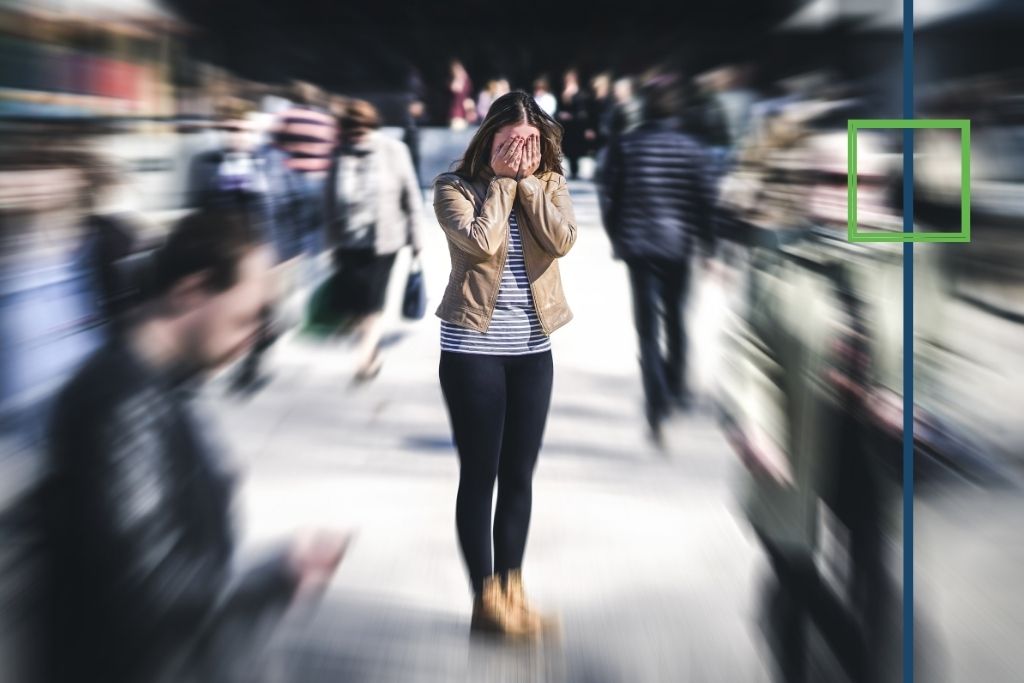
COVID-19 depression is a type of depression that started or became worse during the pandemic. It can happen after getting sick. It can also happen from stress, isolation, fear, or loss. Many people felt alone and uncertain for a long time, and that stress added up.
Depression during COVID often developed slowly. At first, people felt stressed or worried. Over time, that stress turned into sadness and low energy. When stress lasts for months, it can change how the brain works and how the body feels.
The coronavirus mental health impact touched people who never had depression before. It also made existing mental health problems worse. The long period of uncertainty placed a heavy load on emotional health.
COVID-19 Depression Symptoms
COVID-19 depression symptoms can look different from person to person. Some people feel deep sadness almost every day. Others feel empty or numb instead of sad. Both are signs that something is not right.
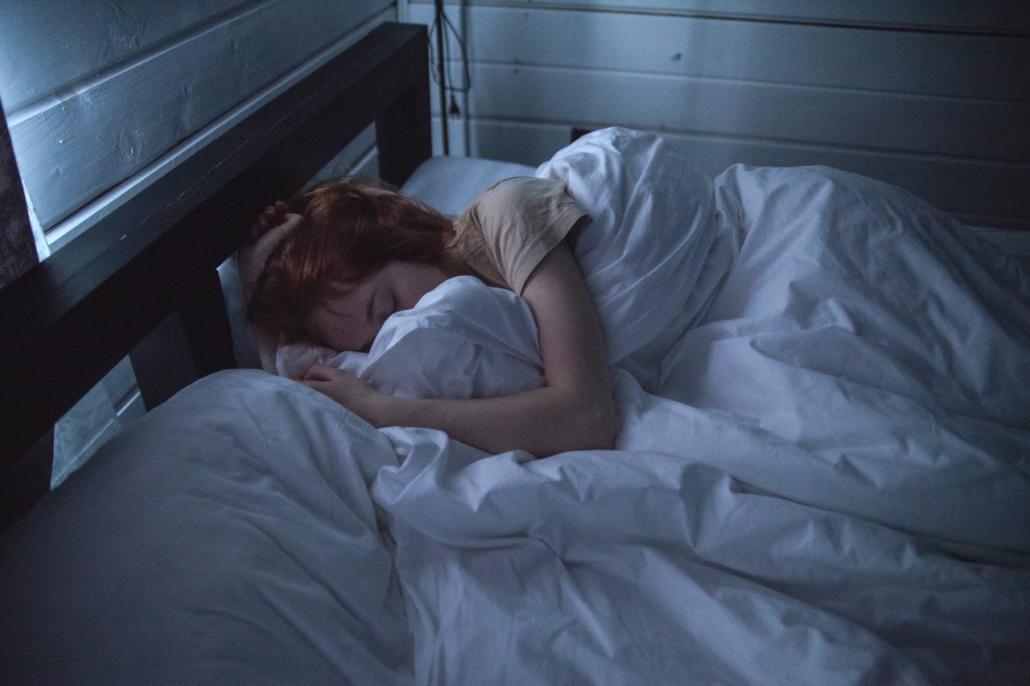
You may notice changes in sleep or appetite. You may lose interest in hobbies or time with friends. Daily tasks might feel harder than before. Even simple choices can feel overwhelming.
Common symptoms include.
- Feeling sad most days
- Low energy or constant tiredness
- Sleeping too much or too little
- Eating more or less than usual
- Feeling hopeless about the future
- Trouble focusing
- Pulling away from others
- Thoughts about death or self-harm
If these symptoms last more than two weeks, it may be more than normal stress. It may be COVID-19 depression.
Why the Pandemic Caused So Much Emotional Pain
The pandemic created many problems at once. People feared getting sick. News reports shared rising numbers every day. Hospitals were full. Many felt like danger was everywhere.
Isolation was one of the biggest pandemic mental health effects. Humans need connection. When we stay away from others for long periods our mood often drops. Many people missed birthdays, holidays and simple social visits. This loss of connection hurt deeply.
Financial stress also played a big role. Many lost jobs or had fewer work hours. Bills continued while income stopped. Worrying about money can increase anxiety and lead to depression during COVID.
The Coronavirus Mental Health Impact on Families
The coronavirus mental health impact affected entire families. Parents tried to work while helping children with schoolwork at home. Stress levels rose inside many households.
Children and teens also struggled. They missed friends, sports and school events. Young people need social time to grow in healthy ways. Without it, many felt lonely or confused.
Older adults face a high risk of serious illness. Many stayed home for long periods to stay safe. This long isolation increased feelings of sadness and fear. Some still struggle to reconnect socially.

COVID-19 Depression and Substance Use
During the pandemic, alcohol and drug use increased in many communities. Some people used substances to cope with stress and fear. While alcohol may feel calming at first, it can make depression worse later.
Alcohol changes brain chemicals that control mood. Drug use can also increase anxiety and sadness over time. This creates a cycle where a person drinks or uses to feel better, but ends up feeling worse.
When depression and substance use happen together, both need treatment. Addressing only one issue rarely leads to lasting recovery. Integrated care supports both mental health and addiction at the same time.
How to Know If It Is Stress or Depression
Stress is normal during hard times. Feeling worried for a few days does not always mean depression. The key difference is how long the feelings last and how much they affect daily life. With stress, mood often improves when the situation improves. With COVID-19 depression, sadness may continue even when things become safer or more stable.
If you struggle to get out of bed, care for yourself, or enjoy life for weeks at a time, professional support may help. You do not need to wait until things feel unbearable.
Simple Ways to Support Your Mental Health
Healthy habits can support recovery. These steps are not cures, but they can make a difference when practiced daily.
Helpful tools include:
- Keeping a regular sleep schedule
- Going outside for fresh air and sunlight
- Moving your body through walking or stretching
- Limiting news and social media time
- Talking with trusted friends or family
- Practicing slow breathing exercises
These actions help calm the nervous system. They also remind your body that you are safe in the present moment.
Professional Treatment for COVID-19 Depression
Therapy is one of the most effective ways to treat COVID-19 depression. Talking with a trained professional helps you understand your thoughts and feelings. Therapy also teaches new ways to cope with stress. Cognitive behavioral therapy helps change negative thinking patterns. Over time, healthier thoughts lead to improved mood. Many people begin to feel relief within weeks.
Some people benefit from medication. Antidepressants help balance chemicals in the brain that affect mood. A licensed provider can decide if medication is right for you. If substance use is involved, treatment programs can address both depression and addiction together. This combined approach gives you the best chance for long-term healing.
When to Seek Immediate Help
Sometimes depression becomes severe. If you or someone you love talks about wanting to die or harm themselves, seek help right away.
Warning signs include:
- Talking about feeling trapped
- Giving away personal belongings
- Saying goodbye in unusual ways
- Sudden mood changes
Call emergency services or a crisis hotline immediately if safety feels at risk. Quick action can save a life.
Frequently Asked Questions
What is COVID-19 depression?
COVID-19 depression is ongoing sadness or low mood linked to stress from the pandemic.
Can depression during COVID happen even if I was not sick?
Yes. Many people became depressed from isolation, stress, and life changes.
What are common COVID-19 depression symptoms?
Common symptoms include sadness, low energy, sleep problems, appetite changes and loss of interest.
Did the pandemic increase mental health problems?
Yes. Research shows higher rates of depression, anxiety and substance use since the pandemic began.
Is treatment helpful for pandemic-related depression?
Yes. Therapy and medication can greatly reduce symptoms and improve quality of life.
When should I seek help?
If symptoms last more than two weeks or affect daily life, professional support may help.
You Are Not Alone and Help Is Available
COVID-19 depression has affected millions of people. The pandemic mental health effects are real and they deserve care and attention. If you feel stuck in sadness or overwhelmed by stress, support is available. You do not need to handle this alone. Professional treatment can help you regain energy, hope and balance. Our compassionate team understands depression during COVID and offers personalized care for lasting recovery. Reach out today and take your first step toward feeling better.
Ready to get started? Call (888) 606-5120 or email verifyadmissions@welevelup.com today. A better life is waiting for you.