

ADHD Iceberg: Visible and Hidden Signs
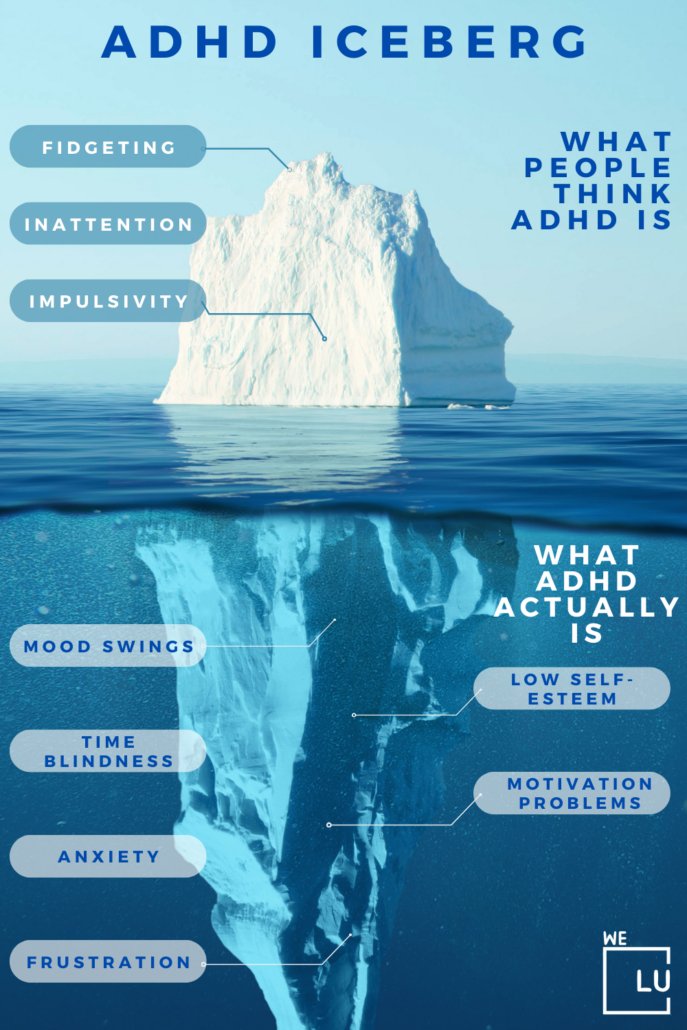
The ADHD iceberg shows that some signs of ADHD are easy to see, but many are hidden. The top part is what people notice first. This includes being fidgety, forgetting things, talking too much, or having trouble paying attention. These are visible signs. The bigger part of the ADHD iceberg is under the surface. These are hidden ADHD symptoms. They include trouble managing emotions, low self-esteem, feeling overwhelmed, and having a hard time planning or finishing tasks. People may look calm but feel stressed inside. Understanding both visible and hidden signs helps parents, teachers, and friends support people with ADHD better. Knowing the full ADHD iceberg makes life easier.
Table of Contents
Get Help. Get Better. Get Your Life Back.
Searching for Accredited Dual Diagnosis Mental Health Centers Near You?
Even if therapy failed previously, or are in the middle of a difficult crisis, we stand ready to support you. Our trusted behavioral health specialists will not give up on you. When you feel ready or just want someone to speak to about counseling alternatives to change your life call us. Even if we cannot assist you, we will lead you to wherever you can get support. There is no obligation. Call our hotline today.
FREE 24/7 Dual Diagnosis Mental Health Services HotlineWhat Is ADHD Iceberg?
The ADHD iceberg is a way to show that ADHD has two parts. The top part is what people see. This includes fidgeting, talking too much, forgetting things, or having trouble paying attention (CDC). These are the visible signs that teachers, parents, or friends often notice first. They are easy to see but only show a small part of the whole picture. People may be labeled as “lazy” or “hyperactive” when only the top of the iceberg is seen.
The bottom part of the ADHD iceberg is hidden. These are hidden ADHD symptoms that are not easy to see. They include trouble managing emotions, feeling stressed, low self-esteem, or having a hard time planning and finishing tasks (Understood.org). People may look calm and okay on the outside, but feel upset, anxious, or overwhelmed inside. Some may struggle with sleep, organization, or time management (NIH). This hidden part is often bigger than the visible part and can affect school, work, and relationships.
Understanding the full ADHD iceberg helps everyone give better support. Parents, teachers, and friends can be more patient and understanding. Doctors and counselors can also make better plans for therapy or help. When people learn about ADHD beyond surface traits, they can see the real challenges someone faces. This knowledge helps people with ADHD feel understood, supported, and less frustrated in school, work, or life (Psychology Today). Learning about both visible and hidden signs also reduces stigma and helps people get the care they need.
Signs You May Have ADHD Iceberg
Here are some common signs of ADHD. Some are easy to see, and some are hidden:
Visible signs: ‑ Trouble paying attention ‑ Fidgeting or moving a lot ‑ Acting without thinking ‑ Forgetting tasks or things ‑ Interrupting others
Hidden signs: ‑ Trouble managing emotions ‑ Feeling sad or low self-esteem ‑ Difficulty with planning or finishing tasks ‑ Getting overwhelmed easily ‑ Sensory sensitivity
These hidden symptoms can make life hard. They are just as real as the visible ones. Learning about them helps families and teachers give better support.

End the Emotional Pain. Get Your Life Back.
Feeling Depressed, Anxious or Struggling with Mental Health Illness? Get Safe Comfortable Mental Health Dual Diagnosis High-Quality Therapy From Counselors That Care. Begin Your Recovery Now.
Hotline (855) 940-6125ADHD Emotional Symptoms
ADHD is not just about paying attention or being hyper. It can also affect feelings. People with ADHD may have quick mood changes, feel frustrated easily, or get very upset over small things. They might feel sad or angry more often than others. These feelings can make school, work, and friendships harder. Sometimes, people with ADHD try to hide their emotions. When others understand these feelings, it is easier to help and support them.
Teachers, friends, and family can help by being patient and caring. Talking with a counselor or therapist can also make emotions easier to handle. Therapy can teach ways to calm down, cope with stress, and feel better. Getting help with both attention and feelings can make daily life easier. Understanding and support from others can help someone with ADHD do better at school, work, and with friends. Feeling safe to show emotions makes life less stressful and more manageable.
Why Hidden Symptoms Matter?
Many people think ADHD is only about behavior. But hidden symptoms can affect life even more than the visible signs. Trouble planning, staying organized, feeling stressed, or having low confidence can make learning and work much harder. People with ADHD may struggle with remembering tasks, managing time, or controlling emotions, even if they seem fine on the outside. These hidden struggles are often misunderstood, which can make the person feel frustrated or alone.
ADHD goes beyond what people can see. Real challenges are often hidden under the surface. Understanding this helps families, teachers, and friends respond with patience and care. It also helps doctors and therapists create stronger treatment plans that fit the person’s needs. Supportive environments make life easier and more positive. When others notice both the visible and hidden traits of ADHD, people feel understood and accepted. This understanding can lead to more success in school, work, and daily life, while also improving confidence and well-being.
First-class Facilities & Amenities
World-class High-Quality Mental Health Services & Behavioral Health Substance Abuse Treatment
Rehab Centers TourRenowned Mental Health Centers. Serene Private Facilities. Inpatient Rehab Programs Vary.
Mental Health Helpline (855) 940-6125Proven recovery success experience, backed by a Team w/ History of:
15+
Years of Unified Experience
100s
5-Star Reviews Across Our Centers
10K
Recovery Successes
- Comprehensive Dual-Diagnosis Treatment
- Complimentary Family & Alumni Programs
- Coaching, Recovery & Development Events
- Comfortable Onsite Medical Detox Center
How ADHD Iceberg Helps
The ADHD iceberg helps people see ADHD more completely. It shows both the visible signs, like fidgeting or forgetfulness, and the hidden struggles, like emotional challenges, trouble planning, or low self-confidence. When families understand the full picture, they can be more patient and supportive. Teachers can use better strategies in the classroom, and friends can respond with understanding instead of frustration.
Knowing about hidden ADHD symptoms helps reduce stress for everyone. People with ADHD feel less judged and more accepted. They can learn ways to manage both what shows on the surface and what is harder to see. The ADHD iceberg also encourages open conversations about struggles, feelings, and coping strategies. Learning about it gives families, teachers, and friends tools to help in daily life, making school, work, and relationships smoother. Seeing ADHD as more than just behavior allows everyone to offer stronger support and care.
Getting Help for ADHD
If you think someone has ADHD, a doctor or counselor can help. They look at behaviors and hidden traits. Assessment helps discover all challenges, visible and hidden.
Treatment may include therapy, coaching, and sometimes medication. Each person with ADHD has different needs. Understanding ADHD emotional symptoms is part of a full plan.
Support from family and teachers also helps. Everyone can work together to help the person manage symptoms and succeed in life.
World-class, Accredited, 5-Star Reviewed, Effective Mental Health Dual Diagnosis Programs. Complete Integrated Inpatient Rehab with Free Post Discharge Therapy Planning.
CALL (855) 940-6125End the Emotional Pain Rollercoaster. Gain Stability & Happiness Through Recovery Treatment. Start Mental Health Counseling Today. Get Free No-obligation Guidance by Behaviroal Health Specialists Who Understand Mental Health Recovery.
Benefits of Understanding the ADHD Iceberg
- Know both visible and hidden ADHD symptoms.
- Improve emotional support for children and adults.
- Reduce stress and frustration in school or work.
- Plan better therapies with professionals.
- Help people with ADHD succeed in life.
How to Get Started?
If you notice ADHD signs in yourself or a loved one, contact Insight Wellness & ADHD Support Center. Our team can help with assessment and personalized care. Call us at (888) 861-4486, email verifyadmissions@welevelup.com, or visit 8290 N University Dr, Tamarac, FL 33321. Early support helps improve daily life and emotional well-being.
Experience Transformative Recovery at the We Level Up Treatment Center.
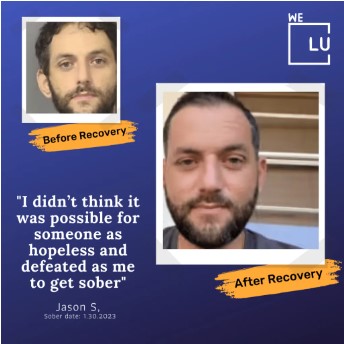
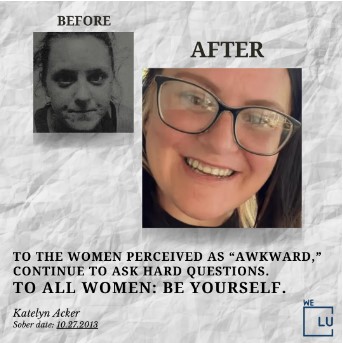
See our authentic success stories. Get inspired. Get the help you deserve.

Start a New Life
Begin with a free call to a behavioral health treatment advisor. Learn more about our dual-diagnosis programs. The We Level Up treatment center network delivers recovery programs that vary by each treatment facility. Call to learn more.
- Personalized Care
- Caring Accountable Staff
- Comfortable Amenities
- Licensed & Accredited
- Renowned w/ 5-Star Reviews
We’ll Call You
FAQs About ADHD Iceberg
What does the ADHD iceberg mean?
The ADHD iceberg shows that some ADHD signs are easy to see, but many are hidden. Hidden ADHD symptoms affect emotions, planning, focus, and confidence. It reminds us that ADHD is more than behavior and that understanding the invisible parts is key to giving proper support and care.
What are hidden ADHD symptoms?
Hidden symptoms include trouble with emotions, managing time, staying organized, low self-esteem, and feeling overwhelmed. They can make daily life harder even when outward behavior seems typical. Recognizing hidden symptoms helps families, teachers, and friends respond with patience and understanding.
Is emotional dysregulation part of ADHD?
Yes. ADHD emotional symptoms, like mood swings, frustration, and intense feelings, are part of the hidden ADHD traits. Managing emotions is often harder than managing visible behaviors, and support strategies can help improve relationships and daily life.
Can adults have ADHD?
Yes. Adults may have hidden challenges like planning, staying focused, managing emotions, or handling stress. Many adults with ADHD develop coping strategies, but understanding and support can make life easier and reduce frustration at work, home, and in relationships.
Can ADHD go undiagnosed?
Yes. Many people only see surface behaviors, so hidden traits may be missed. This can delay support, causing stress and low confidence. Awareness of both visible and hidden symptoms is important for proper evaluation and treatment.
How can I get help for ADHD?
A doctor, counselor, or therapist can assess ADHD and help with therapy, coaching, or skill-building. Support can include strategies for managing emotions, planning, time management, and self-confidence. Early help improves daily life, work, school, and relationships.