

Many people ask, Is depression genetic? If you feel sad for a long time, or if someone in your family has depression, this question can feel scary. You may wonder if you were born with it. You may worry about your children. You may even feel guilt or shame.
Let me say this clearly. Depression is not your fault. It is not a weakness. It is not a choice. Depression is a health condition. Genes can play a part, but they are not the whole story. In this guide, I will explain genetic depression causes, depression treatment, hereditary depression risk, family history depression, and depression genetic factors. I will also share what you can do next.
Table of Contents
What Is Depression?
Depression is a serious mood disorder. It affects how you feel, think, and act. It can make daily life feel heavy and slow. It can take away joy from things you once loved.
Many people with depression feel deep sadness that does not go away. They may feel empty or numb. They may cry often or feel like crying but cannot. These feelings can last for weeks or months.
Depression also affects the body. You may feel tired all the time. You may sleep too much or not sleep at all. Your appetite may change. Some people eat much more. Others eat very little. You may lose interest in friends, hobbies, or work.
Depression can also change how you think. You may feel hopeless about the future. You may blame yourself for things that are not your fault. In serious cases, a person may think about death or suicide. If that happens, it is very important to get help right away.

Is Depression Genetic?
Now let us answer the big question. Is depression genetic? The short answer is yes, but only partly. Research shows that depression can run in families. If your parent, brother, sister, or grandparent has depression, your risk may be higher. This is called hereditary depression risk. It means you may have a greater chance compared to someone with no family history of depression.
But genes do not decide your future. They only increase risk. Many people with depression, genetic factors, never develop depression. At the same time, some people with no family history depression still develop it. This shows that genes are only one piece of a larger puzzle.
Experts believe that about 30 to 40 percent of depression risk may come from genetic causes of depression. The rest comes from life events, stress, trauma, health problems, and daily habits. Your life experiences matter just as much as your genes.
World-class, Accredited, 5-Star Reviewed, Effective Mental Health Dual Diagnosis Programs. Complete Integrated Inpatient Rehab with Free Post Discharge Therapy Planning.
CALL (855) 940-6125End the Emotional Pain Rollercoaster. Gain Stability & Happiness Through Recovery Treatment. Start Mental Health Counseling Today. Get Free No-obligation Guidance by Behaviroal Health Specialists Who Understand Mental Health Recovery.
How Do Depression Genetic Factors Work?
There Is No Single Depression Gene
Many people think there is one gene that causes depression. That is not true. There is no single depression gene that turns the illness on or off.
Instead, scientists believe that many small gene changes can affect how the brain works. These small changes can affect mood, stress response, and brain chemicals. When several of these changes are present, the risk may increase.
These depression genetic factors may affect brain chemicals like serotonin and dopamine. These chemicals help control mood, sleep, and motivation. If they are out of balance, a person may feel sad, tired, or hopeless.
Genes and Stress Work Together
Genes alone usually do not cause depression. Often, stress acts as a trigger. If someone has a higher hereditary depression risk and then faces strong stress, the chance of depression may rise.
Stress can come from many sources. It can come from loss, trauma, money problems, or long-term illness. When stress lasts for a long time, it can change how the brain handles emotions. In someone with depression genetic factors, this change may be stronger.
This is why two people can go through the same event and react in different ways. One may recover quickly. The other may develop depression. Their genes and life history may shape how they respond.
What Does Family History Depression Mean?
Family history depression means that one or more close family members have had depression. This can include parents, siblings, grandparents, aunts, or uncles.
When depression runs in families, it may be due to shared genes. It may also be due to shared life experiences. Families often face similar stress, living conditions, and coping styles. All of these can affect mental health.
For example, if a parent has untreated depression, the home may feel tense or quiet. Children may not get enough emotional support. This does not mean the parent is to blame. It simply shows how the environment and genes can work together.
If you know that depression runs in your family, it does not mean you will develop it. It means you should pay attention to your mental health and seek help early if you notice changes.


End the Emotional Pain. Get Your Life Back.
Feeling Depressed, Anxious or Struggling with Mental Health Illness? Get Safe Comfortable Mental Health Dual Diagnosis High-Quality Therapy From Counselors That Care. Begin Your Recovery Now.
Hotline (855) 940-6125What Are Genetic Depression Causes?
Genetic depression refers to inherited traits that may increase risk. These traits may affect how the brain responds to stress. They may also affect how quickly a person recovers from sadness. Some people may have genes that make them more sensitive to stress. This means they feel stress more deeply. They may take longer to calm down after a hard event. Over time, this can increase the risk for depression.
Other genes may affect sleep patterns, energy levels, or mood balance. When these systems do not work well, it may be harder to handle daily life. Again, these genes increase risk but do not guarantee depression. It helps to think of genes as a loaded gun and stress as the trigger. The gun may be loaded, but without a trigger, nothing happens. Even if both are present, early support and treatment can change the outcome.
Can Depression Skip a Generation?
Yes, depression can skip a generation. You may see it in a grandparent and then again in a grandchild, even if the parent did not show symptoms.
Genes can pass through families in complex ways. A person can carry certain depression genetic factors without showing signs of depression. They may then pass those factors to their children.
This can make family history depression confusing. You may not see a clear pattern. That is why it helps to look at the bigger picture instead of focusing on one person.
Other Causes of Depression Besides Genes
Life Events and Trauma
Many people develop depression after a major life event. This can include the loss of a loved one, divorce, job loss, or serious illness. Trauma, such as abuse or violence, can also raise the risk.
These events can overwhelm the brain and body. If stress continues for a long time, it can change brain chemistry. Even without strong depression genetic factors, this can lead to depression.
Substance Use and Health Problems
Alcohol and drugs can increase the risk of depression. They change brain chemicals and can make the mood worse over time. Some people use substances to cope with sadness, but this often makes things worse.
Chronic health problems can also raise risk. Pain, hormone changes, and long-term illness can affect mood. When physical and mental health connect, symptoms can become stronger.
How Can You Lower Hereditary Depression Risk?
Even if you have a strong family history depression, you can take steps to protect your mental health. You are not powerless. Small daily habits can make a big difference over time.
You can focus on regular sleep. Try to go to bed and wake up at the same time each day. Sleep helps balance brain chemicals and supports emotional health.
Limiting alcohol and drugs can also lower risk. These substances may feel helpful at first but often increase sadness and anxiety later.
End the Emotional Pain. Get Your Life Back.
Feeling Depressed, Anxious or Struggling with Mental Health Illness? Get Safe Comfortable Mental Health Dual Diagnosis High-Quality Therapy From Counselors That Care. Begin Your Recovery Now.
Hotline (855) 940-6125When Should You Seek Help?
You should seek help if sadness lasts more than two weeks. You should also get support if you lose interest in things you once enjoyed. Changes in sleep, appetite, or energy are also warning signs. If you think about harming yourself, seek help right away. Call a crisis line or go to the nearest emergency room. Your life matters, and help is available.
Early treatment can make a big difference. The sooner you speak with a professional, the easier it may be to manage symptoms. You do not need to wait until things feel unbearable.
How Is Depression Treated?
Depression is treatable, even when depression genetic factors are present. Treatment can improve brain chemistry and teach new coping skills. Therapy is one common treatment. In therapy, you talk with a trained professional about your thoughts and feelings. You learn healthy ways to manage stress and negative thinking.
Medication may also help. Antidepressants can balance brain chemicals. A doctor can help decide if medication is right for you. Many people do best with a mix of therapy, medication, and lifestyle changes. If substance use is involved, treatment for addiction may also be needed.
If you or a loved one needs support, you can explore mental health treatment programs that offer therapy, medical care, and ongoing support in a safe setting.
First-class Facilities & Amenities
World-class High-Quality Mental Health Services & Behavioral Health Substance Abuse Treatment
Rehab Centers TourRenowned Mental Health Centers. Serene Private Facilities. Inpatient Rehab Programs Vary.
Mental Health Helpline (855) 940-6125Proven recovery success experience, backed by a Team w/ History of:
15+
Years of Unified Experience
100s
5-Star Reviews Across Our Centers
10K
Recovery Successes
- Comprehensive Dual-Diagnosis Treatment
- Complimentary Family & Alumni Programs
- Coaching, Recovery & Development Events
- Comfortable Onsite Medical Detox Center
FAQs
-
Is depression genetic or caused by life events?
Depression can be both. Depression genetic factors may increase risk, but life events and stress also play a large role.
-
If my parent has depression, will I get it?
Not always. Hereditary depression risk means a higher chance, not certainty. Many people with a family history of depression never develop the condition.
-
What percentage of depression is genetic?
Experts believe about 30 to 40 percent of risk may come from genetic causes of depression. The rest comes from environment and personal experiences.
-
Can children inherit depression?
Children can inherit depression genetic factors that increase the risk of depression. However, good support and early care can reduce that risk.
-
Can therapy help if depression is genetic?
Yes. Therapy helps people manage thoughts, emotions, and stress. It works even when genes play a role.
-
Should I get genetic testing for depression?
There is no single test that can predict depression. Many genes and life factors are involved, so testing alone cannot give clear answers.
You Are More Than Your Genes
If you have been asking, ” Is depression genetic, you may feel afraid about what the future holds. It is true that genetic depression causes and a family history of depression can increase risk. Still, genes do not control your life. With healthy habits, early support, and professional treatment, recovery is possible.
If you or someone you love is struggling, reach out today. Speak with a caring mental health professional and take the first step toward healing. You deserve hope, support, and a chance to feel better.
Clinical Depression Video. Depression Symptoms. Signs of Depression. Major Depressive Disorder Help.
Is depression genetics? Are you genetically depressed? To be diagnosed with depression, a person must experience a persistent low mood or loss of interest in most activities, lasting at least two weeks. Moreover, they may exhibit other symptoms, such as the following:
- Changes in appetite.
- Sleep disturbances.
- Fatigue.
- Feelings of worthlessness or guilt.
- Difficulty concentrating.
- Thoughts of self-harm or suicide.
A professional mental health evaluation is essential to accurately diagnose depression and determine the appropriate treatment, including therapy, medication, or a combination.
If you or a loved one is struggling with depression, anxiety, or other mental health disorder(s), call for a FREE consultation 24/7 at (561) 678-0917
Get FREE mental health treatment insurance check – https://welevelup.com/rehab-insurance/
Ready to get started? Call (888) 606-5120 or email verifyadmissions@welevelup.com today. A better life is waiting for you.
Experience Transformative Recovery at the We Level Up Treatment Center.
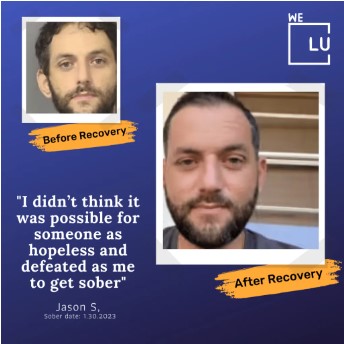
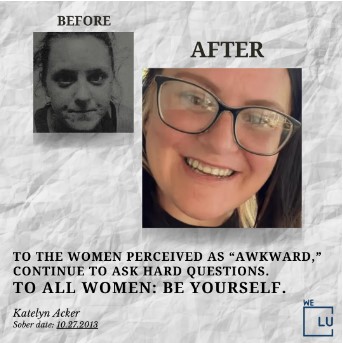
See our authentic success stories. Get inspired. Get the help you deserve.
Start a New Life
Begin with a free call to a behavioral health treatment advisor. Learn more about our dual-diagnosis programs. The We Level Up treatment center network delivers recovery programs that vary by each treatment facility. Call to learn more.
- Personalized Care
- Caring Accountable Staff
- Comfortable Amenities
- Licensed & Accredited
- Renowned w/ 5-Star Reviews