

Adjustment disorder with anxiety can feel very hard, especially when big life changes affect your feelings and daily life. Many people feel worry, fear, and stress after hard events, making daily tasks harder to do.
This short term anxiety disorder often starts after loss, big changes, or sudden problems. Without the right help, symptoms can get worse and affect your relationships, work, and daily life.
The good news is that help is available, and recovery is possible with proper care. At We Level Up FL, we offer kind, proven treatment to help you feel balanced again and improve your quality of life.
What Is Adjustment Disorder with Anxiety?
Having Adjustment disorder with anxiety is a response to a stressful life event that feels hard to handle or overcome. It often starts when a person goes through a big change, like a breakup, job loss, moving, or a health problem.
Stress is a normal part of life, but this condition happens when emotions feel stronger than expected. These feelings can affect daily routines, relationships, and how a person functions each day.
This is a mental health condition because it affects feelings, actions, and thoughts. People with adjustment disorder with anxiety may feel worry, fear, or unease tied to a specific stressor.
Unlike other anxiety disorders, symptoms are linked to a clear event or problem. This makes it more situational, but it still needs care and attention.
Many people feel overwhelmed or unable to cope with stress during this time. Even small tasks may feel too hard, and focusing can become difficult.
Some people may avoid others or skip responsibilities because of anxiety. This can affect both personal life and work life in negative ways.
Adjustment disorder with anxiety is usually short term, but it can still have strong effects. Symptoms often begin within three months of a stressful event and may last up to six months after it ends.
If stress continues or coping skills are weak, symptoms may last longer. This can increase the risk of more serious mental health problems over time.
People experience this condition in different ways based on their past and support systems. Things like past trauma, stress levels, and available help can affect how someone reacts.
Some people recover quickly, while others need more support to feel better. Knowing these differences helps choose the right care and support.
Getting help is important because symptoms can get worse without it. Trained professionals use CBT therapy to help people handle stress and learn better ways to cope.
Early help can stop the condition from turning into long term anxiety or major depression. Treatment also gives a safe space to talk and build strength for future challenges.
According to the National Institute of Mental Health, nearly one in five adults in the United States has a mental illness each year. This shows how common stress-related problems are and why early help matters.
Getting the right care can improve outcomes and reduce anxiety symptoms. Seeking help early can lead to recovery and better long-term emotional health.
Skip To:
Learn More:
- Anxiety Disorder Treatment, Types, Causes, and Symptoms
- High Functioning Anxiety Symptoms, Causes, and Treatment. What Is High-Functioning Anxiety?
- Learn the Different Types of Anxiety. 6 Types of Anxiety Disorders. Symptoms and Medications for the Different Types of Anxiety.
- Performance Anxiety, Causes, Symptoms, and Treatment. Male Performance Anxiety Solutions.
- Tapping for Anxiety: Does It Help with Stress? EFT Anxiety Tapping
- Guide to Mixed Anxiety and Depressive Disorder
- Simple & Easy 3-Minute Do I Have Social Anxiety Quiz
- Anxiety Rash, Symptoms, Treatment, and Prevention
- How to Deal With Crippling Anxiety? Crippling Anxiety Symptoms, Causes, and Treatment
- Social Anxiety Disorder, Symptoms, Risks, Treatments, and Diagnosis
Free Online Anxiety Quiz
Take the quiz below to explore if you may be experiencing symptoms associated with anxiety. This quiz is not a substitute for professional diagnosis, so seek guidance from a mental health professional for an accurate assessment.
Get adjustment with anxiety counseling that works. Discover professional help from We Level Up Florida’s mental health therapists. Start getting support with a free call to our mental health hotline.
Get Help. Get Better. Get Your Life Back.
Searching for Accredited Dual Diagnosis Mental Health Centers Near You?
Even if therapy failed previously, or are in the middle of a difficult crisis, we stand ready to support you. Our trusted behavioral health specialists will not give up on you. When you feel ready or just want someone to speak to about counseling alternatives to change your life call us. Even if we cannot assist you, we will lead you to wherever you can get support. There is no obligation. Call our hotline today.
FREE 24/7 Dual Diagnosis Mental Health Services HotlineSigns You May Need Adjustment Disorder with Anxiety Treatment
Recognizing symptoms early can help you get help before things get worse. Common signs include:
- Ongoing worry or fear about a stressful event or situation
- Trouble focusing or making decisions due to anxiety
- Sleep problems, like trouble falling asleep or waking often
- Headaches, feeling tired, or tight muscles
- Avoiding situations that cause stress or discomfort
- Feeling irritable, restless, or always on edge
- Occasional panic attacks or sudden strong fear
If these symptoms of adjustment disorder affect your quality of life, you may need help. Early treatment for can stop symptoms from getting worse.
Support from trained experts gives you care that fits your needs. Getting help is a strong step toward balance and long-term wellness.
Why Choose We Level Up FL for Adjustment Disorder with Anxiety Treatment?
Choosing the right center is very important for recovery. This is more important when dealing with stress-related anxiety disorder causes. At We Level Up FL, we help with both feelings and body health so you can feel better.
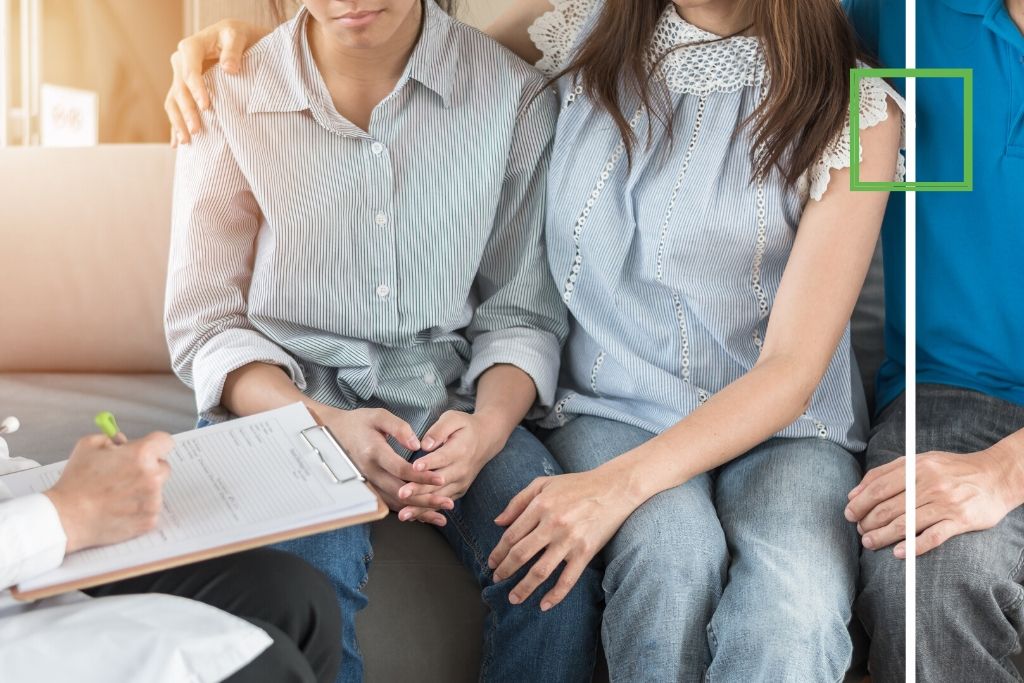
Our team includes therapists, doctors, and support staff who truly care about you and your recovery. We make care plans that fit each person’s needs, goals, and life situation.
We offer helpful care like cognitive behavioral therapy (CBT), group therapy, and simple wellness programs. We also include each family member so they can understand and support healing.
Our programs also help with other related problems to give full care to each person. With strong support and expert help, clients learn simple skills for coping with adjustment disorder every day.
What Medications Treat Adjustment Disorder With Anxiety?
While there is no specific medication approved solely for the treatment of adjustment disorder with anxiety, doctors may prescribe certain medications to alleviate symptoms. Commonly prescribed medications include:
- Antidepressants: Selective serotonin reuptake inhibitors (SSRIs) or serotonin-norepinephrine reuptake inhibitors (SNRIs) may be used to address symptoms of anxiety and depression.
- Anti-Anxiety Medications: Benzodiazepines, such as lorazepam or clonazepam, may be prescribed for short-term relief of anxiety symptoms. However, they are generally used cautiously due to the risk of dependence.
- Beta-Blockers: These medications, like propranolol, may be prescribed to manage physical symptoms of anxiety, such as rapid heartbeat or trembling.
The choice of medication depends on the specific symptoms and needs of the individual. It’s essential to consult a healthcare professional to determine the most suitable treatment plan, considering potential side effects and interactions.
Antidepressant Withdrawal Timeline
How Long Does Antidepressant Withdrawal Last?
- In the first days after the antidepressant’s discontinuation, some persons may start to experience symptoms. Among them include headaches, dizziness, agitation, mood swings, and flu-like symptoms. Symptoms typically begin to show up earlier with short-acting antidepressants.
- During the second week, some patients may have more pronounced mood swings, increased anxiety, and difficulty falling asleep as their symptoms get worse. Additionally, there can be bodily complaints, including nausea and stomach issues.
- Withdrawal symptoms peak for some people between 2-4 weeks. Anger, worry, and depression are examples of emotional symptoms that might get worse. Physical symptoms like nausea and vertigo might persist.
Four Weeks and Beyond: Over the following several weeks, the symptoms gradually disappear for many people.