

When the seasons change, some people feel more than just cold weather. They feel deep sadness, low energy, and loss of interest in daily life. This condition is called seasonal affective disorder, often known as SAD. It usually happens in fall and winter when daylight hours become shorter.
If you are trying to cope with seasonal affective disorder, you are not alone. Many people struggle during the darker months. The good news is that winter depression help is available. In this guide, we will explain seasonal affective disorder coping tools in simple words and share clear steps that can make a real difference.
Skip to:
What Is Seasonal Affective Disorder?
Seasonal affective disorder is a type of depression linked to changes in seasons. Most people feel symptoms in late fall and winter. Symptoms often improve in spring when days grow longer and brighter.
Doctors believe SAD is connected to lower sunlight exposure. Less sunlight can affect brain chemicals that control mood and sleep. Your body clock may also shift during the winter months. This can cause tiredness and low motivation. Seasonal depression treatment focuses on restoring balance in the brain and body. Understanding the condition is the first step toward relief.
Get Help. Get Better. Get Your Life Back.
Searching for Accredited Dual Diagnosis Mental Health Centers Near You?
Even if therapy failed previously, or are in the middle of a difficult crisis, we stand ready to support you. Our trusted behavioral health specialists will not give up on you. When you feel ready or just want someone to speak to about counseling alternatives to change your life call us. Even if we cannot assist you, we will lead you to wherever you can get support. There is no obligation. Call our hotline today.
FREE 24/7 Dual Diagnosis Mental Health Services HotlineSigns You May Need Winter Depression Help
SAD symptoms often look like depression. They may start slowly and grow stronger over time. Many people blame themselves or think they are just tired.
Common symptoms include.
- Feeling sad most days
- Low energy or heavy body feeling
- Sleeping more than usual
- Craving carbohydrates or sweets
- Weight gain
- Trouble focusing
- Loss of interest in activities
If these signs return every winter, it may be seasonal affective disorder. Early support makes coping easier.

Why Seasonal Changes Affect Mood
Sunlight plays an important role in mood regulation. When daylight decreases, your brain may produce less serotonin. Serotonin helps you feel calm and balanced. Less sunlight may also increase melatonin, which controls sleep. Higher melatonin levels can make you feel sleepy during the day. This shift explains why people with SAD often feel tired even after rest.
Cold weather can also reduce outdoor activity. Less movement and social time can increase isolation. These combined factors create long-term low mood during the winter months.

How to Cope With Seasonal Affective Disorder
Learning how to cope with seasonal affective disorder involves daily habits, medical care, and emotional support. Small changes can add up over time.
Increase Light Exposure
Light therapy is one of the most common seasonal depression treatment options. A special light box mimics natural sunlight. Sitting near it for about 20 to 30 minutes each morning can improve mood. You can also increase natural light at home. Open curtains early. Sit near windows. Spend time outdoors during daylight hours, even if it is cold.
Morning walks help reset your body clock. Fresh air and sunlight together boost mood and energy.

End the Emotional Pain. Get Your Life Back.
Feeling Depressed, Anxious or Struggling with Mental Health Illness? Get Safe Comfortable Mental Health Dual Diagnosis High-Quality Therapy From Counselors That Care. Begin Your Recovery Now.
Hotline (855) 940-6125Build a Simple Daily Routine
Routine gives structure during low-mood periods. Waking up and going to bed at the same time helps regulate sleep patterns. Regular meals stabilize energy levels. Plan one small positive activity each day. This could be calling a friend, reading or cooking a healthy meal. Simple goals reduce overwhelm and create a sense of progress.
Avoid staying in bed during the day. Even gentle movement improves mood over time. These SAD management strategies work best together. Track what helps you most. Small daily habits build big relief over time.

Seasonal Affective Disorder Coping Through Lifestyle Changes
Healthy habits support brain balance. These habits do not cure SAD alone, but they strengthen other treatments.
Stay Physically Active
Exercise increases natural mood chemicals. You do not need intense workouts. A 20-minute walk, stretching or light yoga helps. Indoor activities such as home workouts or gym visits work well during winter. Movement reduces stress and improves sleep quality.
Eat Balanced Meals
Winter cravings often focus on sugary or starchy foods. While comfort foods feel good at first, too much sugar may worsen energy crashes. Try balanced meals with protein, vegetables and whole grains. Regular meals support steady blood sugar and a stable mood.
First-class Facilities & Amenities
World-class High-Quality Mental Health Services & Behavioral Health Substance Abuse Treatment
Rehab Centers TourRenowned Mental Health Centers. Serene Private Facilities. Inpatient Rehab Programs Vary.
Mental Health Helpline (855) 940-6125Proven recovery success experience, backed by a Team w/ History of:
15+
Years of Unified Experience
100s
5-Star Reviews Across Our Centers
10K
Recovery Successes
- Comprehensive Dual-Diagnosis Treatment
- Complimentary Family & Alumni Programs
- Coaching, Recovery & Development Events
- Comfortable Onsite Medical Detox Center
Stay Socially Connected
Isolation can deepen sadness. Even when motivation feels low, staying connected matters. Schedule short visits with friends or family. If leaving home feels hard, consider phone or video calls. Support groups also provide comfort and understanding.
Professional Seasonal Depression Treatment
If lifestyle changes do not bring relief, professional support can help. Seeking care shows strength, not weakness.
Therapy for SAD
Talk therapy helps change negative thinking patterns. Cognitive behavioral therapy teaches practical coping skills. Therapy sessions provide a safe space to discuss stress, loneliness or life changes. Many people see improvement within weeks. You can explore our depression treatment services for more support options.
Medication Options
Some people benefit from antidepressant medication. These medications help balance brain chemicals linked to mood. A doctor will assess your health history before prescribing anything. Medication may be short term during winter months or longer based on need.
Integrated Mental Health Care
If seasonal affective disorder occurs alongside substance use, anxiety, or other conditions, integrated care works best. Treating all conditions together improves recovery. Our mental health programs address both mood and substance use concerns at the same time.
World-class, Accredited, 5-Star Reviewed, Effective Mental Health Dual Diagnosis Programs. Complete Integrated Inpatient Rehab with Free Post Discharge Therapy Planning.
CALL (855) 940-6125End the Emotional Pain Rollercoaster. Gain Stability & Happiness Through Recovery Treatment. Start Mental Health Counseling Today. Get Free No-obligation Guidance by Behaviroal Health Specialists Who Understand Mental Health Recovery.
Planning Ahead for the Winter Months
If you have experienced SAD before, preparing early can reduce symptoms. Begin light therapy before winter starts. Schedule therapy sessions ahead of time. Stock your home with healthy foods. Plan indoor activities you enjoy. Arrange social gatherings in advance so you do not withdraw later.
Being proactive creates a sense of control. Planning reduces the shock when mood changes begin.
When to Seek Immediate Help
While seasonal affective disorder is common, severe depression requires urgent care. Seek help right away if you experience.
- Thoughts of self-harm
- Feeling hopeless most of the day
- Loss of interest in everything
- Difficulty functioning at work or home
You deserve support during difficult seasons. Reaching out can save lives.
Frequently Asked Questions
What causes seasonal affective disorder?
Less sunlight in fall and winter changes brain chemicals and your body’s clock. This brings low mood and tiredness.
How can I tell if I have SAD?
Look for low energy, sadness, oversleeping or overeating that starts each fall and lifts in spring.
Does light therapy really help?
Yes, many feel better after daily use of a bright light box. It mimics the sun and boosts mood chemicals.
Can exercise help with winter depression?
Yes, moving your body raises feel-good chemicals. Outdoor walks add light exposure too.
Should I take medicine for SAD?
Talk to a doctor. Antidepressants help with severe cases. They work well with therapy and lifestyle changes.
Are there ways to prevent SAD?
Start habits early like more light, exercise, and steady routines. Vitamin D checks help too.
Ready to Get Started?
Seasonal affective disorder makes winters feel long and heavy, but you hold the power to cope with seasonal affective disorder. Light, movement, healthy habits, therapy and support bring real calm and energy back. Many people just like you turn dark days brighter with these steps. You deserve to feel good no matter the season. If low mood weighs on you or a loved one take a kind first step today. Call our caring hotline for a free, gentle chat. We Level Up FL offers help to guide you toward steadier, happier times. Reach out now – brighter days are waiting for you.
Ready to get started? Call (888) 606-5120 or email verifyadmissions@welevelup.com today. A better life is waiting for you.
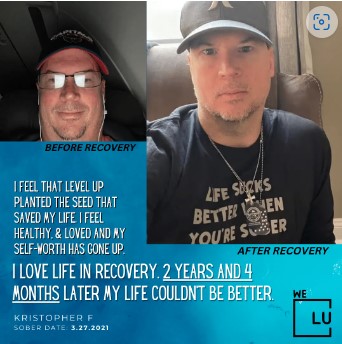
Experience Transformative Recovery at the We Level Up Treatment Center.
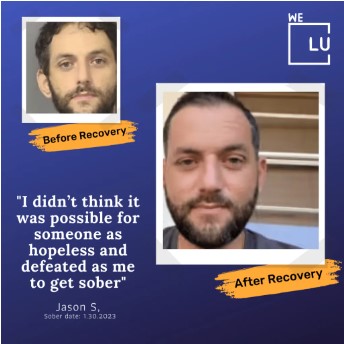
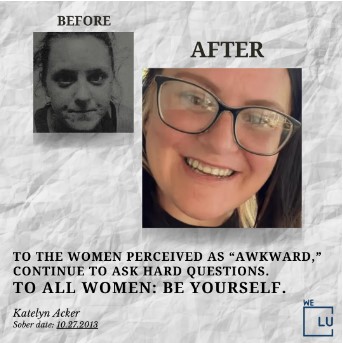
See our authentic success stories. Get inspired. Get the help you deserve.
Start a New Life
Begin with a free call to a behavioral health treatment advisor. Learn more about our dual-diagnosis programs. The We Level Up treatment center network delivers recovery programs that vary by each treatment facility. Call to learn more.
- Personalized Care
- Caring Accountable Staff
- Comfortable Amenities
- Licensed & Accredited
- Renowned w/ 5-Star Reviews