

Anxiety Symptoms, Causes, and Treatment Options Guide
Preocuparse es una parte normal de la vida a veces. Sin embargo, las personas con trastornos de ansiedad a menudo experimentan ansiedad y miedo intensos, excesivos y persistentes sobre situaciones cotidianas. Continúa leyendo para aprender más sobre los transtornos de ansiedad.
Editor Yamilla Francese
Clinically Reviewed by Lauren Barry, LMFT, MCAP, QS
Medically Reviewed by Ali Nikbakht, PsyD
Updated on May 13, 2026 — Editorial Policy | Research Policy
Anxiety can feel overwhelming, affecting how you think, feel, and function in daily life. It can make simple tasks feel harder and cause worry that does not go away easily. Many people experience it at some point, but persistent symptoms can disrupt relationships, work, and overall well-being.
Understanding its symptoms and treatment options is essential for regaining control and improving mental health outcomes. Learning more about anxiety can help you notice early signs and know when to ask for help. When left untreated, anxiety can worsen and lead to other conditions.
At We Level Up FL, we provide care designed to help individuals overcome anxiety and rebuild a balanced, fulfilling life. Our team is here to guide you toward feeling better each day.
What Is Anxiety?
Anxiety is a normal response to stress, but it becomes a problem when worry does not go away. It can cause fear, nervousness, or unease that affects both the mind and body. Many people have anxiety disorder symptoms that go beyond everyday stress and need professional help. These symptoms can be different for each person based on their life and experiences.
Anxiety disorders include conditions like generalized anxiety disorder (GAD), panic disorder, and social anxiety disorder. Each one has its own challenges, but all involve strong worry and fear that is hard to control. People with anxiety disorders may find it hard to complete daily tasks or enjoy social situations. This can affect their quality of life without proper treatment.
Physical symptoms of anxiety are also common and may include chest pain, shortness of breath, fast heartbeat, and tiredness. These physical symptoms can feel like other health problems, which may confuse people. Feeling anxious often can also cause trouble sleeping, irritability, and poor focus. Over time, these symptoms can lead to more stress and health issues.
Psychological therapy is a helpful way to treat both emotional and physical symptoms. Cognitive behavior therapy (CBT) helps people notice negative thoughts and change them into healthier ones. Talk therapy helps people understand their feelings and learn ways to handle triggers. Relaxation techniques are often used to support recovery and reduce stress.
Short term anxiety can happen during stressful events, but long-term anxiety needs more care and support. Mental health professionals review symptoms and create plans that fit each person’s needs. Treatment may include therapy, medication, or both. Getting help early can improve recovery and lower the risk of future problems.
Professional treatment is important because it can get worse without help. It can affect both mental and physical health over time. Treatment programs teach skills to manage symptoms and handle stress better. Primary care providers may send patients to specialists if symptoms do not improve. Early care can stop it from becoming a long-term condition.
The National Institute of Mental Health reports that anxiety disorders affect over 19% of adults each year. This shows how common it is and why treatment matters. Many people do not get help due to fear or lack of knowledge. Learning about its symptoms and treatment can help more people seek care.

Skip To:
Learn More:
- Do Crystals For Depression Work?
- Depression and ADHD: What’s the Link?
- Autism and Depression Connection, Diagnosis & Treatment
- Signs of Depression in Men, Causes, & What to Know
- Rehab for Depression & Anxiety Treatment
- What is the Best SSRI for Anxiety?
- Social Anxiety Disorder
- Grounding Techniques for Anxiety Attacks
- Mental Health Poems that are Powerful and Healing
- Short-Term Disability Mental Health
Get Help. Get Better. Get Your Life Back.
Searching for Accredited Dual Diagnosis Mental Health Centers Near You?
Even if therapy failed previously, or are in the middle of a difficult crisis, we stand ready to support you. Our trusted behavioral health specialists will not give up on you. When you feel ready or just want someone to speak to about counseling alternatives to change your life call us. Even if we cannot assist you, we will lead you to wherever you can get support. There is no obligation. Call our hotline today.
FREE 24/7 Dual Diagnosis Mental Health Services HotlineFacts About Anxiety
What is Anxiety?
Worrying is a normal part of life sometimes. However, people with anxiety disorders often experience intense, excessive, and persistent anxiety and fear about everyday situations.
Symptoms of Anxiety
Behavioral: hypervigilance, irritability, or restlessness.
Cognitive: lack of concentration, racing thoughts, or unwanted thoughts.
Physical: fatigue or sweating.
Others: anxiety, excessive worry, angina, fear, insomnia, nausea, palpitations, or tremors.
Support group: A place where people struggling with the same illness or goal, such as weight loss or depression, can receive counseling and share experiences.
Cognitive behavioral therapy: A talk therapy approach that aims to change negative attitudes, actions, and feelings related to mental health issues.
Counseling psychology: A subfield of psychology that addresses personal problems connected to work, school, family, and social life.
Anger management: To reduce destructive emotional outbursts, practice mindfulness, coping skills, and trigger avoidance.
Psychoeducation: Mental health education that also helps people feel supported, validated, and empowered.
Family therapy: Psychological counseling that improves family communication and conflict resolution.
Statistics on Anxiety
Anxiety disorders are often characterized by sudden episodes of intense anxiety and feelings of fear or dread that culminate within minutes (panic attacks). These feelings of anxiety and panic are debilitating, difficult to control, exceed the level of actual danger, and can persist for extended periods.
6.8 million
GAD affects 6.8 million adults or 3.1% of the US population, but only 43.2% receive treatment.
Source: National Institute on Mental Health
10.3 %
19 million adults experience specific phobias, making it the most common anxiety disorder in the United States.
Source: ADAA, 2020
17.3 million
Major depressive disorder affects approximately 17.3 million American adults, or about 7.1% of the U.S. population aged 18 and over.
Source: National Institute of Mental Health

What Are The Different Types of Anxiety
Generalized Anxiety Disorder (GAD)
Generalized anxiety disorder GAD causes constant worry about everyday life, even when there is little reason. People may find it hard to control their thoughts and feel anxious most of the time. They may also have physical symptoms like tiredness, muscle tension, and sleep problems. Treating anxiety in GAD often includes therapy, medication, and healthy habits.
Panic Disorder
Panic disorder includes repeated panic attack episodes that happen suddenly. A panic attack may cause strong fear, chest pain, shortness of breath, and loss of control. These events can feel very scary and may lead people to avoid certain places. Treatment often includes CBT and exposure therapy.
Social Anxiety Disorder
Social anxiety disorder causes fear of being judged in social situations. People may avoid talking, meeting others, or speaking in public. This can affect work, relationships, and self-confidence. Psychological therapy helps people feel safer and more confident around others.
Specific Phobias
Specific phobias are strong fears of certain things like heights, animals, or flying. These fears may not match the real danger but still feel very real. People may avoid these triggers, which can limit their life experiences. Treatment includes gradual exposure and coping skills.
Separation Anxiety Disorder
Separation anxiety disorder involves fear of being away from loved ones or familiar places. It is common in children but can affect adults too. This fear can make it hard to be alone or go to new places. Therapy helps people feel more secure and independent.

End the Emotional Pain. Get Your Life Back.
Feeling Depressed, Anxious or Struggling with Mental Health Illness? Get Safe Comfortable Mental Health Dual Diagnosis High-Quality Therapy From Counselors That Care. Begin Your Recovery Now.
Hotline (855) 940-6125Signs You May Need Anxiety Treatment
- Ongoing feelings of anxiety that affect daily life.
- Frequent panic attack symptoms like chest pain and shortness of breath.
- Avoiding social situations due to fear or worry.
- Trouble sleeping, focusing, or staying calm.
- Physical symptoms like headaches or tiredness.
- Mood changes or irritability from stress.
- Using unhealthy ways to cope with feelings.
How Do I Know If I Have Anxiety? Anxiety Test
Depression and Anxiety Test: Anxiety and depression test (anxiety attack test)

Esta breve prueba ayudará a determinar si es posible que necesite ver a un profesional de la salud mental para el diagnóstico y tratamiento de un trastorno de ansiedad. Solo un profesional de la salud mental puede diagnosticar con precisión la ansiedad crónica y, si es necesario, recomendar un plan de tratamiento.
First-class Facilities & Amenities
World-class High-Quality Mental Health Services & Behavioral Health Substance Abuse Treatment
Rehab Centers TourRenowned Mental Health Centers. Serene Private Facilities. Inpatient Rehab Programs Vary.
Mental Health Helpline (855) 940-6125Proven recovery success experience, backed by a Team w/ History of:
15+
Years of Unified Experience
100s
5-Star Reviews Across Our Centers
10K
Recovery Successes
- Comprehensive Dual-Diagnosis Treatment
- Complimentary Family & Alumni Programs
- Coaching, Recovery & Development Events
- Comfortable Onsite Medical Detox Center
Why Choose We Level Up FL for Anxiety Treatment?
We Level Up FL offers complete and caring treatment for anxiety. Our programs combine psychological therapy with medical care to treat all symptoms. We have trained mental health professionals who understand different anxiety disorders. Each person gets care that fits their needs and recovery goals.
We provide CBT, talk therapy, and whole-person care. These methods help people manage thoughts, feelings, and behaviors. Clients learn skills to handle stress and improve daily life. This approach helps support long-term recovery and better health.
We also treat other mental health conditions that may happen with anxiety. Our goal is to help clients feel better and live more balanced lives. We focus on both short term relief and long-term success. Our team creates a safe and supportive place for healing.

World-class, Accredited, 5-Star Reviewed, Effective Mental Health Dual Diagnosis Programs. Complete Integrated Inpatient Rehab with Free Post Discharge Therapy Planning.
CALL (855) 940-6125End the Emotional Pain Rollercoaster. Gain Stability & Happiness Through Recovery Treatment. Start Mental Health Counseling Today. Get Free No-obligation Guidance by Behaviroal Health Specialists Who Understand Mental Health Recovery.
What to Expect During Anxiety Treatment
Treatment starts with a full check by mental health professionals. They review anxiety disorder symptoms, health history, and lifestyle factors. Then, they create a plan that fits the person’s needs. This helps make treatment clear and effective.
Therapy is a key part of treatment and may include CBT and talk therapy. These help people change negative thoughts and learn coping skills. Relaxation techniques help reduce stress and physical symptoms. Over time, people gain more control over their anxiety.
Some people may need medication to help manage strong symptoms. Doctors watch progress to make sure treatment works well and limit side effects. This helps treat both the mind and body. Plans can change as needed for better results.
Relapse prevention helps people stay well after treatment ends. Clients learn ways to manage triggers and handle stress on their own. Follow-up care offers ongoing support. This helps people stay confident and continue their progress.
Benefits of Anxiety Treatment
- Better control of stress and emotions in daily life.
- Fewer physical symptoms like chest pain and shortness of breath.
- Strong coping skills from psychological therapy for anxiety.
- More confidence in social situations and relationships.
- Personalized care plans for each person.
- Long-term support to prevent relapse.
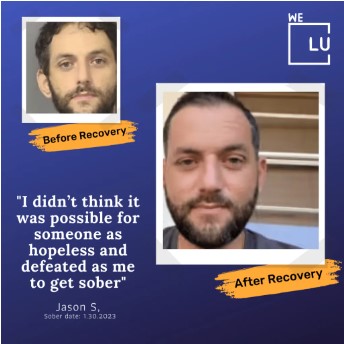
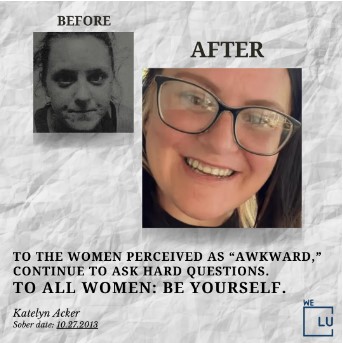
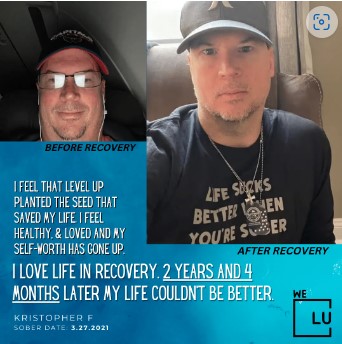
Experience Transformative Recovery at the We Level Up Treatment Center.
See our authentic success stories. Get inspired. Get the help you deserve.
Start a New Life
Begin with a free call to a behavioral health treatment advisor. Learn more about our dual-diagnosis programs. The We Level Up treatment center network delivers recovery programs that vary by each treatment facility. Call to learn more.
- Personalized Care
- Caring Accountable Staff
- Comfortable Amenities
- Licensed & Accredited
- Renowned w/ 5-Star Reviews
We’ll Call You
FAQs About Anxiety
-
What are common anxiety disorder symptoms?
Anxiety disorder symptoms include worry, restlessness, tiredness, and trouble focusing. Many people also feel physical symptoms like chest pain and shortness of breath. These can affect daily life and make tasks harder. Getting treatment early can help improve health and well-being.
-
What is the best treatment for anxiety?
The best treatment often includes CBT, medication, and lifestyle changes. Psychological therapy for helps people manage thoughts and feelings. Treatment plans depend on each person’s needs. Mental health professionals guide the best care options.
-
Can anxiety cause physical health problems?
Yes, it can cause headaches, muscle tension, and stomach problems. Long-term anxiety may affect heart health due to stress. These physical symptoms can get worse without treatment. Treatment for anxiety can help improve overall health.
-
How does CBT help in treating anxiety?
CBT helps people change negative thinking patterns. It teaches new ways to respond to stress. People also learn coping skills for daily life. CBT is very helpful for treating anxiety.
-
What triggers a panic attack?
A panic attack may be caused by stress, fear, or certain situations. Sometimes, it happens without warning. Symptoms include chest pain, shortness of breath, and fear. Learning triggers can help reduce attacks.
-
Is anxiety a long-term condition?
It can be short term or long term. Some people feel it during stress, while others have ongoing symptoms. With treatment, many people manage anxiety well. Early care helps prevent long-term problems.
-
When should I seek professional help for anxiety?
You should seek help if it affects daily life or relationships. Frequent panic attack episodes or strong fear are warning signs. Mental health professionals can help with diagnosis and treatment. Early help leads to better results.
-
Can lifestyle changes help reduce anxiety?
Yes, exercise, healthy food, and relaxation techniques can help. Breathing exercises and mindfulness reduce stress. These methods work well with therapy. Together, they improve treatment results.
How to Get Started with Anxiety Treatment
Starting treatment for anxiety begins with reaching out for help. You can talk to professionals about your symptoms and goals. They will guide you through your options by identifying anxiety symptoms and treatment. This first step can feel hard but is very important.
Checking insurance and program options can make care easier to access. Support is available to help you begin your journey. Taking action now can improve your mental health and daily life.
At We Level Up FL, we help people overcome anxiety with caring and proven treatment. If you or someone you love needs help, support is here. Recovery is possible, and you do not have to do it alone. Call (888) 606-5120 today to start your path to a healthier life.
Search We Level Up FL Ansiedad Resources
Sources
[1] We Level Up FL – Anxiety Treatment Fort Lauderdale – https://welevelupfl.com/anxiety-treatment-fort-lauderdale/
[2] MedlinePlus – Anxiety Disorders – https://medlineplus.gov/ency/article/000917.htm
[3] National Institute of Mental Health – Anxiety Disorders – https://www.nimh.nih.gov/health/topics/anxiety-disorders
[4] Harvard Health Publishing – Panic Disorders – https://www.health.harvard.edu/a_to_z/panic-disorders-a-to-z
[5] Boston University Center for Anxiety and Related Disorders – Social Anxiety Disorder – https://www.bu.edu/card/adult-treatment-at-card/conditions-we-treat-adults/social-anxiety-disorder/