

Arguing with a Bipolar Person
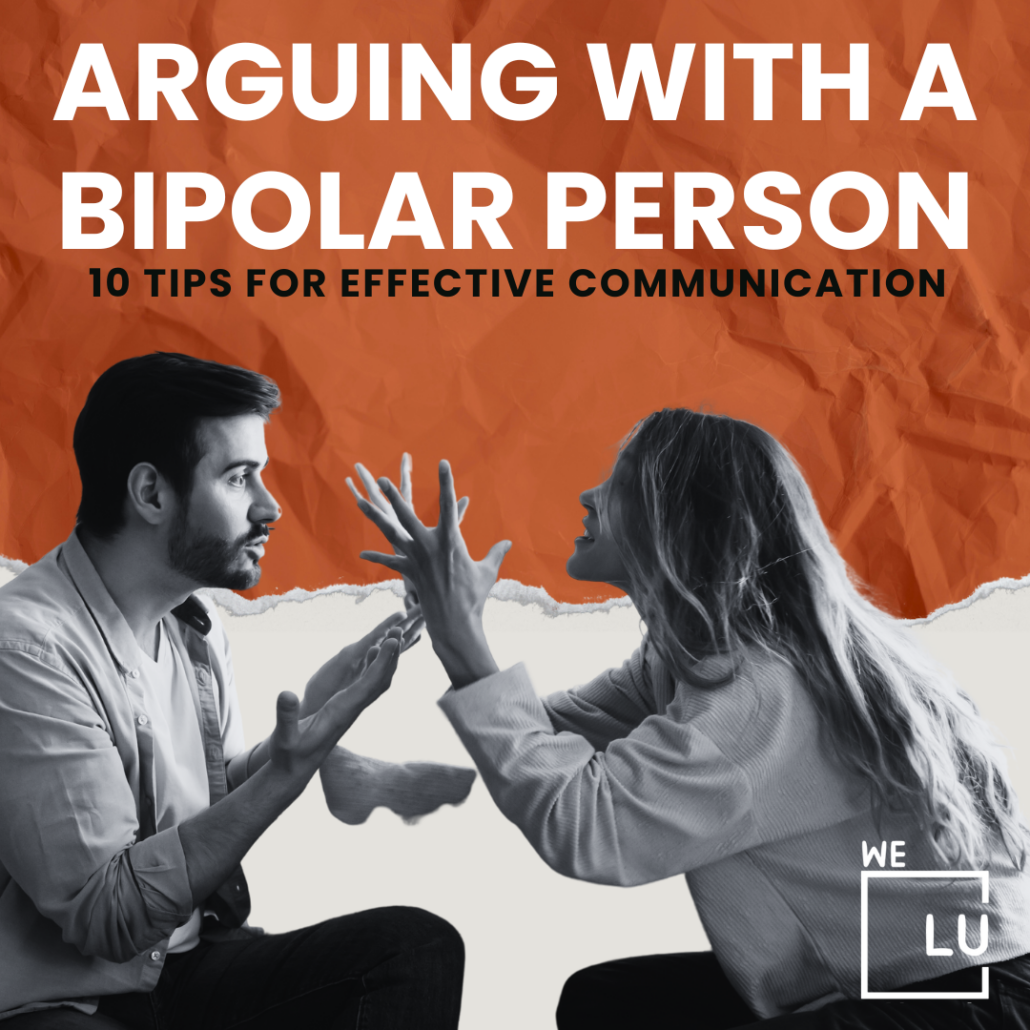
Arguing with a bipolar person can feel hard and stressful, and it may seem like things change fast during a talk. One moment may feel calm, and the next may feel tense or emotional. This can make it hard to know what to say or do. Many people feel confused or upset after these moments, and this can affect the relationship over time. The good news is that there are ways to handle this with care and calm. At We Level Up Tamarac FL, we understand how these problems affect daily life, and we are here to help you learn simple ways to talk, listen, and reduce conflict.
Ready to get started? Call (888) 861-4486 or email verifyadmissions@welevelup.comtoday. A better life is waiting for you.
Table of Contents
What Happens During Bipolar Arguments?
Bipolar disorder can affect mood, energy, and behavior, and this can change how a person reacts in an argument. During some moods, a person may feel more angry, upset, or sensitive. They may react fast or have trouble listening. At other times, they may feel low or quiet, which can also affect how they respond. These changes can make arguments feel strong and hard to manage.
Why Choose We Level Up for Relationship Support?
At We Level Up, we help people learn how to handle conflict in a calm and safe way. We know that arguing with a bipolar person is not just about words, but also about feelings. Our team offers support, therapy, and tools that help improve how people talk and listen. We provide a safe space where both people can feel heard and respected. Our goal is to help you build a stronger and healthier relationship.
Ready to get started? Call (888) 606-5120 or email verifyadmissions@welevelup.com today. A better life is waiting for you.
What to Expect During Support and Therapy
Support starts with learning about your situation and how arguments happen in your life. Our team will ask about your stress, triggers, and how you talk with each other. This helps us guide you in the right way. Therapy teaches simple skills to stay calm, listen better, and speak clearly. You will learn bipolar communication tips that help lower stress and improve talks. Over time, this can help reduce arguments and build trust.
Get Help. Get Better. Get Your Life Back.
Searching for Accredited Dual Diagnosis Mental Health Centers Near You?
Even if therapy failed previously, or are in the middle of a difficult crisis, we stand ready to support you. Our trusted behavioral health specialists will not give up on you. When you feel ready or just want someone to speak to about counseling alternatives to change your life call us. Even if we cannot assist you, we will lead you to wherever you can get support. There is no obligation. Call our hotline today.
FREE 24/7 Dual Diagnosis Mental Health Services HotlineBipolar Disorder Facts
Bipolar Disorder:
- Mood Episodes: Characterized by distinct episodes of mania/hypomania and depression.
- Duration: Mood episodes can last for days, weeks, or months.
- Triggers: Episodes can occur without external triggers, and mood shifts are often unrelated to specific events.
- Self-Image: Individuals typically have a stable sense of self and identity.
- Impulsivity: Impulsive behaviors may occur during manic episodes.
- Treatment: Mood-stabilizing medications are often prescribed, along with psychotherapy.
Types of bipolar disorder:
There are several types of bipolar disorder, including:
- Bipolar I disorder: Characterized by manic episodes lasting at least seven days or severe manic symptoms requiring immediate hospitalization.
- Bipolar II disorder: Involves a pattern of depressive episodes and hypomanic episodes, but not full-blown mania.
- Cyclothymic disorder: Marked by numerous periods of hypomanic and depressive symptoms that last for at least two years (one year for children and adolescents).
Symptoms:
The symptoms of bipolar disorder vary depending on the mood episode:
- Manic episodes: Elevated mood, increased energy, racing thoughts, impulsivity, decreased need for sleep, excessive talking, grandiosity, and risky behavior.
- Hypomanic episodes: Similar to manic episodes but with less severity and a shorter duration.
- Depressive episodes: Persistent sadness, loss of interest or pleasure in activities, changes in appetite and sleep patterns, fatigue, feelings of guilt or worthlessness, difficulty concentrating, and thoughts of death or suicide.
Impact on daily life:
- Bipolar disorder can significantly impact various aspects of a person’s life, including relationships, work or school performance, and overall quality of life. However, with proper treatment and support, individuals with bipolar disorder can manage their symptoms effectively and lead fulfilling lives.
How to Deal with Bipolar Person Arguments
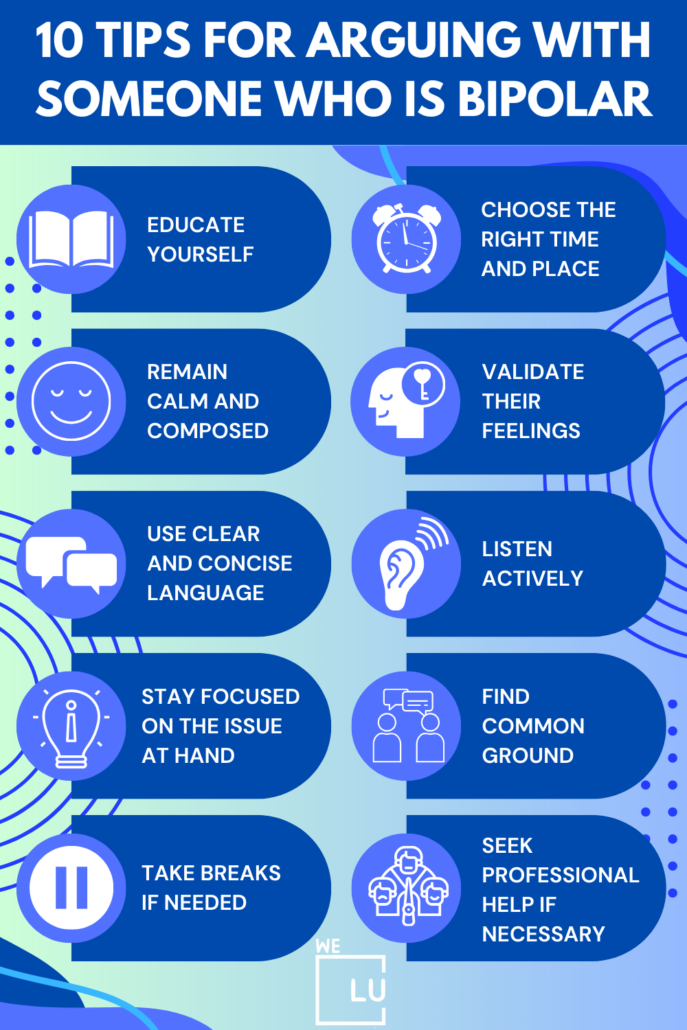
Knowing how to deal with bipolar person arguments can help stop conflict from getting worse. Try to stay calm and speak in a soft tone, even if the other person is upset. Listen without cutting them off, and give space if needed. Use simple and clear words, and avoid blame or harsh talk. If things get too tense, take a short break and come back when both people feel calm.
Bipolar Communication Tips
Good communication can help reduce stress during an argument. Speak slowly and clearly, and focus on your feelings instead of blaming the other person. Use “I feel” statements to share your thoughts. Try to listen with care and show that you understand. These bipolar communication tips can help make talks more calm and respectful.
Arguing with Bipolar Partner Help
If you are in a close relationship, arguing with a bipolar partner can feel even harder. Emotions may feel strong, and conflict may happen more often. It is important to set clear rules so both people feel safe. Stay patient and avoid reacting in anger. Getting arguing with bipolar partner help through therapy can help both people learn better ways to handle problems.
2.4%
The global prevalence of the bipolar disorder
Source: CDC
25 years
Bipolar disorder typically emerges in late adolescence or early adulthood
Source: NIMH
3:1
BPD is more commonly diagnosed in females
Source: NIH
Bipolar Conflict Management
Bipolar conflict management means learning how to handle problems before they grow. It helps to know what triggers stress and avoid talking during strong mood changes. Choose a calm time to talk and focus on solving the problem. Taking breaks, using calm words, and staying patient can help prevent conflict from getting worse.
Bipolar Relationship Advice
Healthy relationships need trust, care, and clear talk. Bipolar relationship advice often focuses on learning about the condition and showing support. When you understand what the other person is going through, it can help reduce blame. Working as a team and asking for help when needed can build a stronger bond.
Daily Tips to Reduce Conflict
Small steps each day can help lower conflict and improve how you talk. Stay calm and do not react too fast. Take breaks when needed so emotions do not take over. Use kind words and focus on fixing the problem, not winning the argument. Keep a daily routine and support healthy habits like sleep and stress control. These habits can help build a peaceful relationship.
How Arguments Affect Daily Life
Frequent arguments can affect mood, sleep, and daily life. They can cause stress and make people feel distant from each other. Over time, this can hurt trust and make it hard to feel close. Learning how to manage conflict can help improve daily life and bring more calm to the relationship.
Diagnosis and Support
Bipolar disorder is diagnosed by a mental health professional who looks at mood patterns and behavior. Understanding the condition can help both people know what to expect. Support from therapy, care, and education can make a big difference in how conflict is handled.

End the Emotional Pain. Get Your Life Back.
Feeling Depressed, Anxious or Struggling with Mental Health Illness? Get Safe Comfortable Mental Health Dual Diagnosis High-Quality Therapy From Counselors That Care. Begin Your Recovery Now.
Hotline (855) 940-6125Long-Term Outlook and Growth
With the right support, people can learn how to manage conflict and improve their relationship. Progress may take time, but small steps can lead to real change. With patience and care, relationships can become stronger and more stable.
FAQs About Arguing with a Bipolar Person
How should I respond during an argument?
Stay calm, speak slowly, and listen without interrupting, and try to show that you understand how the other person feels.
What should I avoid saying?
Avoid blame, harsh words, or making the other person feel attacked, because this can make the argument worse.
Can therapy help with bipolar arguments?
Yes, therapy can help both people learn how to talk better, manage stress, and handle conflict in a healthy way.
How do I set boundaries?
Set clear and simple limits about what is okay, and talk about them in a calm way so both people understand.
Can relationships improve over time?
Yes, with support, patience, and better communication, many relationships become stronger over time.
Ready to Get Started
Arguing with a bipolar person can feel hard, but you do not have to deal with it alone, and help is available. At We Level Up Tamarac FL, we offer care that helps you build better communication, reduce stress, and feel more in control.
Our team is here to support you, and with the right tools, you can create a calmer and healthier relationship, so reach out to us today and take the first step forward.
Ready to get started? Call (888) 606-5120 or email verifyadmissions@welevelup.com today. A better life is waiting for you.
First-class Facilities & Amenities
World-class High-Quality Mental Health Services & Behavioral Health Substance Abuse Treatment
Rehab Centers TourRenowned Mental Health Centers. Serene Private Facilities. Inpatient Rehab Programs Vary.
Mental Health Helpline (855) 940-6125Proven recovery success experience, backed by a Team w/ History of:
15+
Years of Unified Experience
100s
5-Star Reviews Across Our Centers
10K
Recovery Successes
- Comprehensive Dual-Diagnosis Treatment
- Complimentary Family & Alumni Programs
- Coaching, Recovery & Development Events
- Comfortable Onsite Medical Detox Center

World-class, Accredited, 5-Star Reviewed, Effective Mental Health Dual Diagnosis Programs. Complete Integrated Inpatient Rehab with Free Post Discharge Therapy Planning.
CALL (855) 940-6125End the Emotional Pain Rollercoaster. Gain Stability & Happiness Through Recovery Treatment. Start Mental Health Counseling Today. Get Free No-obligation Guidance by Behaviroal Health Specialists Who Understand Mental Health Recovery.

Experience Transformative Recovery at the We Level Up Treatment Center.
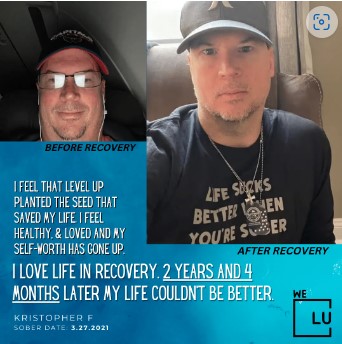
See our authentic success stories. Get inspired. Get the help you deserve.
Start a New Life
Begin with a free call to a behavioral health treatment advisor. Learn more about our dual-diagnosis programs. The We Level Up treatment center network delivers recovery programs that vary by each treatment facility. Call to learn more.
- Personalized Care
- Caring Accountable Staff
- Comfortable Amenities
- Licensed & Accredited
- Renowned w/ 5-Star Reviews
We’ll Call You
Video Script
We at We Level Up FL are dedicated to personalized mental health services tailored to each person’s unique needs. Our experienced team collaborates closely with clients to create therapy programs that address their challenges and align with their goals. With empathy and support, we empower individuals to take an active role in their mental health journey by providing tools and strategies. We encourage exploration, self-discovery, and growth in a safe and nurturing environment. We understand that everyone is different, so we listen attentively and develop customized therapy plans based on individual concerns, strengths, and aspirations.
Search Drug & Alcohol Rehab / Detox & Mental Health Arguing with a Bipolar Person Topics & Resources
Sources
- National Institute of Mental Health (NIMH) – Bipolar Disorder: https://www.nimh.nih.gov/health/topics/bipolar-disorder/ Learn More: Arguing with a Bipolar Person
- NIMH – Borderline Personality Disorder: https://www.nimh.nih.gov/health/topics/borderline-personality-disorder/ Learn More: Arguing with a Bipolar Person
- National Alliance on Mental Illness (NAMI) – Bipolar Disorder: https://www.nami.org/About-Mental-Illness/Mental-Health-Conditions/Bipolar-Disorder Learn More: Arguing with a Bipolar Person
- NAMI – Borderline Personality Disorder: https://www.nami.org/About-Mental-Illness/Mental-Health-Conditions/Borderline-Personality-Disorder Learn More: Arguing with a Bipolar Person
- OWH – Borderline Personality Disorder: https://www.womenshealth.gov/mental-health/mental-health-conditions/borderline-personality-disorder Learn More: Arguing with a Bipolar Person