
Many people living with depression ask the same question. Why do my symptoms come back? Why do I feel fine one week and overwhelmed the next? Often, the answer involves depression triggers. These are events, thoughts, or changes that spark or worsen symptoms. When you understand your triggers, you can take steps to manage them before they grow stronger. If you need help identifying and managing triggers, professional support is available. We Level Up FL can guide you through recovery with structured care and compassionate treatment.
Depression doesn’t just happen for no reason. A lot of the time, it starts with a mix of stress, life events, and mental health background. It’s easy to see some causes. Some are more understated and build up slowly over time. Finding out what hurts you the most is a big step toward getting better.
This guide explains common depression trigger examples. It also describes the causes of depressive episodes. You will learn how depression risk factors can increase symptoms. You will also learn how treatment can help you stay stable and strong.
Table of Contents
What Are Depression Triggers?
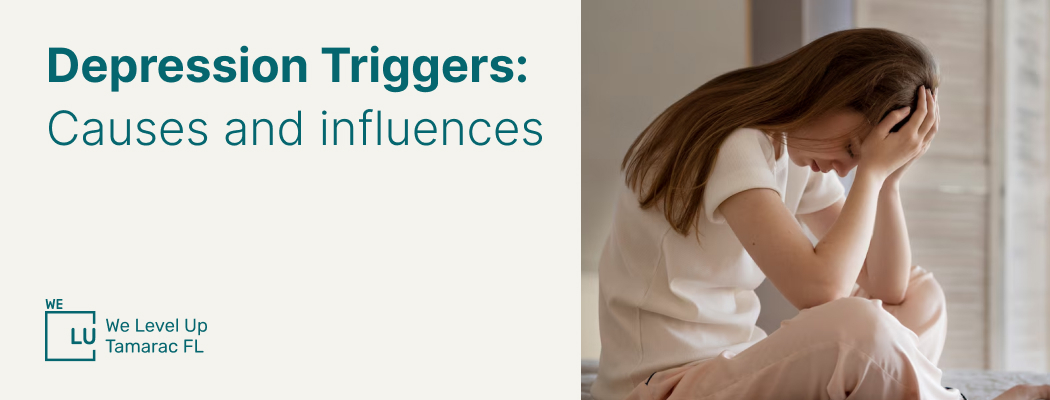
Depression triggers are situations, thoughts, or changes that cause symptoms to appear or worsen. A trigger does not cause depression by itself. Instead, it activates feelings or patterns that are already present.
Triggers can cause stress for some individuals. For some, they are linked to stress, health problems, or drug use in the past. Because of their unique life experiences and mental health histories, each person has a unique set of triggers. Knowing what sets off your triggers can help you get ready for them. It also lets you respond in healthy ways to stress, rather than feeling overwhelmed.
Get Help. Get Better. Get Your Life Back.
Searching for Accredited Dual Diagnosis Mental Health Centers Near You?
Even if therapy failed previously, or are in the middle of a difficult crisis, we stand ready to support you. Our trusted behavioral health specialists will not give up on you. When you feel ready or just want someone to speak to about counseling alternatives to change your life call us. Even if we cannot assist you, we will lead you to wherever you can get support. There is no obligation. Call our hotline today.
FREE 24/7 Dual Diagnosis Mental Health Services HotlineCommon Depression Trigger Examples
Some triggers are emotional. Others are physical or environmental. Below are common depression trigger examples that affect many people.
Stressful Life Events
Major life changes often trigger symptoms. These events may include:
- Loss of a loved one
- Divorce or breakup
- Job loss or financial problems
- Moving to a new city
Even good changes, like getting a new job or having a baby, can make you feel more stressed and change your mood.
Relationship Conflict
Long-term stress at work or home can slowly lower your happiness. Constant fights, not having anyone to lean on, or feeling like you’re not being heard can make emotional pain worse.
Health Problems
Brain chemistry can be changed by long-term illness, pain, or changes in hormones. Lack of sleep and energy can also make you more likely to show signs of depression.
Substance Use
Alcohol and drugs may at first seem to help with mental pain. Over time, they throw the brain’s balance off and make sadness worse. This is why it’s important to get dual diagnosis care when you have both an addiction and sadness.

Emotional and Mental Depression Triggers
Some triggers happen inside your mind. These are called emotional depression triggers. Negative thought patterns can increase sadness and hopelessness. For example, believing you are a failure or thinking that nothing will improve can deepen symptoms. These thoughts may feel automatic, but they can be challenged in therapy.
Unaddressed trauma is another strong cause. During times of stress, painful memories may resurface. These memories can make you anxious, scared, and depressed if you don’t get help for them. A lack of self-worth also plays a part. People feel more stressed when they are hard on themselves. For some people, this trend can lead to a depressive episode over time.

Understanding the Causes of Depressive Episodes
The causes of depressive episodes often involve more than one factor. Depression isn’t just caused by being weak or having a bad mood. It affects the mind, the body, and the surroundings.
Brain Chemistry
Neurotransmitters are substances in the brain that help govern mood. Mood can change when these substances are out of balance. In some circumstances, medication may help restore balance.
Genetics
Family history matters. If close relatives have depression, your risk may increase. Genetics do not guarantee depression, but they can make someone more likely to get it.
Trauma and Early Life Stress
Childhood trauma, neglect, or abuse can shape how the brain responds to stress later in life. These early experiences often increase the risk of adult depression.
Ongoing Stress
When you are stressed for a long time, your body stays in a constant state of high alert. This wears you down and hurts your mental health over time.

End the Emotional Pain. Get Your Life Back.
Feeling Depressed, Anxious or Struggling with Mental Health Illness? Get Safe Comfortable Mental Health Dual Diagnosis High-Quality Therapy From Counselors That Care. Begin Your Recovery Now.
Hotline (855) 940-6125Recognizing Depression Risk Factors
Triggers can cause symptoms to appear or worsen. Depression risk factors increase the chance of developing depression over time.
Risk factors may include:
- Family history of mood disorders
- Substance use disorder
- Chronic illness
- Major life stress
- Lack of social support
You can take action sooner if you know what puts you at risk. These risks are lessened by preventative care, therapy, and good habits.

How Treatment Helps Manage Depression Triggers
You can not stay away from all triggers. There will always be stress and change in life. The treatment goal is not to eliminate all triggers, but to make your reaction stronger.
Getting professional help can help you deal with stress, control your feelings, and change the way you think negatively. Getting help also helps you figure out why things keep happening to you.
At We Level Up Fl, we offer structured support through:
- Individual therapy
- Group therapy
- Medication management when needed
- Dual diagnosis treatment for addiction and depression
- PHP
- Residential mental health care
Our programs address both the emotional and physical sides of depression.
First-class Facilities & Amenities
World-class High-Quality Mental Health Services & Behavioral Health Substance Abuse Treatment
Rehab Centers TourRenowned Mental Health Centers. Serene Private Facilities. Inpatient Rehab Programs Vary.
Mental Health Helpline (855) 940-6125Proven recovery success experience, backed by a Team w/ History of:
15+
Years of Unified Experience
100s
5-Star Reviews Across Our Centers
10K
Recovery Successes
- Comprehensive Dual-Diagnosis Treatment
- Complimentary Family & Alumni Programs
- Coaching, Recovery & Development Events
- Comfortable Onsite Medical Detox Center
Building Healthy Coping Skills
Learning coping skills reduces the impact of depression triggers. Therapy often teaches:
- Mindfulness and grounding exercises
- Cognitive restructuring to challenge negative thoughts
- Stress management techniques
- Healthy sleep and routine planning
These tools give you control when emotions rise. You don’t react out of fear or loneliness; instead, you reply with skill and awareness.

Why Choose We Level Up FL
Choosing the right support system is important. At We Level Up FL, we provide evidence-based care in a safe and structured setting. Our licensed professionals understand how depression triggers connect to trauma, addiction, and stress. We create personalized plans that address your unique needs.
Our dual diagnosis programs treat substance use and depression at the same time. This approach supports stronger, longer-lasting recovery outcomes. We also involve families when appropriate and provide aftercare planning to maintain stability. Our goal is lasting emotional balance, not temporary relief.
World-class, Accredited, 5-Star Reviewed, Effective Mental Health Dual Diagnosis Programs. Complete Integrated Inpatient Rehab with Free Post Discharge Therapy Planning.
CALL (855) 940-6125End the Emotional Pain Rollercoaster. Gain Stability & Happiness Through Recovery Treatment. Start Mental Health Counseling Today. Get Free No-obligation Guidance by Behaviroal Health Specialists Who Understand Mental Health Recovery.
The Connection Between Addiction and Depression
Many people drink or take drugs to deal with their depression. Substances may seem helpful at first, but they throw off the balance of the brain and make depressed symptoms worse.
Addiction changes the chemistry of the brain, which makes depressed symptoms worse. Treating both conditions together leads to better recovery. Integrated programs offer therapy, medical guidance, and planning to help people avoid relapse.
Long-Term Recovery and Stability
Managing depression triggers is a lifelong process. Recovery does not end when treatment ends. Therapy, support groups, healthy habits, and taking medication as needed can all help you keep making improvements. Planning for aftercare makes sure you leave treatment with a clear plan for what to do next. You can lower your chance of relapse and stay emotionally strong with the correct help.
Frequently Asked Questions
What are common depression triggers?
Stress and relationship problems are common triggers. Health issues and drug usage might also be factors. Negative thought patterns make symptoms even worse.
What are some depression trigger examples I should watch for?
Examples include job loss, breakups, lack of sleep, financial stress, and unresolved trauma.
What are the main causes of depressive episodes?
Depressive episodes often happen for more than one reason. Brain chemistry, genetics, trauma, and ongoing stress can all play a role.
What are the key depression risk factors?
Risk factors include family history, chronic illness, addiction, and major life changes.
How does We Level Up FL offer help?
We Level Up FL offers therapy and medication support for depression. We also provide dual diagnosis care and structured treatment programs to support recovery.
Can emotional depression triggers be controlled?
Yes. Therapy helps you identify emotional depression triggers. It also teaches coping skills to manage them and reduce their impact.
You Deserve Relief
You do not have to live in fear of the next emotional wave. When you understand your triggers, you gain the power to respond with strength instead of silence. Healing begins when you decide that your mental health matters. Understanding your triggers is the first step toward lasting change. Our team is ready to walk beside you with real tools, real structure, and real compassion.
Call We Level Up FL at (855) 940-6125 to learn about depression triggers and treatment options. Let this be the moment you choose stability over silence and healing over fear. A stronger tomorrow can begin right now.
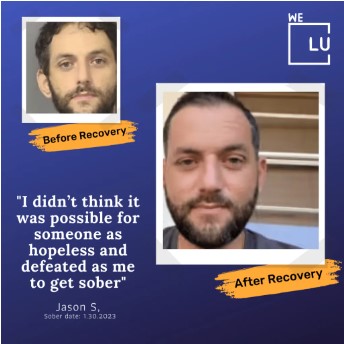
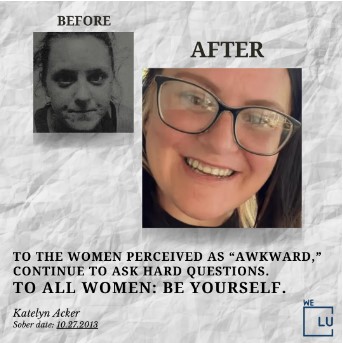
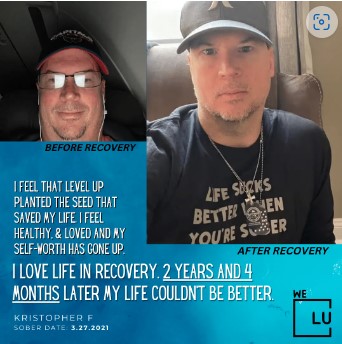
Experience Transformative Recovery at the We Level Up Treatment Center.
See our authentic success stories. Get inspired. Get the help you deserve.
Start a New Life
Begin with a free call to a behavioral health treatment advisor. Learn more about our dual-diagnosis programs. The We Level Up treatment center network delivers recovery programs that vary by each treatment facility. Call to learn more.
- Personalized Care
- Caring Accountable Staff
- Comfortable Amenities
- Licensed & Accredited
- Renowned w/ 5-Star Reviews