Menopause and Anxiety: Understanding the Emotional Shift
Many women know that they will have hot flashes during menopause. Not as many people expect sudden worry, fear, or mood swings. Still, menopause and anxiety often happen at the same time. You might feel tense for no reason. At night, your heart might beat fast. Things that used to be easy may seem harder to deal with now.
These changes can affect both the brain and the body. Mood can change when estrogen levels change. You are not crazy if you start to feel anxious at this point in your life. You’re not weak. You are going through real changes. We Level Up FL offers organized mental health support to help you get back on track if anxiety-related menopause is making your daily life hard.
Table of Contents
What Is Menopause?
Periods stop when a woman goes through menopause. Most people have it between the ages of 45 and 55. After 12 months without a period, a woman has reached menopause.
This is the time before menopause when a lot of women go through it. This time may last for many years. Hormone levels rise and fall unevenly during this time. These changes affect energy, happiness, and sleep.
Mental health issues during perimenopause are common but frequently ignored. Women might feel worried, angry, or sad without understanding why.
How Menopause and Anxiety Are Connected
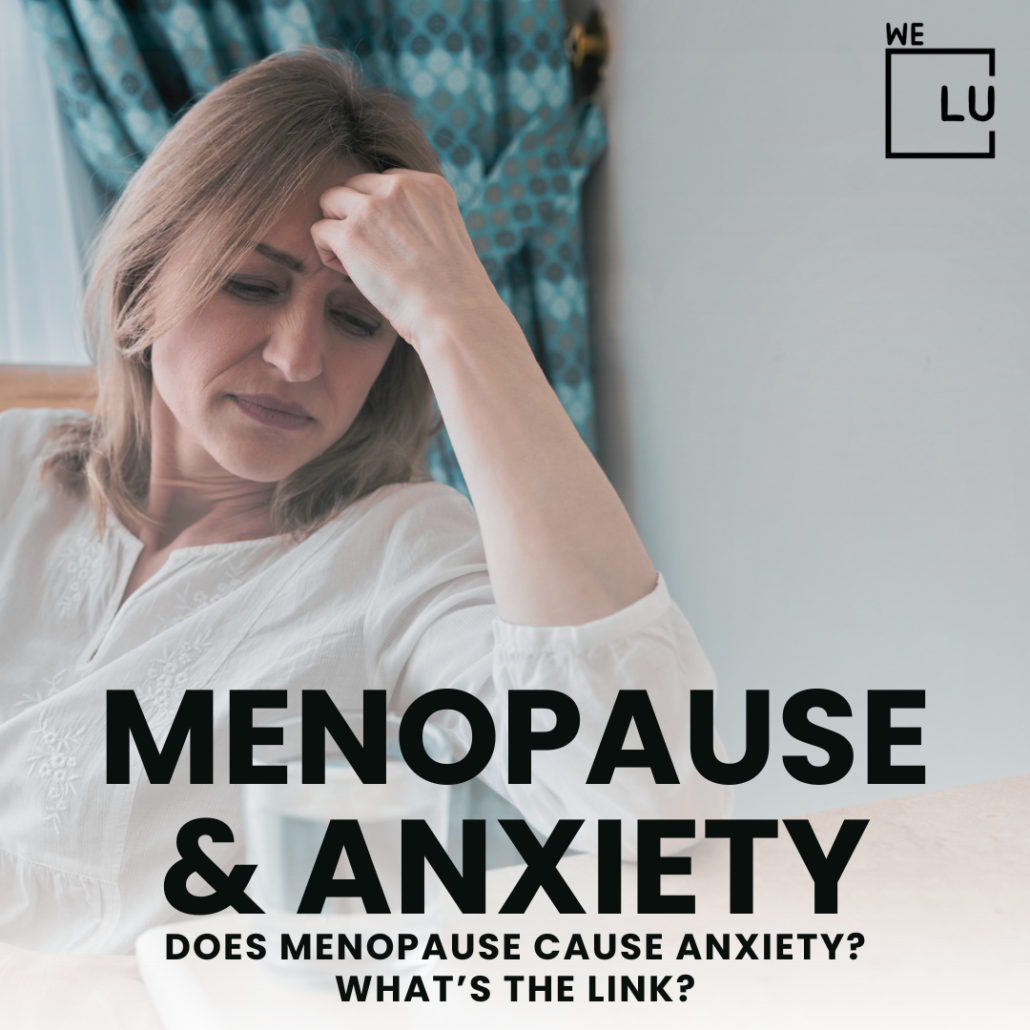
Changes in hormones are often the first thing that connects menopause and anxiety. Estrogen helps serotonin and other mood-regulating chemicals in the brain. Emotional balance can change when estrogen levels drop or go up and down. This can lead to:
- Increased worry
- Trouble sleeping
- Sudden panic feelings
- Mood swings
This is also known as hormonal anxiety menopause. It means stress caused by hormonal changes, not just stress from the outside.
For instance, a woman may feel calm most of her life but start having fast-moving thoughts during perimenopause. She could wake up at 3 a.m. with a lot of stress. These signs are real and recognized by doctors.
Learn More:
- ADHD and Anxiety, Understanding the Link and How To Cope
- What’s the Difference Between Stress and Anxiety?
- Alcohol and Anxiety (Hangxiety) Causes, Risks, and Treatment
- Learn the Different Types of Anxiety. 6 Types of Anxiety Disorders. Symptoms and Medications for the Different Types of Anxiety.
- Can Birth Control Cause Depression? Understanding the Link
- Guide to the Postpartum Anxiety Symptoms, Causes, Diagnosis, and Treatment
- Anxiety Disorder Treatment, Types, Causes, and Symptoms
- How to Deal With Crippling Anxiety? Crippling Anxiety Symptoms, Causes, and Treatment
- Common Anxiety Medications, Types of Medication for Anxiety, and Side Effects
- High Functioning Anxiety Symptoms, Causes, and Treatment
Get Help. Get Better. Get Your Life Back.
Searching for Accredited Dual Diagnosis Mental Health Centers Near You?
Even if therapy failed previously, or are in the middle of a difficult crisis, we stand ready to support you. Our trusted behavioral health specialists will not give up on you. When you feel ready or just want someone to speak to about counseling alternatives to change your life call us. Even if we cannot assist you, we will lead you to wherever you can get support. There is no obligation. Call our hotline today.
FREE 24/7 Dual Diagnosis Mental Health Services Hotline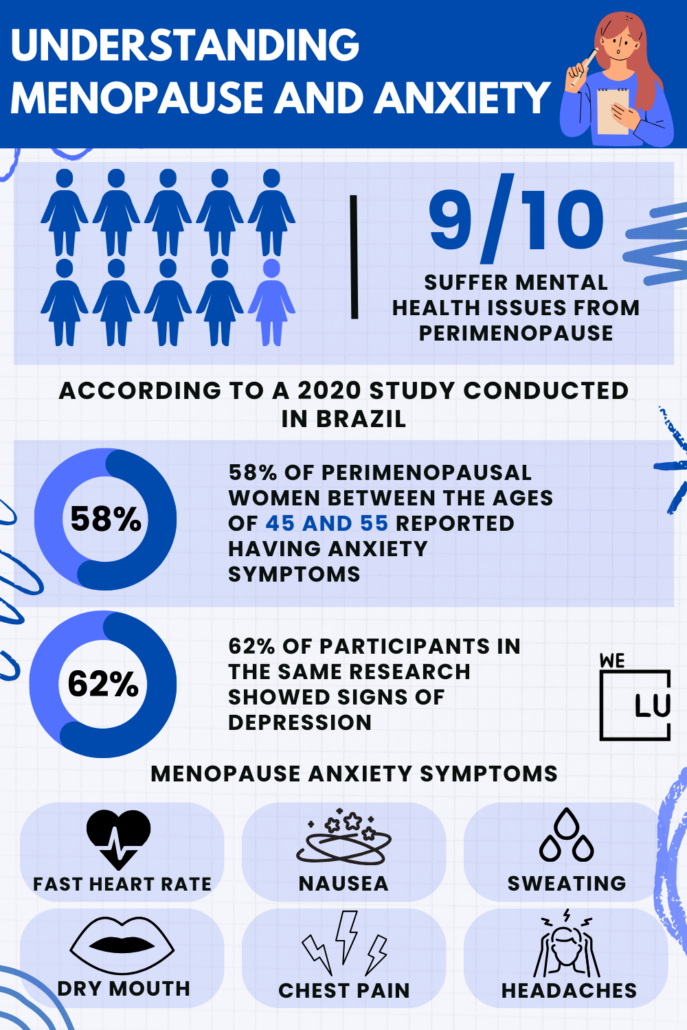
Common Menopause Anxiety Symptoms
Each person may experience different menopause anxiety symptoms. Some women have slight nerves. Others experience strong panic.
Common symptoms include:
- Restlessness or tension
- Fast heartbeat
- Shortness of breath
- Irritability
- Trouble concentrating
- Feeling on edge
Some women also say they have more social nervousness or fear as they get older. Some people may be worried about changes in their health or their family’s health.
Anxiety during menopause can be hard to understand because it can come on quickly, even in women who have never had a mental illness before.

End the Emotional Pain. Get Your Life Back.
Feeling Depressed, Anxious or Struggling with Mental Health Illness? Get Safe Comfortable Mental Health Dual Diagnosis High-Quality Therapy From Counselors That Care. Begin Your Recovery Now.
Hotline (855) 940-6125Menopause Mood Changes and Emotional Swings
Not all mood changes during menopause are depressing. Your feelings might be stronger than they were before. There may be tears after a small fight. A busy day could make you feel too much. This is worse when you can’t sleep. Insomnia and night sweats make it hard to sleep. Not getting enough sleep makes you more anxious and less patient.
For instance, a woman who used to handle worry well might now get irritated by small things at work. She might blame herself and not understand that hormones are to blame. Knowing the biological cause can help you feel less ashamed.
Perimenopause Mental Health and Panic
Hormones change in strange ways during perimenopause. This might make panic attacks more likely.
A panic attack may include:
- Chest tightness
- Dizziness
- Feeling out of control
- Fear that something bad will happen.
Things like this can be scary, especially if it’s the first time they happen. Some women think they have heart trouble. Medical evaluation is important to rule out physical causes. After other problems have been checked out, mental health care can help people deal with their symptoms.
When Anxiety During Menopause Becomes Serious
Many people feel mild stress. When severe worry gets in the way of work, relationships, or sleep, it’s time to get help.
Signs you may need professional help include:
- Panic attacks that repeat
- Avoiding normal activities
- Constant fear without reason
- Depression, along with anxiety
- Thoughts of hopelessness
Menopause and hormonal anxiety may happen at the same time, as well as major anxiety disorders or depression. The treatment makes life better.
First-class Facilities & Amenities
World-class High-Quality Mental Health Services & Behavioral Health Substance Abuse Treatment
Rehab Centers TourRenowned Mental Health Centers. Serene Private Facilities. Inpatient Rehab Programs Vary.
Mental Health Helpline (855) 940-6125Proven recovery success experience, backed by a Team w/ History of:
15+
Years of Unified Experience
100s
5-Star Reviews Across Our Centers
10K
Recovery Successes
- Comprehensive Dual-Diagnosis Treatment
- Complimentary Family & Alumni Programs
- Coaching, Recovery & Development Events
- Comfortable Onsite Medical Detox Center
Treatment Options for Menopause and Anxiety
Managing menopause and anxiety often requires a combined approach.
Therapy
Cognitive Behavioral Therapy helps identify negative thought patterns. It teaches coping tools for worry and panic. Therapy also supports self-esteem during life transitions. Trauma-informed therapy may help women who carry past stress that resurfaces during menopause.
Medication
Antidepressants or stress medicines may help balance mood in some cases. A mental provider carefully watches the doses. You can also talk to a doctor about hormone treatment. Each treatment plan should be made just for the person.
Structured Programs
Structured programs offer more help when symptoms are serious. Intensive Outpatient Programs and Partial Hospitalization Programs both offer therapy several days a week. Residential treatment gives care 24 hours a day in a safe place.
Why Choose We Level Up FL
If you are struggling with menopause and anxiety, you deserve care that addresses both emotional and physical changes. We Level Up FL offers medical detox, residential treatment, partial hospitalization programs, intensive outpatient programs, medication management, cognitive behavioral therapy, trauma-informed therapy, and medical evaluations.
When it’s necessary, we treat drug abuse, trauma, depression, and anxiety disorders all at the same time. During menopause, some women drink more to deal with stress. Safely treats both worry and drug use in dual diagnosis care. Our team makes individualized treatment plans that focus on keeping people stable over the long run.
Lifestyle Strategies That Support Emotional Balance
Small changes can improve mood alongside therapy.
Helpful habits include:
- Maintaining a regular sleep schedule
- Practicing deep breathing during stress
Hormone steadiness can also be helped by eating well, doing light exercise, and drinking less caffeine. Staying in touch with friends who can help you feel less lonely. For instance, going for a short walk every night can help you relax and sleep better. Writing down your fears before bed can help your mind slow down. Lifestyle tools work best when used alongside expert medical care.
Menopause, Anxiety, and Identity
The menopause is a major life change. Some women are sad when they get older or when their bodies change. Others aren’t sure what their role will be as their kids get bigger.
These feelings make worry worse. Changing your personality in therapy can help you feel more confident again. Menopause doesn’t mean you’re no longer healthy. It’s a new step that needs to be adjusted to. Many women get stronger and more self-aware after getting the right help.
Frequently Asked Questions
What is the connection between menopause and anxiety?
During menopause, changes in hormones can affect chemicals in the brain that control mood, which can make you feel more anxious.
What are menopause anxiety symptoms?
Some signs include restlessness, irritability, shortness of breath, and trouble sleeping.
What is hormonal anxiety menopause?
It refers to anxiety that is caused by changes in hormones rather than stress from the outside world.
How does perimenopause affect mental health change?
Mood swings, panic, and emotional sensitivity may increase during hormone shifts.
Are menopause mood changes normal?
Yes. Mood swings are normal, but people who have extreme anxiety or depression should be checked out.
How does We Level Up FL?
We Level Up FL helps women going through menopause who are having worries by offering therapy, psychiatric care, medication management, residential treatment, and programs for people with more than one mental illness.
Take a Step Forward
If menopause and anxiety are stealing your sleep, your focus, or your peace, you are not alone. These changes are real, and they deserve real care. You should not have to guess whether what you feel is normal. You should not have to hide panic behind a smile.
At We Level Up FL, we understand how hormones and mental health connect. We provide structured, compassionate treatment that supports your whole self. You deserve steady breathing, restful nights, and emotional strength during this stage of life. Call (855) 940-6125 today. Let this be the moment you choose balance, confidence, and lasting calm.
World-class, Accredited, 5-Star Reviewed, Effective Mental Health Dual Diagnosis Programs. Complete Integrated Inpatient Rehab with Free Post Discharge Therapy Planning.
CALL (855) 940-6125End the Emotional Pain Rollercoaster. Gain Stability & Happiness Through Recovery Treatment. Start Mental Health Counseling Today. Get Free No-obligation Guidance by Behaviroal Health Specialists Who Understand Mental Health Recovery.
Powerful Anxiety Coping Tips from a Therapist
Experience Transformative Recovery at the We Level Up Treatment Center.
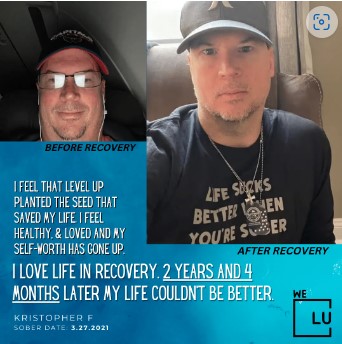
See our authentic success stories. Get inspired. Get the help you deserve.
Start a New Life
Begin with a free call to a behavioral health treatment advisor. Learn more about our dual-diagnosis programs. The We Level Up treatment center network delivers recovery programs that vary by each treatment facility. Call to learn more.
- Personalized Care
- Caring Accountable Staff
- Comfortable Amenities
- Licensed & Accredited
- Renowned w/ 5-Star Reviews